








ABE MAGAZINE | CANADIAN BUSINESS
October 22, 2026
Canada is preparing to commit billions of dollars to strengthening its industrial economy as renewed trade tensions with the United States place pressure on manufacturers, workers and investment decisions. A new federal-provincial support package announced by Ottawa and Ontario is intended to assist steel and automotive businesses while developing supply chains for critical minerals. The initiative arrives at a difficult moment for Canadian industry, when companies must decide whether to invest in domestic production, adjust their operations or seek opportunities beyond their traditional American market.
A Major Investment in Canada’s Industrial Future
Canada and Ontario announced a combined industrial support package worth approximately C$9 billion on Wednesday, October 21, targeting sectors particularly exposed to American trade restrictions.
The measures are intended to support steel producers, automotive manufacturers and businesses involved in critical mineral supply chains. These industries play important roles in Canada’s economy, providing employment, supporting exports and supplying materials used across manufacturing and infrastructure.
The announcement comes amid renewed uncertainty over Canada-U.S. trade relations. Tariffs can make Canadian products more expensive for American buyers, weakening competitiveness and creating difficulties for manufacturers that depend heavily on cross-border business.
For companies operating with narrow margins, the effects can be substantial. Even when customers continue purchasing Canadian products, additional costs may reduce profitability and discourage investment in new equipment or production facilities.
The support package represents an attempt to limit those pressures while encouraging companies to maintain and expand industrial activity in Canada.
Why Steel and Automotive Manufacturing Matter
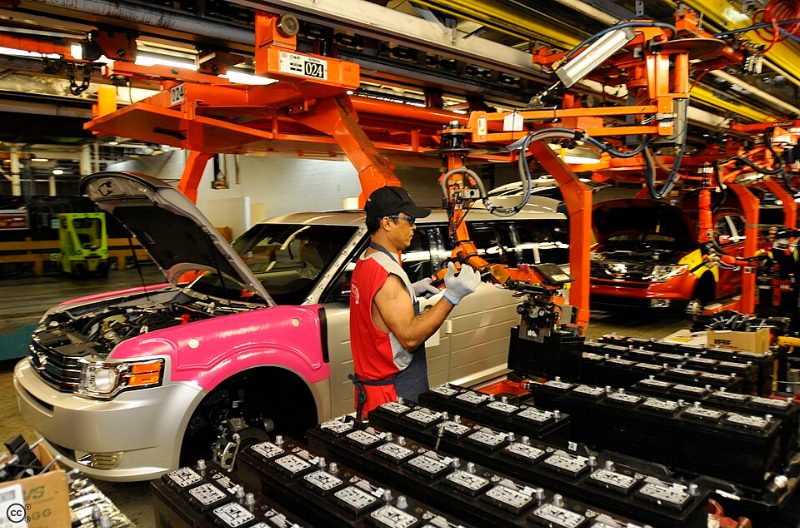
Steel production and automobile manufacturing are closely connected to Canada’s wider industrial economy. Steel is used in construction, transportation equipment, machinery and infrastructure, while automotive production supports extensive networks of parts manufacturers, engineering companies and logistics providers.
Ontario occupies a particularly important position in these industries. Its manufacturing centres have developed around integrated North American supply chains, with components and finished products frequently crossing the Canada-U.S. border.
That integration has historically created advantages for businesses on both sides of the border. Companies can specialize in particular production activities while relying on suppliers and customers in neighbouring markets.
However, the same integration creates vulnerability when trade rules change. Tariffs can increase costs at multiple stages of production, affecting manufacturers even when their final products remain competitive.
The consequences extend beyond major corporations. Smaller suppliers, transportation companies and local businesses depend on the activity generated by large industrial facilities.
Protecting manufacturing competitiveness therefore involves more than preserving individual factories. It also concerns the economic networks surrounding them.
Critical Minerals Become a Strategic Priority
The industrial package also places attention on critical minerals, reflecting their growing importance in modern manufacturing and technology.
Minerals used in batteries, electrical equipment and advanced industrial applications have become central to discussions about economic security and supply-chain resilience.
Canada possesses significant mineral resources, but developing commercially successful supply chains requires more than extracting raw materials. Processing facilities, transportation infrastructure, financing and reliable customers are all necessary to turn natural resources into competitive industrial products.
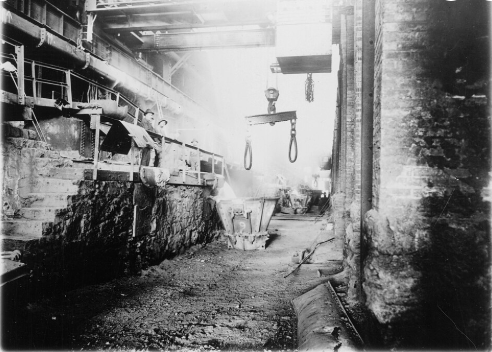
The government’s emphasis on critical minerals suggests a broader ambition to strengthen Canada’s position in international manufacturing networks.
For investors, the opportunity could involve projects across mining, processing, equipment production and associated infrastructure. However, such investments often require substantial capital and long development periods.
Their success will depend on market demand, operating costs and whether businesses can compete internationally without relying indefinitely on public financial support.
Canadian Businesses Remain Cautious
The announcement follows new evidence that trade tensions are affecting business confidence.
In its October 19 Business Outlook Survey, the Bank of Canada reported that overall business sentiment had improved during the third quarter. Companies described stronger sales expectations, supported partly by demand from the United States and elevated commodity prices.
Yet much of that optimism was recorded before Canada-U.S. trade negotiations broke down in August.
Responses collected afterward suggested that renewed tariffs were weakening expectations for exports and investment while increasing anticipated costs.
The central bank also found that hiring intentions remained relatively soft. Many businesses expected to maintain their existing workforce rather than expand employment, even when they anticipated stronger sales.
This distinction is important. Improved business sentiment does not necessarily translate into immediate hiring or factory expansion.
Companies may prefer to increase productivity, adjust supply chains or delay major commitments until trade conditions become more predictable.
Financial Markets Welcome the Announcement
Investors responded positively to the new support measures.
Canada’s S&P/TSX Composite Index rose 217.03 points, or approximately 0.6%, on Wednesday, closing at 36,324.99. The result represented the index’s highest closing level in four weeks.
Financial companies helped lead the gains, reflecting expectations that new industrial investment could create opportunities for lending and related financial services.
Toronto-Dominion Bank shares gained nearly 2%, while industrial and technology stocks also advanced.
However, the market reaction was not uniformly positive. Automotive parts supplier Magna International declined after analysts reduced their share-price targets, demonstrating that individual companies continue to face distinct commercial challenges.
A rising stock market can indicate improving investor expectations, but it does not guarantee that government support will deliver stronger production, higher employment or lasting industrial competitiveness.
Those outcomes will become clearer only as businesses respond to the measures and investment projects move forward.
The Challenge of Building Beyond the United States
Canada’s economic relationship with the United States remains essential, particularly for manufacturing and energy exports.
Nevertheless, recent trade disputes have strengthened the argument for developing relationships with additional markets.
Prime Minister Mark Carney’s visit to Turkey on October 22 reflects that wider effort. Discussions are expected to address opportunities involving trade, investment, energy and defence cooperation.
Diversification could create additional customers for Canadian businesses and reduce exposure to decisions made in any single foreign market.
However, entering new markets requires competitive products, dependable transportation networks and an understanding of local commercial conditions.
For manufacturers, replacing established American customers with buyers elsewhere may not be straightforward. Geographic proximity, integrated production systems and longstanding business relationships continue to make the United States particularly important.
Canada’s challenge is therefore to strengthen its existing industrial relationships while creating additional opportunities for growth.
THE ABE TAKE
Canada’s new industrial support package illustrates the growing importance of economic resilience in an uncertain international trading environment.
Government funding may help manufacturers manage immediate pressures and encourage investment, but financial assistance alone cannot guarantee industrial competitiveness.
The long-term value of the initiative will depend on whether it supports productive businesses, modern equipment, stronger supply chains and commercially sustainable investment.
For Ontario, the stakes are particularly significant. Manufacturing contributes to employment and economic activity across communities that depend on factories and the businesses supplying them.
For Canada more broadly, the announcement raises a fundamental question about economic strategy: how can the country preserve the advantages of North American integration while reducing the risks associated with dependence on one major trading partner?
The answer will require more than temporary relief from tariffs. It will depend on investment, productivity, infrastructure and the ability of Canadian companies to compete successfully in international markets.
The nearly C$9 billion package is an important policy commitment. Its true economic significance will be measured by the businesses it helps strengthen and the investment it enables over the coming years.
ABE MAGAZINE
Understand More. Think Bigger.