


ABE MAGAZINE | AFRICAN BUSINESS & FINANCIAL MARKETS
October 22, 2026
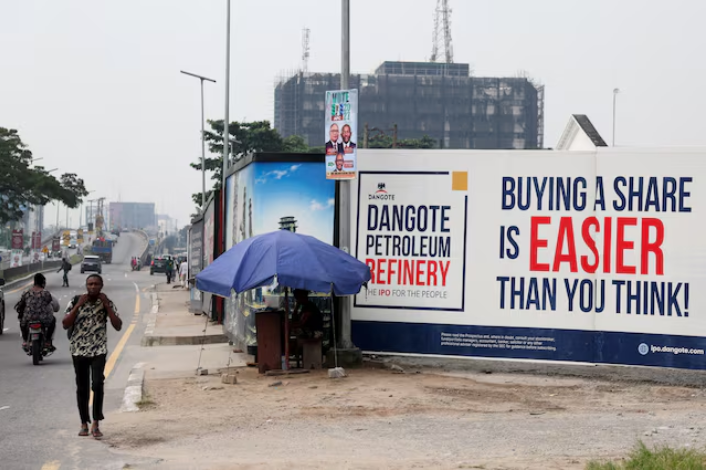
Nigeria is preparing for a potentially historic moment in its financial markets as billionaire industrialist Aliko Dangote seeks to bring his refinery business to public investors through a $1.6 billion initial public offering. The proposed listing, which could become Africa’s largest, is attracting attention not only because of its size but also because of its potential to change how ordinary Nigerians participate in the stock market. With plans to reach investors through mobile phones and develop connections with exchanges across the continent, the offering represents a test of whether Africa’s largest industrial businesses can help build deeper and more accessible capital markets.
A Landmark Offering for Nigeria’s Stock Market
Nigeria’s financial markets are approaching an important test as the initial public offering associated with Aliko Dangote’s refinery business moves toward its scheduled conclusion at the end of October.
The $1.6 billion offering was launched earlier this month with ambitions to attract millions of retail investors. If completed on the terms and scale envisaged, it would represent a major milestone for African equity markets and the financing of large industrial enterprises.
For the Nigerian Exchange Group, the opportunity extends beyond the immediate proceeds from selling shares. Exchange officials see the listing as a potential catalyst for expanding participation in the country’s capital markets, which remain relatively underdeveloped compared with the size of Nigeria’s population.
Temi Popoola, chief executive of Nigerian Exchange Group, told Reuters at the Financial Times Africa Summit that the offering could increase the number of active investors by three to five times.
The projection reflects expectations about the impact of the offering rather than an increase that has already occurred. Whether those ambitions are realized will depend on investor demand, accessibility and the performance of the listed business after the transaction.
Bringing Ordinary Nigerians Into the Market
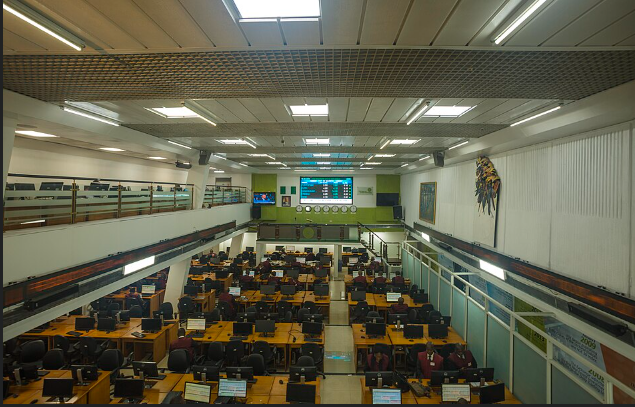
One of the most significant features of the offering is its emphasis on retail investors.
According to Popoola, approximately 5% of Nigerians, representing around 12 million people, currently participate in capital markets in some form. However, only several hundred thousand are active traders.
That gap illustrates an important structural challenge. Although Nigeria has a large population and a growing range of financial services, participation in publicly traded investments remains limited.
The Dangote offering is being promoted through channels designed to reach people who may not regularly use conventional brokerage platforms. These include WhatsApp, point-of-sale systems and basic mobile phones.
Such approaches could reduce some of the practical barriers that prevent people from learning about investment opportunities or accessing financial products.
However, wider accessibility does not automatically guarantee financial inclusion. New investors still need clear information about risks, transaction costs, shareholder rights and the possibility of losing money.
The offering’s long-term significance will depend partly on whether first-time investors become informed, sustained participants in Nigeria’s capital markets rather than simply responding to a high-profile transaction.
Why the Dangote Name Matters

Aliko Dangote has built one of Africa’s most prominent industrial groups, with interests spanning petroleum refining, cement, fertilizer, sugar and other sectors.
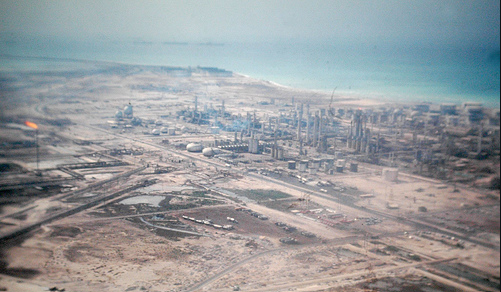
His refinery near Lagos represents a substantial investment in domestic processing capacity and reflects a broader ambition to strengthen African industrial production.
The business has attracted international attention because petroleum refining has historically presented a difficult economic challenge for many African countries. Several major oil producers have relied heavily on imported refined products despite possessing significant crude oil resources.
Large-scale refining capacity creates opportunities to retain more industrial activity within the region, develop associated services and potentially reduce dependence on external processing.
The refinery’s public offering connects that industrial strategy with a second objective: expanding access to capital through African financial markets.
For investors, however, the prominence of the Dangote name should not replace careful examination of the business. Refining profitability depends on crude oil procurement, operating efficiency, financing costs, product demand and international petroleum prices.
A successful listing requires both a compelling industrial story and financial performance capable of supporting shareholder expectations.
Africa’s Stock Exchanges Seek Stronger Connections
The proposed listing is also becoming part of a wider effort to connect African capital markets.
Popoola said Nigerian Exchange Group was working with exchanges in Egypt, Kenya, Botswana and Ethiopia to develop arrangements involving depositary receipts, with some already established and others awaiting regulatory approval.
Depositary receipts can allow investors in one market to gain exposure to shares associated with a company listed elsewhere, subject to the structure and applicable rules.
For African markets, these arrangements could help address fragmentation. Investors often face difficulties accessing companies listed in neighbouring countries because of differences in regulations, currencies, settlement systems and brokerage infrastructure.
Improved cross-border access could broaden the potential investor base for major African businesses while creating additional opportunities for portfolio diversification.
However, building an integrated investment environment requires more than technical arrangements. Regulators, exchanges and financial institutions must establish dependable systems for custody, settlement, disclosure and investor protection.
The Dangote offering may provide an important test of whether those ambitions can translate into practical participation across national borders.
Nigeria’s Wider Ambition to Attract Capital
The refinery offering arrives during a period of renewed attention to Nigeria’s financial markets.
Popoola welcomed JPMorgan’s decision to include Nigerian domestic sovereign bonds in a new frontier-market local-currency index. Such inclusion can increase visibility among international investors who follow benchmark indexes.
Greater interest in government bonds may also help rebuild familiarity with Nigeria’s financial markets and create opportunities for future investment in equities.
Nevertheless, the return of foreign investment depends on several factors, including currency stability, market liquidity, regulatory confidence and the ability of investors to move capital efficiently.
Nigeria’s exchange also faces competition from private capital markets. Large businesses may prefer to raise financing through private investors, strategic partners or other arrangements rather than list shares publicly.
Popoola expects fewer than ten Nigerian companies to undertake listings over the next year, highlighting the difficulty of attracting businesses to public exchanges even when market conditions improve.
The Dangote transaction could therefore become an important demonstration of what a large public listing can achieve, although it cannot independently resolve the structural challenges facing the market.
Could the Offering Influence Other African Companies?
A successful transaction could encourage additional African businesses to consider public listings as part of their financing strategies.
Nigeria already has companies with international market connections. Seplat Energy, Airtel Africa and Guaranty Trust Holding Company maintain secondary listings in London, while Dangote Cement is considering an additional London listing as early as November.
These arrangements illustrate how African businesses are seeking access to different pools of investment capital.
For companies, public markets can provide financing opportunities, improve visibility and establish a market valuation. They also introduce obligations involving financial reporting, governance and ongoing disclosure.
For investors, a broader range of listed companies could create opportunities to participate in African industrial growth beyond traditional banking and telecommunications shares.
Yet the value of those opportunities depends on business fundamentals. A larger stock exchange is not necessarily a stronger one unless its listed companies maintain transparency, financial discipline and investor confidence.
The Risks Behind the Opportunity
The enthusiasm surrounding a major industrial offering should be accompanied by a clear understanding of investment risks.
Refining is capital-intensive, and profitability can be affected by changes in crude oil prices, product margins, operational disruptions and financing conditions.
Investors must also consider the terms of the offering, the proportion of ownership being sold and the rights associated with the shares.
For first-time retail investors, these considerations are especially important. A widely recognized company may attract attention, but familiarity with a brand does not guarantee a profitable investment.
Regulators and financial institutions therefore have a responsibility to ensure that promotional activity is accompanied by accessible disclosures and appropriate investor education.
The broader objective should be to create an investment culture based on informed decision-making rather than speculation surrounding individual high-profile transactions.
THE ABE TAKE
Dangote’s proposed refinery listing could become a defining development for African capital markets because it brings together two challenges that have shaped the continent’s economic progress: financing industrial development and expanding public participation in wealth creation.
Africa possesses substantial natural resources and a growing range of industrial businesses, yet many companies continue to face limited access to long-term financing. At the same time, millions of potential investors remain outside formal equity markets.
A major public offering cannot solve both problems by itself, but it can demonstrate how large industrial enterprises might attract capital from a wider investor base.
The most important measure of success will not be the size of the transaction alone. It will be whether the offering strengthens confidence in Nigeria’s stock market, encourages better financial participation and creates a model that other African companies can follow.
The effort to connect exchanges across the continent is particularly significant. Deeper regional capital markets could make it easier for African savings to support African businesses, provided that investors receive strong protections and reliable information.
For Nigeria, the Dangote offering represents an opportunity to demonstrate that its financial markets can support transactions of continental importance.
For Africa, the wider question is whether this moment can become part of a lasting shift toward stronger institutions, broader ownership and more effective financing of industrial growth.
The transaction may be remembered for its size, but its greatest contribution would be helping build a market in which participation is no longer limited to a relatively small group of investors.
ABE MAGAZINE
Understand More. Think Bigger.