









ABE MAGAZINE | CANADA & EMPLOYMENT
October 22, 2026
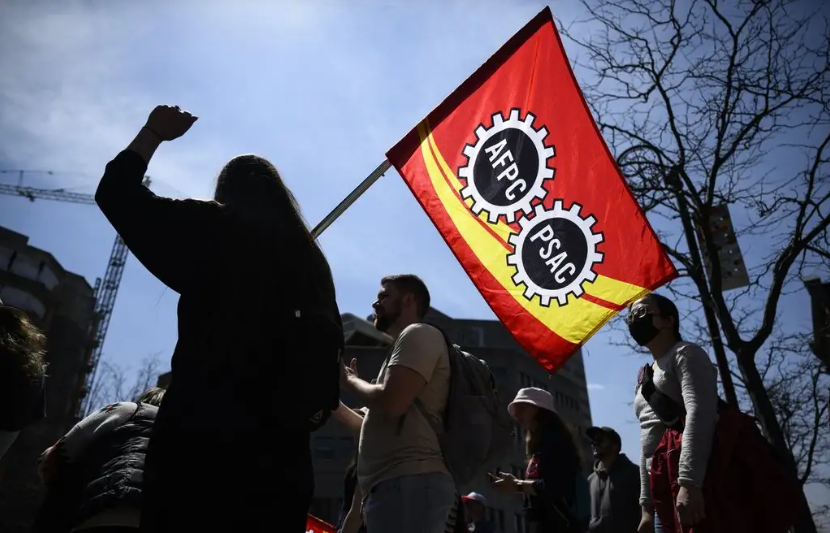
Canada is facing the possibility of another major federal labour dispute after the country’s largest public-service union announced nationwide strike votes involving approximately 120,000 employees. The decision follows prolonged contract negotiations over wages, job security, remote work and workplace protections. With federal departments already adjusting to spending reductions and new office attendance requirements, the dispute raises important questions about the future of public-sector employment and the reliability of government services. Although a strike has not been declared, the coming vote could become one of the most consequential labour developments in Canada this year.
A Major Labour Dispute Emerges in Ottawa
The Public Service Alliance of Canada announced on October 21 that approximately 120,000 federal employees will participate in nationwide strike votes following an impasse in negotiations with the Treasury Board of Canada.
The voting period is scheduled to run from November 16, 2026, to January 22, 2027, involving workers represented by the Program and Administrative Services, Technical Services, and Education and Library Science bargaining groups.
The union represents employees across a wide range of government operations, including passport services, benefits administration, fisheries, education, technical support and administrative functions.
Negotiations have continued for approximately 18 months without an agreement acceptable to both sides. The union argues that the federal government’s proposals do not adequately address the rising cost of living or the employment uncertainty facing public servants.
The announcement does not mean that workers are immediately leaving their jobs. A strike vote is a step in the labour relations process that can authorize future industrial action if the necessary legal conditions are satisfied.
Nevertheless, the scale of the vote makes the dispute nationally significant. Its outcome could affect negotiations across the federal public service and influence expectations about government employment conditions.
Wages Become a Central Point of Disagreement
Compensation remains one of the most important issues separating the union and the federal government.
According to PSAC’s published bargaining information, the Treasury Board proposed wage increases of 2% in 2025, followed by increases of 0.5% in each of the next three years.
Averaged across the four-year period, the proposed annual increase would be less than 1%.
The union argues that the proposal would leave workers financially worse off when inflation and rising household expenses are taken into account.
PSAC has proposed annual general economic increases of 4.75% over a three-year agreement, alongside additional adjustments for certain occupations.
The disagreement illustrates a familiar challenge in public-sector bargaining. Employees want compensation that protects their purchasing power, while governments must consider the cost of wages across large workforces and their broader fiscal responsibilities.
Because federal employment involves hundreds of thousands of workers, even relatively small changes in annual compensation can have substantial implications for public spending.
The final settlement will therefore require both sides to address competing concerns about employee compensation, government expenditure and the sustainability of public services.
Job Cuts Add Pressure to Negotiations
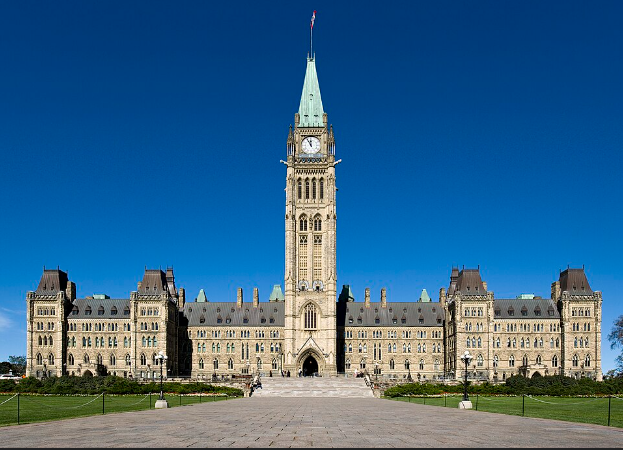
The wage dispute is unfolding against a wider programme of federal workforce reductions.
Canada’s 2025 federal budget outlined plans to reduce the size of the public service by 10% by the end of the 2028–29 fiscal year as part of an effort to control government spending.
According to estimates from the Parliamentary Budget Officer reported by The Canadian Press, the federal public service has already declined by more than 23,000 employees over the past two years.
The reduction has heightened concern among workers about job security, staffing levels and the future organization of government departments.
PSAC is seeking stronger protections related to workforce adjustment and employment stability. The union has also opposed proposals it believes would weaken its ability to negotiate certain employment benefits and conditions.
For the federal government, workforce restructuring forms part of a broader effort to manage public expenditure. For employees, however, the prospect of fewer positions creates uncertainty about career progression and long-term financial security.
These competing pressures make the current negotiations more complicated than a conventional disagreement over annual salary increases.
Remote Work Remains a Major Source of Tension
The return to office has become another important issue in the dispute.
Thousands of federal public servants began following a new attendance requirement in July, with many expected to work on-site four days per week. Executive employees had already returned to full-time office attendance in May.
The policy has generated disagreement over workplace flexibility, commuting expenses and the government’s management of its office facilities.

PSAC wants clearer protections for remote-work arrangements within collective agreements, arguing that decisions should account for operational requirements and individual circumstances.
The union also maintains that workplace arrangements should be negotiated rather than determined entirely through management policies.
From the government’s perspective, office attendance requirements involve questions of organizational management, service delivery and the effective use of public resources.
The debate reflects a wider change in Canadian employment practices as businesses and public institutions reconsider the balance between remote work and physical offices.
For federal employees, the outcome could influence not only where they work but also their transportation expenses, household routines and access to employment opportunities.
Could Government Services Be Disrupted?
The potential impact on Canadians is one reason the dispute deserves national attention.
Federal public servants perform administrative and operational functions that support important government programmes.
If a future strike occurs, disruptions could affect some passport processing, benefit administration and other services, depending on which workers participate and what essential-service arrangements remain in place.
However, no such disruption has been announced as part of the current strike-vote decision.
The union has emphasized that reaching a negotiated agreement remains its preferred outcome. A successful strike vote would provide a mandate for possible industrial action rather than make a walkout inevitable.
The distinction matters for Canadians who depend on federal services. Businesses, travellers and households should not assume that services will stop simply because voting has been scheduled.
The immediate development is an escalation in collective bargaining, not a confirmed nationwide shutdown.
The Lessons of Canada’s 2023 Federal Strike
The current dispute follows a major federal public-service strike in 2023, when approximately 155,000 workers participated in industrial action lasting nearly two weeks.
That strike resulted in negotiated wage increases totalling 12.6% over the term of the relevant agreement.
The earlier dispute demonstrated the ability of large public-sector unions to organize nationwide action while also revealing the practical consequences of prolonged interruptions to government operations.
However, the economic and political circumstances surrounding the present negotiations are different.
The federal government is pursuing workforce reductions, employees are facing new office attendance requirements, and the broader economy continues to experience pressure from inflation and trade uncertainty.
Those differences mean that the outcome of the current negotiations cannot be determined simply by examining the previous settlement.
Both sides will need to consider the present financial environment and the implications of any agreement for workers and taxpayers.
What Happens Next?
The union is expected to release additional information about voting arrangements on October 28, ahead of the November 16 opening date.
Members in the affected bargaining groups will then have the opportunity to participate in the strike authorization process.
Negotiations may continue during this period, and a settlement could still be reached before industrial action becomes necessary.
If members authorize a strike and the relevant legal requirements are met, the union could gain the ability to call a walkout. The timing and scope of any action would depend on subsequent decisions and developments.
For the federal government, the coming months will test its ability to reconcile spending objectives with workforce relations.
For public servants, the vote represents an opportunity to influence negotiations over compensation, employment protections and working conditions.
For Canadians, the central concern will be whether both parties can reach an agreement while maintaining reliable government services.
THE ABE TAKE
The possibility of another major federal labour dispute reveals the tension between Canada’s fiscal priorities and the expectations of its public-sector workforce.
Governments have legitimate responsibilities to manage public expenditure and ensure that taxpayer resources are used efficiently. Employees, meanwhile, have an interest in compensation that reflects economic conditions and employment arrangements that provide reasonable stability.
The difficulty arises when these objectives become increasingly difficult to reconcile.
Canada’s federal workforce is not simply a line in the national budget. Its employees deliver services that influence households, businesses and public institutions across the country. At the same time, the cost of maintaining those services must remain financially sustainable.
The present dispute should therefore be evaluated through two important questions: whether employment conditions support effective public services, and whether the financial commitments involved can be maintained over time.
A strike would introduce additional uncertainty, but it is not yet inevitable. The period before voting concludes offers an opportunity for negotiations to continue.
For Canada, the most constructive outcome would be a workable agreement that addresses employment concerns while protecting the quality and sustainability of public services.
The coming months will determine whether the dispute moves toward compromise or becomes another major test of the country’s labour relations system.
ABE MAGAZINE
Understand More. Think Bigger.