





ABE MAGAZINE | AFRICAN ECONOMY & ENERGY
October 22, 2026
South Africa is moving to ease the financial pressure on households and businesses after a sharp rise in international oil prices pushed domestic fuel costs to record levels. Finance Minister Enoch Godongwana has announced R10 billion in temporary fuel levy reductions, offering some relief to motorists, transport operators and businesses already struggling with higher operating expenses. The intervention comes at a difficult moment for Africa’s most industrialised economy, with economic growth forecasts revised downward and the rand under pressure from global energy uncertainty. While stronger government revenue has created room for temporary assistance, the measures also highlight South Africa’s continued vulnerability to developments far beyond its borders.
Government Announces R10 Billion in Fuel Relief
South Africa’s government has introduced a temporary fuel-tax relief programme valued at R10 billion, equivalent to approximately $609 million, as rising international oil prices place additional pressure on the domestic economy.
The announcement was made by Finance Minister Enoch Godongwana during the Medium-Term Budget Policy Statement presented to Parliament on Wednesday, October 21.
Under the programme, the general fuel levy will be reduced by R3 per litre for diesel and R1.50 per litre for petrol from November 4 until December 1, 2026. The relief will then continue at a lower level, with reductions of R1.50 for diesel and R1 for petrol, until January 5, 2027.
The government expects the intervention to provide temporary financial support to households and businesses while international energy markets remain volatile.
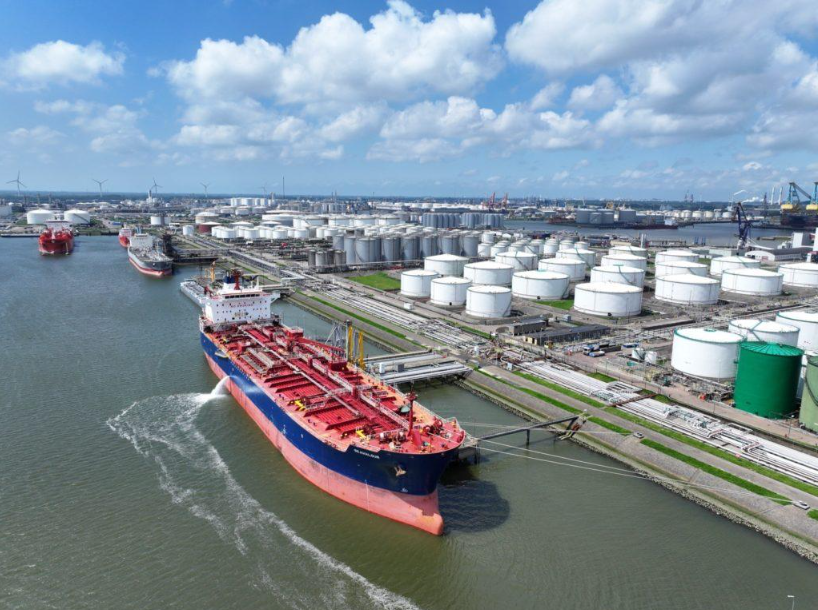
The relief is particularly important because South Africa imports most of its fuel, leaving the country exposed to changes in global oil prices and movements in the rand.
However, the reduction in fuel levies does not guarantee that petrol and diesel prices will fall by the same amount. Actual pump prices will continue to depend on international petroleum costs, exchange rates and other components of domestic fuel pricing.
Why Fuel Prices Have Become a National Concern
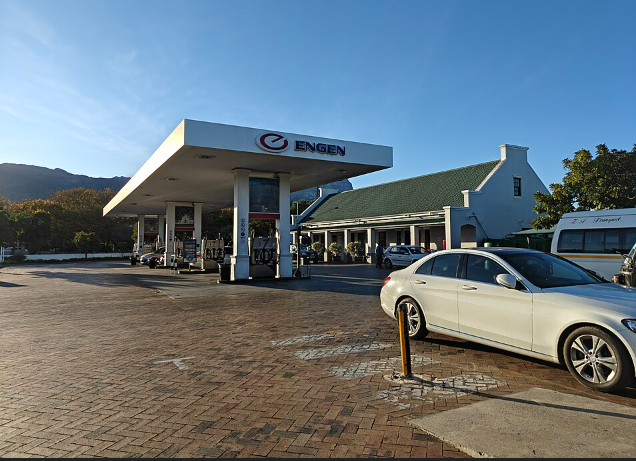
The latest government intervention follows months of rising fuel costs associated with conflict in the Middle East and disruptions to international energy supplies.
Oil prices have increased sharply as attacks on energy infrastructure and uncertainty surrounding shipping routes have raised concerns about the reliability of global petroleum exports.
For South Africa, the effects have been particularly severe because its economy depends heavily on imported petroleum products.
Domestic petrol prices increased by approximately 5% in September before rising another 12% in October. In some markets, petrol prices have exceeded R30 per litre, while diesel costs have climbed even higher.
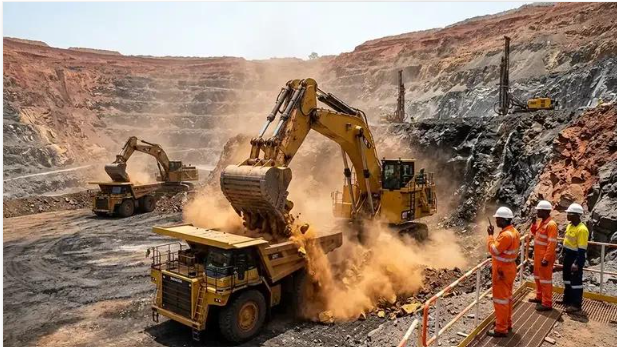
These increases affect much more than motorists. Fuel is a major expense for companies involved in freight transportation, agriculture, mining, manufacturing and distribution.
When transportation becomes more expensive, businesses may face higher costs for moving raw materials and finished goods. Those increases can eventually reach consumers through the prices of food, household products and other essential goods.
For lower-income households, the consequences are particularly difficult because transportation and basic necessities already account for a substantial share of spending.
The government’s fuel relief programme is therefore intended to reduce pressure across several parts of the economy rather than provide assistance exclusively to private vehicle owners.
South Africa’s Growth Forecast Is Cut
The fuel relief announcement formed part of a broader budget review that revealed a weaker economic outlook.
South Africa’s National Treasury now expects the economy to grow by 1.2% in 2026, compared with the 1.6% forecast in February.
The government projects growth of 1.6% in 2027 and approximately 2% by 2029, suggesting that the recovery is expected to remain gradual.
The revised forecast reflects several pressures, including global uncertainty, high energy costs and weaker activity in sectors exposed to international trade.
South Africa has struggled for years to generate economic growth strong enough to significantly improve employment and household incomes.
Although the country has important mining, manufacturing, agricultural and financial industries, persistent structural challenges continue to limit its economic potential.
Electricity infrastructure, freight logistics, municipal services and the financial performance of state-owned enterprises remain important areas requiring reform.
The government has identified improvements at Eskom and Transnet among its priorities, recognising that reliable electricity and efficient transportation systems are essential for stronger investment and industrial growth.
Without sustained improvements in productivity and infrastructure, temporary financial relief is unlikely to produce a lasting acceleration in economic activity.
Stronger Tax Revenue Gives the Government Room to Act
Despite the weaker growth outlook, South Africa’s public finances have shown signs of improvement.
The National Treasury reported approximately R54.1 billion in additional revenue compared with earlier expectations.
Stronger tax collections have created room for the government to address spending pressures, support infrastructure investment, increase reserves and reduce debt.
The budget deficit for the current fiscal year is now projected at 3.9% of gross domestic product, slightly below the 4% forecast in February.
This improvement has allowed the government to introduce temporary fuel relief without announcing an equivalent increase in planned borrowing.
The R10 billion cost will be accommodated through the return of funds previously transferred to the Central Energy Fund, according to the Treasury.
The government has emphasised that the measure is temporary and designed to respond to exceptional pressure from international fuel markets.
Nevertheless, stronger revenue does not eliminate South Africa’s financial challenges.
Public debt remains substantial, and interest payments continue to absorb resources that could otherwise support public services, infrastructure and economic development.
The central challenge is ensuring that temporary fiscal improvements translate into sustainable financial stability rather than creating expectations for spending commitments that cannot be maintained.
The Rand Comes Under Renewed Pressure
Financial markets reacted cautiously as investors assessed the budget announcement alongside renewed increases in global oil prices.
On Thursday morning, the South African rand weakened by approximately 0.5%, trading around R16.45 against the U.S. dollar.
The currency’s decline reflected concerns about rising petroleum costs and the potential consequences for an economy that imports most of its fuel.
A weaker rand can make imported products more expensive, including petroleum purchased in international markets.
This creates a difficult relationship between energy prices and the exchange rate. Higher oil prices increase import costs, while currency weakness can make those imports even more expensive in local-currency terms.
The consequences can extend to inflation, business profitability and household purchasing power.
South African government bonds showed a more stable response, with the yield on the benchmark 2035 bond falling by approximately three basis points to 8.56% during early trading.
The contrasting movements demonstrate that investors are weighing several factors simultaneously, including fiscal discipline, economic growth and international energy conditions.
What the Relief Means for Businesses
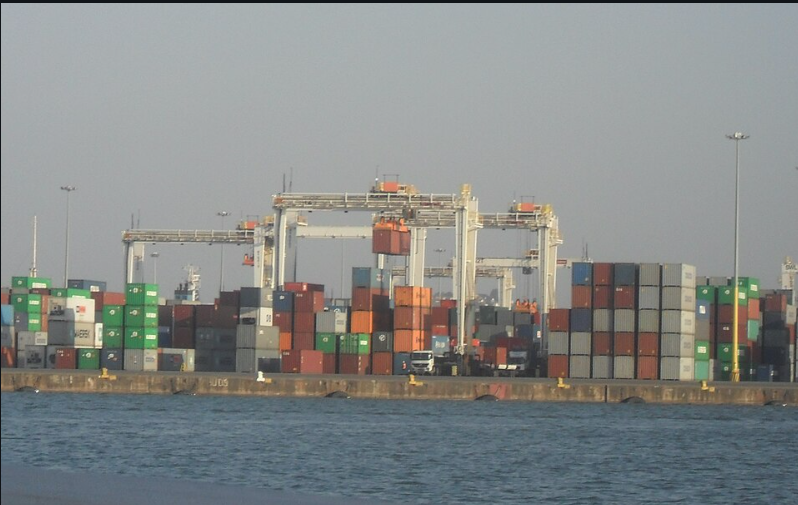
The temporary reduction in fuel levies could provide meaningful assistance to businesses with substantial transportation requirements.
Trucking companies, agricultural producers and logistics operators are among the sectors most directly exposed to changes in diesel prices.
For example, a business purchasing 1,000 litres of diesel during the first phase of the programme would face R3,000 less in fuel levy charges than it otherwise would, assuming the full reduction is reflected in the price paid.
For businesses operating large vehicle fleets, the potential savings could be more significant.
However, the relief will not remove all the pressure associated with expensive energy.
Companies must still manage changes in international fuel prices, exchange rates, maintenance expenses and other operating costs.
Retailers may benefit indirectly if lower transportation costs help suppliers limit price increases, but any effect on consumer prices will depend on how businesses respond.
The intervention therefore provides breathing room rather than a permanent solution to the country’s cost pressures.
Fiscal Discipline Remains a Priority
Alongside the fuel relief measures, South Africa’s government announced plans to strengthen its long-term fiscal framework.
The Treasury intends to introduce legislation in 2027 establishing a principles-based fiscal anchor designed to support responsible management of public finances.
Rather than imposing a single rigid numerical limit, the proposed framework would require future administrations to explain their fiscal objectives, strategies and assumptions.
The intention is to improve accountability while allowing governments some flexibility when responding to economic shocks.
The proposal reflects the challenge facing countries that must balance development needs with the responsibility to maintain investor confidence.
South Africa requires substantial investment in infrastructure and public services, but its ability to finance those priorities depends partly on controlling debt and maintaining access to affordable borrowing.
The success of the proposed fiscal framework will ultimately depend on implementation and whether it produces more predictable financial management over time.
THE ABE TAKE
South Africa’s R10 billion fuel relief programme demonstrates the difficult choices governments face when global energy shocks collide with domestic economic vulnerabilities.
The decision offers temporary assistance at a time when households and businesses are struggling with higher transportation and living costs. It also reflects the benefits of rebuilding fiscal capacity, allowing the government to respond to economic pressure without immediately abandoning its broader financial objectives.
However, the programme should not be mistaken for a solution to the underlying problem.
South Africa remains highly exposed to international petroleum markets, while weak economic growth and infrastructure constraints limit its ability to absorb external shocks.
For businesses, the immediate opportunity is to use temporary relief to manage operating costs and preserve financial flexibility. For policymakers, the larger responsibility is to reduce the structural weaknesses that make sudden increases in energy prices so damaging.
The government’s improved revenue position is encouraging, but sustainable growth will require continued investment in electricity, logistics, productive industries and effective public institutions.
South Africa’s challenge is therefore not simply to make fuel more affordable for the next two months. It is to build an economy capable of maintaining stability when global conditions become less favourable.
The fuel relief programme may provide immediate breathing room. Whether the country emerges stronger will depend on what happens after that relief expires.
ABE MAGAZINE
Understand More. Think Bigger.