








ABE MAGAZINE | GLOBAL BUSINESS & AUTOMOTIVE INDUSTRY
October 23, 2026
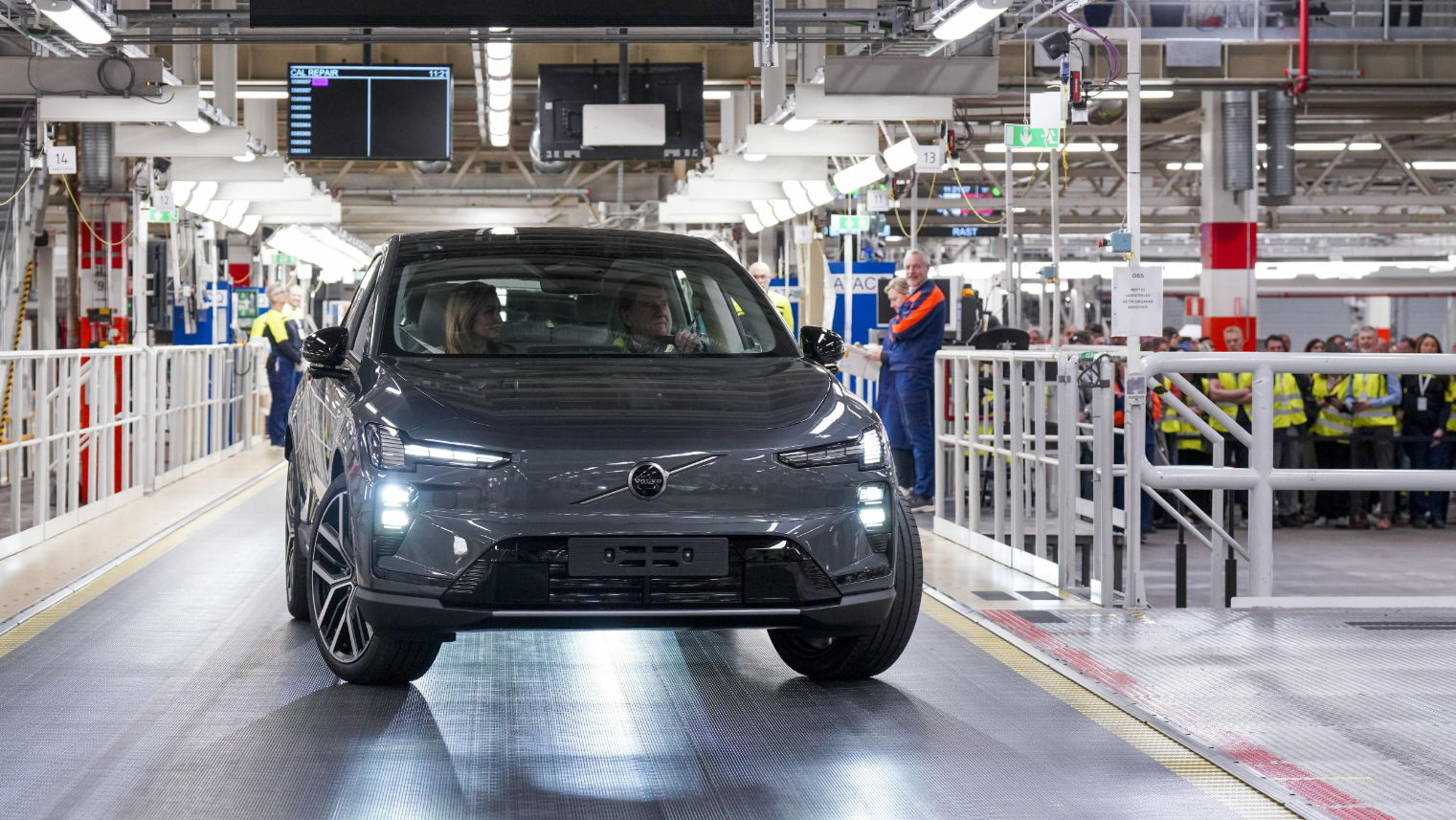
Swedish automaker Volvo Cars has announced plans to eliminate approximately 2,500 jobs worldwide after reporting a substantial third-quarter loss, exposing the growing financial pressures facing established automotive manufacturers. The company is struggling with fierce competition in China, tariffs in the United States and changing demand for electric vehicles. The announcement comes as Volvo intensifies its restructuring efforts in an attempt to reduce costs and restore profitability. Beyond the immediate impact on employees, the decision illustrates how quickly the global automotive industry is changing and why even established manufacturers are being forced to reconsider their business strategies.
Volvo Announces Another Major Round of Job Cuts
Volvo Cars announced on Friday that it would eliminate approximately 2,500 positions worldwide as part of a wider effort to strengthen its financial position following disappointing third-quarter results.
The restructuring will affect approximately 2,000 positions in Sweden, with another 500 positions expected to be eliminated elsewhere in the company’s international operations.
According to Volvo, the reductions will involve ending consultant contracts, allowing natural employee departures and offering targeted exit packages. The company has not indicated that all affected positions will result in compulsory layoffs.
The announcement comes after Volvo introduced an earlier restructuring programme in 2025 that included approximately 3,000 job reductions and an extensive cost-saving initiative.
Together, the two announcements demonstrate the scale of the adjustments being made as the automaker attempts to remain competitive in an increasingly difficult international market.
Volvo Cars, which is majority-owned by China’s Geely Holding, has traditionally positioned itself as a premium automotive manufacturer known for safety, design and technological development. However, its established reputation has not protected the company from the economic challenges affecting the wider industry.
For employees and communities connected to Volvo’s operations, the latest restructuring creates uncertainty about employment and the future direction of the business.
Financial Results Reveal the Scale of the Problem

Volvo’s third-quarter financial results provide a clearer explanation for the decision to reduce its workforce.
The company reported revenue of 66.9 billion Swedish kronor during the quarter, compared with 86.4 billion kronor during the same period in 2025. This represents a decline of approximately 22.6%.
Its reported operating result deteriorated to a loss of 5.6 billion kronor, compared with an operating profit of 6.4 billion kronor a year earlier.
Excluding joint ventures, associates and items affecting comparability, Volvo recorded an operating loss of 3.7 billion kronor, reversing an adjusted operating profit of 5.8 billion kronor in the corresponding quarter last year.
The decline highlights the pressure created when vehicle sales weaken while manufacturing, product development and other operating expenses remain substantial.
Volvo also reported negative free cash flow of 8.9 billion kronor, compared with negative 4.3 billion kronor in the previous year.
Cash flow is particularly important for automotive manufacturers because they must continuously invest in factories, technology, new vehicles and distribution networks.
When sales and profitability decline simultaneously, companies can face difficult decisions about investment priorities and operating costs.
For Volvo, the latest figures indicate that its existing restructuring efforts have not been sufficient to offset the deterioration in market conditions.
Chinese Competition Challenges Established Manufacturers
One of Volvo’s most significant difficulties is the increasingly competitive Chinese automotive market.
The company reported that its revenue in China fell by almost 50% compared with the third quarter of 2025.
Chinese manufacturers have expanded rapidly in recent years, offering vehicles with competitive prices, modern technology and increasingly sophisticated electric powertrains.
This has placed pressure on international automotive brands that previously benefited from strong consumer recognition and premium market positioning.
For Volvo, the challenge is especially significant because its Chinese ownership and commercial relationships do not guarantee an advantage over domestic competitors.
Chinese consumers have access to a growing number of alternatives, while intense price competition makes it difficult for manufacturers to protect profit margins.
Volvo must therefore compete not only through its reputation but also through vehicle technology, production efficiency, pricing and customer experience.
The company’s difficulties reflect a broader challenge facing traditional automakers: markets that once offered opportunities for rapid expansion are becoming more demanding and less predictable.
American Tariffs Add to the Pressure
The United States has also become a difficult market for Volvo.
The company identified tariffs and changes to consumer incentives for electric vehicles as important factors affecting its financial performance.
Tariffs can increase the cost of importing vehicles and components, forcing manufacturers to decide whether to absorb the additional expense or pass it on to consumers through higher prices.
Neither option is particularly attractive when competition is already intense and demand is uncertain.
The removal of certain American incentives for electric and plug-in hybrid vehicles has created another obstacle by reducing financial support previously available to qualifying buyers.
These developments complicate the economics of selling electrified vehicles in one of the world’s largest automotive markets.
Volvo has responded by placing greater emphasis on localized production and developing vehicle portfolios suited to different regional markets.
However, reorganizing production networks requires time, investment and careful coordination with suppliers.
The difficulties facing Volvo demonstrate how trade policy and domestic economic decisions can have consequences for manufacturers operating across several continents.
Electric Vehicles Remain Central to Volvo’s Future
Despite the financial challenges, Volvo continues to invest in electrified vehicles and related technologies.
Fully electric vehicles accounted for 32% of its third-quarter sales, compared with 22% during the same period last year.
When plug-in hybrid vehicles are included, electrified models represented 53% of total sales, up from 46%.
These figures indicate that electrification remains an important part of Volvo’s business, even as the company faces weaker overall sales and intense competition.
The distinction matters because rising electric-vehicle sales proportions do not necessarily translate into stronger financial performance.
Manufacturers must still manage development expenses, battery costs, manufacturing efficiency and pricing pressure.
Volvo previously adjusted its ambition to become an exclusively electric car manufacturer by 2030, recognizing that market conditions and consumer demand were developing differently across regions.
Its current strategy includes a broader vehicle portfolio intended to meet different customer requirements.
The company plans to introduce 13 new vehicles between now and the end of 2030, supported by greater cooperation with Geely on technology and components.
The challenge will be turning those investments into products that customers want at prices that allow the company to operate profitably.
A New Cost-Cutting Programme Takes Shape
In response to the latest results, Volvo announced plans to reduce an additional 5 billion Swedish kronor in indirect spending and variable costs.
The savings are expected to be fully realized by the end of 2027 and will supplement the company’s earlier restructuring measures.
Volvo intends to reduce corporate overhead, simplify operations and strengthen regional responsibility for commercial decisions.
The company is also reviewing its manufacturing structure, with plans to concentrate production around five dedicated Volvo facilities worldwide.
At its plants in Chengdu, China, and Ghent, Belgium, Volvo is exploring opportunities for multi-brand production alongside other Geely businesses.
Closer cooperation could help reduce manufacturing costs by allowing companies within the group to share components, suppliers and production capabilities.
However, cost reductions alone cannot guarantee a return to profitability.
Volvo must also improve sales performance, strengthen margins and develop vehicles that remain attractive in highly competitive markets.
The restructuring therefore represents an attempt to address immediate financial pressures while preparing the company for longer-term changes in the automotive industry.
What the Crisis Means for Europe’s Automotive Industry
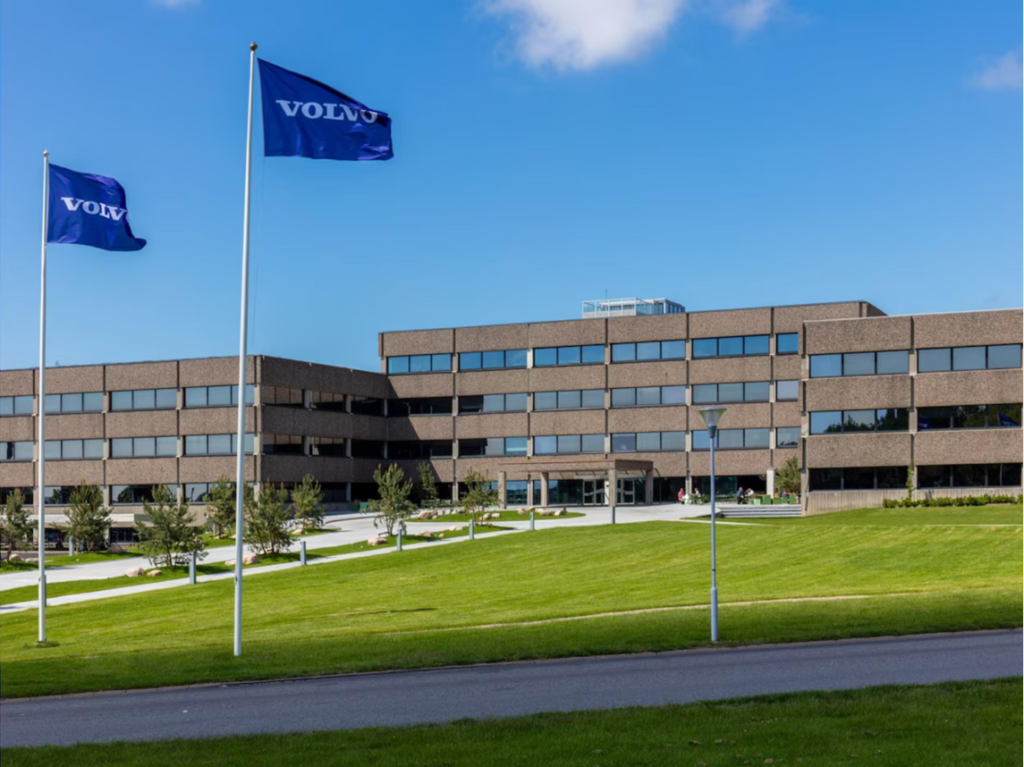
Volvo’s difficulties extend beyond the financial position of one manufacturer.
The automotive industry supports extensive networks of component suppliers, engineering businesses, transportation companies, dealerships and specialized service providers.
When a major manufacturer reduces costs or reorganizes production, the consequences can extend throughout these networks.
European automakers are facing pressure from international competition, changing trade policies, substantial technology investments and uneven demand for electric vehicles.
At the same time, manufacturers must continue funding research, improving production efficiency and meeting regulatory requirements.
This creates a difficult environment in which companies are expected to invest in future technologies while maintaining profitability in their existing operations.
For workers, restructuring announcements raise concerns about employment stability and the skills required in a changing industry.
For investors, they highlight the importance of examining cash flow, operating margins and long-term competitiveness rather than relying solely on brand recognition.
Volvo’s announcement is therefore another indication that the global automotive industry is undergoing a significant period of adjustment.
THE ABE TAKE
Volvo Cars’ decision to eliminate 2,500 positions reflects a deeper challenge confronting traditional automotive manufacturers: maintaining profitability while the economics of vehicle production and international competition are changing rapidly.
The company’s difficulties are not simply the result of weaker electric-vehicle demand. They also involve intense competition in China, trade barriers in the United States, high development costs and pressure on operating margins.
What makes the situation particularly significant is that Volvo already introduced substantial restructuring measures in 2025. The announcement of further reductions suggests that the business environment has deteriorated more quickly than earlier plans anticipated.
However, reducing expenses is only one part of restoring financial stability. A successful turnaround will also require vehicles that can compete effectively, manufacturing operations that control costs and a strategy suited to different regional markets.
The growing strength of Chinese automakers has fundamentally changed the competitive environment. Established brands can no longer assume that their reputation alone will justify higher prices or secure customer loyalty.
For European manufacturers, this presents an important strategic question: how can they preserve their technological capabilities and industrial employment while competing against companies with increasingly efficient production systems?
Volvo’s experience also demonstrates that electrification and profitability are not necessarily the same thing. Selling a greater proportion of electric vehicles can support a company’s long-term strategy, but financial success still depends on production costs, demand and sustainable margins.
The coming years will reveal whether Volvo can translate its restructuring into a stronger business. Its latest results offer a broader lesson for the automotive industry: adapting to technological change is essential, but remaining financially competitive during that transition is equally important.
ABE MAGAZINE
Understand More. Think Bigger.