








Week in Business: Oil Surges, Technology Stocks Retreat and Global Companies Face New Pressures
ABE MAGAZINE | WEEK IN BUSINESS
October 23, 2026
The global business environment became increasingly unsettled this week as rising energy prices, renewed pressure on technology shares and disappointing corporate results challenged investor confidence. From the United States and Europe to China and Canada, companies confronted a familiar dilemma: how to maintain growth while financing costs, geopolitical tensions and consumer uncertainty complicate their plans. ABE Magazine examines the developments that defined the week and what they reveal about the direction of the global economy.
Oil Prices Return to the Centre of Global Economic Concerns
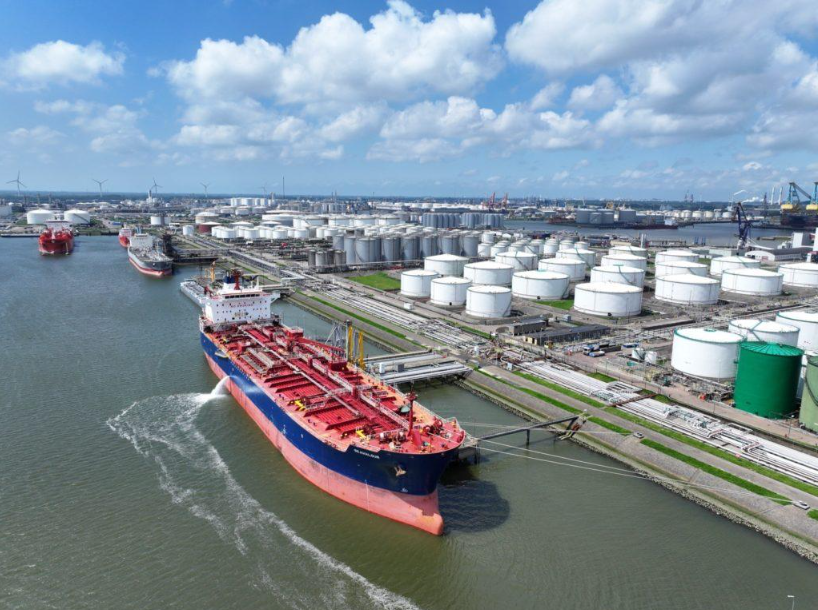
Energy markets delivered one of the week’s most significant developments as Brent crude climbed above $114 a barrel on Friday, reaching a five-month high. Renewed concerns about Middle Eastern conflict and potential disruptions to energy supplies intensified investor anxiety, even as crude shipments from the Gulf remained relatively resilient. The increase placed additional pressure on businesses already struggling with transportation, production and financing expenses.
The consequences extend well beyond oil producers. Airlines, logistics operators, manufacturers and agricultural businesses are particularly exposed to higher fuel costs, while consumers may eventually encounter the effects through more expensive goods and services. For energy-importing economies, especially those with limited fiscal flexibility, sustained price increases could complicate inflation management and economic recovery. The week’s developments demonstrated how geopolitical uncertainty can rapidly influence commercial decisions across otherwise unrelated industries.
Wall Street’s Technology Retreat Raises Questions About Investment Expectations
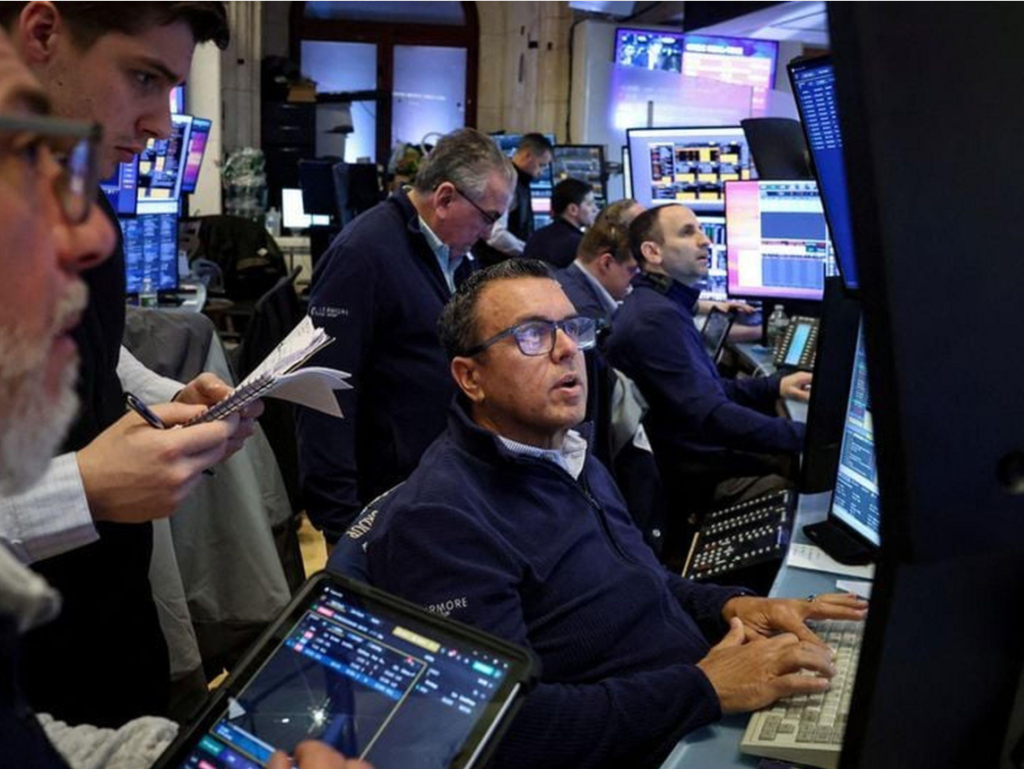
American technology stocks experienced a difficult week as investors reassessed the enormous spending commitments associated with artificial intelligence infrastructure. On Thursday, the Nasdaq Composite fell 2.6%, while the S&P 500 declined 1.2%, marking its worst daily performance since July. The selloff reflected growing concerns about whether technology companies can generate returns sufficient to justify their expanding investments.
Although the broader American market showed greater resilience than technology shares, the episode revealed an important shift in investor expectations. Companies that previously benefited from enthusiasm surrounding future growth are facing closer examination of profitability, cash flow and capital requirements. The market’s reaction suggests that ambitious investment plans alone may no longer be enough to sustain valuations. Investors increasingly want evidence that large expenditures will translate into durable commercial results.
Europe’s Businesses Face a Difficult Combination of Costs and Political Uncertainty
Across Europe, economic conditions remained fragile. Preliminary purchasing managers’ surveys indicated that eurozone private-sector growth slowed to a four-month low in October, while French business activity contracted amid political and financial pressures. German business growth also softened, reinforcing concerns about the region’s ability to sustain a convincing recovery.
The challenge is not simply weak demand. Rising energy costs, expensive borrowing and political uncertainty are making investment decisions more complicated for companies across the continent. Higher financing expenses can discourage expansion, while unpredictable operating costs make long-term planning difficult. For European manufacturers and exporters, these pressures arrive alongside increasingly intense international competition. The coming decisions of the European Central Bank will therefore be closely watched by companies seeking greater clarity about interest rates and the economic outlook.
Corporate Earnings Expose Weaknesses in Luxury and Automotive Markets
European corporate results offered further evidence that business conditions are becoming more demanding. Shares in Kering, the French luxury group behind Gucci, fell sharply on Friday following disappointing results, highlighting the difficulties facing high-end consumer brands. Even established luxury companies are confronting questions about consumer demand, pricing strategies and the effectiveness of their turnaround efforts.
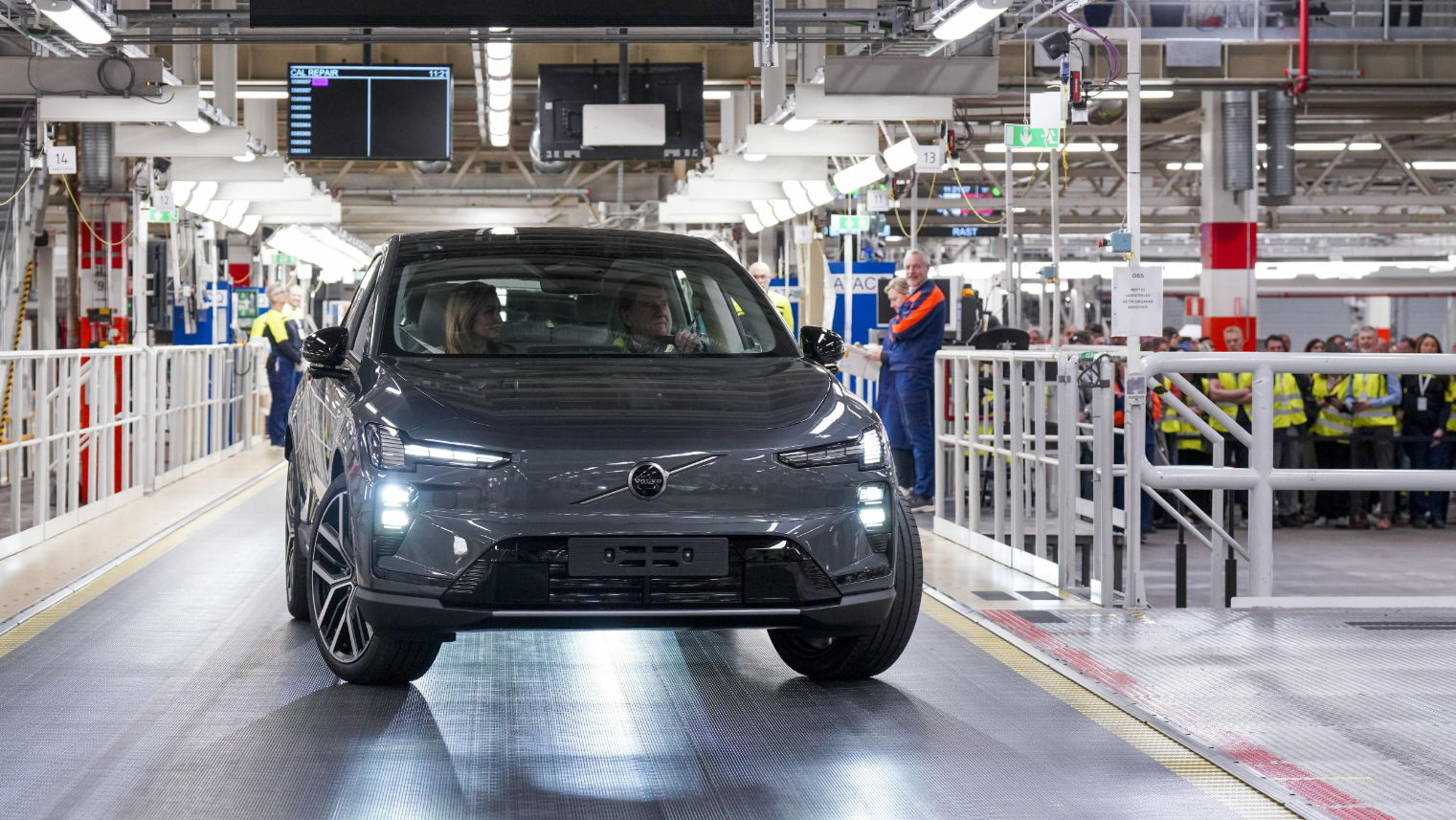
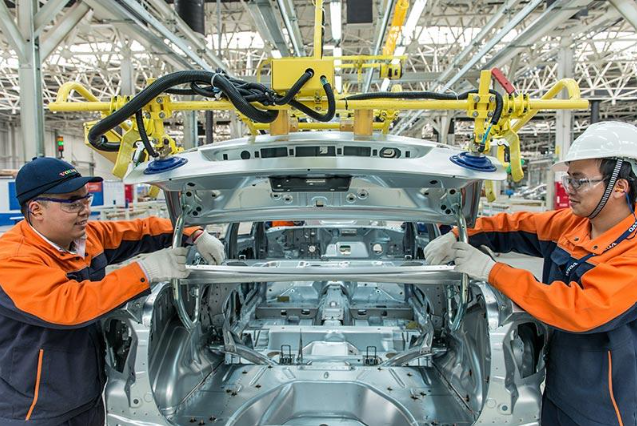
The automotive industry faced similar pressures. Volvo Cars announced plans to eliminate another 2,500 jobs after reporting a substantial quarterly loss, demonstrating the challenges confronting manufacturers as they manage costs and changing market conditions. These developments illustrate a broader pattern: brand recognition and international scale do not automatically protect companies from weakening demand or operational difficulties. Management teams are being forced to make difficult decisions about staffing, investment and the pace of restructuring.
China’s Economic Challenges Extend Beyond Its Borders
China remained an important source of concern for global investors. Its CSI 300 stock index entered bear-market territory during the week, falling more than 20% from its June peak, while persistent weakness in domestic consumption and concerns about debt continued to weigh on confidence. The country also faces pressure to maintain investment and export competitiveness in a challenging international environment.
These developments matter because China’s economy remains deeply connected to global manufacturing, commodities and international trade. Slower Chinese demand can affect businesses supplying industrial materials, consumer products and manufacturing equipment. At the same time, Chinese companies seeking opportunities abroad can intensify competition in markets already facing domestic economic pressures. For businesses across Africa, Europe and the Americas, China’s economic direction remains a significant factor in commercial planning.
The United States Shows Strength, but Inflation Risks Remain
Despite financial-market volatility, the American economy continued to demonstrate underlying resilience. S&P Global’s preliminary composite purchasing managers’ index registered 57.6 in October, down from 58.4 in September but still comfortably above the level indicating expansion. Manufacturing activity strengthened, while services growth moderated.
However, strong demand has also allowed businesses to raise prices, creating fresh concerns about persistent inflation. Supply-chain difficulties and rising energy costs could further complicate the outlook. This presents a difficult balancing act for monetary policymakers: keeping inflation under control without unnecessarily weakening economic activity. For businesses, the implications include continued uncertainty around borrowing costs, consumer spending and the affordability of future expansion.
THE ABE TAKE: Growth Is Becoming More Expensive and More Difficult to Sustain
The defining lesson of this week is that economic growth cannot be evaluated independently of the conditions required to sustain it. Higher oil prices affect production and distribution, elevated borrowing costs influence investment, and changing consumer behaviour can weaken even globally recognised companies. Meanwhile, investors are becoming more selective about the promises they are willing to finance.
For entrepreneurs and business leaders, the developments reinforce the importance of financial discipline, operational flexibility and realistic growth strategies. A company may operate in an expanding industry and still struggle if its costs rise faster than its revenue. Similarly, an established corporation may command a powerful brand but face difficult restructuring decisions when market conditions change.
The global economy is not moving uniformly toward either expansion or contraction. Instead, businesses are experiencing increasingly different outcomes depending on their sectors, financial strength and exposure to international risks. Understanding those differences will be essential in the months ahead.
ABE MAGAZINE
Understand More. Think Bigger.