








ABE MAGAZINE | NEWS O’CLOCK — ENERGY & GLOBAL MARKETS
Wednesday, October 28, 2026
Global oil prices declined on Tuesday as renewed diplomatic efforts in the Middle East encouraged hopes that months of conflict and uncertainty could begin to ease. Yet the retreat in crude prices offered little assurance that the international energy market was approaching stability. Continued attacks on Saudi Arabian energy infrastructure, disruptions to shipping routes and uncertainty surrounding the conflict involving Iran have left investors weighing the possibility of a diplomatic breakthrough against the threat of further supply interruptions. For businesses, governments and consumers, the latest movements in oil prices highlight how closely global economic conditions remain connected to political developments in one of the world’s most important energy-producing regions.
Oil Markets Respond to Renewed Diplomatic Efforts
International oil prices fell on October 27 as traders responded to diplomatic discussions involving Iran and several regional governments. Brent crude, the international oil benchmark, settled at $113.88 per barrel, a decline of $1.93, or 1.67%. West Texas Intermediate, the principal United States benchmark, fell $1.86, or 1.83%, to settle at $99.90 per barrel.
The decline followed a period of substantial volatility in global energy markets. Brent crude had climbed above $117 per barrel during the previous week, reaching its highest level since April as attacks on oil tankers and concerns about Middle Eastern shipping intensified.
According to Reuters, Iranian officials held discussions with representatives of Saudi Arabia, Turkey and Pakistan as part of efforts to reduce regional tensions. Iranian state media reported that the participating countries had agreed to continue discussions aimed at strengthening cooperation on peace and security.
The diplomatic activity encouraged some traders to reduce expectations of an immediate deterioration in regional oil supplies. However, the negotiations did not establish a ceasefire or guarantee that disrupted energy infrastructure and shipping operations would return to normal.
The distinction is important. Oil prices respond not only to the amount of crude currently available but also to expectations about future supply. Even limited signs of diplomatic progress can reduce prices when investors believe the probability of further disruption has declined.
Nevertheless, the relatively modest retreat in oil prices demonstrates that the market continues to attach considerable importance to unresolved security risks. Reuters+1
Saudi Arabia Remains at the Centre of Supply Concerns
While diplomatic discussions offered some encouragement, developments in Saudi Arabia continued to complicate the outlook.
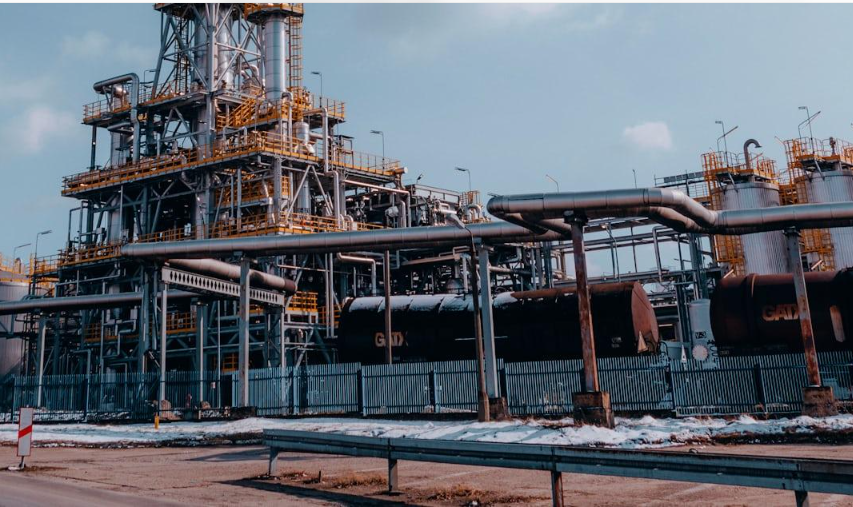
Yemen’s Iran-aligned Houthi movement claimed on Tuesday that it had struck Saudi Arabia’s Ras Tanura oil refinery with a ballistic missile. The refinery is among the country’s most important oil-processing facilities, and the claim renewed concerns about the vulnerability of energy infrastructure.
The reported attack followed other security incidents affecting Saudi Arabia and shipping routes around the Arabian Peninsula. These developments have created uncertainty for energy producers, shipping companies and international buyers dependent on reliable supplies from the region.
Saudi Arabia occupies a central position in international oil markets because of its substantial production and export capacity. Disruptions affecting its refineries, pipelines or export infrastructure can therefore influence expectations well beyond the Middle East.
The consequences extend to countries that do not purchase Saudi crude directly. Oil is traded in interconnected international markets, meaning significant changes in global supply expectations can affect benchmark prices and the cost of energy across multiple regions.
The Houthi claim regarding Ras Tanura should not be confused with independent confirmation of the extent of any damage or operational interruption. The broader market concern is that repeated attacks, whether successful or intercepted, increase uncertainty about the security of critical infrastructure. Reuters
The Strait of Hormuz Remains a Critical Vulnerability
One of the most significant sources of uncertainty is the Strait of Hormuz, the narrow maritime passage connecting the Persian Gulf to international shipping routes.
Before the conflict escalated in February 2026, approximately one-fifth of global energy supplies moved through the waterway, according to Reuters. Its strategic importance makes the strait particularly sensitive to military activity, shipping disruptions and diplomatic tensions.
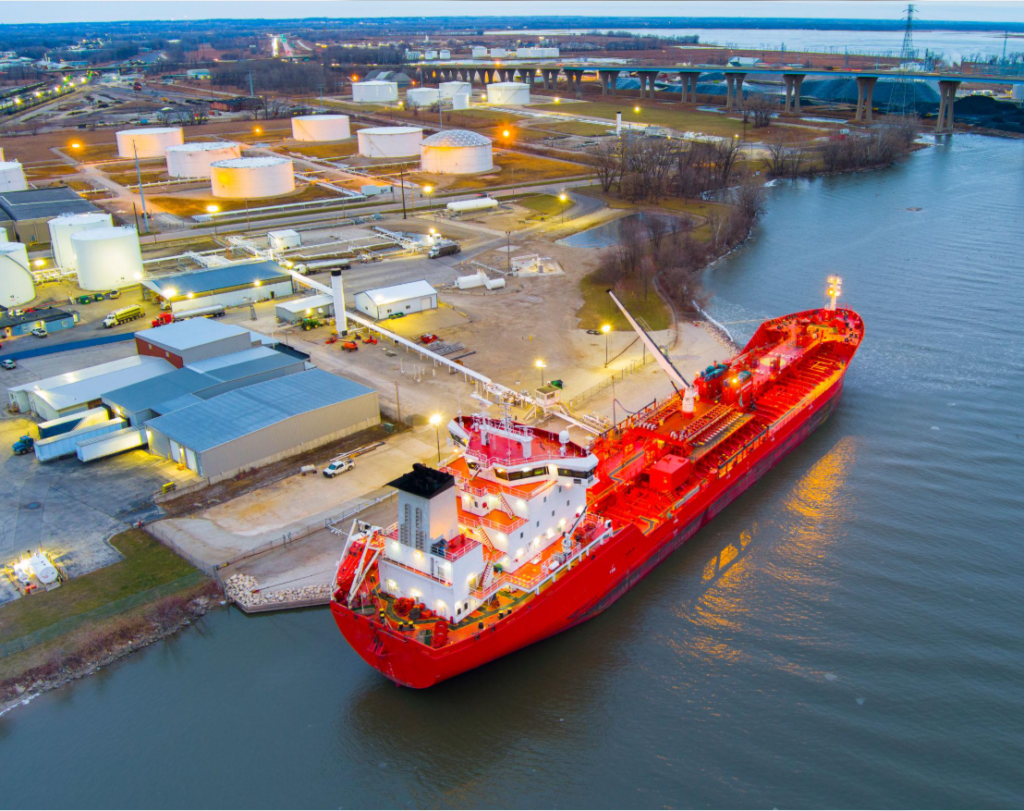
Although tanker traffic has shown signs of recovery, security concerns remain substantial. Reuters reported that October had become the worst month for attacks on commercial shipping in the Strait of Hormuz and nearby waterways in the historical incident records tracked by the Washington Institute for Near East Policy since 2017.
The effects of maritime insecurity can extend beyond immediate interruptions to oil shipments. Shipping companies may face higher insurance premiums, additional security expenses and changes to established transport routes. These costs can eventually influence the prices paid by refineries, distributors and consumers.
Even when crude oil continues to move through the region, the possibility of further attacks can sustain a premium in international prices.
This helps explain why oil prices have remained elevated despite evidence that some Middle Eastern export flows have recovered. The market is not simply responding to current production levels; it is also pricing the risk that future supplies could become more difficult or expensive to transport. live+1
Why Diplomacy Does Not Immediately Mean Cheaper Energy
Diplomatic progress can influence oil prices quickly, but the economic benefits of reduced tensions may take longer to reach businesses and households.
International crude benchmarks represent only one component of the final cost of energy. Refining expenses, transportation, taxes, currency movements and local market conditions all influence the prices consumers ultimately pay.
Consequently, a decline in crude oil futures does not automatically translate into an equivalent reduction in petrol, diesel or other fuel prices.
Businesses are also affected differently. Airlines and logistics companies may benefit from lower fuel costs, while oil producers and energy exporters can experience reduced revenues when prices decline. Manufacturing companies may welcome cheaper transportation and production inputs, but their actual savings depend on contracts, inventories and how quickly suppliers adjust prices.
The timing of these changes matters. Companies that purchased fuel at higher prices or entered fixed-price supply agreements may not experience immediate relief.
For central banks, energy prices are particularly important because they can influence inflation expectations. Sustained increases in fuel and transportation costs may contribute to broader price pressures, complicating efforts to maintain stable inflation.
A durable decline in energy prices could therefore support economic stability. However, a temporary market retreat driven by diplomatic optimism is not equivalent to a lasting improvement in the security and availability of global energy supplies.
Investors Remain Cautious About the Outlook
The international oil market continues to reflect a significant degree of uncertainty about how the Middle East conflict will develop.
UBS revised its year-end Brent crude forecast upward to approximately $110 per barrel, compared with an earlier projection of $100. The bank cited continuing geopolitical uncertainty and supply risks.
Such forecasts are not guarantees of future prices. They illustrate how financial institutions are incorporating security developments and potential disruptions into their assessments of the energy market.
Several possible outcomes remain relevant. Continued diplomatic engagement could reduce the risk of further escalation and support a gradual normalization of shipping activity. Conversely, renewed attacks on energy facilities or commercial vessels could place additional upward pressure on crude prices.
Political developments outside the immediate negotiations may also affect market expectations, including the direction of United States policy and developments in Israel.
The difficulty for investors is that geopolitical events can change the outlook more rapidly than conventional economic indicators. Production forecasts, inventory data and demand projections remain essential, but they may offer limited protection against sudden disruptions caused by conflict.
For that reason, the decline in oil prices on October 27 should be understood as a response to changing expectations rather than evidence that the underlying energy crisis has been resolved. Reuters+1
The Economic Consequences Extend Beyond the Middle East
Oil remains a fundamental input in international transportation, industrial production and trade. Changes in its price can therefore affect economies with very different levels of dependence on energy imports and exports.
For major importing economies in Asia and Europe, sustained high oil prices can increase production expenses and place pressure on trade balances. Manufacturers, shipping companies and consumers may all face higher costs.
In Canada, the consequences are more complex. The country is a major energy producer and exporter, meaning higher oil prices can support revenues in parts of the energy sector. At the same time, Canadian households and businesses remain exposed to changes in fuel and transportation costs.
For energy-importing developing economies, prolonged high prices can be particularly challenging. Governments may face pressure to increase fuel subsidies or provide assistance to households, while businesses operating with limited financial reserves may struggle to absorb additional expenses.
These differences demonstrate why oil prices cannot be viewed exclusively through the perspective of producers or consumers. What benefits one part of the global economy can create difficulties elsewhere.
The wider economic concern is uncertainty. Businesses making long-term investment decisions require reasonably predictable operating conditions. When energy prices move sharply in response to geopolitical developments, planning becomes more difficult, particularly for industries with substantial transportation and energy requirements.
THE ABE TAKE: The Real Test Is Energy Security, Not a Single Day’s Price Decline
The decline in oil prices on October 27 illustrates an important feature of international markets: investors can become more optimistic about the future without the underlying risks having disappeared.
Diplomatic engagement is an encouraging development because sustained negotiations can reduce the probability of further conflict and disruption. However, a lasting improvement in global energy conditions requires more than reassuring statements or temporary reductions in crude prices.
It requires secure shipping routes, reliable infrastructure, consistent production and sufficient confidence for businesses to plan beyond the immediate crisis.
The present situation also exposes a structural weakness in the international economy. Despite growing investment in renewable energy and alternative technologies, global trade and industrial activity remain deeply connected to oil supplies concentrated in geopolitically sensitive regions.
This dependence creates a recurring vulnerability. A conflict affecting a relatively small geographic area can influence transportation costs, inflation expectations and investment decisions across the world.
For governments, the lesson is the importance of diversifying energy sources, improving infrastructure resilience and maintaining credible contingency plans. For businesses, it reinforces the value of understanding supply-chain exposure and preparing for unexpected changes in operating costs.
There is also a broader distinction between market confidence and economic stability. Oil prices may decline because traders anticipate an improvement, but that expectation can reverse quickly if political negotiations fail or security conditions deteriorate.
The coming months will therefore test whether diplomatic initiatives can deliver measurable improvements in regional security and energy transportation.
For now, the international oil market is sending a mixed message. Investors see a possibility of progress, but they are not yet prepared to price in lasting peace.
The real measure of success will not be how far oil prices fall on any particular trading day. It will be whether the world can move from managing recurring supply disruptions toward a more dependable and resilient international energy system.
ABE MAGAZINE
Understand More. Think Bigger.