








ABE MAGAZINE | BUSINESS & FINANCE
October 26, 2026
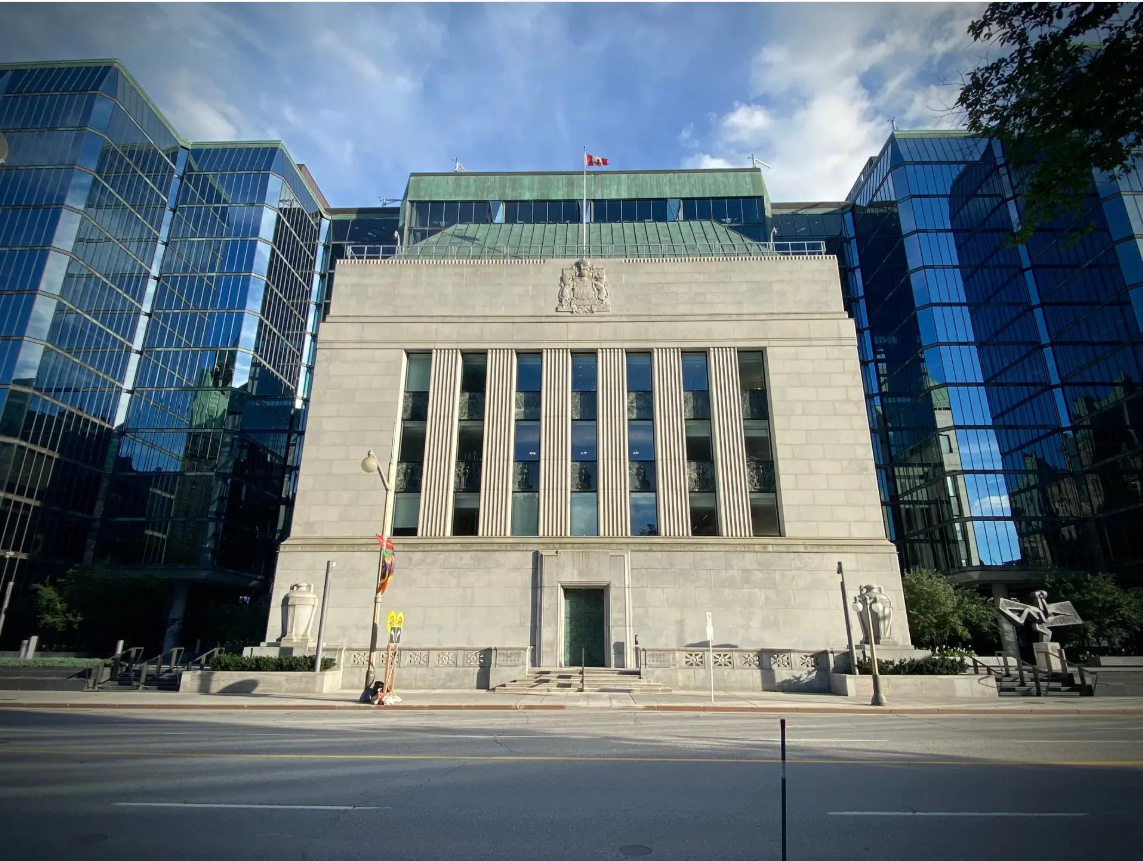
Canada is approaching a consequential moment in monetary policy as the Bank of Canada prepares to announce its latest interest-rate decision. Rising energy prices have renewed concerns about inflation at a time when the economy is already showing signs of weakness. For households managing mortgages and everyday expenses, and businesses confronting uncertain operating costs, the decision could have implications extending well beyond financial markets. The central bank now faces a difficult question: should it raise borrowing costs to contain inflation, even if doing so risks placing additional pressure on economic growth?
A Critical Decision Approaches in Ottawa
The Bank of Canada is scheduled to announce its next interest-rate decision on Wednesday, October 28, with financial markets and economists increasingly anticipating a 25-basis-point increase. Such a move would represent the first change in the central bank’s policy rate in approximately a year and its first increase since July 2023. The expectations reflect growing concern that higher energy prices could spread through the Canadian economy, making inflation more difficult to control.
The decision has not yet been made, and the outcome remains uncertain. Policymakers must evaluate whether recent energy-price increases represent a temporary disruption or the beginning of broader and more persistent inflationary pressure. Raising rates could help contain demand and inflation expectations, but it would also make borrowing more expensive for households and businesses already navigating a challenging economic environment.
For Canada, the dilemma is particularly significant because the economy is sensitive to interest-rate changes. Mortgage borrowing, consumer credit, commercial financing and business investment can all be affected when the central bank adjusts its policy rate. The consequences may therefore extend from financial institutions and property markets to small businesses and everyday consumer spending.
Why Rising Oil Prices Matter to Canadian Inflation
Energy prices influence far more than the cost of filling a vehicle. Fuel is an important expense for transportation companies, agricultural producers, manufacturers and businesses that depend on moving goods between cities and across international borders. When those costs increase, companies must decide whether to absorb the additional expense or pass some of it on to customers.
For a delivery business, higher fuel prices can reduce the profit earned from each shipment. A food distributor may face more expensive transportation and refrigeration, while a manufacturer could encounter rising costs for materials and energy-intensive production. These pressures can eventually influence retail prices, particularly when businesses have limited capacity to reduce other expenses.
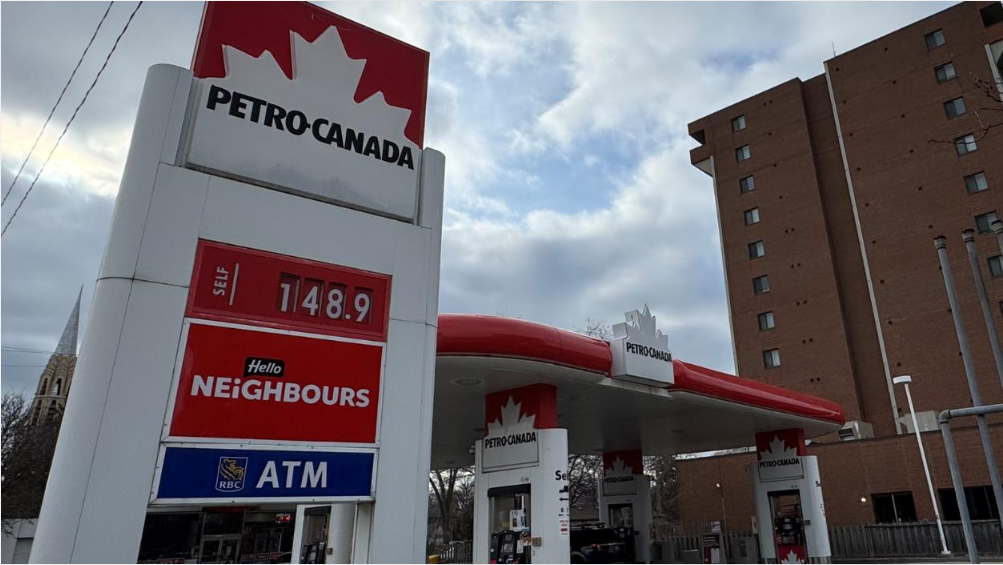
Canada is both a major energy producer and a consumer of petroleum products, which creates a complicated economic relationship with higher oil prices. Some energy-producing businesses and regions may benefit from stronger commodity prices, while households and fuel-dependent industries experience greater financial pressure. The overall effect depends on how these gains and costs are distributed throughout the economy.
The Bank of Canada’s concern is not necessarily that every increase in fuel prices requires an interest-rate response. Rather, policymakers must consider whether higher energy costs could influence wages, business pricing decisions and expectations about future inflation. If those effects become widespread, bringing inflation back under control may become more difficult.
The Risks of Raising Rates in a Weakening Economy
Higher interest rates are intended to moderate economic demand by making borrowing and spending more expensive. When financing costs rise, consumers may postpone major purchases, businesses may reconsider expansion plans and investors may become more cautious about committing capital. These changes can reduce inflationary pressure, but they can also weaken economic activity.
For Canadian households, the implications are particularly important in the housing market. Borrowers with variable-rate loans may experience changes in interest costs, while homeowners approaching mortgage renewal could face difficult financial decisions depending on their existing terms and prevailing market rates. Higher borrowing costs can also influence demand for homes and other expensive purchases.
Businesses face similar pressures. A restaurant considering a second location, a manufacturer planning to purchase equipment or a startup seeking financing must evaluate whether expected future earnings justify the additional cost of borrowing. Even relatively modest interest-rate changes can influence decisions when profit margins are narrow or economic confidence is already fragile.
This creates a difficult balance for policymakers. Acting too aggressively against inflation could weaken employment and investment, while delaying necessary action could allow price pressures to become more persistent. Neither outcome is without consequences, and the central bank must make its decision using economic information that is often incomplete or subject to revision.
What the Decision Could Mean for Small Businesses
Small and medium-sized businesses may be especially sensitive to the combination of higher energy costs and expensive financing. Unlike large corporations with substantial financial reserves and diversified revenue sources, smaller companies often have less flexibility to absorb unexpected increases in operating expenses.
Consider a local logistics operator managing a fleet of delivery vehicles. Rising fuel costs increase the expense of completing each route, while higher interest rates could make financing additional vehicles more expensive. If customers are unwilling to accept higher delivery fees, the business may have to reduce costs, improve route efficiency or postpone expansion.

Retailers and service providers encounter different versions of the same problem. Customers facing higher household expenses may become more selective about discretionary purchases, while business owners continue paying for inventory, wages, rent and utilities. A company can therefore experience rising costs at precisely the moment its customers become more cautious about spending.
For entrepreneurs, this environment reinforces the importance of managing cash flow, reviewing financing obligations and understanding which operating expenses are most vulnerable to external changes. Growth opportunities may still exist, but financial decisions require greater attention to risk and the possibility that economic conditions could deteriorate.
Canada Is Not Facing These Pressures Alone
Canada’s monetary-policy debate is unfolding during an unusually important week for central banks around the world. The United States Federal Reserve is also expected to announce a decision on Wednesday, followed by the European Central Bank on Thursday and the Bank of Japan on Friday.
Although these institutions operate in different economic environments, they face related challenges involving inflation, financial stability and economic growth. Their decisions can influence exchange rates, international investment and the relative attractiveness of different financial markets.
For Canada, developments in the United States are especially important because of the close commercial relationship between the two countries. Differences in interest rates can affect currency markets and financing conditions, while changes in American consumer demand may influence Canadian exporters.
The broader significance is that monetary policy cannot be understood entirely within national borders. Energy markets, international trade and global financial conditions can transmit economic pressures from one country to another, requiring policymakers to consider both domestic developments and external risks.
THE ABE TAKE: Controlling Inflation Without Undermining Growth
The Bank of Canada’s approaching decision illustrates one of the most difficult responsibilities of economic policymaking: responding to rising prices without unnecessarily weakening the economy that households and businesses depend upon.
Higher interest rates may help prevent temporary energy-price increases from developing into broader inflation, but they cannot directly produce more oil or resolve international supply disruptions. Their influence operates primarily through borrowing costs, demand and financial expectations. This makes the timing and scale of any adjustment particularly important.
For businesses, the lesson is that economic resilience requires preparation rather than certainty. Entrepreneurs cannot control central-bank decisions or international energy prices, but they can evaluate their exposure to borrowing costs, protect cash flow and avoid expansion strategies that depend on permanently favourable financial conditions.
For households, the same principle applies through responsible borrowing, realistic budgeting and an understanding of how interest-rate changes may affect financial commitments.
Wednesday’s decision will provide an important indication of how the Bank of Canada interprets the risks ahead. Whatever the outcome, the central challenge will remain: maintaining confidence in price stability while preserving the conditions necessary for sustainable economic growth.
ABE MAGAZINE
Understand More. Think Bigger.