







ABE MAGAZINE | BUSINESS
October 25, 2026
The global automotive industry is undergoing a significant transformation as manufacturers reconsider where they build vehicles, how they manage international supply chains and which markets offer the strongest opportunities for future growth. A newly announced plan for a multibillion-dollar Audi factory in the United States illustrates how manufacturing investment is becoming increasingly connected to economic policy, competition and national industrial priorities. Beyond the headline investment figure lies a larger question: what does it take for a country to attract and sustain major industrial projects?
A Major Manufacturing Announcement in Georgia
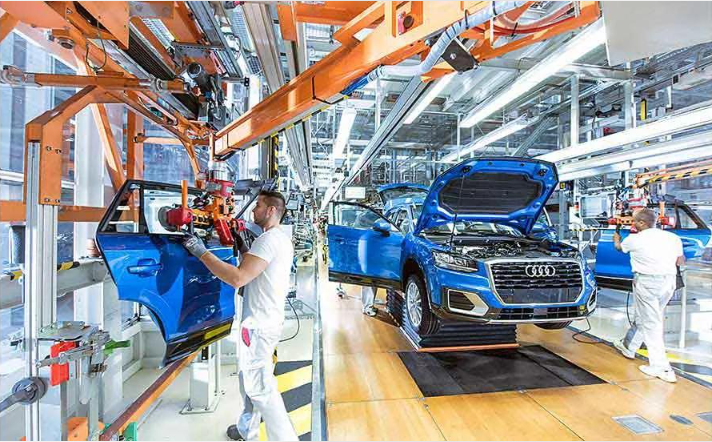
United States President Donald Trump announced on Saturday that German automaker Audi plans to establish a $4 billion vehicle assembly facility in Georgia. According to Reuters, the proposed factory would have the capacity to manufacture approximately 200,000 sport utility vehicles annually, representing a substantial potential addition to the American automotive manufacturing industry.
The announcement places Georgia at the centre of another significant industrial investment discussion. The state has become an important destination for automotive manufacturing, supported by transportation infrastructure, access to major markets and an established network of industrial suppliers. A project of the proposed scale could create opportunities extending beyond the assembly plant itself, including demand for logistics services, manufacturing equipment, construction and specialized technical workers.
However, a public announcement is not the same as a completed investment. The ultimate economic impact will depend on the project’s implementation, construction schedule, employment commitments and the extent to which local businesses participate in the supply chain. Those details will be important in determining how the proposed factory translates into long-term commercial activity.
Why Automotive Manufacturers Are Reconsidering Production Locations
Automotive manufacturing has always involved decisions about geography, but those decisions have become increasingly complicated. Carmakers must evaluate labour costs, transportation networks, energy availability, supplier relationships, government policies and access to customers. Changes in trade regulations can also influence whether it makes greater commercial sense to import finished vehicles or manufacture them closer to the intended market.
Producing vehicles within the United States could allow an international manufacturer to reduce certain cross-border transportation requirements and manage some trade-related risks. It may also create opportunities to develop closer relationships with American suppliers and respond more directly to domestic consumer demand.
Yet local production does not eliminate every challenge. A factory still depends on components, machinery, technology and raw materials that may originate in several countries. Establishing a manufacturing facility also requires substantial capital before the company can begin generating revenue from completed vehicles. Management must therefore weigh the benefits of greater market proximity against the costs and complexity of developing new production capacity.
The proposed Audi investment demonstrates how major companies may increasingly evaluate manufacturing decisions through a combination of commercial considerations and the changing international policy environment.
The Economic Opportunity Extends Beyond the Factory
When a major automaker establishes a production facility, its economic influence can extend well beyond the workers directly employed on the assembly line. Automotive manufacturing relies on a broad ecosystem of businesses supplying parts, industrial equipment, maintenance services, transportation and technical expertise.
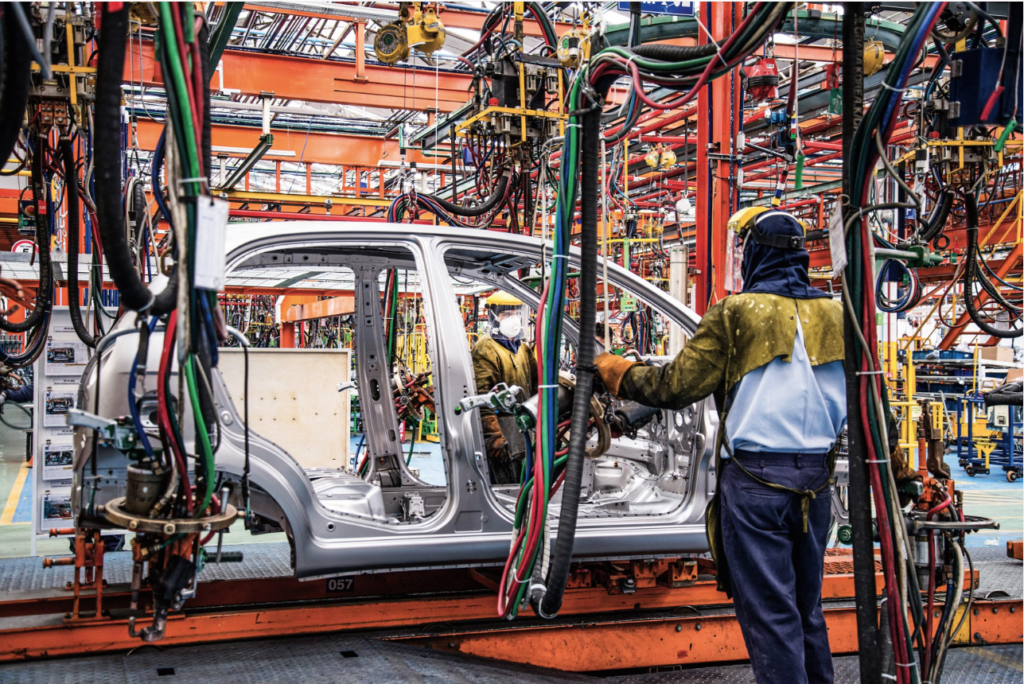
For local suppliers, the arrival of a major manufacturer can create opportunities to secure long-term commercial contracts. Logistics companies may benefit from increased demand for moving components and finished vehicles, while educational institutions may develop training programmes designed to support the industry’s technical requirements.
These potential benefits, however, depend on how the manufacturer organizes its supply chain. Some components may be sourced locally, while others may continue to arrive from established international suppliers. The degree of domestic economic participation will therefore be determined partly by procurement decisions, supplier capabilities and the competitiveness of regional businesses.
There are also public-policy considerations. Governments sometimes offer financial incentives, infrastructure improvements or workforce support to attract industrial projects. Such measures can encourage investment, but their value should be evaluated against the actual employment, tax revenue and wider economic benefits ultimately delivered.
A Changing Competitive Landscape for Global Carmakers
The automotive industry is facing intense competition across traditional combustion-engine vehicles, hybrid models and electric vehicles. Manufacturers must make long-term investment decisions while consumer preferences, technology and government regulations continue to evolve.
For established international brands, production flexibility is becoming increasingly important. Companies need to consider which vehicles customers will demand several years from now, whether manufacturing facilities can adapt to changing product requirements and how investment decisions might affect their competitive positions.
A proposed factory capable of producing hundreds of thousands of SUVs annually represents a considerable commitment to future demand. Its commercial success would depend not simply on the number of vehicles it can manufacture, but on whether the company can sell those vehicles at prices that justify its operating and capital costs.
Competition also creates pressure on suppliers and workers. Manufacturers seeking greater efficiency may demand improved productivity, higher quality standards and faster delivery from businesses throughout their production networks. The economic opportunity associated with industrial expansion therefore comes with a requirement for continuous investment in skills, technology and operational performance.
What the Announcement Means for International Trade
The proposed project also illustrates a broader development in international business: companies are reconsidering how to balance global production networks with the advantages of operating closer to major consumer markets.
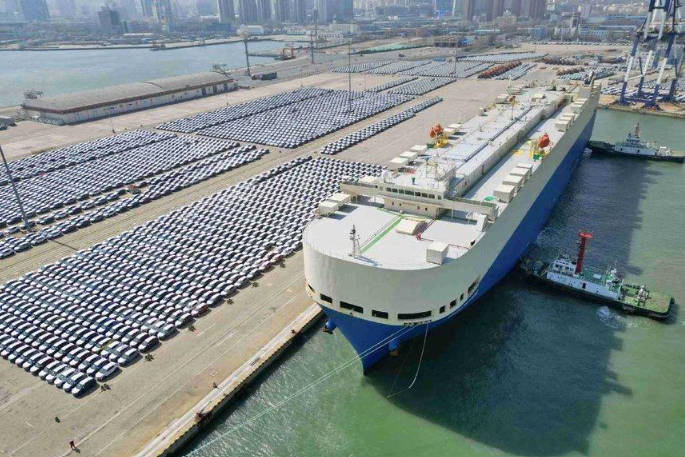
For decades, manufacturers expanded internationally by distributing different stages of production across countries according to cost, expertise and logistical efficiency. Those networks remain important, but geopolitical uncertainty and changing trade policies have encouraged companies to reassess their exposure to particular regions.
New factories in major consumer markets may provide greater flexibility, yet they also require substantial financial commitments and long-term confidence in economic conditions. Companies must consider whether the policy environment supporting an investment today will remain favourable throughout the facility’s operating life.
For countries competing to attract manufacturing investment, the lesson extends beyond offering lower costs or temporary incentives. Reliable infrastructure, predictable regulations, workforce development and efficient supply chains can play an equally important role in making an investment commercially attractive.
THE ABE TAKE: Investment Announcements Must Be Measured by Their Results
Audi’s proposed $4 billion Georgia factory is significant because it highlights the scale of investment that major automotive manufacturers may be willing to consider as they adapt to changing international business conditions. It also demonstrates how manufacturing has become an important part of discussions about economic competitiveness and industrial development.
Nevertheless, the announcement should be evaluated through more than its headline figure. The number of jobs created, the strength of local supplier participation, the project’s eventual production performance and its long-term commercial sustainability will provide a clearer picture of its economic value.
For businesses and policymakers, attracting investment is only the beginning. Turning that investment into lasting economic activity requires capable workers, competitive suppliers, dependable infrastructure and an environment in which companies can operate efficiently.
The wider lesson is that industrial competitiveness cannot be built through announcements alone. It must be developed through the systems, relationships and economic conditions that allow major investments to succeed long after the initial publicity has faded.
ABE MAGAZINE
Understand More. Think Bigger.