








By ABE Magazine | November 2, 2026
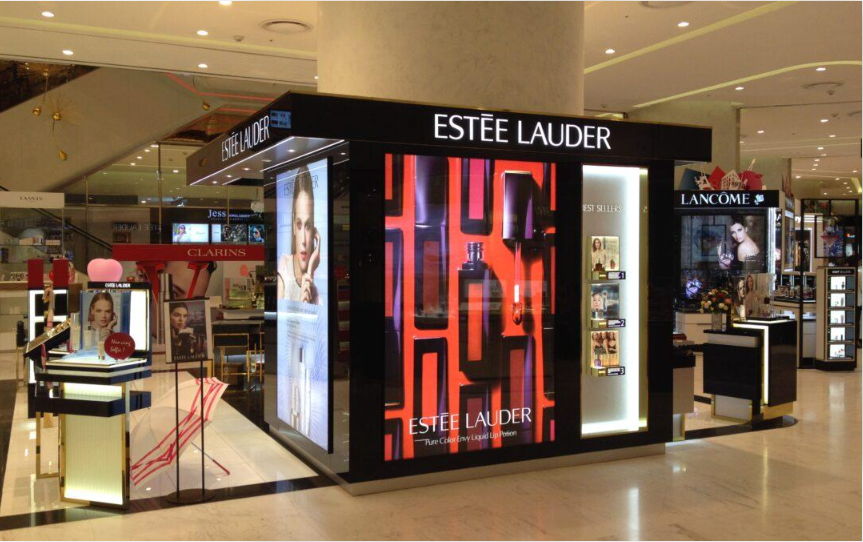
The Estée Lauder Companies has raised its annual sales and profit forecasts after reporting stronger demand for premium fragrances and skincare products. The improvement offers fresh evidence that some consumers remain willing to spend on prestige beauty, even as economic uncertainty affects the wider luxury industry.
The American cosmetics group reported US$3.72 billion in sales for its fiscal first quarter, which ended September 30, 2026. Revenue increased 7% from the previous year, while organic sales rose 6%. Fragrances delivered particularly strong growth, helping the company improve profitability and raise its expectations for fiscal 2027.
The results mark another step in Estée Lauder’s effort to rebuild its business after a difficult period. They also reveal an important distinction in consumer behaviour. Shoppers may become more selective about expensive purchases without abandoning premium brands entirely.
Estée Lauder Reports Stronger Sales and Profits
Estée Lauder’s quarterly sales increased from US$3.48 billion to US$3.72 billion. The company also reported US$408 million in operating income, compared with US$169 million a year earlier. Its operating margin improved from 4.9% to 11%.
The improvement extended beyond revenue. Adjusted earnings reached 72 cents per share, compared with 32 cents during the previous year’s quarter. The company also increased its adjusted operating margin to 12.1%, up from 7.3%.
These results suggest that Estée Lauder’s recovery involves more than selling additional products. The company is also improving its ability to convert revenue into profit. Higher sales, better product margins and cost reductions all contributed to the stronger performance.
However, one successful quarter does not guarantee a sustained recovery. Beauty companies must continue attracting consumers while managing marketing expenses, retail relationships and changing preferences. Estée Lauder will need to maintain its momentum through the important holiday shopping period and beyond.
Luxury Fragrances Become a Major Growth Engine
Fragrance was the company’s strongest major product category during the quarter. Sales increased 19% on a reported basis to US$861 million. Organic fragrance sales grew 20%, supported by demand for several of its premium brands.
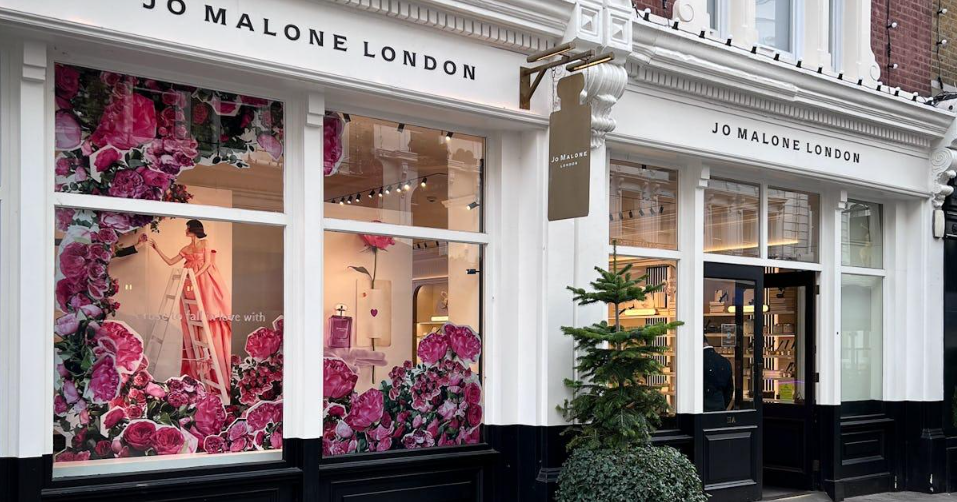
Le Labo, TOM FORD, Jo Malone London and KILIAN PARIS contributed to the improvement. The company reported double-digit growth across its luxury fragrance brands. Fragrance operating income also increased 93% to US$166 million.
The performance highlights the commercial appeal of premium scents. Unlike some expensive fashion purchases, fragrances offer consumers a way to experience luxury at a lower total purchase price. A premium perfume can still require significant spending, but it generally costs less than a luxury handbag or watch.
This difference may help explain why prestige fragrances can remain attractive during periods of financial uncertainty. Consumers who delay larger purchases may still buy selected premium beauty products. However, Estée Lauder’s results alone cannot establish that shoppers are shifting spending away from every other luxury category.
The company is also benefiting from product innovation. Le Labo reported strength in established fragrances such as Santal 33 and Another 13. TOM FORD benefited from new products, while Jo Malone London gained support from fragrance launches and established collections.
For Estée Lauder, fragrance is becoming an increasingly important source of both revenue and profit. Its performance may influence how the company allocates marketing resources and develops future products.
Skincare Growth Shows the Importance of Brand Loyalty
Skincare remains Estée Lauder’s largest product category. Quarterly sales reached US$1.65 billion, an increase of 5% on a reported basis. Organic skincare sales grew 4%, with La Mer and The Ordinary among the important contributors.
La Mer benefited from new products and demand for established skincare collections. The Ordinary gained sales through wider distribution and continued interest in its existing products. These brands serve different price segments, but both operate within the company’s broader beauty portfolio.
The contrast illustrates why product diversity matters. Estée Lauder can reach consumers who seek expensive luxury skincare and those who prefer more accessible, ingredient-focused products. This gives the business exposure to different shopping habits and spending levels.
Skincare operating income increased 40% to US$262 million. Stronger sales supported the improvement, alongside reductions in certain operating expenses. The company also continued investing in product launches and consumer marketing.
Nevertheless, skincare remains a competitive market. Consumers can compare ingredients, prices and product reviews across numerous brands. Maintaining loyalty requires effective products, credible marketing and consistent customer experiences.
Why Consumers Continue Buying Premium Beauty
Luxury spending is not uniform across product categories. Consumers may respond differently to expensive clothing, jewellery, skincare and fragrances. Their decisions depend on income, personal priorities and perceptions of value.
Premium beauty products occupy a distinctive position in this market. Many consumers use skincare and fragrances regularly rather than reserving them for rare occasions. Familiar products can become part of personal routines, creating repeat purchases.
Brand identity also plays an important role. Luxury beauty companies sell more than physical products. They compete through packaging, fragrance development, retail experiences and consumer relationships. These factors can support pricing power when customers see meaningful differences between brands.
However, strong branding does not make consumers insensitive to price. Shoppers can switch to competing products, reduce purchase frequency or wait for promotions. Companies must balance exclusivity with affordability and accessibility.
Estée Lauder’s latest performance suggests that its brands are attracting customers despite these challenges. Yet the recovery also depends on company-specific decisions. Improved execution and new products may explain part of its growth, rather than a broad increase in luxury spending.
China and International Markets Support the Recovery
China remains an important market for global beauty companies. Estée Lauder reported organic sales growth of 9% in mainland China during the quarter. The improvement followed investments in product innovation, marketing and retail distribution.
The company also recorded 4% organic growth in the Americas. Its results improved across geographic regions, giving management greater confidence in the recovery. This wider contribution reduces reliance on a single market.
China’s importance extends beyond its domestic beauty consumers. International brands also depend on travel retail and shopping activity linked to Chinese travellers. Changes in tourism, consumer confidence and retail inventories can therefore affect sales.
Estée Lauder has been working to improve its performance in these channels. The company expects travel retail shipments to benefit from improving conditions during fiscal 2027. However, demand remains sensitive to economic and geopolitical developments.
The recovery in China is encouraging, but investors should distinguish quarterly improvement from a lasting change in consumer confidence. Future results will depend on local competition, spending patterns and the company’s ability to sustain demand.
The Beauty Reimagined Strategy Begins to Show Results
Chief executive Stéphane de La Faverie has placed the company’s transformation at the centre of its recovery strategy. The programme, called Beauty Reimagined, focuses on innovation, stronger brands and more efficient operations.
The company is developing products more quickly and expanding into additional retail channels. It is also increasing investment in consumer-facing activities while reducing certain internal expenses. These changes aim to make the business more responsive to customers.
Estée Lauder is using technology to improve its understanding of consumer preferences and marketing performance. Artificial intelligence forms part of that effort, alongside changes to product development and distribution. However, technology alone cannot guarantee commercial success.
The company must still develop products that consumers want and deliver them through effective retail networks. Its brands also need consistent identities across physical stores and digital platforms. Strong execution will determine whether the transformation produces lasting financial benefits.
The latest results suggest that the strategy is gaining traction. Operating margins have improved, and several major brands are growing. Management must now demonstrate that these gains can continue beyond the early stages of its restructuring.
Makeup Remains a Challenge Despite Wider Progress
Not every part of Estée Lauder’s business is recovering at the same pace. Makeup sales increased only 2% on a reported basis during the quarter. Organic growth was approximately 1%, well below the performance of fragrances.
M·A·C contributed positively, supported by new products and expanded retail distribution. However, sales under the Estée Lauder makeup brand declined. The company attributed part of the weakness to product launch timing and lower sales in certain categories.
This uneven performance highlights the difficulties facing established beauty businesses. Consumers regularly encounter new makeup brands through social media, online retailers and specialist stores. Competition can shift quickly as trends change.
The company improved makeup profitability despite modest sales growth. The category generated US$3 million in operating income, compared with a US$15 million loss a year earlier. Cost management helped support the improvement.
Still, stronger profitability will be more convincing if sales growth accelerates. Estée Lauder expects makeup to return to growth for the full fiscal year. Delivering that result will remain an important test of its transformation.
Estée Lauder Raises Its Fiscal 2027 Forecast
Following the stronger quarter, Estée Lauder increased its full-year outlook. The company now expects organic sales growth of 4% to 5.5%, compared with its previous forecast of 3% to 5%.
Management also raised its adjusted operating margin forecast to between 12.9% and 13.7%. The earlier range stood at 12.7% to 13.5%. Higher expected profitability reflects confidence in sales growth and operational improvements.
The company increased its adjusted earnings forecast to US$3.20–US$3.45 per share. Its previous estimate ranged from US$3.10 to US$3.35. These figures represent management’s expectations rather than guaranteed results.
The outlook still includes important uncertainties. Geopolitical developments, tariffs and consumer sentiment could affect demand. Currency movements and changing retail conditions may also influence reported performance.
Estée Lauder’s challenge is to convert its improved outlook into consistent results. Investors will watch whether fragrance demand remains strong and skincare continues expanding. They will also assess whether makeup and travel retail can contribute more meaningfully to growth.
What Estée Lauder’s Recovery Means for the Luxury Industry
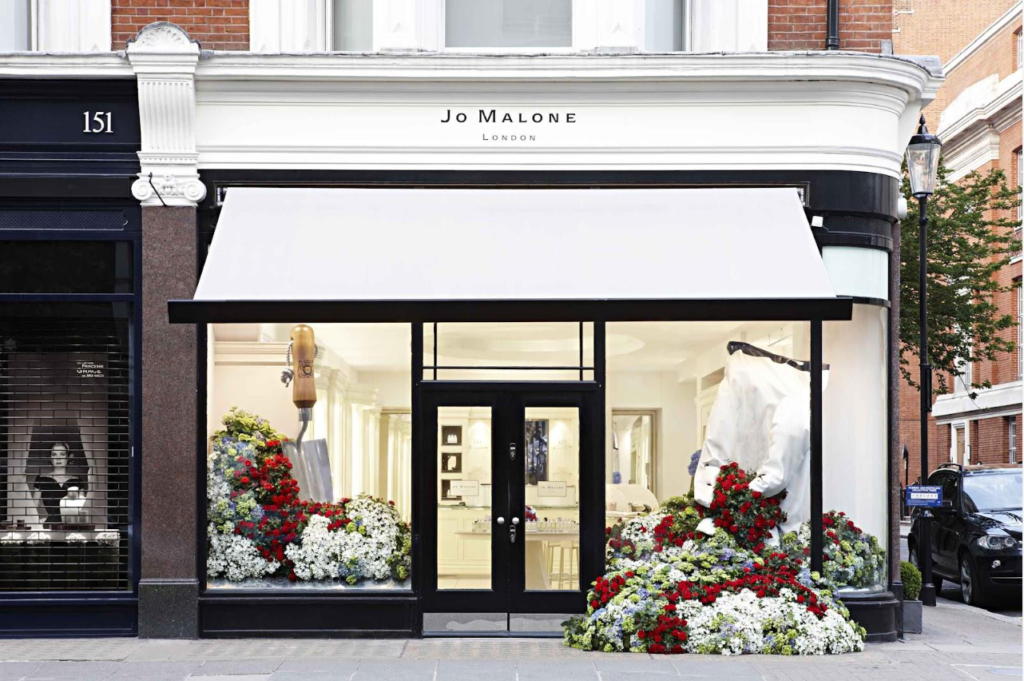
The company’s performance provides a useful perspective on the wider luxury market. Demand for premium goods does not move in the same direction across every category. Consumers can reduce spending in one area while maintaining purchases in another.
Beauty companies may benefit from recurring purchases and a broad range of price points. Their products can appeal to affluent customers as well as consumers seeking smaller luxury purchases. This gives the industry a different commercial structure from businesses that rely on expensive, infrequent transactions.
However, Estée Lauder’s results should not be interpreted as proof that global luxury spending has fully recovered. Its improvement reflects both consumer demand and company-specific changes. Other luxury businesses may face different market conditions and customer behaviour.
The more important lesson concerns how brands respond to uncertainty. Companies that develop desirable products and manage costs effectively may outperform weaker competitors. Innovation, distribution and financial discipline can matter as much as the strength of the wider market.
For Estée Lauder, the next challenge is sustaining the recovery. Its fragrance business is delivering strong growth, and skincare remains an important source of revenue. Continued progress will depend on maintaining consumer interest while improving performance across the rest of its portfolio.
THE ABE TAKE
Estée Lauder’s latest results suggest that the luxury industry is becoming increasingly selective. Consumers are not necessarily abandoning premium products, but their spending decisions may be changing. Fragrances and skincare can remain attractive even when households become more cautious about larger purchases.
The company’s recovery also demonstrates the importance of business execution. Strong brands alone were not enough to prevent earlier difficulties. Estée Lauder has needed to improve innovation, distribution and operating efficiency to strengthen its financial performance.
The figures show meaningful progress. Quarterly sales rose 7%, while adjusted operating income increased 76%. Fragrance sales grew strongly, and the company raised its annual earnings outlook. These developments suggest that its transformation is producing measurable results.
However, investors should remain cautious about drawing conclusions for the entire luxury industry. Estée Lauder’s performance reflects its own brands, strategy and operating decisions. A sustained industry recovery would require broader evidence across companies, categories and markets.
The future of luxury may depend less on encouraging consumers to spend more on everything and more on giving them compelling reasons to choose particular products. Estée Lauder’s recovery shows how powerful that distinction can become.
ABE MAGAZINE
Understand More. Think Bigger.