







By ABE Magazine | Business Insights | November 1, 2026
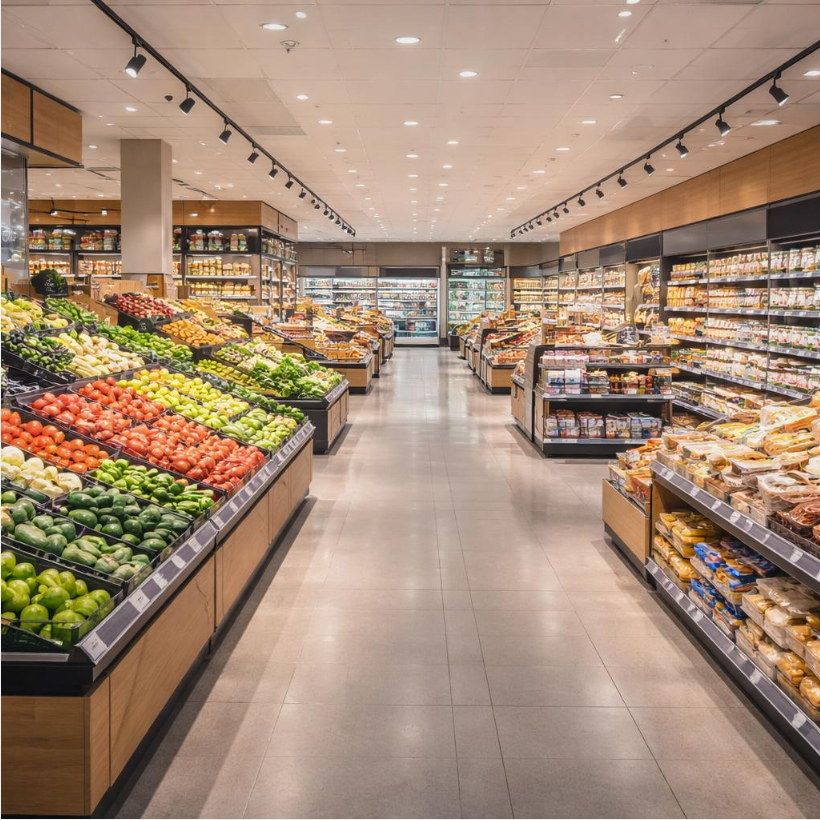
Supermarkets are among the most familiar and essential businesses in the modern economy. Millions of households depend on them for groceries, household supplies and everyday necessities. Their stores serve enormous numbers of customers, their distribution networks extend across entire countries, and major supermarket chains generate billions of dollars in annual revenue. Despite their scale, however, grocery retailers often retain only a relatively small portion of their sales as net profit.
This apparent contradiction reveals one of the most important characteristics of the retail industry: high revenue does not necessarily translate into high profitability. Behind every supermarket purchase is a complicated financial system involving suppliers, transportation companies, warehouse operators, employees and property owners. Each participant represents a cost that must be managed before a retailer can determine how much money it has actually earned.
For companies such as Loblaw in Canada and Kroger in the United States, success depends on far more than attracting shoppers. Their financial performance is shaped by inventory turnover, purchasing agreements, operating efficiency, consumer spending patterns and competition. Understanding these factors helps explain why supermarkets can generate extraordinary sales figures while operating with comparatively modest profit margins.
Why Supermarket Revenue Can Be Misleading
Revenue represents the total amount a business earns from selling goods and services before deducting its expenses. For supermarkets, revenue can grow rapidly because customers purchase essential products frequently. Unlike companies that rely on occasional expensive transactions, grocery retailers depend on a continuous flow of relatively small purchases. Across hundreds or thousands of locations, those transactions can produce billions of dollars in annual sales.
However, a supermarket does not retain every dollar collected at the checkout. A substantial portion must be used to purchase the products being sold, while additional amounts cover employee compensation, transportation, property expenses, utilities and technology. The difference between total sales and final earnings can therefore be considerable, particularly in an industry where competitive pricing limits how much retailers can charge for many everyday products.
This distinction is essential when interpreting supermarket financial statements. A company reporting billions in revenue may appear extraordinarily profitable, but revenue alone reveals little about the efficiency of its operations. Investors and analysts must examine operating costs, margins and net earnings to understand whether the company is converting its enormous sales volume into sustainable profits.
Understanding Supermarket Profit Margins
Supermarket profit margins measure how much of a retailer’s revenue remains after different categories of expenses are deducted. Gross profit represents the difference between revenue and the cost of goods sold, while operating profit accounts for additional expenses associated with running the business. Net profit reflects the amount remaining after applicable financing costs, taxes and other expenses.
Consider a supermarket that purchases a product for $7 and sells it for $10. The $3 difference represents gross profit, but it is not the retailer’s final earnings. That amount must contribute toward wages, rent, refrigeration, transportation, security and other operating costs. After those expenses are deducted, the actual profit attributable to the sale may be substantially smaller.
This explains why grocery businesses are frequently described as high-volume, low-margin operations. Their profitability depends on selling large quantities of products while controlling costs across an extensive network of stores and distribution facilities. Even relatively small changes in operating expenses can have meaningful consequences when applied to billions of dollars in annual revenue.
Loblaw: A Canadian Retail Case Study
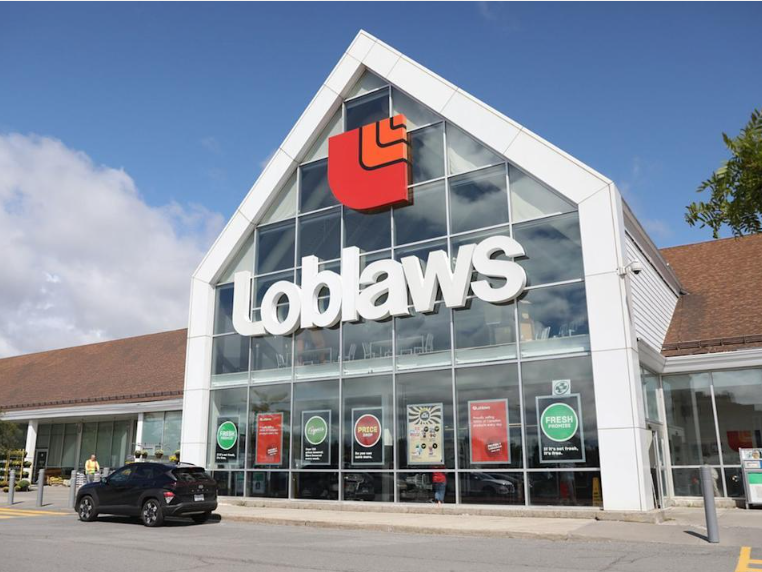
Loblaw Companies Limited provides a useful example of the financial scale and operational complexity of modern retailing. The company operates several major Canadian grocery banners, including Loblaws, No Frills and Real Canadian Superstore, alongside pharmacy operations through Shoppers Drug Mart and other businesses. Its activities extend beyond conventional grocery sales, making its consolidated financial results more complex than those of a supermarket-only operator.
In its 2025 financial results, Loblaw reported approximately C$63.9 billion in retail revenue, including a 53rd reporting week. On a comparable 52-week basis, retail revenue was approximately C$62.8 billion. Its reported retail gross profit percentage was approximately 31.3%, demonstrating the substantial difference between the value of products sold and their direct cost to the business.
However, that gross profit percentage should not be confused with Loblaw’s net profit margin. The company must still account for labour, distribution, property expenses, technology and other operating costs. Its retail segment also includes businesses with different economic characteristics, meaning that the reported gross margin cannot be interpreted as the margin earned exclusively from groceries.
Loblaw’s results illustrate how large retail businesses combine extensive sales volumes with complicated operating structures. Their financial performance depends not only on how much customers spend but also on how efficiently the company purchases, distributes and sells its products.
Why Grocery Retailing Depends on Volume
The supermarket business model depends heavily on selling large quantities of products rather than generating unusually high profits from each individual transaction. Many essential groceries are highly price-sensitive, and consumers frequently compare prices across competing stores. Retailers that consistently charge significantly more for comparable products risk losing customers, particularly when households are experiencing financial pressure.
As a result, supermarkets must encourage frequent visits while offering enough variety and convenience to increase the value of each shopping trip. A successful store may serve thousands of customers daily, with each transaction contributing a relatively modest amount toward overall profitability. When these purchases are repeated across an extensive network of locations, they can create substantial annual revenue.
The importance of sales volume also creates financial vulnerabilities. If customer traffic declines, revenue may fall while many expenses remain relatively unchanged. A supermarket cannot immediately eliminate its rent, refrigeration costs or essential staffing requirements simply because fewer customers enter the store. Maintaining consistent customer demand is therefore essential to protecting profitability.
The Hidden Costs of Running a Supermarket
Operating a supermarket involves significantly more than purchasing products and placing them on shelves. Retailers must maintain physical properties, refrigeration equipment, lighting, security systems and increasingly sophisticated technology. Large stores require continuous maintenance, while fresh food departments introduce additional responsibilities involving temperature control, product handling and food safety.
Labour is another major expense. Employees are needed to receive deliveries, replenish shelves, operate checkouts, assist customers, manage inventory and maintain store conditions. Distribution networks add further costs as products move from farms, manufacturers and processing facilities to warehouses and individual stores. Fuel prices, transportation availability and supply-chain disruptions can all affect the cost of delivering goods.
Supermarkets also face losses from damaged, expired or unsold products. Fresh produce, dairy, meat and prepared foods have limited shelf lives, requiring careful forecasting and inventory management. When retailers order too much, products may be discarded or discounted; when they order too little, customers may encounter empty shelves and choose competing stores. Managing this balance is a constant operational challenge.
These expenses explain why supermarket profitability depends so heavily on efficiency. A retailer may generate impressive sales figures while losing substantial amounts through waste, inefficient distribution or poorly managed operating costs. The strongest businesses are those capable of controlling these expenses without compromising product availability or customer experience.
How Inventory Turnover Creates Financial Strength
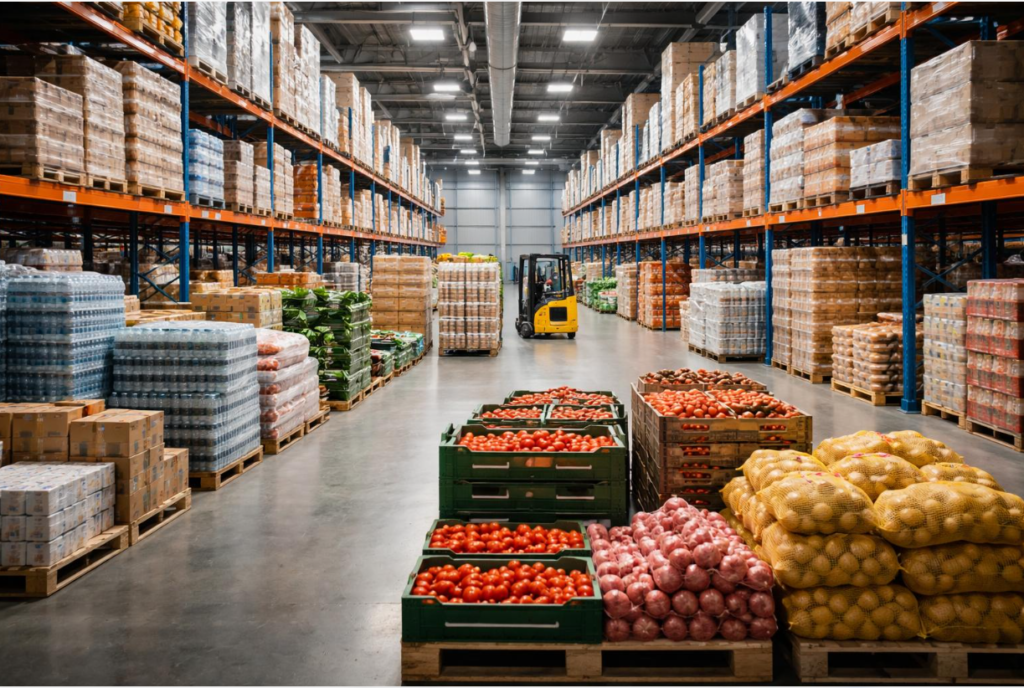
Inventory turnover is one of the most important financial concepts in grocery retailing because it measures how frequently a business sells and replaces its inventory during a particular period. Unlike retailers selling products that can remain on shelves for months, supermarkets handle large quantities of goods that must move quickly, particularly fresh and refrigerated products.
Efficient inventory turnover allows retailers to reduce storage expenses, limit spoilage and recover cash that can be used to purchase additional products. A supermarket that consistently sells and replenishes its inventory may generate substantial annual sales from the same shelf space. This helps explain why a product with a relatively modest margin can still contribute meaningfully to profitability when it sells frequently.
However, inventory turnover must be managed alongside customer demand and product availability. Excessive stock increases the risk of waste, while insufficient inventory can lead to missed sales and dissatisfied customers. Retailers therefore invest in forecasting systems, supplier coordination and distribution technology to maintain an appropriate balance between efficiency and reliability.
The Power of Suppliers and Private Labels
Large supermarket chains maintain commercial relationships with manufacturers, farmers, food processors and distributors. Their purchasing scale can provide negotiating advantages, particularly when they order substantial quantities or operate extensive store networks. These relationships influence product prices, promotional arrangements, delivery schedules and the range of goods available to customers.
Nevertheless, suppliers also possess negotiating power, especially when they manufacture popular products that consumers expect to find in stores. Major food and household brands can attract customers and influence purchasing decisions, making them valuable commercial partners. Supermarkets must therefore balance their desire for competitive purchasing terms with the need to maintain reliable supplier relationships.
Private-label products provide another important strategic opportunity. These products are marketed under brands controlled by the retailer rather than an independent national manufacturer. By developing private-label ranges, supermarkets can differentiate their offerings, strengthen customer loyalty and exercise greater influence over pricing and product positioning.
Private labels may also create opportunities for improved margins, although their profitability depends on manufacturing costs, product quality and consumer demand. For customers, they frequently offer alternatives to established brands at lower prices. For retailers, they represent an opportunity to develop products that competitors cannot necessarily offer under identical branding.
Why Grocery Prices Can Rise Without Profits Rising Equally
When grocery prices increase, supermarket revenue may rise even if customers purchase roughly the same quantity of products. However, higher revenue does not automatically mean that retailers are earning proportionately higher profits. The costs of purchasing food, transporting goods, employing workers and operating stores may also increase, reducing the financial benefit of higher selling prices.
For example, a retailer may raise the selling price of a product because its supplier has increased the wholesale cost. Although the transaction generates more revenue, the amount remaining after the product’s purchase cost may change very little. If wages, electricity and transportation expenses are also increasing, the retailer’s overall profitability may remain under pressure.
This does not mean that every grocery price increase is unavoidable or that all retailers experience identical cost pressures. Companies make their own pricing and investment decisions, while competition and consumer behaviour influence the extent to which costs can be passed on to shoppers. Evaluating profitability therefore requires examining financial statements rather than assuming that rising food prices necessarily produce equally large increases in corporate earnings.
The distinction is particularly important in public debates about grocery affordability. Revenue growth, gross profit and net income describe different financial outcomes, and comparisons must account for the different businesses operated by each retailer. A company with grocery stores, pharmacies and financial services cannot always be assessed in the same way as a retailer focused exclusively on food.
Kroger and the Economics of American Grocery Retail
Kroger, one of the largest grocery retailers in the United States, provides another example of the financial pressures affecting the industry. In its fiscal 2025 results, the company reported operating profit of approximately US$1.9 billion, while adjusted FIFO operating profit was approximately US$4.9 billion. The difference reflected significant adjustments, including approximately US$2.5 billion in impairment and related charges associated with its automated fulfilment network.
Kroger also reported a gross margin of approximately 22.9%. These figures demonstrate why analysts must distinguish between reported earnings and adjusted financial measures when evaluating corporate performance. Adjusted figures can provide additional context about certain expenses, but they should not be treated as interchangeable with results prepared under standard accounting principles.
The company’s experience also illustrates the financial risks associated with large-scale technological investment. Automated distribution facilities and fulfilment systems may promise lower costs and improved efficiency, but these projects require substantial capital and may not deliver their expected returns. For grocery retailers operating in a competitive environment, unsuccessful investments can materially affect financial performance.
Can Technology Improve Supermarket Profitability?
Technology has become an increasingly important part of supermarket operations as retailers seek to improve efficiency and respond to changing consumer expectations. Inventory forecasting software, automated warehouses, digital ordering platforms and data analytics can help companies monitor demand, reduce waste and improve product availability across their stores.
Self-checkout systems and other digital tools may also change how retailers organize staffing and customer service. However, technology does not automatically reduce expenses. Equipment requires maintenance, software systems require ongoing investment, and poorly implemented solutions can create operational problems or frustrate customers.
Online grocery services present similar opportunities and challenges. Digital ordering can attract new customers and provide greater convenience, but collecting, packing and delivering individual orders introduces additional expenses. A retailer may increase sales through online services without necessarily improving profitability if fulfilment costs remain too high.
Successful technological investment therefore requires careful financial evaluation. The objective is not simply to introduce automation or digital services, but to determine whether these investments improve customer experience, reduce operating costs or generate sustainable additional revenue.
Why Competition Matters in Grocery Retail
Competition plays an important role in determining supermarket prices, product selection and customer experience. Large retailers may benefit from extensive distribution networks, established supplier relationships and significant purchasing volumes, while smaller independent businesses may compete through specialized products, neighbourhood convenience or differentiated services.
However, entering the grocery industry can require considerable capital. New operators need suitable properties, inventory financing, reliable suppliers, distribution arrangements and sufficient customer demand to cover operating expenses. These requirements can create barriers for businesses attempting to compete against established supermarket chains.
In Canada, the Competition Bureau has examined the grocery sector and recommended measures intended to encourage greater competition. Its work has highlighted the importance of creating conditions in which new and existing retailers can compete more effectively. Greater competition may support innovation and put pressure on prices, although it does not eliminate the underlying costs of operating a grocery business.
For consumers, competition can influence affordability and choice. For retailers, it creates a continuing need to improve operations and demonstrate value. Companies that fail to respond to changing customer expectations may lose market share even when they possess significant financial resources.
The Future of Supermarket Economics
The supermarket industry will continue adapting to changes in consumer behaviour, technology and operating costs. Retailers face the challenge of offering affordable products while maintaining reliable supply chains, investing in infrastructure and managing increasingly complex operations. Their long-term performance will depend on how effectively they balance these competing priorities.
Private-label development, inventory management and efficient distribution systems are likely to remain important areas of investment. Digital services may become more integrated into ordinary grocery shopping, while retailers continue experimenting with new store formats and methods of serving customers.
However, the fundamental economics of the industry are unlikely to disappear. Supermarkets will still depend on frequent customer purchases, disciplined cost management and reliable supplier relationships. Large revenue figures may attract attention, but sustainable profitability will continue to depend on operational efficiency and the ability to retain customer trust.
THE ABE TAKE
The supermarket industry demonstrates one of the most important principles in corporate finance: revenue and profitability are not the same thing. Major grocery chains can generate billions of dollars in sales because they provide essential products that consumers purchase repeatedly. Yet their enormous revenue must support a complicated network of suppliers, employees, properties, warehouses and transportation systems before it becomes profit.
The financial performance of companies such as Loblaw and Kroger illustrates why investors and consumers should examine more than headline sales figures. Gross margins, operating expenses, inventory turnover and capital investment all influence the amount of money a retailer ultimately retains. Understanding these factors provides a more complete picture of grocery pricing and corporate profitability.
For business leaders, the broader lesson extends beyond supermarkets. A company can achieve extraordinary scale without necessarily achieving equally impressive profit margins. Sustainable success depends on how effectively management converts revenue into earnings while maintaining quality, efficiency and customer loyalty.
The supermarket that sells the most products is not necessarily the most profitable. The stronger business is the one that manages its costs, inventory and customer relationships most effectively.
ABE MAGAZINE
Understand More. Think Bigger.