







By ABE Magazine | November 2, 2026
A Blackstone-led investment group is entering one of Canada’s largest energy infrastructure projects through a deal with Japan’s Mitsubishi Corporation. The agreement gives institutional investors a minority interest in a company that holds Mitsubishi’s stake in LNG Canada. It also brings new financial support to an expansion of the British Columbia export facility.
Mitsubishi announced the sale of a 49.9% interest in its LNG Canada infrastructure holding company for approximately US$1.6 billion. Blackstone separately announced a US$3.1 billion investment commitment involving several major Canadian institutional investors. The agreement reflects growing interest in energy infrastructure among private investment firms and pension funds.
The transaction comes as Canada expands its role in the global liquefied natural gas market. LNG Canada began exporting natural gas in 2025 and has approved a major expansion. The next phase aims to double production capacity and strengthen access to Asian energy markets.
Inside the Mitsubishi–Blackstone Agreement
Mitsubishi currently holds a 15% interest in LNG Canada through its investment structure. Under the new agreement, Blackstone-managed funds and Canadian institutional investors will acquire 49.9% of a Mitsubishi subsidiary. That company holds Mitsubishi’s interest in the liquefaction business.
The investors will not acquire 49.9% of the entire LNG Canada project. Instead, they will purchase a minority position in Mitsubishi’s holding company. Mitsubishi will retain control of that company and maintain its involvement in the wider project.
The distinction matters because the agreement changes the ownership of Mitsubishi’s investment vehicle, not the entire LNG Canada operation. It allows Mitsubishi to bring in financial partners without withdrawing from the project. The Japanese trading company will also preserve its existing LNG purchasing arrangements.
The two sides announced different financial figures. Mitsubishi valued the transaction at approximately US$1.6 billion. Blackstone announced a US$3.1 billion investment commitment, with additional funding intended to support the expansion. These figures should not be treated as two separate purchases of the same interest.
Reuters reported that the transaction could close in November 2026. The parties have announced the agreement, but its completion remains subject to the relevant closing process.
Canada’s Pension Funds Join the Investment
The Blackstone-led group includes several major Canadian institutional investors. They are CPP Investments, OMERS, the Investment Management Corporation of Ontario and the Public Sector Pension Investment Board.
Their participation highlights the importance of infrastructure assets to large investment portfolios. Pension funds must manage capital over long periods while meeting future obligations. Energy infrastructure can offer exposure to businesses with long operating lives and substantial physical assets.
However, such investments still carry commercial and financial risks. Future returns depend on project performance, operating costs and market conditions. Investors must also consider construction spending, energy prices and changes in government policy.
For Blackstone, the agreement strengthens its presence in Canadian infrastructure. The investment firm manages capital across private credit, real assets and other alternative investment strategies. Its involvement illustrates how private investment groups can provide financing for major industrial projects.
The transaction also demonstrates cooperation between international investment firms and Canadian pension institutions. Rather than financing the expansion alone, Mitsubishi can share part of the investment burden. Its new partners gain exposure to an established energy project with plans for further growth.
Why LNG Canada Matters to the Canadian Economy
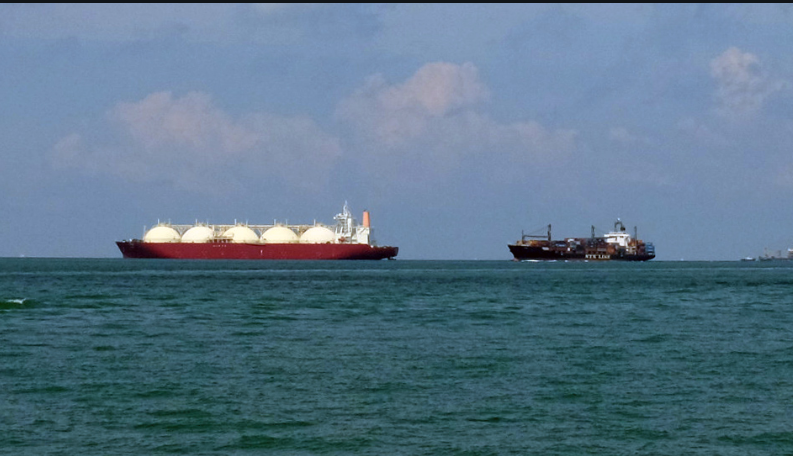
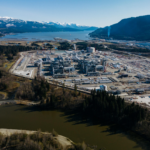
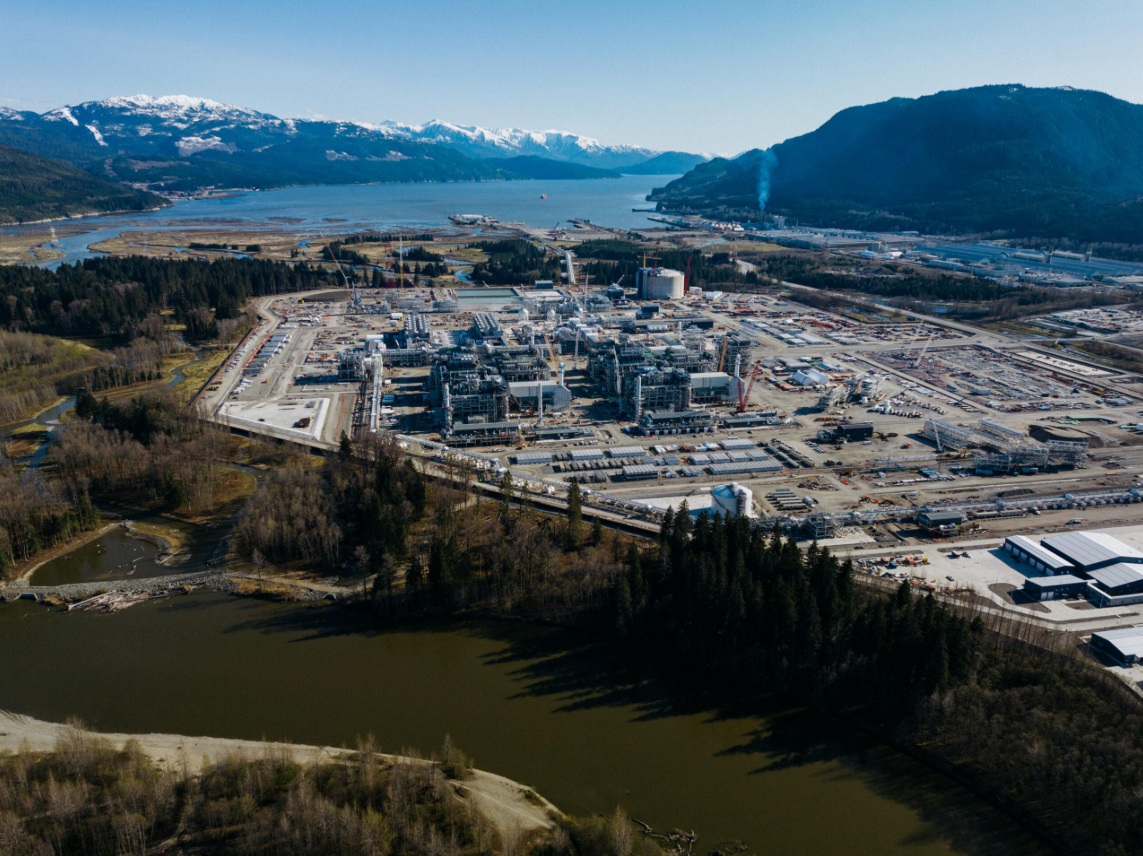
LNG Canada operates in Kitimat, British Columbia, on Canada’s Pacific coast. The facility processes natural gas for export by cooling it into liquid form. This allows specialized ships to transport the fuel across oceans to international customers.
The project gives Canadian natural gas producers another route to overseas markets. Historically, Canada has depended heavily on pipeline exports to the United States. A Pacific export terminal creates opportunities to reach buyers in Asia and other regions.
The LNG Canada joint venture includes Shell, PETRONAS, PetroChina, Mitsubishi and Korea Gas Corporation. Shell holds the largest ownership position at 40%. Mitsubishi’s interest represents 15% of the project.
The facility began production in June 2025. Its initial phase provides annual production capacity of approximately 14 million tonnes. That output supports Canada’s growing participation in international LNG trade.
For British Columbia, the project represents a major industrial investment. LNG operations require port facilities, specialized equipment, pipelines and skilled workers. The economic benefits can extend into transportation, engineering and maintenance services.
However, large energy projects also face public scrutiny. Environmental impacts, greenhouse gas emissions and relationships with Indigenous communities remain important considerations. Future development must address these issues alongside commercial objectives.
A Major Expansion Could Double LNG Exports
LNG Canada’s partners announced a final investment decision for the project’s second phase in September 2026. The expansion aims to double annual production capacity from 14 million tonnes to 28 million tonnes. It would significantly increase the amount of Canadian LNG available for export.
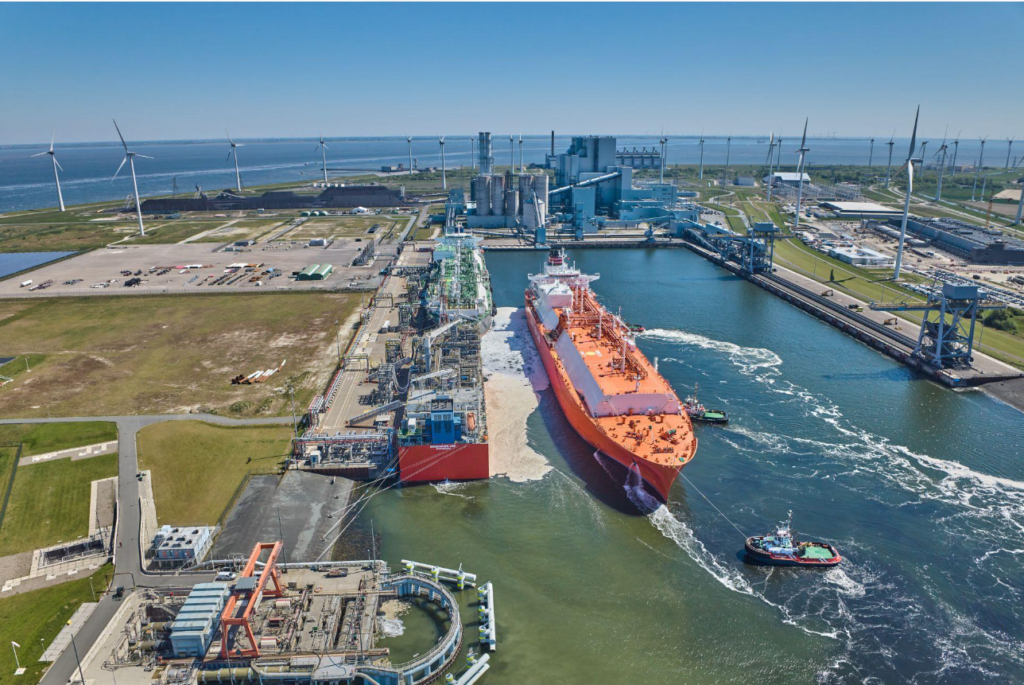
Mitsubishi currently receives approximately 2.1 million tonnes of LNG each year through its project interest. The company expects that volume to rise to 4.2 million tonnes after the expansion. It markets much of the supply to Asian customers, particularly in Japan.
Mitsubishi has emphasized that the new investment agreement will not change its LNG offtake volumes or customer relationships. This means the company can retain its commercial supply arrangements while bringing in new capital.
The expansion will require substantial investment and careful execution. Large energy facilities depend on complex construction schedules, specialized equipment and reliable supply chains. Delays or higher costs could affect the project’s expected returns.
The additional capacity also depends on future demand for natural gas. Buyers must balance energy security, affordability and environmental commitments. These factors could influence the long-term value of LNG infrastructure.
Why Global Investors Are Interested in LNG
Liquefied natural gas has become an important part of international energy trade. Countries use it to generate electricity, support industrial activity and diversify fuel supplies. Unlike pipeline gas, LNG can travel between distant markets by ship.
This flexibility makes export infrastructure attractive to investors seeking exposure to international energy demand. Large LNG facilities can operate for decades, provided they remain commercially competitive. Their performance depends on production costs, transport arrangements and customer demand.
Asian markets play an important role in the industry’s development. Japan remains a major LNG importer, while other countries use natural gas to support electricity generation and industrial growth. Exporters with access to Pacific shipping routes may benefit from these markets.
However, LNG faces uncertainty over the longer term. Renewable energy, electricity storage and other technologies continue to develop. Governments are also introducing policies to reduce emissions and accelerate energy transitions.
These changes create a difficult investment environment. Energy companies must make decisions about infrastructure that may operate for several decades. They must consider future demand while managing the financial risks of major construction projects.
Mitsubishi’s Strategy: Keep Control While Releasing Capital
Mitsubishi’s decision reflects a common strategy among large international corporations. Instead of selling an entire business, a company can introduce minority investors into a subsidiary. This provides access to capital while allowing the original owner to maintain control.
Mitsubishi operates across several parts of the natural gas industry. Its activities include production, liquefaction, transportation and LNG marketing. The company wants to improve capital efficiency while continuing to participate in Canada’s energy sector.
The agreement could help Mitsubishi allocate capital to the expansion and other investments. It also allows the company to share financial exposure with institutional partners. That flexibility may become increasingly important as energy projects grow more expensive.
For Blackstone and its partners, the arrangement provides an opportunity to invest alongside an experienced operator. Mitsubishi has decades of experience in international LNG markets. The investors can gain exposure to the project without taking over its commercial management.
Still, the transaction’s success will depend on future performance. Financial restructuring alone cannot guarantee stronger returns. The project must continue operating reliably and manage the cost of its expansion.
What the Deal Means for Canada’s Energy Future
The Mitsubishi–Blackstone agreement shows how international capital is helping finance Canadian energy infrastructure. The transaction brings together a Japanese trading company, a major American investment firm and Canadian institutional investors. Each participant has a different role in the project’s financial structure.
For Canada, the investment reinforces the importance of LNG exports in the country’s energy strategy. The planned expansion could increase access to international markets and support further industrial activity. It may also strengthen Canada’s position as an energy supplier to Asian customers.
However, commercial growth must be measured against financial and environmental challenges. LNG projects require large capital commitments and long operating periods. Their future depends on global demand, competitive costs and changing energy policies.
The deal therefore represents both an opportunity and a test. Investors see value in the project’s long-term infrastructure assets. Whether that confidence produces attractive returns will depend on the expansion’s execution and the direction of global energy markets.
THE ABE TAKE
Blackstone’s entry into LNG Canada reflects a broader shift in how major infrastructure projects attract financing. Large corporations no longer need to fund every expansion entirely through their own balance sheets. They can introduce institutional investors while retaining operational control and commercial relationships.
Mitsubishi’s agreement illustrates that strategy. The company is bringing new investors into its holding structure while protecting its LNG supply arrangements. Blackstone and Canadian pension funds gain access to a major energy asset with significant expansion plans.
The transaction also highlights the growing influence of institutional capital in Canada’s economy. Pension funds and private investment firms increasingly participate in infrastructure projects that require billions of dollars. Their decisions can shape how businesses finance industrial growth.
Yet the financial opportunity does not remove the risks. LNG demand, construction costs and environmental policy will influence the project’s long-term performance. Investors must evaluate those factors rather than relying solely on the size of the announced commitment.
For Canada, the larger question is whether major energy investments can deliver lasting economic value while responding to a changing global energy market. The LNG Canada expansion will provide an important test of that balance.
ABE MAGAZINE
Understand More. Think Bigger.