




By ABE Editorial Desk
A Difficult Week for Global Financial Markets
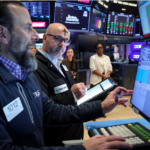
Global financial markets ended the week under significant pressure as investors reassessed the outlook for technology companies, inflation and interest rates.
According to Reuters, nearly $9 trillion had been erased from global equity values since their August peak. The selloff accelerated during November as concerns about artificial intelligence valuations and the prospect of higher interest rates weighed on investor confidence.
The turbulence extended beyond American technology stocks. Asian markets experienced sharp declines, while European equities came under pressure from weaker sentiment and concerns about economic growth.
However, investor behaviour presented a more complicated picture. Global equity funds attracted approximately $59.23 billion in net inflows during the week ending November 18, their largest weekly purchases since mid-June.
This apparent contradiction suggests that some institutional investors still see long-term opportunities despite the immediate market volatility.
The wider lesson is that financial markets can experience substantial short-term losses without every investor abandoning their long-term positions. Nevertheless, sustained uncertainty can increase financing costs and discourage investment across the wider economy.
The AI Investment Boom Faces a New Reality
Technology was among the most closely watched sectors this week.
Anthropic made its public-market debut on November 19 after raising approximately $81 billion in its initial public offering. The listing valued the company at roughly $2 trillion, making it one of the most significant technology-market events of the year.
Although shares initially attracted strong demand, enthusiasm weakened as investors questioned whether the industry’s enormous valuations could be supported by future earnings.
The pressure extended to established technology companies, reflecting concerns about the costs of developing artificial intelligence systems and the scale of investment required to operate them.
This does not necessarily indicate that artificial intelligence has lost its commercial potential. Instead, it suggests that investors are becoming more demanding about profitability, capital spending and the financial returns expected from emerging technologies.
For businesses, the distinction matters. Technological progress can create economic value while individual investments remain vulnerable to excessive expectations.
The market’s response to Anthropic illustrates how rapidly investor confidence can change when financial assumptions are challenged.
Canada and China Expand Their Economic Relationship
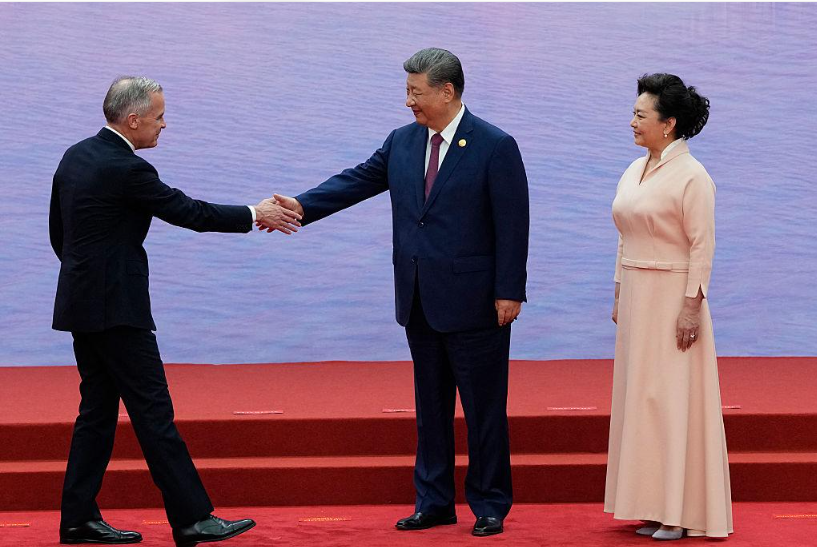
Canada made an important move toward trade diversification this week as Prime Minister Mark Carney met Chinese President Xi Jinping.
The two governments announced additional tariff relief covering approximately C$400 million in Canadian agricultural and seafood exports.
The measures could benefit producers of frozen pork, fish and seafood, while supporting Ottawa’s wider effort to reduce economic dependence on the United States.
Canada’s strategy reflects growing concern about the vulnerability created by highly concentrated trading relationships. American tariffs and uncertainty over industrial policy have encouraged Canadian officials to pursue additional commercial opportunities.
However, closer economic cooperation with China also creates challenges involving industrial competition, national security and political relations.
The agreement demonstrates how governments are attempting to balance economic opportunity with strategic independence.
For Canada, meaningful diversification will require more than tariff concessions. It will depend on competitive industries, reliable infrastructure and sustained access to international markets.
Britain and Europe Attempt to Rebuild Trade Relations
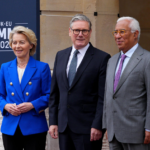
Across the Atlantic, Britain and the European Union reached a new understanding intended to reduce some of the economic barriers created by Brexit.
The November 20 agreement includes proposals to simplify food and agricultural trade, strengthen energy cooperation and establish a youth mobility arrangement.
The measures could help businesses facing regulatory costs and restrictions when trading across the English Channel.
However, implementation remains complicated. Disagreements over tuition fees for European students in Britain have delayed the completion of important elements of the package.
The negotiations illustrate the economic importance of regulatory cooperation. Even when countries maintain political independence, businesses often benefit from common standards and predictable trading arrangements.
For British and European companies, reduced administrative barriers could improve efficiency and encourage investment.
The long-term impact will depend on how quickly governments resolve outstanding disagreements and implement the agreements. live
South Korea Reaches a Historic Export Milestone

South Korea delivered one of the week’s most significant trade developments after its exports surpassed $1 trillion in 2026.
The achievement makes South Korea the fourth country to reach that threshold, alongside China, the United States and Germany.
Strong demand for advanced semiconductors helped drive the milestone. The global expansion of artificial intelligence infrastructure has increased demand for memory chips and other electronic components.
South Korea’s performance demonstrates how specialized industrial capabilities can support international competitiveness. Companies that develop advanced technologies can benefit from global demand even when their domestic economies face challenges.
However, the milestone also highlights the risks of industrial concentration. Heavy dependence on semiconductor demand leaves exporters vulnerable to changing technology cycles, trade restrictions and geopolitical tensions.
The challenge for South Korea will be converting its export success into broader economic gains, including stronger household incomes and more opportunities across different industries.
COP31 Highlights the Divide Between Investment and Climate Diplomacy

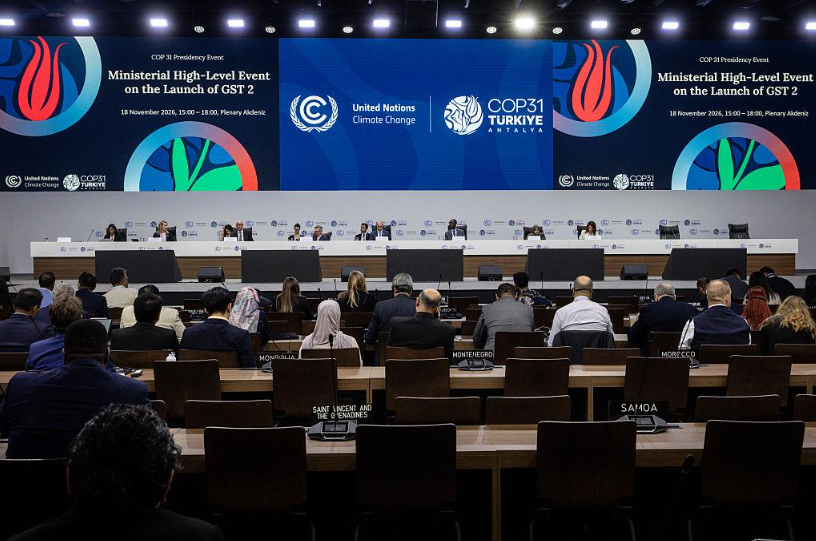
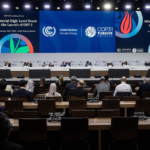
In Antalya, Turkey, the COP31 climate summit produced contrasting developments.
Turkey reported more than $26 billion in investment deals and financing plans associated with the conference. These arrangements included a preliminary renewable-energy agreement with China and financing from international development institutions.
The announcements demonstrate the growing commercial importance of the global energy transition. Governments increasingly view renewable energy and resilient infrastructure as opportunities for industrial development and foreign investment.
Yet the diplomatic negotiations remained deeply divided.
A draft international agreement omitted explicit references to fossil fuels, drawing criticism from environmental organizations and vulnerable countries. Negotiators also struggled to establish clear commitments on financial assistance for climate adaptation.
The contrast raises questions about how international conferences should be judged.
Attracting investment can create meaningful economic benefits. However, commercial agreements do not automatically deliver reductions in greenhouse gas emissions or ensure that vulnerable countries receive sufficient support.
As of Friday, the final outcome of COP31 remained unresolved.
American Consumers Prepare for the Holiday Shopping Season
The coming Black Friday shopping period represents another important test of economic confidence.
Retail analysts expect American holiday spending to grow despite concerns about inflation, energy costs and household debt.
Oxford Economics forecasts approximately 4.2% growth in holiday retail sales. However, rising prices could account for part of the increase.
For retailers, the challenge is maintaining demand while offering competitive discounts and protecting profit margins.
For investors, holiday spending will provide evidence about the financial condition of American households.
Consumer expenditure accounts for roughly two-thirds of U.S. economic activity. A sustained slowdown could therefore have consequences for employment, business earnings and economic growth.
The coming shopping season will help determine whether consumers remain resilient or are increasingly constrained by higher living costs. Reuters
THE ABE TAKE | The Global Economy Is Growing More Unevenly
This week’s developments reveal a world economy moving in different directions simultaneously.
South Korea’s export milestone demonstrates the rewards of technological specialization. Canada’s trade negotiations show how governments are seeking alternatives to concentrated economic relationships. Turkey’s investment announcements highlight the commercial opportunities associated with energy infrastructure.
Yet financial-market volatility, uncertain technology valuations and persistent inflation concerns demonstrate that economic growth remains fragile.
The most important distinction is between activity and resilience.
A country can report record exports while remaining dependent on a narrow group of industries. A company can attract substantial investment without generating sustainable profits. A government can announce billions in financing without immediately delivering completed projects.
These achievements matter, but their long-term significance depends on implementation, productivity and economic stability.
For governments, the priority should be building competitive industries and diversified trading relationships. For businesses, disciplined investment and operational efficiency are becoming increasingly important.
For investors, the week’s turbulence reinforces the need to distinguish genuine long-term economic value from short-term market enthusiasm.
The defining question for the global economy is no longer simply where growth is occurring. It is whether that growth can withstand higher costs, geopolitical competition and changing financial conditions.
ABE MAGAZINE
Understand More. Think Bigger.