







By ABE Editorial Desk
Turkey’s Investment Success Contrasts With Diplomatic Uncertainty
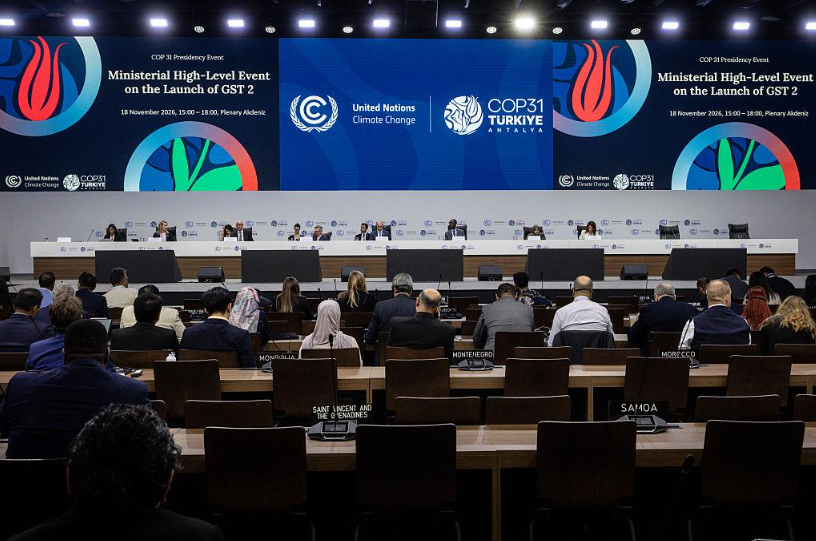
The COP31 climate summit in Antalya, Turkey, has entered its final scheduled day with an unusual contrast. While international negotiators remain divided over critical environmental commitments, the host country is preparing to leave the conference with investment agreements and financing plans worth more than $26 billion.
According to Reuters reporting on November 20, the announced arrangements include a preliminary $15 billion renewable energy agreement with China, approximately $5.1 billion in financing from development banks, and additional agreements involving Saudi Arabia and Canada.
The investments could strengthen Turkey’s energy infrastructure, support industrial development and expand its position in the global clean-energy economy. However, the announced total includes preliminary agreements and financing plans rather than completed investments.
Meanwhile, representatives from more than 190 countries continue to disagree over fossil fuel reductions and financial assistance for vulnerable nations. The latest draft climate agreement has removed explicit references to reducing fossil fuel use, raising concerns about the ambition of the negotiations.
The contrast illustrates a fundamental challenge for international climate policy. Countries may find substantial economic opportunities in clean-energy investment even when they struggle to reach common environmental commitments.
A $15 Billion Renewable Energy Partnership With China
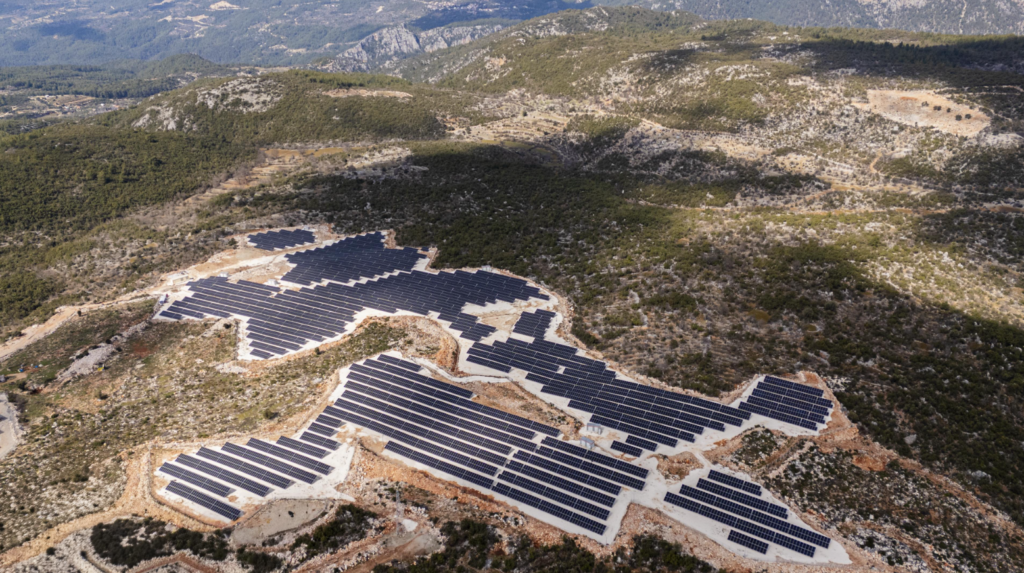
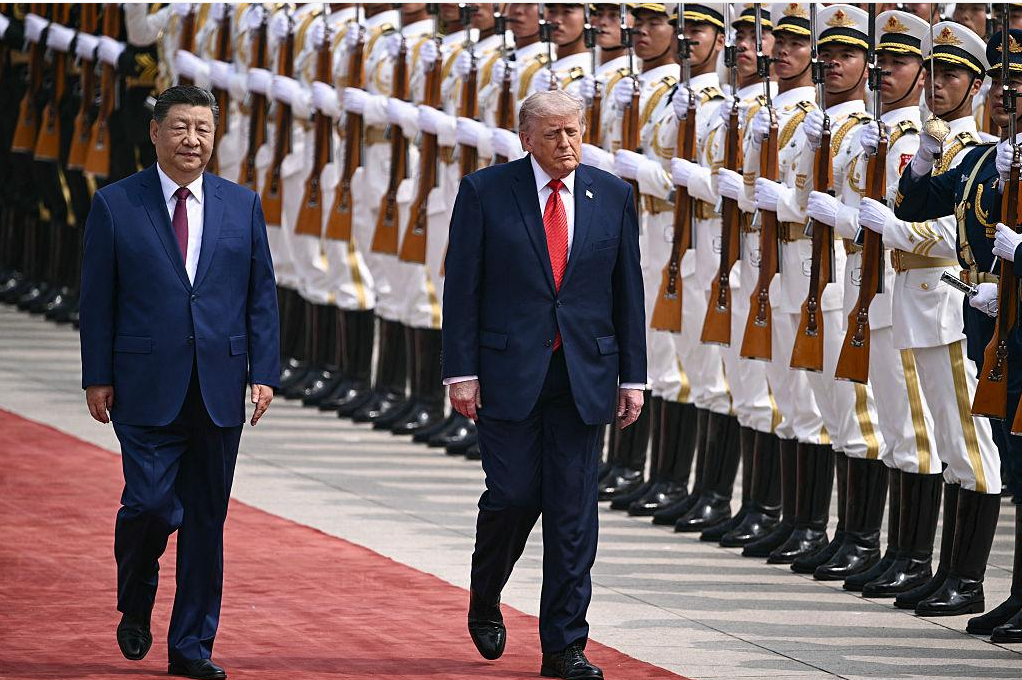
The largest reported component of Turkey’s investment announcements is a preliminary $15 billion renewable energy agreement with China.
China has become a major force in global clean-energy manufacturing and infrastructure development. Its companies are prominent suppliers of solar panels, batteries and other technologies needed for electricity generation and storage.
For Turkey, cooperation with Chinese investors could accelerate the expansion of renewable energy and reduce reliance on imported fossil fuels. Additional generating capacity could also strengthen energy security and support electricity-intensive industries.
However, the agreement remains preliminary. Its eventual economic impact will depend on project approvals, financing arrangements, construction schedules and whether the proposed investments are fully implemented.
The partnership also demonstrates how climate policy increasingly intersects with industrial competition. Governments are seeking not only to reduce emissions but also to attract manufacturing, technology and infrastructure investment.
Turkey’s geographic position between Europe and Asia gives it potential advantages in energy trade and regional supply chains. Its ability to convert investment announcements into functioning infrastructure will determine whether those advantages produce lasting economic benefits.
Development Banks Commit Billions to Turkey’s Transition
Beyond the Chinese agreement, Turkey has secured approximately $5.1 billion in financing arrangements involving four multilateral development banks.
The institutions include the World Bank, Asian Development Bank, Asian Infrastructure Investment Bank and Islamic Development Bank. Agreements announced during the conference cover projects related to resilient infrastructure, industrial modernization, agriculture and support for businesses.
Some financing is intended to strengthen hospitals and public services against disasters. Other arrangements support smaller companies and industries adapting to environmental and economic pressures.
This broader approach reflects an important change in climate investment. The transition is not limited to constructing renewable power plants. It also requires transportation systems, resilient public infrastructure, financial institutions and businesses capable of operating in a changing economic environment.
Nevertheless, development financing must be distinguished from immediate government revenue. Loans and other financial arrangements involve conditions, implementation requirements and, in some cases, repayment obligations.
The long-term benefits will depend on whether financed projects improve productivity, reduce emissions and strengthen economic resilience.
Why Global Climate Negotiations Are Struggling
Turkey’s commercial progress comes as COP31 negotiators face mounting criticism over the proposed international agreement.
One of the most contentious issues concerns fossil fuels. The latest draft has removed explicit language calling for their reduction, despite the central role of coal, oil and natural gas in global greenhouse gas emissions.
The omission has alarmed environmental organizations and several national delegations. Critics argue that an agreement without meaningful commitments on fossil fuels risks weakening the credibility of international climate negotiations.
Another major disagreement concerns climate finance. Developing countries continue to demand greater financial support for adaptation, infrastructure and the consequences of extreme weather.
Many vulnerable nations contribute relatively little to historical global emissions but face severe economic and environmental risks. They argue that wealthier countries should provide more predictable financing to help them respond.
A proposed commitment to triple adaptation finance remains under discussion, but the latest draft does not specify a monetary amount.
As of November 20, the negotiations have not produced a final agreement. Delegates expect discussions may continue beyond the scheduled closing date.
Climate Conferences Are Becoming Investment Platforms
The COP31 climate summit has also demonstrated the growing commercial importance of international environmental gatherings.
Beyond formal negotiations, the conference has attracted businesses, financial institutions, technology developers and investors seeking new partnerships.
Turkish companies have used the event to introduce products and explore international markets. Harves Technology, a startup producing compact modular rainwater tanks, reported discussions with potential investors from India and France.
The company also attracted interest from distributors in countries including Somalia, Brazil, Spain and Greece.
Another Turkish business, Liaqua, develops technology that extracts drinking water from humid air. Its representatives reported interest from officials, investors and financial institutions across several international markets.
These examples show how climate conferences can create opportunities for smaller companies that may otherwise struggle to reach international investors.
For emerging businesses, access to capital and distribution networks can be as important as technological innovation. International conferences provide opportunities to build relationships, demonstrate products and understand demand in unfamiliar markets.
However, commercial interest should not be confused with confirmed investment. Discussions and preliminary agreements must lead to signed contracts, financing and successful delivery before their economic value can be established.
What Turkey’s Strategy Means for Other Countries
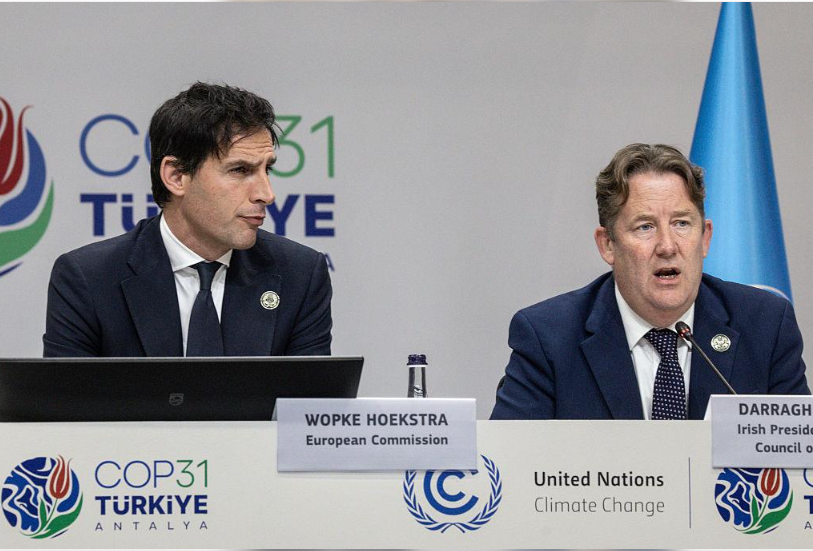
Turkey’s approach offers lessons for countries seeking to attract international capital into their energy and infrastructure sectors.
Hosting a major international conference creates diplomatic visibility and brings decision-makers into direct contact with domestic businesses. Governments can use that opportunity to promote investment priorities and connect companies with potential partners.
For developing economies, similar strategies could support renewable energy, agricultural technology, water infrastructure and industrial modernization.
However, hosting conferences is expensive, and investment announcements do not automatically justify those costs. Governments must evaluate the quality of agreements, their financing conditions and their potential benefits for local communities.
There is also a wider concern about unequal access to climate investment. Countries with stronger institutions, larger markets and established infrastructure may attract more capital than poorer nations facing greater climate risks.
Without effective international financing mechanisms, the energy transition could reinforce existing economic inequalities rather than reduce them.
THE ABE TAKE | Investment Success Is Not the Same as Climate Progress
The COP31 climate summit reveals two competing realities of the global energy transition.
On one side, governments and businesses increasingly recognize the commercial opportunities associated with renewable energy, infrastructure and environmental technology. Turkey’s reported $26 billion in deals and financing plans demonstrates how climate diplomacy can attract international capital.
On the other side, collective negotiations remain constrained by disagreements over fossil fuels, financial responsibility and the economic costs of reducing emissions.
These developments should not be treated as equivalent achievements.
Investment agreements can strengthen individual economies, but they do not necessarily guarantee meaningful reductions in global emissions. Their environmental value depends on implementation, project quality and measurable results.
Similarly, successful climate diplomacy requires more than encouraging private investment. It must establish credible international commitments and ensure that vulnerable countries can access the resources needed to adapt.
Turkey’s investment strategy may ultimately prove economically valuable. Yet the conference’s broader success will depend on whether governments can reach an agreement that addresses the underlying causes and consequences of climate change.
The central challenge is connecting commercial opportunity with collective responsibility.
The future of climate diplomacy will depend not simply on how much investment international conferences attract, but on whether that investment contributes to measurable environmental progress and a more equitable global energy transition.
ABE MAGAZINE
Understand More. Think Bigger.