






By ABE Editorial Desk
A Major Turning Point in Britain’s Relationship With Europe
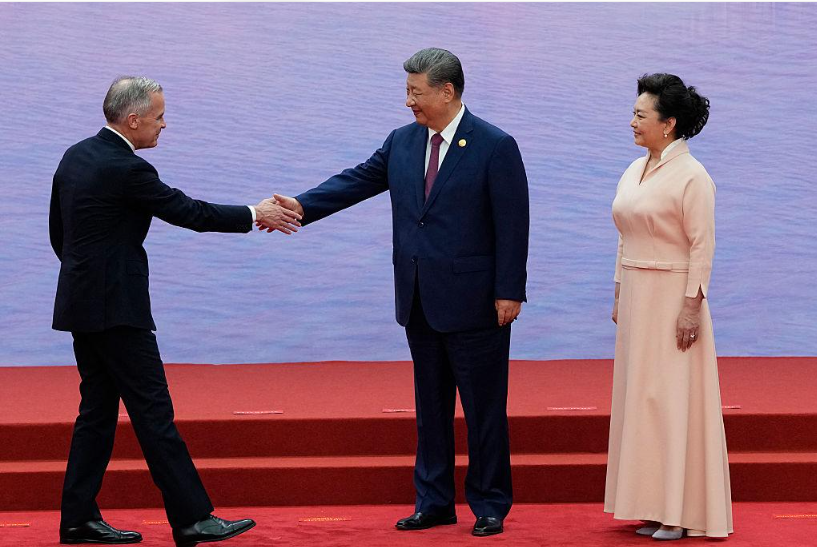
The UK–EU summit agreement reached in Brussels on November 20, 2026, represents a major effort to rebuild economic and political cooperation after a decade of Brexit-related tensions. British Prime Minister Andy Burnham met European Commission President Ursula von der Leyen and European Council President António Costa to finalize arrangements intended to reduce trade barriers and strengthen bilateral relations.
The British government estimates that the package could increase the country’s economic output by approximately £17 billion annually by 2040. This represents a potential 0.5% increase in GDP, rather than an immediate financial gain. The projected benefits depend on successful implementation and the response of businesses and consumers.
The agreement covers agricultural trade, emissions trading and new opportunities for young people to live, work and study across borders. It also reinforces cooperation on security, migration and international challenges. Together, these measures signal a more pragmatic approach to managing Britain’s relationship with its largest neighbouring trading bloc.
However, the agreement does not reverse Brexit. Britain remains outside the European Union, its single market and its customs union. The challenge is whether closer cooperation can deliver meaningful economic improvements without reopening the political divisions that shaped Britain’s departure.
Removing Barriers to Food and Agricultural Trade
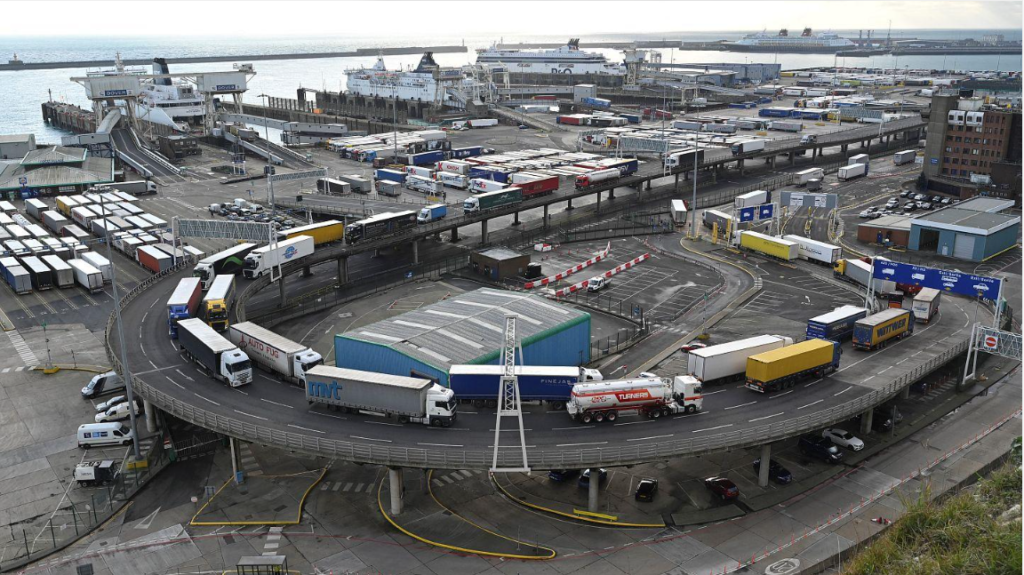
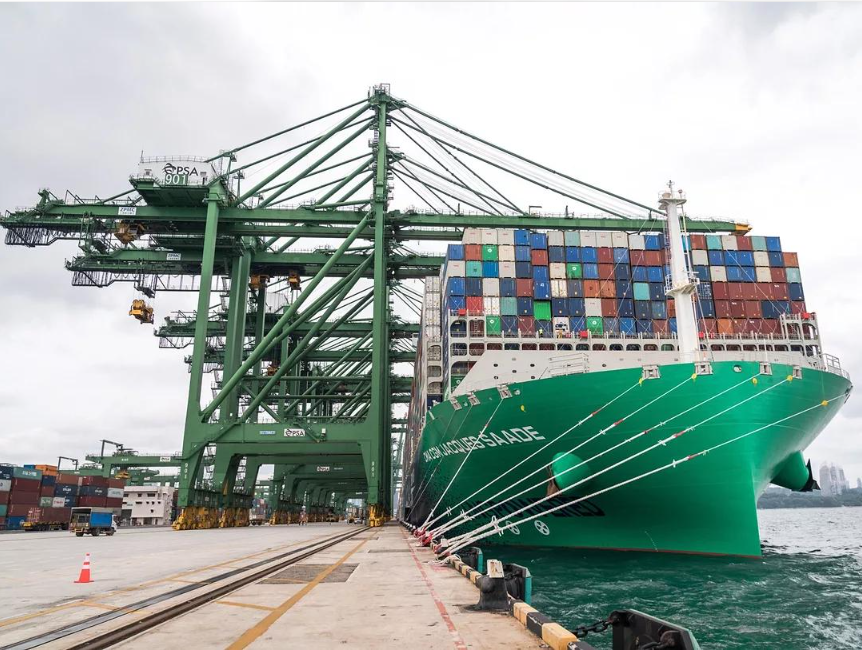
One of the most important elements of the UK–EU summit agreement concerns food and agricultural products. Since Brexit, exporters have faced additional certification requirements, inspections and administrative costs when moving goods between Britain and the European Union.
The new sanitary and phytosanitary agreement aims to remove many of these barriers. Export Health Certificates, which can cost businesses up to £200 each, will no longer be required for covered goods. Certain plant-health certificates and inspections will also be eliminated, reducing delays and expenses for producers.
The British government estimates that the food-trade arrangement could contribute approximately £5.1 billion annually to the economy by 2040. Products such as fresh sausages, burgers and seed potatoes are expected to regain easier access to European markets. The agreement is scheduled to apply from March 1, 2028, with limited transitional arrangements.
For smaller businesses, these changes could be particularly valuable. Large exporters often have the resources to manage complicated customs procedures, while smaller producers may struggle with administrative costs. Reducing these obstacles could encourage more businesses to participate in international trade.
Consumers could also benefit if lower transportation and certification costs translate into reduced food prices. However, supermarket prices depend on several factors, including energy costs, labour expenses, exchange rates and competition. The agreement therefore creates opportunities for savings without guaranteeing immediate reductions at checkout.
A New Carbon Market Partnership for British Industry
The summit also produced an agreement to connect Britain’s emissions trading system with the European Union’s carbon market. Both systems place a price on greenhouse gas emissions, encouraging businesses to reduce pollution while allowing emissions allowances to be traded.
Linking these markets could provide British companies with access to a larger trading system and reduce uncertainty surrounding carbon-related import charges. The arrangement is particularly important for energy-intensive industries, including steel, aluminium and manufacturing.
According to the British government, approximately £6.5 billion in UK exports could avoid additional European carbon-border charges under the proposed framework. Officials estimate that the carbon-market agreement could add nearly £3.8 billion annually to Britain’s economy by 2040.
The two sides aim to make the connection operational by January 2028. Until then, businesses will need to prepare for the regulatory and technical changes required to connect the systems.
The agreement also illustrates how environmental policy has become closely connected to international competitiveness. Carbon pricing is no longer simply a climate-policy instrument. It increasingly influences production costs, investment decisions and access to international markets.
For Britain, the challenge will be balancing industrial competitiveness with its environmental commitments. Greater cooperation could provide more predictable conditions for investors, but it may also require accepting common rules developed through institutions in which Britain has limited direct influence.
Young People Gain New Opportunities Across Borders
Another major feature of the UK–EU summit agreement is the creation of a reciprocal Youth Experience Scheme. The programme will allow eligible people aged 18 to 31 to live, work, study, volunteer or travel in participating countries for up to three years.
The arrangement will provide up to 100,000 places annually for British participants and another 100,000 for European Union participants. Unlike some existing work-visa programmes, applicants will not need a job offer or meet specific salary or language requirements.
The first participants are expected to travel no later than January 2030. The scheme will not provide unrestricted permanent residence or automatic access to public benefits. Participants will also be unable to bring dependants under the arrangement.
For younger generations, the programme could restore opportunities that became more complicated following Brexit. International work experience, language development and access to different educational environments can strengthen employment prospects and professional networks.
Businesses may also benefit from greater access to young workers with international experience. However, the two sides have not resolved every issue surrounding education, including the tuition fees European students will pay at British universities.
The programme’s long-term success will depend on affordability, accessibility and whether young people from different economic backgrounds can realistically participate.
The Political Cost of Closer European Cooperation

Despite its economic ambitions, the agreement introduces difficult questions about British sovereignty.
To remove certain agricultural trade barriers, Britain will align with relevant European Union food and plant-safety regulations. This creates a more consistent trading environment, but it also means that some rules affecting British businesses will be closely connected to decisions made in Brussels.
Supporters argue that regulatory alignment is a practical necessity when countries maintain extensive trading relationships. Common standards reduce duplication, simplify compliance and make international commerce more predictable.
Critics, however, question whether Britain is surrendering some of the regulatory independence promised during the Brexit campaign. They argue that accepting European standards without full participation in European institutions could weaken democratic accountability.
The debate reflects a fundamental economic reality. Countries seeking extensive market access often need to accept shared standards, even when they remain politically independent.
The UK–EU summit agreement therefore represents a compromise rather than a complete resolution of the sovereignty question. Its political durability will depend partly on whether voters believe the economic advantages justify the regulatory commitments.
What the Agreement Means for Europe’s Economic Future
The consequences extend beyond Britain.
The European Union also has an interest in reducing trade friction with a major neighbouring economy. Stronger commercial relationships can improve supply-chain efficiency, encourage investment and support industries operating across national borders.
The agreement arrives during a period of significant geopolitical uncertainty. European governments face challenges involving energy security, industrial competitiveness, migration and relations with major global powers.
Closer cooperation with Britain could strengthen Europe’s ability to respond to these pressures. The summit’s commitments on defence, cybersecurity and action against Russia’s shadow fleet demonstrate that the relationship extends beyond trade.
Nevertheless, the economic benefits will take time to emerge. The main trade and carbon-market arrangements are scheduled for 2028, while the youth scheme may not begin until 2030. Governments must therefore demonstrate that political agreements can produce measurable improvements.
For businesses, implementation will be more important than diplomatic announcements. Companies need clear rules, predictable timelines and confidence that future political disagreements will not undermine the new arrangements.
THE ABE TAKE | Brexit Is Entering an Era of Economic Pragmatism
The November 20 agreement suggests that Britain’s relationship with Europe is moving away from the political confrontation that dominated much of the Brexit debate. Instead, both sides appear increasingly willing to address practical economic problems through negotiated cooperation.
This shift does not mean the original disagreements have disappeared. Questions about sovereignty, regulation and national independence remain central to British politics. However, economic pressures have made the costs of prolonged trade friction more difficult to ignore.
The government’s projected £17 billion annual benefit is significant, but it should be treated as an estimate rather than a guaranteed outcome. Businesses will judge the agreement by whether it reduces costs, improves market access and creates more predictable operating conditions.
The youth mobility programme also deserves attention. Economic integration is not limited to goods and financial markets. Opportunities for education, employment and cultural exchange can influence productivity and international relationships over generations.
Ultimately, the UK–EU summit agreement demonstrates that political separation does not eliminate economic interdependence. Britain and Europe remain closely connected through trade, investment, geography and shared security concerns.
The real test of this new chapter will not be whether Britain and Europe can sign agreements, but whether they can turn renewed cooperation into lasting economic opportunity without reopening the divisions of the past decade.
ABE MAGAZINE
Understand More. Think Bigger.