






ABE MAGAZINE | BUSINESS & TELECOMMUNICATIONS
October 19, 2026
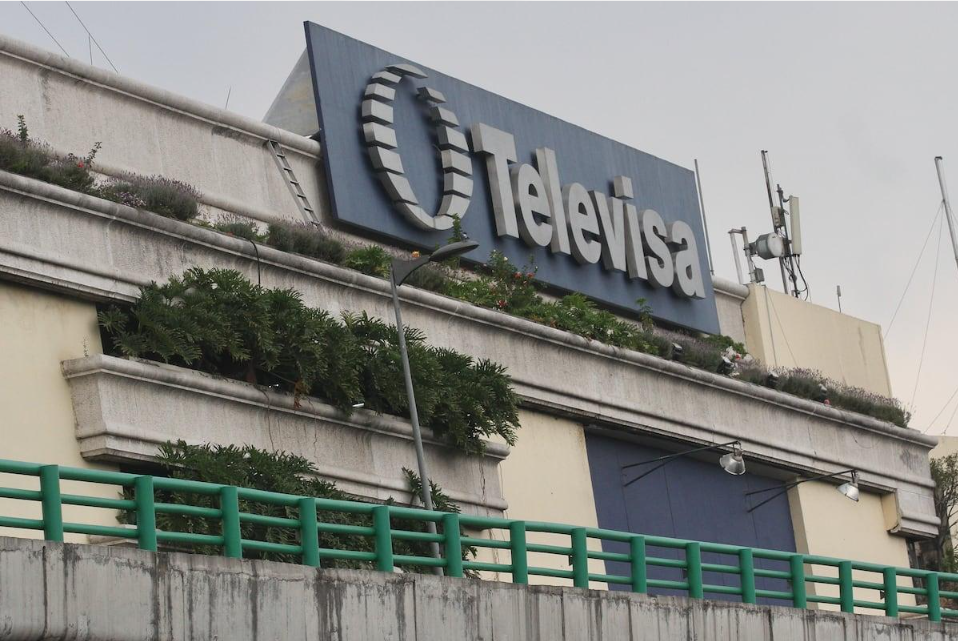
Mexico’s telecommunications industry is preparing for a significant shift in competitive power. Grupo Televisa has announced a $2 billion agreement to acquire AT&T’s Mexican operations alongside investment partner Fintech Holdings, a transaction that could strengthen its position against América Móvil, the telecommunications giant controlled by the family of billionaire Carlos Slim. The proposed acquisition brings together two businesses seeking greater scale in a market where network investment, customer loyalty and operating efficiency increasingly determine success. Yet the size of the transaction is only part of the story. Its ultimate importance will depend on whether Televisa can transform a struggling mobile operation into a profitable competitor.
A Major Deal in Mexico’s Telecommunications Market

Grupo Televisa’s agreement to acquire AT&T Mexico represents an important development in one of Latin America’s largest telecommunications markets. Announced in October, the $2 billion cash transaction is being pursued in partnership with privately held Fintech Holdings and is expected to close during the first quarter of 2027, subject to the necessary approvals and closing conditions.
The acquisition would significantly expand Televisa’s presence beyond its established television and broadband businesses. According to estimates from Scotiabank analysts, the combined operation’s share of Mexico’s fixed and wireless subscribers could increase from approximately 8% to 19%.
That expansion would give Televisa a stronger position in negotiations with suppliers, a broader customer base and more opportunities to sell multiple communications services through a single commercial relationship. It would also bring the company into more direct competition with América Móvil, whose established networks and extensive customer relationships have made it a dominant force in Mexican telecommunications.
Investors initially welcomed the announcement, with Televisa’s shares rising approximately 6% during trading following news of the deal. However, the market’s positive reaction does not eliminate the substantial operational challenges facing the proposed combination.
Why Televisa Wants a Bigger Telecommunications Business
Televisa has long been associated with broadcasting and entertainment, but telecommunications infrastructure and subscription services have become increasingly important to its business strategy. Consumers now expect connectivity across multiple devices, while businesses depend on reliable broadband and mobile networks for everyday operations.
Owning a larger mobile operation would allow Televisa to offer more comprehensive packages combining fixed internet and wireless services. Such arrangements can strengthen customer retention because households and businesses may prefer dealing with one provider rather than maintaining separate subscriptions.
The commercial opportunity is considerable. A telecommunications company that serves customers through several products may be able to increase revenue per relationship while distributing marketing and customer-service costs across a larger base.
However, offering more services does not automatically produce higher profits. The company must ensure that its network quality, pricing and customer experience are competitive enough to persuade subscribers to remain with the combined business.
Televisa is effectively betting that scale and service integration can create advantages that neither business could achieve as effectively on its own.
The Challenge of Competing With América Móvil
Any assessment of the proposed acquisition must consider the strength of América Móvil. The company has spent years developing telecommunications infrastructure, distribution networks and customer relationships across Mexico and other international markets.
Its scale gives it important advantages in network investment, brand recognition and the ability to spread operating costs across a large subscriber base. A stronger Televisa could introduce additional competitive pressure, but overcoming those advantages will require sustained investment and disciplined execution.
Analysts have warned that the transaction may not immediately threaten América Móvil’s market position. Even with a larger subscriber base, Televisa would need to improve the economics of its acquired mobile operations while maintaining service quality.
The competitive outcome will depend partly on whether consumers see meaningful improvements in coverage, pricing and service offerings. A larger competitor could create incentives for better products and stronger investment across the market, although consolidation does not guarantee lower prices.
For customers, the most important result will be the quality and affordability of the services that emerge after the acquisition.
AT&T Mexico’s Difficult Economics
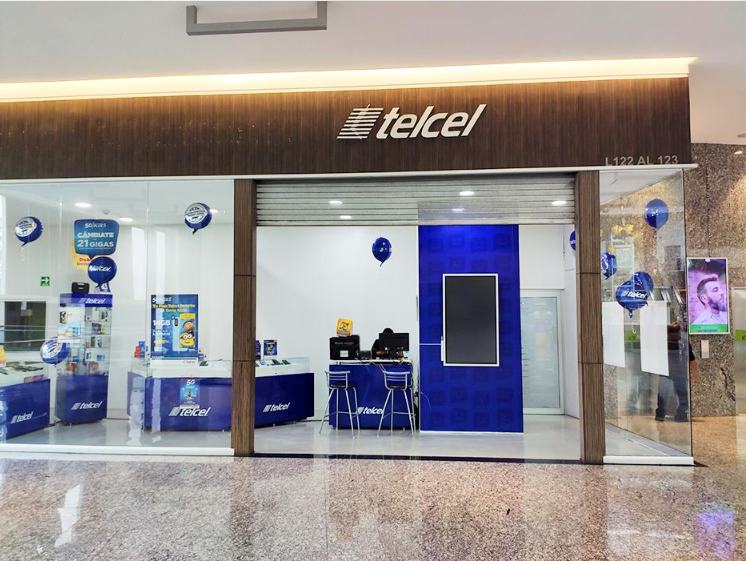
The proposed transaction also reflects the challenges of operating a telecommunications business in a capital-intensive industry. Mobile networks require continuing expenditure on equipment, maintenance, spectrum and technological upgrades.
AT&T Mexico has historically struggled with relatively low operating margins, according to analysts cited in reporting on the deal. Improving those margins will be central to Televisa’s ability to generate an attractive return on its investment.
The business also needs further network modernization, particularly as demand for faster and more reliable 5G services increases. Such upgrades can be expensive, creating a difficult balance between investing for future growth and generating cash in the present.
A relatively low acquisition price compared with some regional telecommunications valuations may give the buyers additional financial flexibility. Nevertheless, the purchase price alone cannot determine whether the transaction represents good value.
The real test will be whether management can improve operating efficiency, attract and retain customers, and fund necessary network investment without undermining profitability.
What the Deal Means for Mexico’s Digital Economy
Telecommunications infrastructure has become an essential foundation of modern economic activity. Businesses rely on mobile connectivity for payments, logistics, customer communication and access to digital services, while households increasingly depend on reliable internet connections for education, employment and entertainment.
Stronger competition among major network providers could encourage improvements in coverage, service quality and technological investment. It could also support businesses seeking more dependable connectivity across different regions of Mexico.
However, these benefits are possibilities rather than guaranteed outcomes. Regulators will need to assess the proposed transaction, and the combined company will have to demonstrate that its expansion produces commercial and operational improvements.
Mexico’s broader economic development depends partly on access to affordable and reliable communications infrastructure. The proposed acquisition therefore has implications beyond the companies and investors directly involved.
Its significance will ultimately be measured not only by market share, but also by whether it contributes to better telecommunications services and a more competitive digital economy.
THE ABE TAKE
Televisa’s proposed acquisition of AT&T Mexico illustrates an important principle in business: purchasing market share is easier than converting it into sustainable profitability.
The $2 billion transaction could give Televisa the scale necessary to become a more formidable competitor in Mexican telecommunications. Yet the company’s ability to challenge América Móvil will depend on decisions made after the deal closes, particularly around network investment, customer service and financial discipline.
For investors, the central question is whether the combined operation can produce stronger cash flow and improved returns. For customers, it is whether increased competition leads to better services and greater choice.
The deal also demonstrates how established businesses are reconsidering their positions as industries evolve. Televisa’s traditional identity as a media company is becoming less important than its ability to compete in a market where connectivity is central to commercial and everyday life.
Mexico’s telecommunications landscape may be approaching a meaningful change, but the outcome remains uncertain. The acquisition would provide Televisa with a larger platform. Building a stronger business from that platform will be the more difficult achievement.
ABE MAGAZINE
Understand More. Think Bigger.