






The Hook
When the world becomes uncertain, investors often return to something that has held value for thousands of years.
Gold.
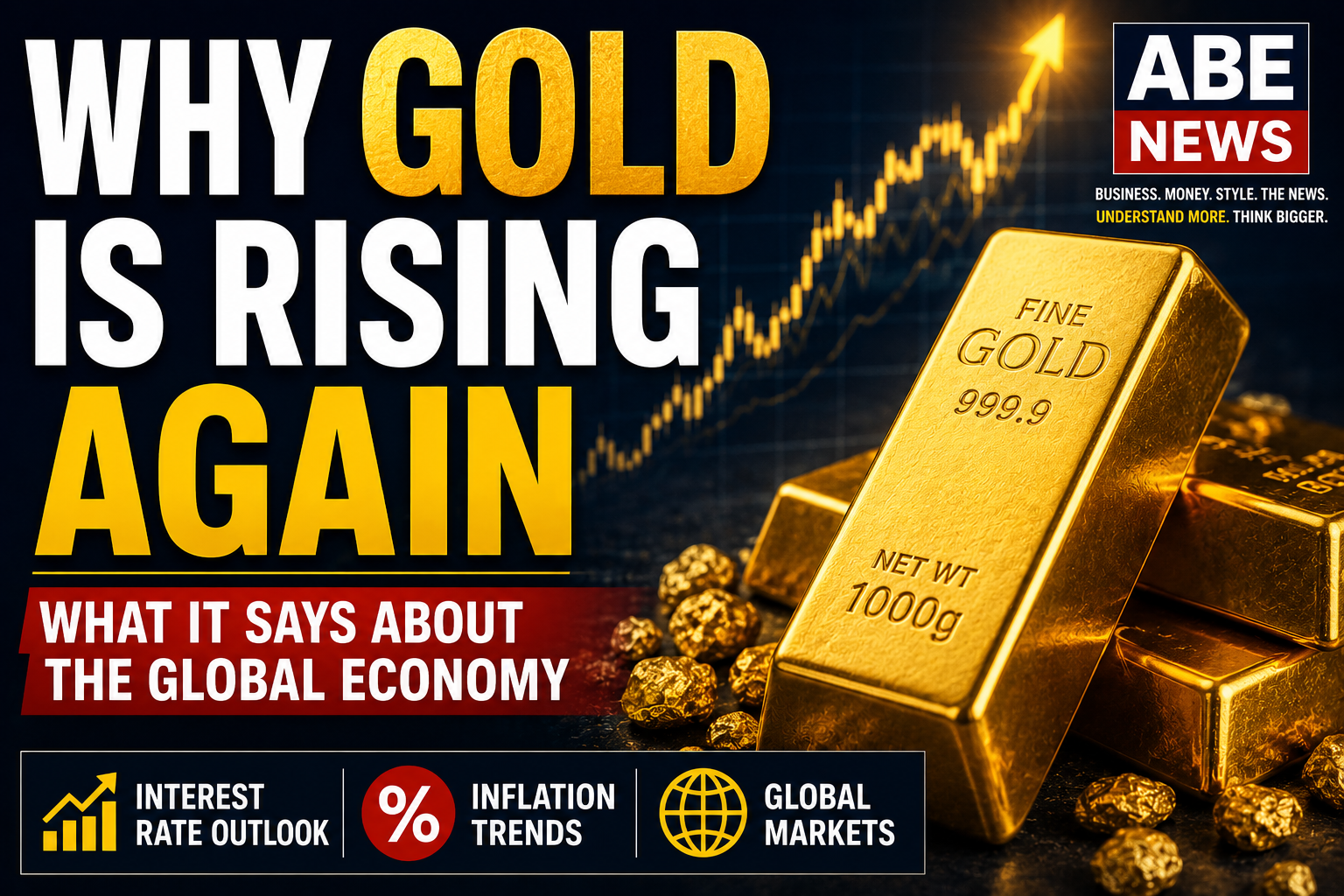
This week, the precious metal surged to a seven-week high and is on track for its strongest weekly gain since January. But this isn’t just a story about a shiny metal.
It’s a story about confidence, fear, interest rates, and the future of the global economy.
The Story
Gold prices have climbed more than 7% this week, with spot gold trading above $4,300 per ounce on Friday.
The rally comes as investors expect the U.S. Federal Reserve may be less likely to raise interest rates after signs that inflation pressures are easing. Markets are also watching the latest U.S. jobs report, one of the most important economic releases each month.
When investors believe interest rates may stay lower than expected, gold often becomes more attractive because it does not pay interest like bonds or savings accounts.
Why Investors Buy Gold
Gold doesn’t produce profits.
It doesn’t pay dividends.
It doesn’t generate cash flow.
So why do people buy it?
Because gold has something many financial assets don’t.
Trust.
For centuries, investors have turned to gold during periods of uncertainty.
Wars.
Financial crises.
Inflation.
Currency weakness.
Political instability.
Gold has earned a reputation as a store of value when confidence in other assets begins to weaken.
It’s Not Just Fear
Many people think gold only rises during bad times.
That’s not always true.
This week’s rally has also been supported by changing expectations about interest rates.
If borrowing costs stop rising, businesses can invest more easily, consumers may spend more, and financial conditions generally become less restrictive.
That changes how investors value almost every asset—including gold.
Central Banks Are Buying Too
Individual investors aren’t the only buyers.
Central banks continue adding gold to their reserves.
According to Reuters, China’s central bank increased its gold holdings again in July, marking the fifth consecutive month of purchases.
When central banks increase their gold reserves, markets often view it as a sign that governments continue to see gold as an important long-term reserve asset.
What Happens Next?
Investors are now focused on economic data.
If employment remains weak and inflation continues to cool, expectations for future interest-rate increases could decline further.
That may continue supporting gold prices.
If inflation unexpectedly returns or economic growth accelerates sharply, the outlook could change.
Like every investment, gold responds to changing economic conditions.
Why It Matters
Gold isn’t just another commodity.
It reflects how investors feel about the future.
When confidence grows, money often flows into businesses, technology companies and stocks.
When uncertainty rises, many investors seek assets they believe can better protect their wealth.
Watching gold therefore isn’t only about watching gold.
It’s about watching global confidence.
THE ABE NEWS TAKE
Gold doesn’t become valuable because it changes.
It becomes valuable because people’s expectations change.
This week reminds us that markets aren’t driven only by facts.
They’re driven by expectations about the future.
A single jobs report.
A speech by a central banker.
A change in inflation.
All can influence where billions of dollars move next.
For investors, gold shouldn’t be viewed as a guaranteed path to wealth.
Instead, it should be understood as one piece of a much larger financial system.
When gold moves sharply, it’s often telling us that something bigger may be changing beneath the surface of the global economy.
The smartest investors don’t just watch the price of gold.
They ask why it’s moving.
That’s usually where the real story begins.
ABE NEWS
Business. Money. Style. The News.
Understand More. Think Bigger.
Sources
- Reuters — Gold set for best week since January as inflation fears ebb.
- Reuters — Morning Bid: Dealjà vu (global markets outlook).