







ABE MAGAZINE | TOURISM & TRAVEL
November 14, 2026
By ABE Editorial Desk
International travel has become one of the clearest expressions of modern prosperity. Airports connect distant economies, hotels compete for international visitors, and destinations increasingly depend on tourism to support employment and investment. Yet beneath the industry’s continued activity, a difficult question is emerging: how much longer can ordinary households absorb the rising cost of seeing the world?
The global tourism industry is still expanding, although its momentum has weakened considerably. UN Tourism recorded approximately 690 million international arrivals during the first six months of 2026, an increase of just 0.4% from the previous year. Meanwhile, major hospitality companies continue to report resilient demand and strong investor interest. The contrast reveals a changing market in which travel remains economically important, but affordability is becoming an increasingly decisive factor in who travels, where they go and how much they spend.
A Recovery That Is Losing Momentum
Tourism’s recovery from the pandemic has been remarkable, but the latest figures suggest the industry is entering a more complicated period. According to the OECD’s Tourism Trends and Policies 2026 report, international tourist arrivals across OECD countries reached a record 847 million in 2025, increasing 3.4% from the previous year. Tourism continues to support national economies through accommodation, transport, restaurants and spending by international visitors.
However, the global picture for 2026 is less encouraging. UN Tourism reported that international arrivals increased 2% in the first quarter before declining 1% in the second. The organisation subsequently reduced its forecast for full-year international arrivals growth to between 1% and 2%, down from its earlier projection of 3% to 4%.
These figures challenge the idea of an uninterrupted tourism boom. Travellers have not abandoned international holidays, but their decisions are becoming more sensitive to prices, geopolitical uncertainty and disruptions to transport networks. For businesses, the challenge is no longer simply attracting visitors; it is maintaining demand in an environment where the cost of travel can change rapidly.
Why Holidays Are Becoming More Expensive
The rising cost of tourism reflects several pressures operating simultaneously. Airlines face volatile fuel prices, longer flight routes and operational disruptions, while hotels must manage higher energy, labour and food costs. These expenses do not always translate immediately into higher consumer prices, but sustained increases eventually place pressure on the cost of accommodation and transportation.
The OECD reports that restaurant and hotel prices across its member economies rose 46.1% between 2020 and 2024, compared with 34.9% for prices across the wider economy. Although these figures do not mean every holiday became 46% more expensive, they demonstrate how strongly hospitality-related costs increased during that period.
More recent economic developments have added to the pressure. OECD figures released in November show that average consumer prices across member countries were more than 40% above their December 2019 levels. Energy prices were close to 70% higher, creating additional difficulties for transport operators and businesses that depend heavily on fuel and electricity.
For households, these changes accumulate. An international holiday involves more than an airline ticket or hotel reservation. Meals, airport transfers, attractions, travel insurance and local transportation can turn a seemingly affordable trip into a substantial financial commitment.
The Hotels Are Winning, but the Market Is Changing

Despite the pressure on consumers, major hotel groups have demonstrated considerable financial resilience. Financial Times reporting in November found that the world’s largest hotel companies had gained nearly $50 billion in combined market value during 2026. Marriott, Hilton and Hyatt had also improved their outlooks as demand remained stronger than many investors expected.
Booking Holdings reported record quarterly gross bookings of $54.5 billion, representing a 10% increase. The performance suggests that consumers continue to prioritise travel even while reducing spending in other areas. However, rising company valuations and booking values should not automatically be interpreted as evidence that holidays have become more affordable or that every segment of the tourism industry is thriving.
The distinction matters because tourism businesses serve different customers. Luxury resorts, premium hotels and high-end experiences may attract travellers with greater financial flexibility, while budget-conscious households face difficult choices about destinations, accommodation and trip duration.
A strong hospitality market can therefore coexist with affordability problems. Higher spending may reflect stronger demand, increased prices, a shift toward premium experiences or some combination of these factors. Understanding that difference is essential when assessing the industry’s underlying health.
Travellers Are Changing Destinations, Not Necessarily Cancelling
One of the most important developments in tourism is the willingness of travellers to reconsider where they go. Instead of abandoning holidays altogether, some consumers are choosing destinations closer to home, travelling outside peak seasons or seeking accommodation that offers better value.
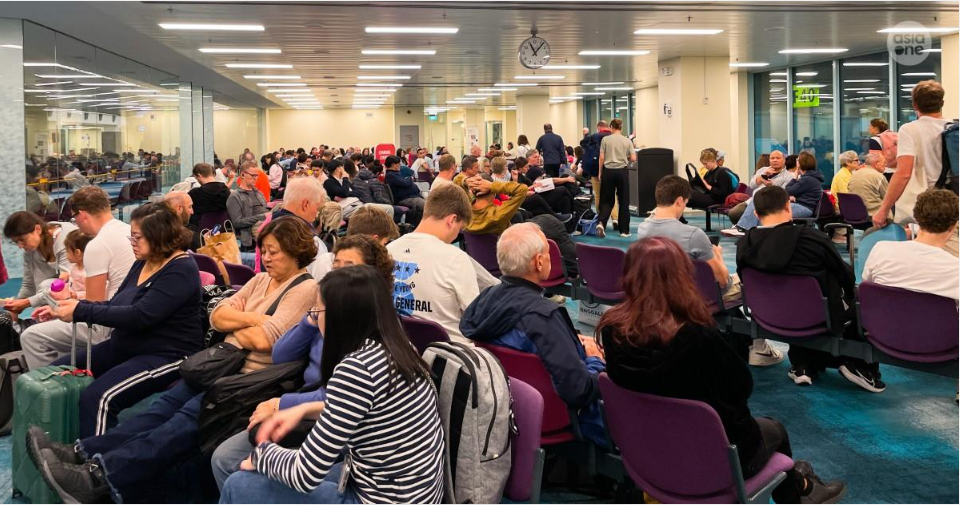
UN Tourism expects this behaviour to remain important as elevated prices and uncertainty influence travel decisions. Its regional figures also reveal significant differences. During the first half of 2026, arrivals increased 4% in Africa and 3% in Europe, while the Americas recorded 2% growth. The Middle East experienced a 22% decline amid conflict and associated travel disruptions.
These differences show that global tourism cannot be understood through a single growth figure. A destination experiencing strong demand may face overcrowding and rising accommodation costs, while another may struggle because of disrupted air connections or changing perceptions of safety.
For tourism operators, adaptability is becoming a competitive advantage. Businesses that offer flexible bookings, transparent pricing and reliable travel experiences may be better positioned to retain customers. Destinations that depend heavily on one international market or transport corridor face greater exposure when economic or geopolitical conditions change.
The Economic Divide Behind Global Tourism
The affordability debate also raises a broader question about who benefits from tourism growth. International travel generates revenue for airlines, hotels, restaurants and local businesses, but rising prices can make participation increasingly difficult for households with limited discretionary income.
The World Economic Forum’s Travel & Tourism Development Index 2026 found that price competitiveness deteriorated in 75% of ranked economies between 2024 and 2026. The report also identified growing constraints associated with investment, affordability and sustainability, even as the conditions supporting tourism development improved in other respects.
This creates a difficult commercial balance. Tourism companies must recover operating costs and finance investment, but prices that rise faster than customers’ ability to pay can eventually weaken demand. Higher-income travellers may continue purchasing premium experiences, while middle-income consumers become more selective.
The consequences extend beyond travellers. Destinations depend on tourism spending to support employment and public revenue, yet excessive pressure on housing, transport and public services can create tension with residents. Sustainable tourism requires more than attracting greater visitor numbers; it requires ensuring that economic benefits are broadly shared.
Can the Industry Keep Growing Without Becoming Exclusive?
The next stage of tourism growth will depend partly on whether businesses can improve productivity and offer greater value without undermining service quality. Airlines must manage fuel costs and capacity constraints, while accommodation providers face the challenge of balancing profitability with competitive pricing.
Governments also have a role. Reliable transport infrastructure, efficient visa processes and investment in regional destinations can improve accessibility. Better connections may allow travellers to explore alternatives beyond established tourism centres, potentially distributing economic activity more widely.
However, affordability cannot be solved by tourism companies alone. Household purchasing power, exchange rates, inflation and economic confidence all influence travel decisions. Even when the desire to travel remains strong, financial circumstances determine whether that desire becomes an actual booking.
The industry’s resilience is encouraging, but it should not obscure the risks. Tourism can continue expanding in financial terms while becoming less accessible to significant portions of the population. That possibility deserves closer attention than headline visitor numbers alone.
THE ABE TAKE
The global tourism industry faces a contradiction that may define its next decade. Travel remains a powerful economic activity, and major hospitality companies continue to demonstrate their ability to attract customers and investors. Yet the cost of participating in that economy is rising, creating questions about accessibility and long-term demand.
The central challenge is not whether people still want to travel. Evidence suggests that they do. The more important question is whether tourism businesses and destinations can provide experiences that remain financially realistic for a broad range of consumers.
A profitable tourism industry is not necessarily an inclusive one. Strong hotel earnings, record booking values and busy airports can conceal growing differences between travellers who can comfortably absorb higher prices and those who must reduce or abandon their plans.
For governments and businesses, the opportunity lies in making tourism more resilient, competitive and accessible. That requires investment in infrastructure, greater transparency in pricing and strategies that recognise the financial pressures facing ordinary households.
The world is still travelling. Whether international travel remains a widely accessible experience, rather than an increasingly selective privilege, will depend on how the industry responds to the economics of affordability.
ABE MAGAZINE
Understand More. Think Bigger.