






ABE MAGAZINE | WEEK IN BUSINESS
November 7–13, 2026
By ABE Editorial Desk
Global business entered the week facing a familiar problem: uncertainty. Yet by Friday, the sources of that uncertainty had become remarkably diverse. A leadership crisis shook Nvidia, China extended its trade truce with Washington, and European manufacturers confronted difficult investment decisions. Meanwhile, energy markets remained volatile, luxury companies faced questions about consumer demand, and a Microsoft outage disrupted essential services.
Behind these developments lies a broader transformation. Governments are competing to protect domestic industries, investors are reconsidering technology valuations, and businesses are discovering that efficiency alone cannot guarantee stability. This week’s events suggest that the next phase of global growth may depend less on expansion at any cost and more on resilience, adaptability and strategic control.
China and the United States Extend Their Trade Truce
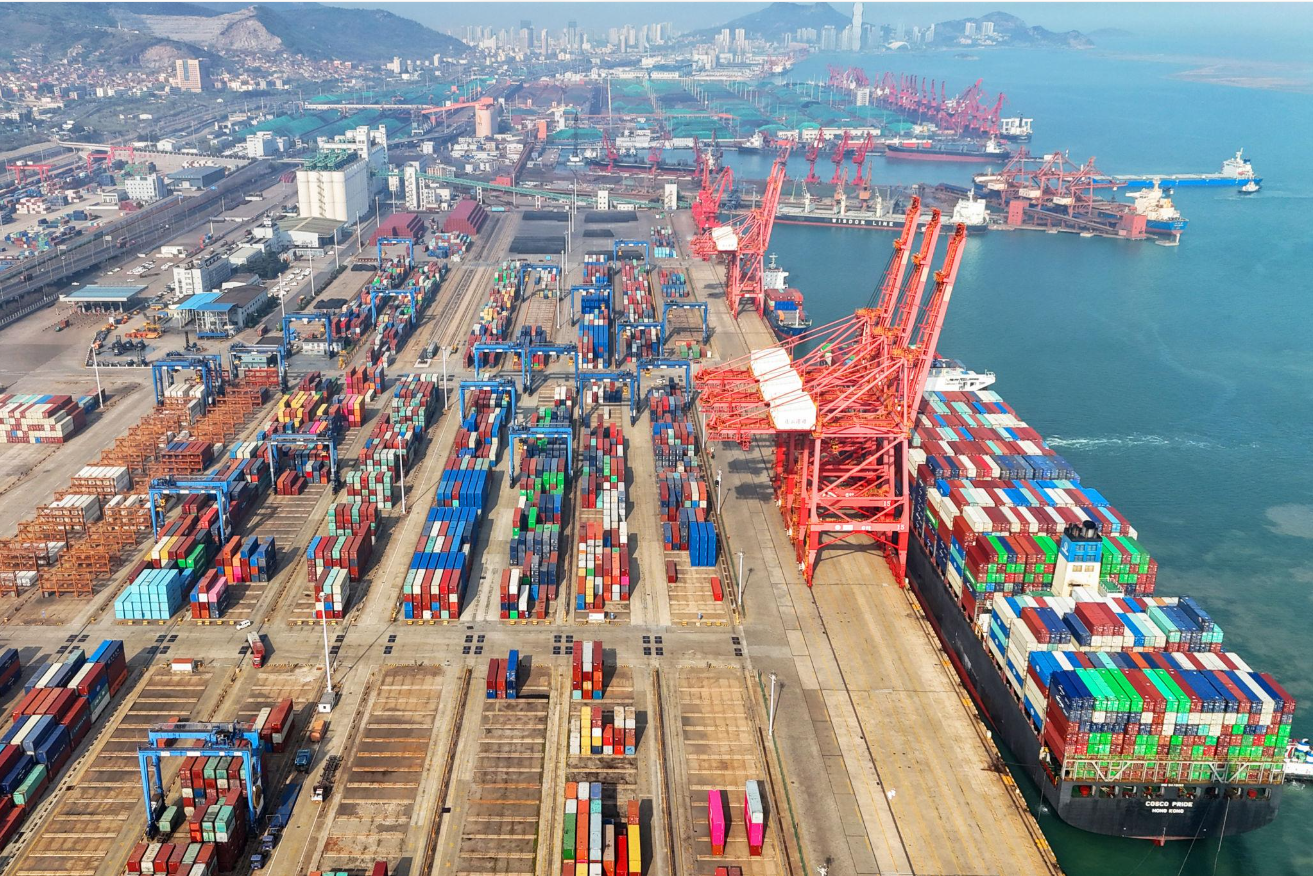
China opened the week by extending the suspension of certain trade measures against the United States for another two months. The announcement prevented the immediate expiry of an existing arrangement and created additional room for negotiations.
The extension comes ahead of the Asia-Pacific Economic Cooperation summit, where Presidents Donald Trump and Xi Jinping are expected to meet. For multinational businesses, the decision offers temporary relief from uncertainty surrounding tariffs and trade restrictions.
However, the agreement does not resolve the deeper competition between the world’s two largest economies. Technology, industrial subsidies and supply-chain security remain central sources of tension. Companies must therefore continue preparing for changes in trade policy, even as diplomatic discussions offer opportunities for cooperation.
Nvidia’s Leadership Crisis Shakes Technology Markets
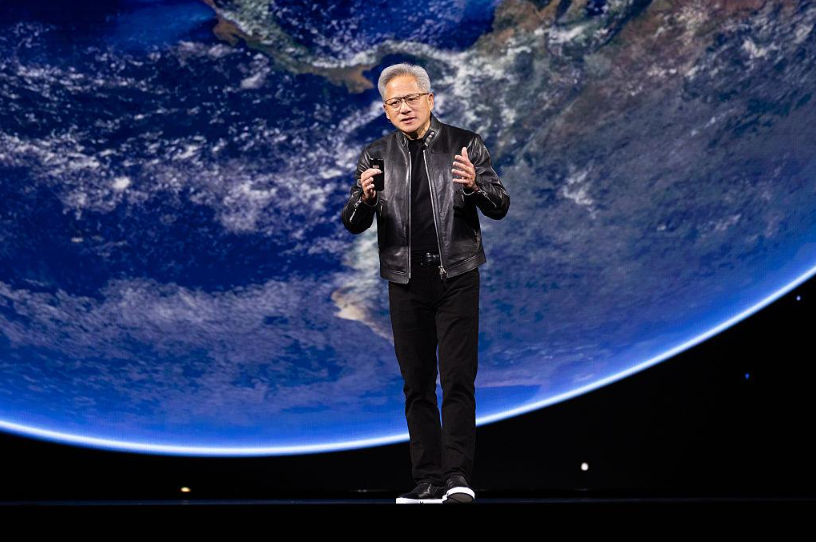
The technology industry experienced one of its most consequential developments when Nvidia chief executive Jensen Huang resigned on November 12. His departure unsettled investors and raised questions about the future direction of a company central to the artificial intelligence industry.
Nvidia’s influence extends beyond semiconductor manufacturing. Its chips support major AI infrastructure projects, while its investments and commercial relationships connect the company to a growing network of technology businesses.
Investors responded by reassessing the risks surrounding AI-related companies. Asian semiconductor stocks also faced pressure as markets considered the wider consequences of the leadership change.
The episode demonstrates how heavily an industry can depend on a small number of influential companies and executives. Nvidia’s next leadership decisions could shape investment confidence, corporate partnerships and the direction of AI infrastructure spending.
European Markets Find Strength as US Technology Stocks Struggle
While American technology shares experienced volatility, European equities attracted renewed investor interest. Reuters reported that Europe’s STOXX 600 index had gained approximately 2.8% during November, compared with a broadly flat Nasdaq-100.
European companies also benefited from encouraging earnings expectations. LSEG data indicated that STOXX 600 businesses were on course for approximately 25% quarterly profit growth.
Investment flows reflected the changing sentiment. Global equity funds attracted $50.99 billion during the week ending November 11, their strongest inflows in seven weeks, supported by demand for European investments.
The shift does not necessarily represent a lasting departure from American markets. However, it shows that investors are looking beyond the technology companies that have dominated market performance in recent years. Corporate earnings, valuations and sector diversification are becoming increasingly important.
Europe’s Manufacturing Industry Faces Difficult Decisions

Financial market optimism contrasted sharply with challenges facing European manufacturers. Mercedes-Benz announced that it was halting further investment at its German facilities while considering potential plant closures.
The automaker cited high production costs and difficulties reaching agreements over labour expenses. Its decision highlights the pressures confronting established industrial economies, particularly as global competition intensifies.
Germany’s automotive industry remains a major source of employment, exports and technological expertise. Investment reductions by leading manufacturers could therefore have consequences beyond individual factories.
Canada faces similar questions about industrial competitiveness. Ottawa’s dispute with Stellantis over its Brampton assembly plant has brought public funding commitments and manufacturing employment into sharper focus.
Across both countries, governments must balance attracting investment with ensuring that industrial projects deliver lasting benefits. The challenge is becoming more difficult as manufacturers reconsider where production can remain competitive.
Oil Markets Balance Supply Concerns and Geopolitical Risk
Energy markets experienced another volatile week as oil prices moved toward a second consecutive weekly decline. By Friday, Brent crude was trading near $96 a barrel, while US West Texas Intermediate remained around $89.
Growing inventories and signs of weaker demand weighed on prices. However, the continuing conflict involving Iran and threats to Middle Eastern shipping routes kept supply risks elevated.
The Strait of Hormuz remains especially important because of its role in international energy transportation. Any sustained disruption could affect oil prices, shipping costs and inflation across importing economies.
For businesses, the uncertainty complicates financial planning. Airlines, manufacturers and logistics companies remain sensitive to changes in energy costs. Meanwhile, oil-producing economies must balance revenue expectations against unpredictable market conditions.
The week’s developments underline the difficulty of separating economic fundamentals from geopolitical events.
Luxury Brands Face a More Selective Consumer
The luxury industry delivered another important signal about global consumer spending. Richemont, the owner of Cartier, reported quarterly sales of €5.95 billion, representing 13% growth at constant exchange rates.
The results exceeded analyst expectations, demonstrating continued demand for established luxury brands. However, investors remained concerned about signs that jewellery sales growth could be slowing.
Richemont’s performance illustrates the uneven nature of consumer demand. Wealthier shoppers continue supporting premium brands, but even luxury businesses face pressure to maintain growth.
The broader implication extends beyond jewellery and watches. Companies increasingly need to demonstrate pricing power, brand strength and disciplined expansion rather than relying on previous patterns of consumer spending.
THE ABE TAKE
The defining story of this week is not a single market movement, corporate decision or political announcement. It is the growing importance of resilience in an interconnected global economy.
China’s trade extension offered businesses temporary stability, but strategic competition remains unresolved. Nvidia’s leadership crisis revealed the risks of concentrating enormous market expectations around one company. Europe’s investment performance showed that capital can shift when confidence changes, while industrial decisions in Germany and Canada exposed the pressures facing traditional manufacturing.
Energy volatility and changing luxury demand reinforced the same lesson. Businesses cannot assume that yesterday’s conditions will continue indefinitely.
For investors, the priority is understanding the difference between sustainable growth and temporary enthusiasm. For governments, it is creating industrial policies that deliver measurable economic value. For corporate leaders, it is building organisations capable of adapting when markets, technology or political conditions change.
The companies that emerge strongest from this period may not be those expanding fastest. They may be those best prepared for uncertainty.
ABE MAGAZINE
Understand More. Think Bigger.