





How Rwanda, Kenya and Botswana are transforming wildlife conservation, cultural heritage and exclusive travel into a growing international business.
November 10, 2026 | By ABE Magazine — Culture & Travel Desk
Africa’s luxury tourism industry is undergoing a transformation as destinations increasingly compete on conservation, cultural authenticity and the quality of the visitor experience rather than the number of tourists they attract. From Rwanda’s mountain gorilla encounters to Kenya’s private safari conservancies and Botswana’s remote wilderness camps, high-value tourism is becoming an important component of economic diversification. Governments and private investors are seeking to turn the continent’s natural and cultural assets into sustainable businesses capable of supporting employment, infrastructure and environmental protection. Yet the expansion of exclusive tourism also raises a fundamental question: can countries attract wealthy international travellers while ensuring that local communities share meaningfully in the economic benefits?
Rwanda: Conservation Becomes a Premium Tourism Economy
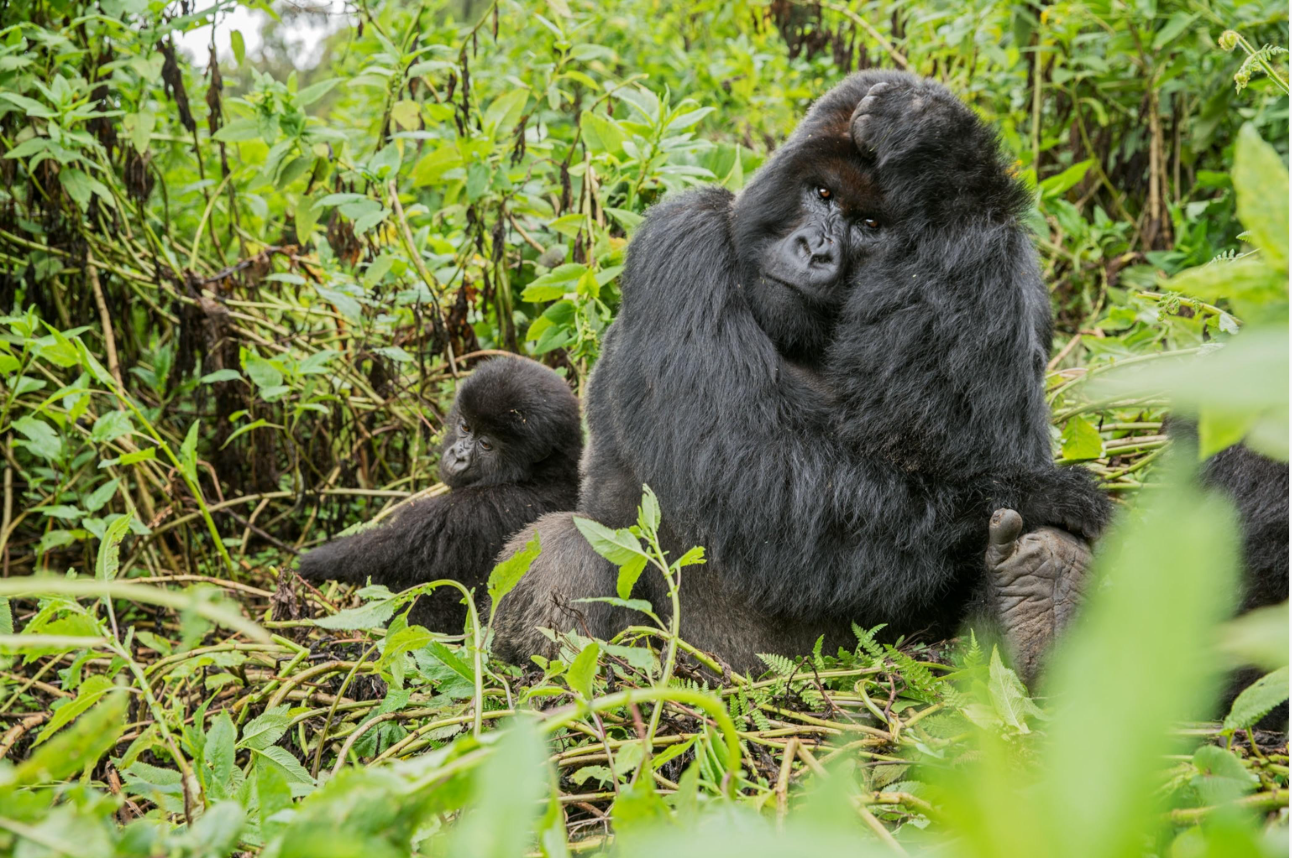
Rwanda has emerged as one of Africa’s most prominent examples of conservation-led tourism. Its mountain gorilla experiences in Volcanoes National Park have attracted international attention, supported by investment in high-end accommodation, destination marketing and environmental protection.
The country’s tourism industry generated approximately $685 million in revenue in 2025, compared with $647 million in 2024, according to the Rwanda Development Board. Visitor arrivals reached 1.49 million, an increase of 9%, while national parks recorded more than 155,000 visits and generated $40.8 million in revenue. Volcanoes National Park accounted for $35.8 million of that total.
These figures illustrate the commercial importance of Rwanda’s natural attractions, although the national tourism revenue figure includes business travel, conferences and other activities beyond luxury tourism. Rwanda’s strategy combines premium wildlife experiences with broader efforts to establish Kigali as a destination for international events and investment.
Conservation is central to the model. By linking the economic value of tourism to the continued protection of endangered wildlife, Rwanda has sought to create a financial incentive for maintaining protected habitats. The challenge is ensuring that the resulting benefits reach surrounding communities and support conservation over the long term.
Kenya: A Safari Industry Expands Beyond Traditional Tourism
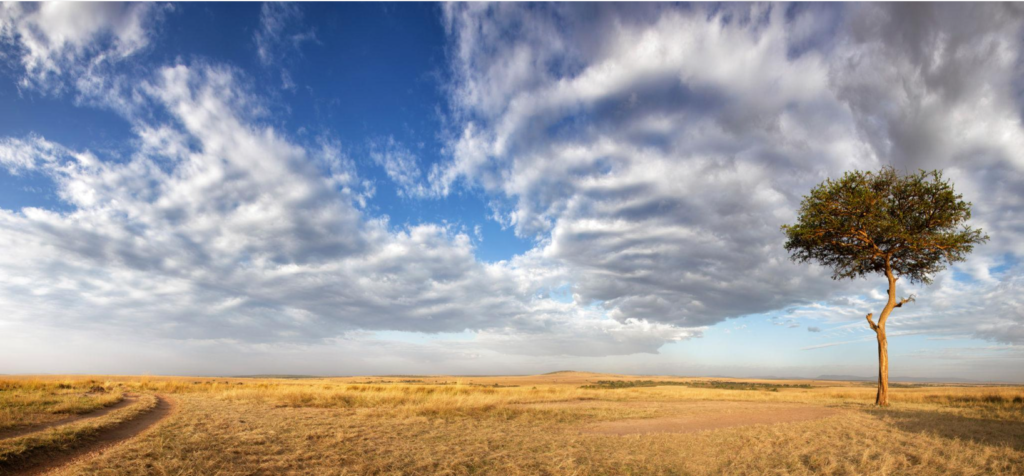
Kenya has a more established and diversified tourism economy, combining wildlife safaris with coastal travel, cultural experiences, business tourism and a growing domestic market. Its luxury segment includes private conservancies, specialised safari operators and high-end accommodation designed around smaller groups and personalised experiences.
The country’s Ministry of Tourism reported approximately 2.7 million international visitors in 2025, alongside 5.2 million domestic travellers. Total tourism earnings reached roughly 500 billion Kenyan shillings, demonstrating the sector’s importance to the national economy.
However, luxury tourism represents only one part of that activity. Kenya’s wider tourism industry depends on a combination of international and domestic demand, making it important to distinguish the growth of the overall sector from the performance of individual premium operators.
Private conservancies offer a particularly interesting business model. In some areas, tourism companies work with local landowners and communities through leases, employment arrangements and conservation partnerships. These structures can create economic value from protecting wildlife habitats, although outcomes depend on the fairness of agreements, the distribution of revenue and the participation of local residents.
For Kenya, the opportunity lies in strengthening tourism quality while protecting the landscapes and communities that make the country attractive to international visitors.
Botswana: The Economics of Exclusivity
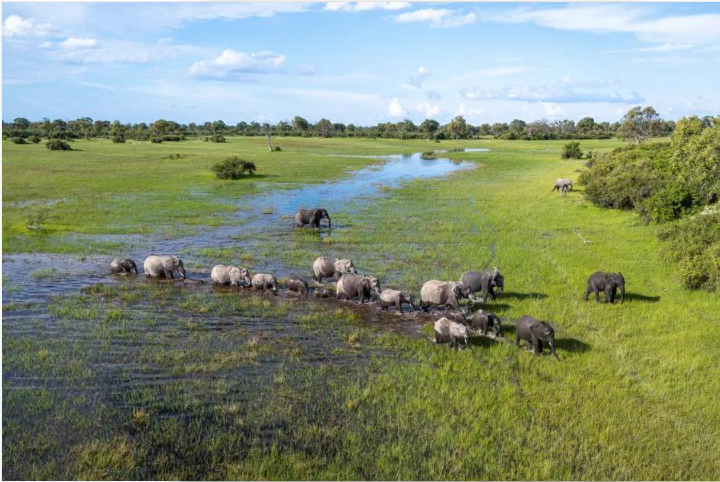
Botswana has long pursued a tourism strategy associated with high-value, relatively low-volume wildlife travel. The Okavango Delta and other protected landscapes have supported an industry built around remote safari experiences, specialist guiding and access to relatively undisturbed environments.
The approach has helped distinguish Botswana in the international tourism market, but it also creates economic limitations. Premium travel can generate substantial revenue per visitor, yet its benefits may be concentrated among a relatively small number of operators, destinations and employees.
In April 2026, Botswana’s environment and tourism minister, Wynter Mmolotsi, acknowledged the need to diversify beyond the country’s traditional high-end wildlife model. Government plans include expanding cultural and heritage tourism, strengthening infrastructure and encouraging visitors to explore a wider range of destinations.
The minister also reported that average daily tourist spending had fallen from 1,718 pula in 2023 to 1,183 pula in 2025. This decline illustrates why exclusivity alone cannot guarantee stronger economic performance.
Botswana’s next challenge is therefore not simply attracting more wealthy travellers. It is developing a broader tourism economy that increases visitor spending, extends stays and creates commercial opportunities beyond established safari destinations.
Cultural Heritage Becomes Part of the Luxury Experience
The appeal of premium African travel increasingly extends beyond accommodation and wildlife viewing. Architecture, cuisine, traditional craftsmanship, local knowledge and historical sites can contribute to experiences that distinguish destinations from conventional luxury resorts.
This creates opportunities for cultural entrepreneurs, guides, artisans and hospitality businesses. Travellers seeking specialised experiences may support businesses that offer locally produced goods, regional cuisine and opportunities to learn about the history and traditions of the places they visit.
However, cultural tourism requires careful management. When traditions are presented primarily for commercial consumption, communities can lose control over how their heritage is represented. The economic value of cultural experiences should therefore be accompanied by meaningful participation from the people whose knowledge and traditions make those experiences possible.
For tourism companies, authenticity should not be treated merely as a marketing feature. It depends on respectful partnerships, fair compensation and the ability of local communities to influence how cultural activities are developed.
Investment Opportunities and the Sustainability Challenge
Luxury tourism requires substantial investment in accommodation, transport, training, conservation and reliable infrastructure. Remote destinations can face particularly high operating costs because of their distance from airports, supply networks and essential services.
For investors, premium tourism offers the possibility of higher revenue per visitor, but profitability is not guaranteed. Seasonal demand, international travel conditions, environmental pressures and infrastructure expenses can significantly affect financial performance.
Climate change introduces additional uncertainty. Wildlife habitats, water availability and ecosystem stability are essential to the tourism products being marketed. Businesses that depend on healthy natural environments must therefore consider conservation spending as part of their long-term commercial sustainability.
Governments also face difficult policy choices. Incentives that attract international hospitality investors may encourage development, but their economic value depends on local employment, tax contributions, procurement and the proportion of tourism revenue retained within the country.
The strongest tourism strategies will be those that connect premium visitor spending to a wider network of domestic businesses rather than allowing most financial benefits to remain concentrated within individual resorts.
THE ABE TAKE
Africa’s emerging luxury tourism economy demonstrates how natural heritage can become a source of international competitiveness without following a conventional mass-tourism model. Rwanda, Kenya and Botswana have developed different approaches, but each illustrates the potential to create commercial value through distinctive environments, specialised services and conservation. Their experience suggests that tourism success should be evaluated not only through arrival numbers, but through the economic value generated and the durability of the assets supporting it.
Yet luxury tourism presents an important contradiction. Exclusivity can protect fragile environments by limiting visitor pressure, while high prices may concentrate economic opportunities among a narrow group of investors and consumers. The value of the model therefore depends on whether tourism revenues translate into employment, community development, conservation funding and opportunities for locally owned enterprises.
For investors, the long-term opportunity extends beyond building expensive lodges. Businesses involved in hospitality training, sustainable transport, cultural experiences, food supply, conservation services and tourism technology can become part of a wider economic ecosystem. The commercial strength of a destination ultimately depends on the quality of that ecosystem, not simply the reputation of its most exclusive properties.
Africa’s luxury tourism industry will enter a more sustainable era when premium travel becomes a means of strengthening local economies rather than an isolated market serving international visitors. The destinations that achieve this balance may establish a competitive advantage that is difficult to replicate: exceptional travel experiences supported by thriving communities, protected environments and resilient domestic businesses.
ABE MAGAZINE
Understand More. Think Bigger.