




November 11, 2026 | By ABE Editorial Desk
Venice has become one of the clearest examples of the economic contradictions surrounding international tourism. Its canals, historic architecture and centuries of maritime heritage attract millions of visitors, generating substantial business for hotels, restaurants, transport operators and cultural institutions. Yet the same popularity is placing increasing pressure on the city’s housing market, public infrastructure and residential communities. As Venice experiments with tourist access fees and new visitor management policies, the challenge is no longer simply attracting tourists, but determining how much tourism a historic city can accommodate without undermining the qualities that make it valuable.
The Economic Power of Venice’s Tourism Industry
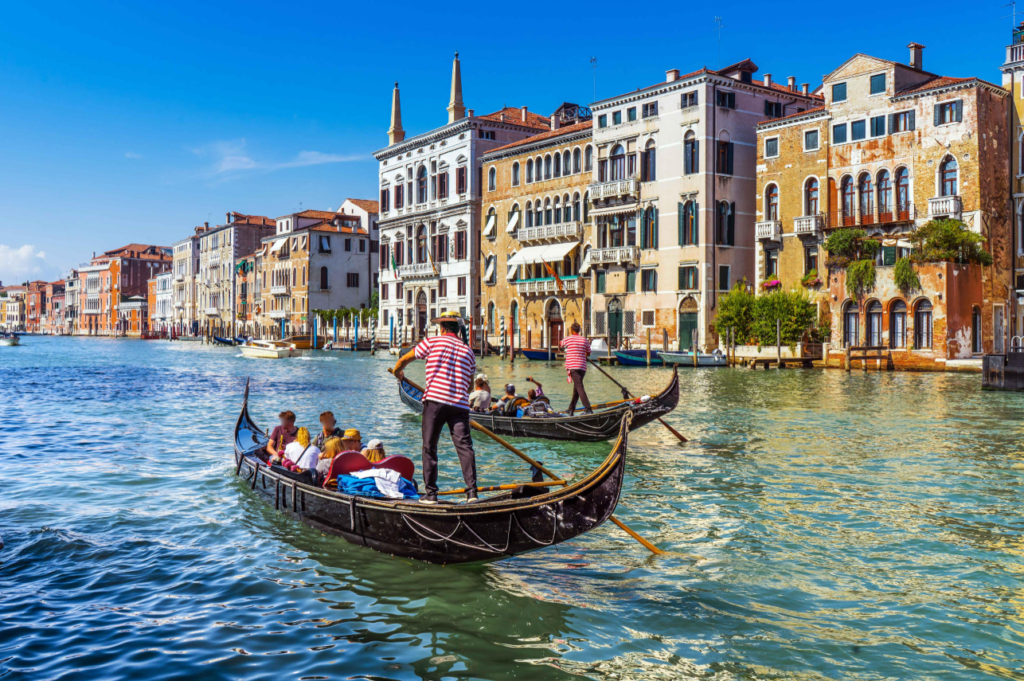
Venice’s international reputation has made tourism one of the foundations of its modern economy. Visitors support a network of businesses extending beyond hotels and restaurants to water transport, museums, cultural events, independent retailers and specialist services. Tourism also creates employment and generates public revenue through accommodation taxes and other charges.
In 2024, more than 3.9 million visitors stayed overnight in Venice’s historic centre, according to figures cited in reporting on the city’s tourism policies. Estimates of total annual visitors, including day-trippers, are substantially higher, often reaching approximately 30 million. These figures measure different categories of tourism and should not be treated as directly comparable.
The distinction matters economically. Overnight visitors generally purchase accommodation and have more opportunities to spend across local businesses, while day-trippers may concentrate their activities around a small number of famous attractions. However, the spending patterns of individual travellers vary, and not every short visit produces limited economic value.
For Venice, the objective is to encourage tourism that contributes more broadly to the local economy without overwhelming public spaces and essential services.
A Historic City Under Pressure
Venice’s geography makes overcrowding particularly difficult to manage. Its historic centre is composed of islands connected by bridges, narrow streets and waterways, creating physical limitations that distinguish it from larger metropolitan destinations.
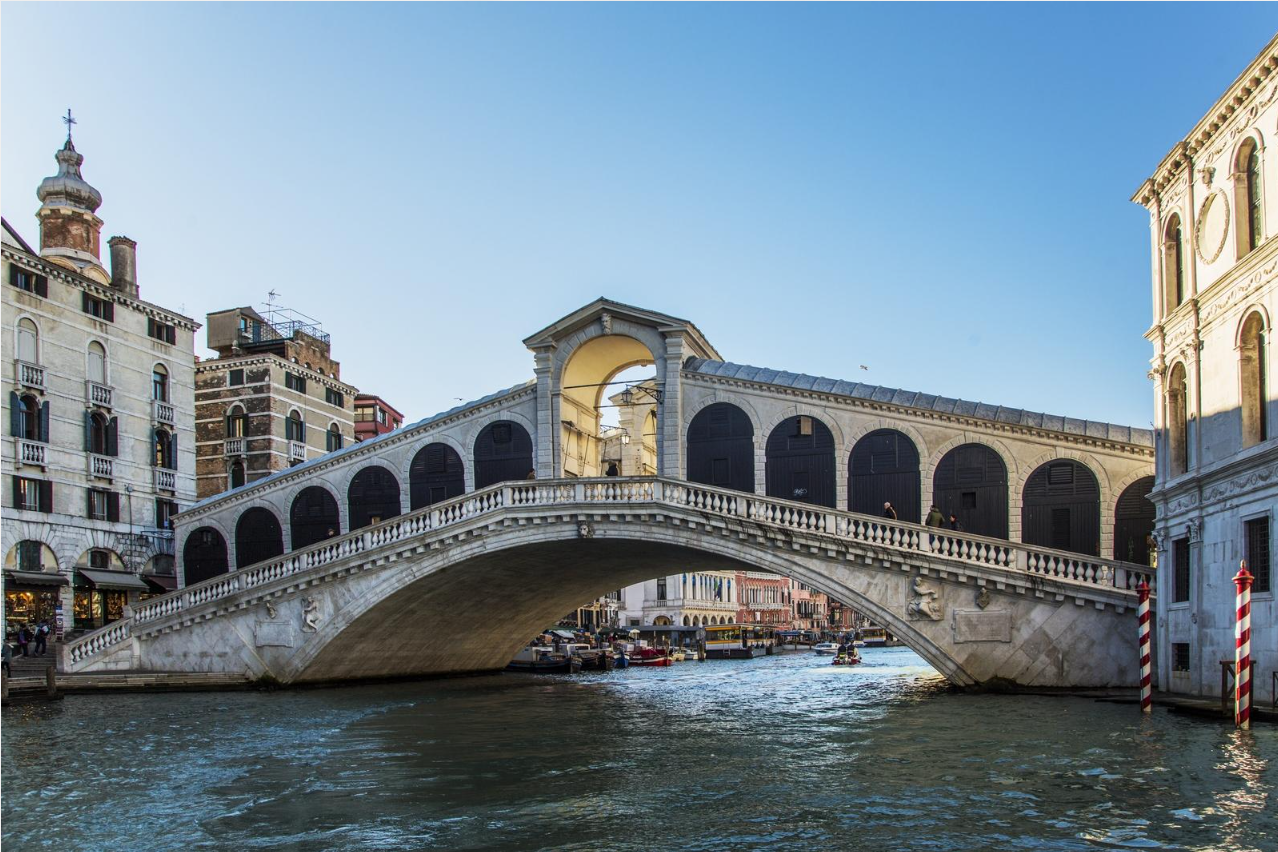
Large numbers of visitors can concentrate around St Mark’s Square, the Rialto Bridge and routes connecting the railway station with major attractions. These pressures affect pedestrian movement, public transport and the everyday activities of residents who must share limited urban space with tourists.
Housing represents another concern. The expansion of short-term accommodation has intensified debate over the availability of residential properties and the changing character of neighbourhoods. Tourism is not the only factor behind Venice’s population decline, but the conversion of homes into visitor accommodation can reduce the supply available for permanent residents.
The consequences extend beyond housing costs. As residential populations decline, businesses serving everyday needs may struggle, while shops focused on visitor spending become more prominent. Over time, this can weaken the social and commercial diversity that allows a historic city to function as a living community.
Preserving Venice therefore requires attention not only to its buildings and canals, but also to the people and institutions that sustain its cultural identity.
Venice’s Tourist Entry Fee Faces a Critical Test
In 2024, Venice introduced an experimental access fee for certain day visitors, becoming an international reference point in efforts to manage overtourism. The system was designed to encourage advance planning, gather information about visitor flows and address some of the pressures created by high-volume day tourism.
During 2026, the fee applied on 60 selected days between April and July, compared with 54 days in 2025. Eligible day visitors paid €5 when booking sufficiently early or €10 when purchasing access closer to their visit. The charge operated during specified daytime hours, while residents, children under 14 and several other categories qualified for exemptions.
The scheme generated approximately €5.2 million in gross revenue during the 2026 season, according to provisional figures reported from the municipality. Yet the financial results do not necessarily establish that the policy has meaningfully reduced overcrowding. The charge remains relatively small compared with the overall cost of visiting Venice, particularly for international travellers.
In June, Venice’s mayor proposed seeking authority to increase the charge to as much as €50 on selected dates. The proposal reflected concerns that the existing prices were insufficient to discourage visits during particularly crowded periods. It should not be confused with an approved €50 fee.
The city has also approved a longer calendar for 2027, with 72 chargeable days planned between March and August. Whether a broader programme will produce measurable improvements in crowd management remains an important policy question.
Tourism Revenue Versus the Cost of Preservation
Tourism provides Venice with economic resources, but it also creates expenses that are not always reflected in visitor spending. Public authorities must maintain streets, bridges, waterways, waste collection and transport infrastructure while protecting a built environment exposed to unusually demanding conditions.
The city’s historic buildings and foundations require specialised maintenance. Flooding, saltwater exposure and environmental change add further complexity, making preservation an ongoing financial responsibility rather than a one-time investment.
Visitor charges can contribute to public services, but they are unlikely to resolve these challenges independently. The effectiveness of tourism taxation depends on how revenue is allocated and whether it addresses the pressures associated with tourism.
Businesses also face difficult trade-offs. Restaurants, hotels and retailers benefit from visitor demand, while congestion can reduce service quality and increase operating difficulties. Policies that restrict tourism too aggressively could affect employment and investment, particularly among smaller businesses with limited alternative sources of revenue.
Venice must therefore balance the economic benefits of tourism against the long-term costs of maintaining the destination itself.
Protecting Culture Without Turning Venice Into a Museum
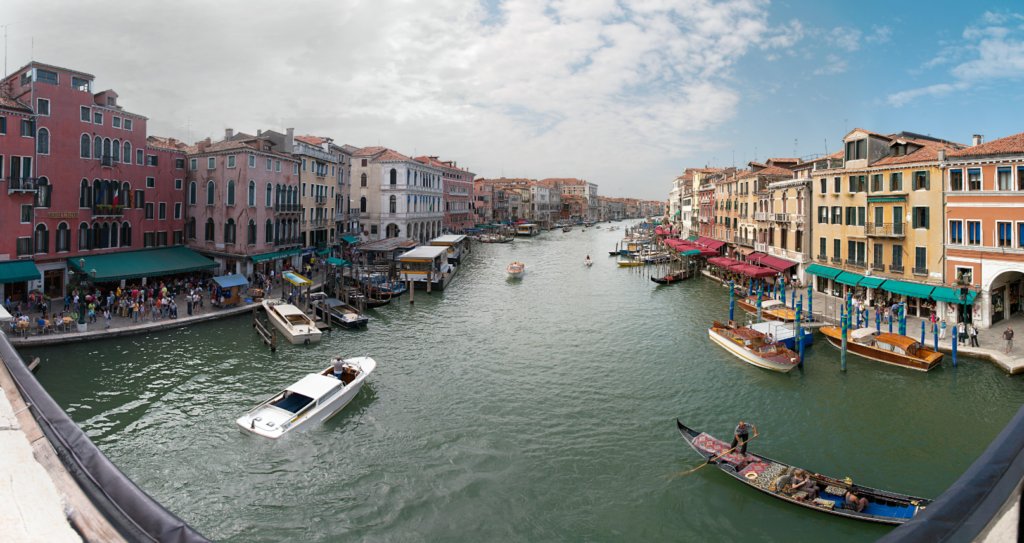
Venice’s international appeal is inseparable from its cultural heritage. Its artistic traditions, historic architecture, maritime history and distinctive urban landscape have developed over centuries, making the city far more than a collection of attractions.
However, an economy dominated by tourism risks transforming cultural identity into a commercial product designed primarily for visitors. Traditional shops and local services may give way to businesses serving short-term demand, while the departure of residents can weaken the continuity of neighbourhood life.
Cultural preservation requires more than maintaining monuments. It also depends on supporting artisans, schools, residential communities and businesses that contribute to the city’s everyday identity.
This creates opportunities for tourism models built around longer stays, cultural education and meaningful engagement with local heritage. Such approaches may distribute economic benefits more widely, although they cannot eliminate the need for regulation and infrastructure investment.
Venice’s future will depend partly on whether it can remain a place where people live and work, rather than becoming an urban environment sustained almost entirely by visitor spending.
A Global Warning for Popular Destinations
The challenges confronting Venice are increasingly relevant to other major tourism destinations. Barcelona, Amsterdam and several European cities have introduced or debated measures addressing visitor accommodation, congestion and the pressures associated with mass tourism.
Although each destination has different economic and geographic conditions, the underlying policy challenge is similar. Tourism can generate employment, investment and international visibility, but unchecked growth may weaken housing affordability, public services and cultural preservation.
For governments, the objective is to measure tourism success through more than arrivals and expenditure. Resident wellbeing, environmental conditions, infrastructure capacity and the distribution of economic benefits are equally important indicators.
Venice’s experiments will be closely watched because they test whether a globally recognised destination can influence visitor behaviour without undermining the economic activity that supports much of its commercial sector.
THE ABE TAKE
Venice demonstrates a fundamental limitation of tourism-led economic growth: increasing visitor numbers does not automatically produce a stronger or more sustainable destination. When tourism places excessive pressure on housing, infrastructure and public space, the costs can extend beyond the businesses directly benefiting from visitor spending. A successful tourism economy must therefore consider the financial and social consequences of its own expansion.
The city’s access fee is an important experiment, but it should not be mistaken for a comprehensive solution. Charging visitors may generate revenue and improve the collection of tourism data, yet its ability to change behaviour depends on pricing, enforcement and the availability of alternative travel patterns. More effective management will require coordinated policies covering accommodation, transport, public services and residential protection.
For the travel industry, Venice also presents a commercial lesson. The long-term value of a destination depends on preserving the qualities that attract visitors in the first place. Businesses that benefit from historic environments and cultural experiences have a direct economic interest in supporting their preservation. Without that investment, tourism risks gradually weakening its own foundations.
The future of Venice will not be determined simply by whether fewer or more people visit. It will depend on whether the city can establish a model in which tourism strengthens its economy without displacing the communities and cultural traditions that define it. That balance may become one of the most important tests facing the international travel industry.
ABE MAGAZINE
Understand More. Think Bigger.