






The Hook
When most people think about artificial intelligence, they imagine chatbots, image generators or virtual assistants.
But the biggest AI revolution may not happen on your phone.
It may happen inside factories.
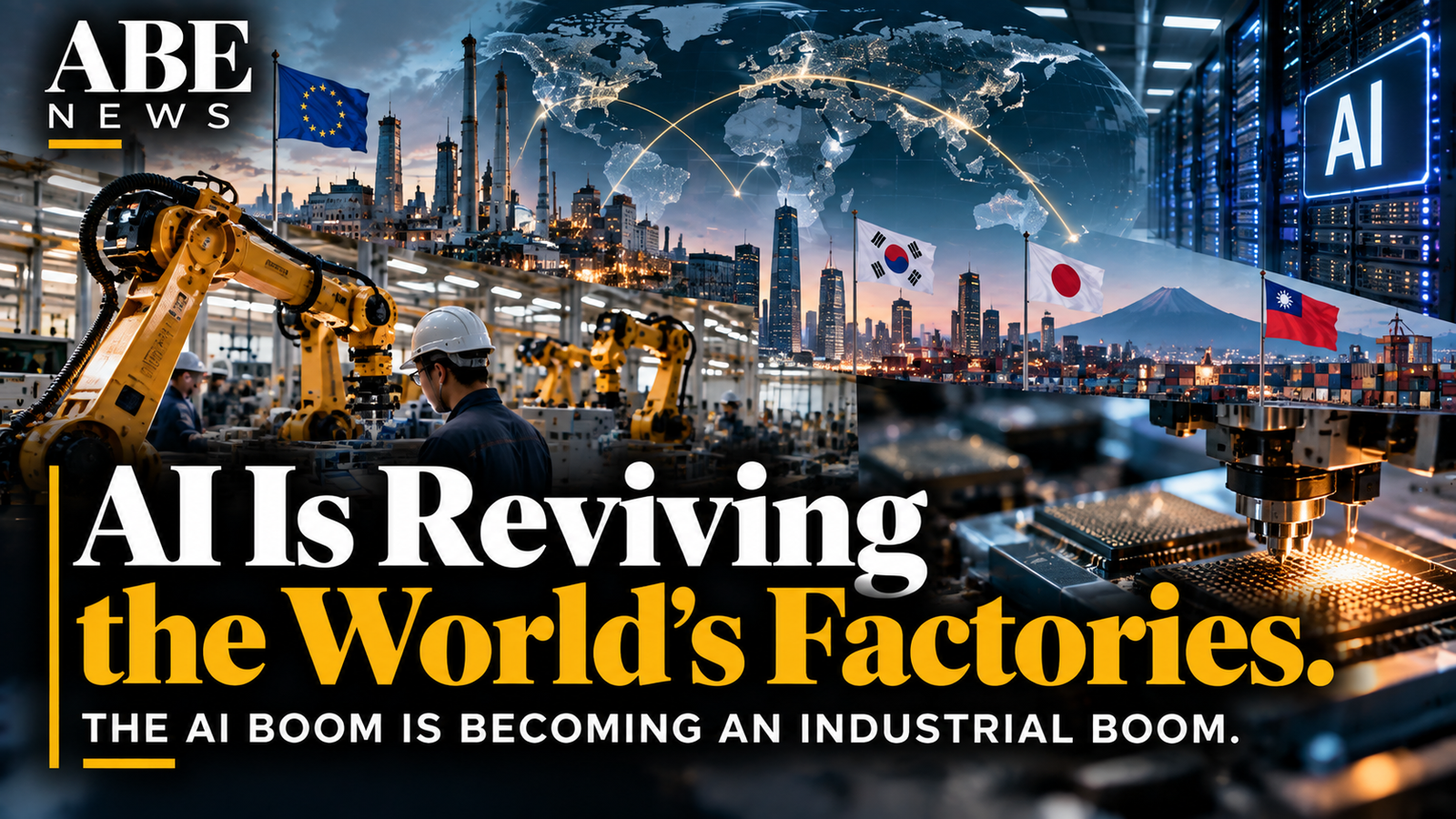
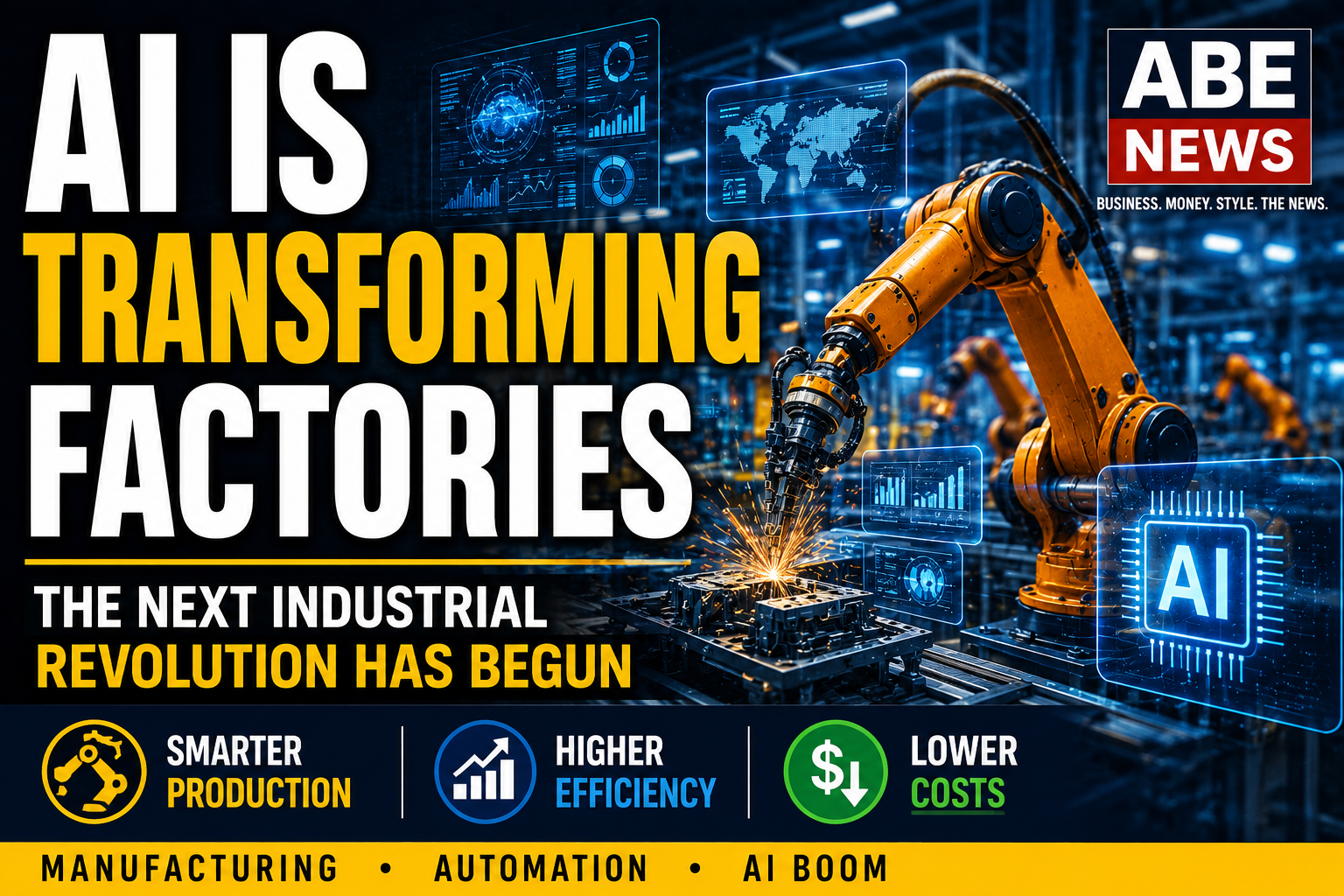
Around the world, manufacturers are using AI to redesign production lines, improve efficiency and reduce costly downtime. Companies that build the machines powering modern industry are now seeing record demand because businesses are investing heavily in smarter factories.
The Story
German engineering giant Siemens has reported its highest-ever quarterly industrial profit, driven by strong demand for AI-related technology.
Industrial profit rose 25% to €3.52 billion, while orders climbed 13% to €27.9 billion, setting another company record. Siemens also raised its financial outlook for the year after seeing strong demand from data centers, electronics manufacturers and industrial customers.
The company says it now works with nine of the world’s ten largest data-center operators, highlighting how AI investment is spreading far beyond software companies.
AI’s Biggest Opportunity May Be Manufacturing
Artificial intelligence is changing how factories operate.
Instead of waiting for equipment to fail, AI can help predict maintenance before problems occur.
Instead of relying entirely on human inspection, AI systems can detect production defects faster and with greater consistency.
Factories are also using AI to improve inventory management, energy consumption and production planning.
The result is simple:
Companies can often produce more while wasting less.
It’s Bigger Than One Company
Recent U.S. economic data tells a similar story.
Although overall factory orders unexpectedly declined in June, demand linked to AI remained strong.
Orders for computers, electronics and core business equipment continued to grow, showing that many companies are still investing heavily in technology that supports the AI economy.
This suggests the AI boom isn’t only benefiting software developers.
It’s creating opportunities across manufacturing, engineering, construction, energy and industrial technology.
Why It Matters
Many people believe AI will mainly replace office work.
But another transformation is happening quietly.
Factories are becoming smarter.
Machines are becoming more connected.
Production is becoming more efficient.
Countries that successfully modernize their industries may become more competitive in global manufacturing over the next decade.
For businesses, AI is increasingly becoming an investment in productivity—not just automation.
What’s Next?
The race to build AI infrastructure is still accelerating.
That means demand for advanced electrical systems, industrial software, automation equipment and data-center technology is likely to remain strong.
The companies supplying those industries may become some of the biggest winners of the AI era.
THE ABE NEWS TAKE
The AI conversation often focuses on chatbots.
That’s understandable.
They’re easy to see.
Factories aren’t.
But history suggests the biggest technological revolutions don’t simply create new apps.
They reshape entire industries.
Electricity changed manufacturing.
The internet changed communication.
Artificial intelligence may become the next technology to transform how physical goods are designed, built and delivered.
When people ask who will win the AI race, they often point to software companies.
But another group deserves attention.
The businesses building the machines, factories and infrastructure behind the AI economy.
Sometimes the biggest opportunity isn’t creating the next AI tool.
It’s supplying the companies that already are.
ABE NEWS
Business. Money. Style. The News.
Understand More. Think Bigger.
Sources
- Reuters — Siemens posts record industrial profit as AI demand drives growth.
- Reuters — U.S. factory orders show AI-related investment remains resilient despite broader slowdown.