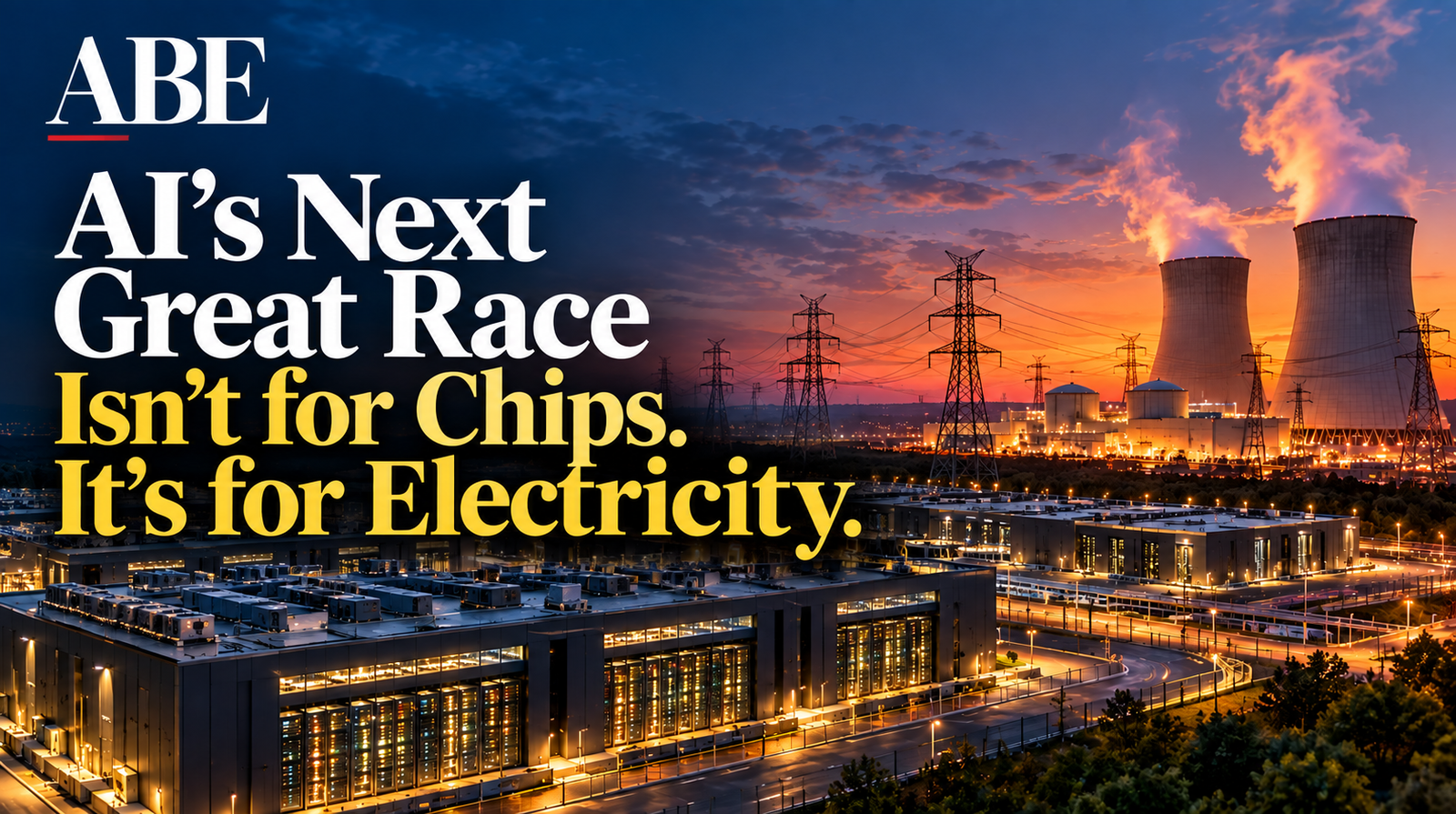









Artificial intelligence is reshaping the technology industry. But the infrastructure needed to support it is creating a new economic challenge—one that extends far beyond Silicon Valley.
The future of artificial intelligence may depend as much on electricity as on algorithms.
Technology companies are investing enormous sums in faster processors, larger data centres and more sophisticated AI systems. Yet behind the promise of intelligent machines lies an industrial reality: those machines require electricity, cooling, land, transmission networks and infrastructure that can take years to build.
The race to dominate AI is becoming a race to secure energy. And that raises a question with consequences for technology companies, electricity providers, governments and ordinary consumers: who will pay to power the AI economy?
The Numbers Behind the Boom
According to the International Energy Agency (IEA), global data-centre electricity consumption reached approximately 485 terawatt-hours in 2025. Its updated central projection puts consumption at roughly 950 terawatt-hours by 2030, around 3% of global electricity demand.
The geographical concentration matters as much as the total. A data centre can place enormous pressure on one local network. A region may have sufficient electricity generation overall while still lacking the transmission capacity to connect another large facility. This is where the technology industry’s ambitions collide with the physical limits of the electricity system.
The Infrastructure Nobody Sees
When a technology company announces a multibillion-dollar AI investment, attention usually turns to computing power. Less attention is paid to the infrastructure required to make that investment operational.
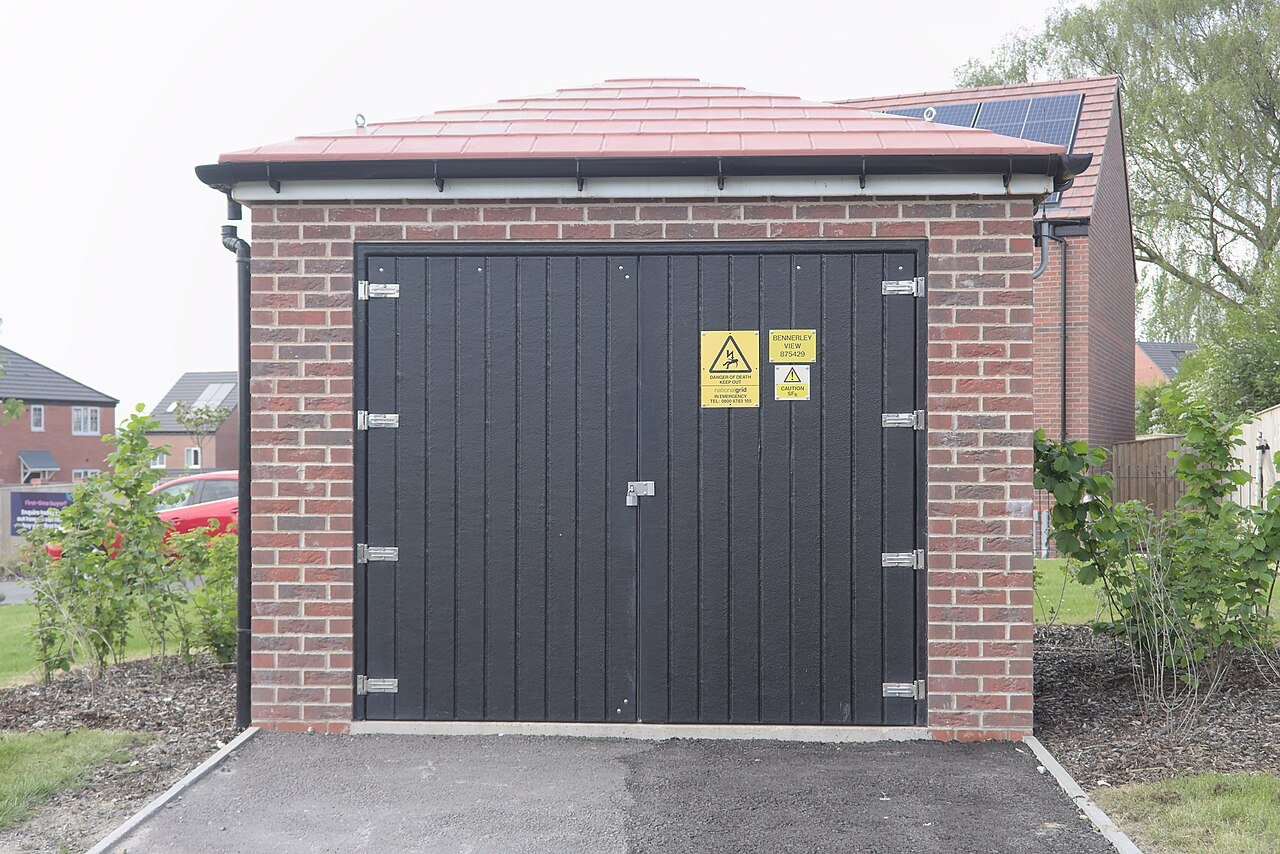
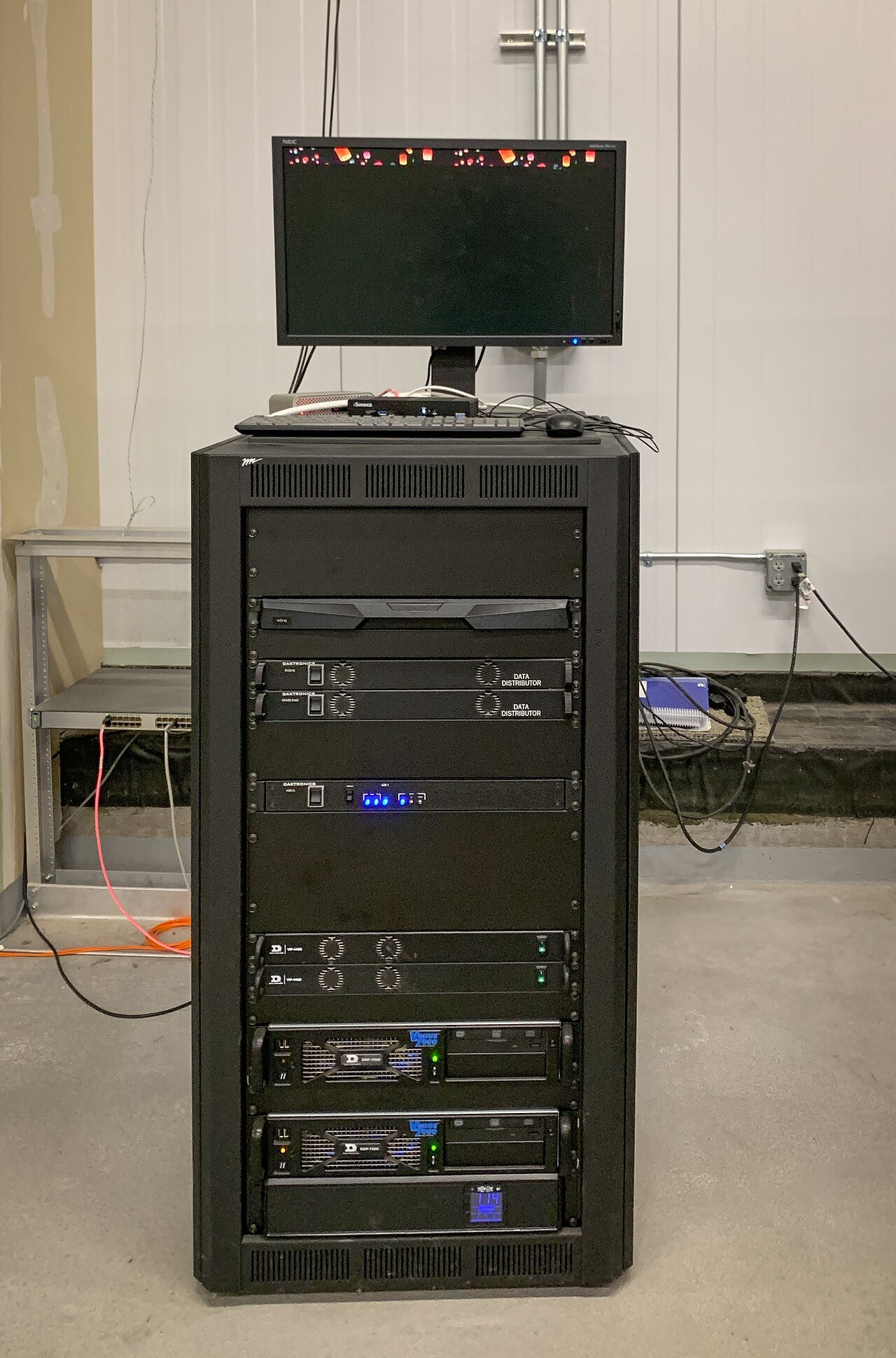
Electricity must reach the facility. Transformers and substations may need upgrading. Transmission lines may require expansion. Cooling systems must operate reliably, and backup arrangements must protect against outages.
These projects involve different industries, regulators and construction timelines. A technology company may be ready to install servers long before the surrounding electricity infrastructure is ready to support them. A data centre that cannot obtain sufficient power represents capital tied up in an asset that cannot yet generate its intended return.
Who Actually Pays?
There is no single answer. Technology companies can finance dedicated energy infrastructure, sign long-term electricity contracts or invest in power-generation projects. Utilities can expand their networks to accommodate new demand. Governments may support infrastructure through public investment or regulatory incentives.
But the costs do not disappear. They must eventually be recovered through corporate revenues, electricity charges, public finances or some combination of these.
If a utility expands its network primarily to serve a large data-centre customer, should that customer pay most of the cost? Or should some of the expense be shared across the wider electricity system?
Supporters of shared investment may argue that stronger infrastructure benefits an entire region and encourages economic development. Critics may question whether households and smaller businesses should help finance infrastructure required by some of the world’s wealthiest corporations. The answer depends on who benefits, who creates the additional demand and how financial risks are allocated.
A New Opportunity for Energy Companies
The AI expansion is not only a problem for electricity providers. It is also a commercial opportunity. Power generators, equipment manufacturers, construction firms and grid-technology companies stand to benefit from increased demand for infrastructure.
The IEA reports that capital expenditure by five major technology companies exceeded $400 billion in 2025, with further substantial growth expected in 2026. The expansion is helping stimulate interest in renewable energy, natural gas, nuclear power and advanced geothermal technologies.
But energy suppliers face their own investment dilemma. Building infrastructure for expected future demand requires confidence that the demand will materialize. If AI adoption grows more slowly than anticipated, some projects could struggle to justify their costs.
Could AI Help Solve Its Own Problem?
One possibility is to make data centres more flexible. Not every computing task must be performed at the exact moment it is requested. Some workloads can potentially be shifted to periods when electricity is more readily available, reducing pressure on networks during peak demand.
Technology companies are exploring ways to coordinate computing activity with grid conditions, although widespread implementation still faces operational and regulatory obstacles. AI may also help electricity providers forecast demand, manage equipment and improve network efficiency.
There is an important distinction, however, between improving how existing infrastructure is used and eliminating the need for additional infrastructure. Efficiency can reduce costs. It cannot automatically remove the consequences of rapidly expanding demand.
The Bigger Economic Question
The debate surrounding AI has largely focused on which companies will build the most powerful models and which businesses will benefit from automation. Electricity introduces a different perspective: it forces the industry to confront the economics of physical infrastructure.
An AI model can be improved through software development, but a transmission line still requires equipment, land, financing, regulatory approval and construction. That makes the energy system a potential constraint on technological progress—and an opportunity for utilities, construction businesses, electrical-equipment manufacturers and infrastructure investors.
THE ABE TAKE
The most consequential question about artificial intelligence may not be how intelligent machines become. It may be whether the economic system supporting them can grow sustainably.
The technology industry has become accustomed to measuring progress through computing performance, model capabilities and user adoption. But physical infrastructure operates according to different rules. Electricity must be generated. Networks must be expanded. Equipment must be manufactured. Projects must be financed. And someone must ultimately pay.
The companies that recognise this early may gain an advantage—not necessarily by building the largest data centres, but by building businesses whose energy requirements, infrastructure investments and commercial returns make economic sense.
The future of AI will be determined not only by what technology can achieve, but by what the world can afford to build.
ABE Magazine — Understand More. Think Bigger.
Sources and further reading
- International Energy Agency, Key Questions on Energy and AI (2026)
- International Energy Agency, Electricity 2026
- International Energy Agency, Energy and AI (2025)