






Friday’s Week in Business | October 9, 2026
Every business boom has a bill. The question now is who can afford to pay it.
Across the global economy, companies are being asked to do two things at once: invest in the future and protect themselves from the cost of getting there. Artificial intelligence requires expensive computing infrastructure and electricity. Energy volatility complicates transportation and manufacturing. Borrowing costs can turn an attractive expansion plan into a difficult financial decision.
These pressures are often treated as separate stories. They are better understood together. Each forces businesses to confront the same question: when growth requires more capital, more power and more patience, which investments are still worth making?
The price of uncertainty
For an airline, logistics operator or manufacturer, energy is not an abstract commodity on a trading screen. It is a recurring expense that affects routes, production budgets and the price of moving goods. What makes volatility disruptive is not only the direction of prices, but the difficulty of planning around them. Large businesses may hedge their energy purchases or rely on cash reserves; smaller suppliers often have fewer options. The same market shock can therefore widen the gap between companies able to absorb uncertainty and those forced to pass it on.
Money has a price, too
When financing becomes expensive, management teams reassess projects they once considered straightforward: opening another facility, buying equipment, hiring ahead of demand or entering a new market. Imagine two companies with identical expansion plans. One can pay from cash flow; the other must borrow. Even if customer demand is the same, their risks differ. The borrower must generate enough return to cover both the project and its financing. Higher costs leave less room for mistakes. Financial resilience determines not just who survives, but who can invest while competitors hesitate.
AI’s extraordinary ambition meets an ordinary test
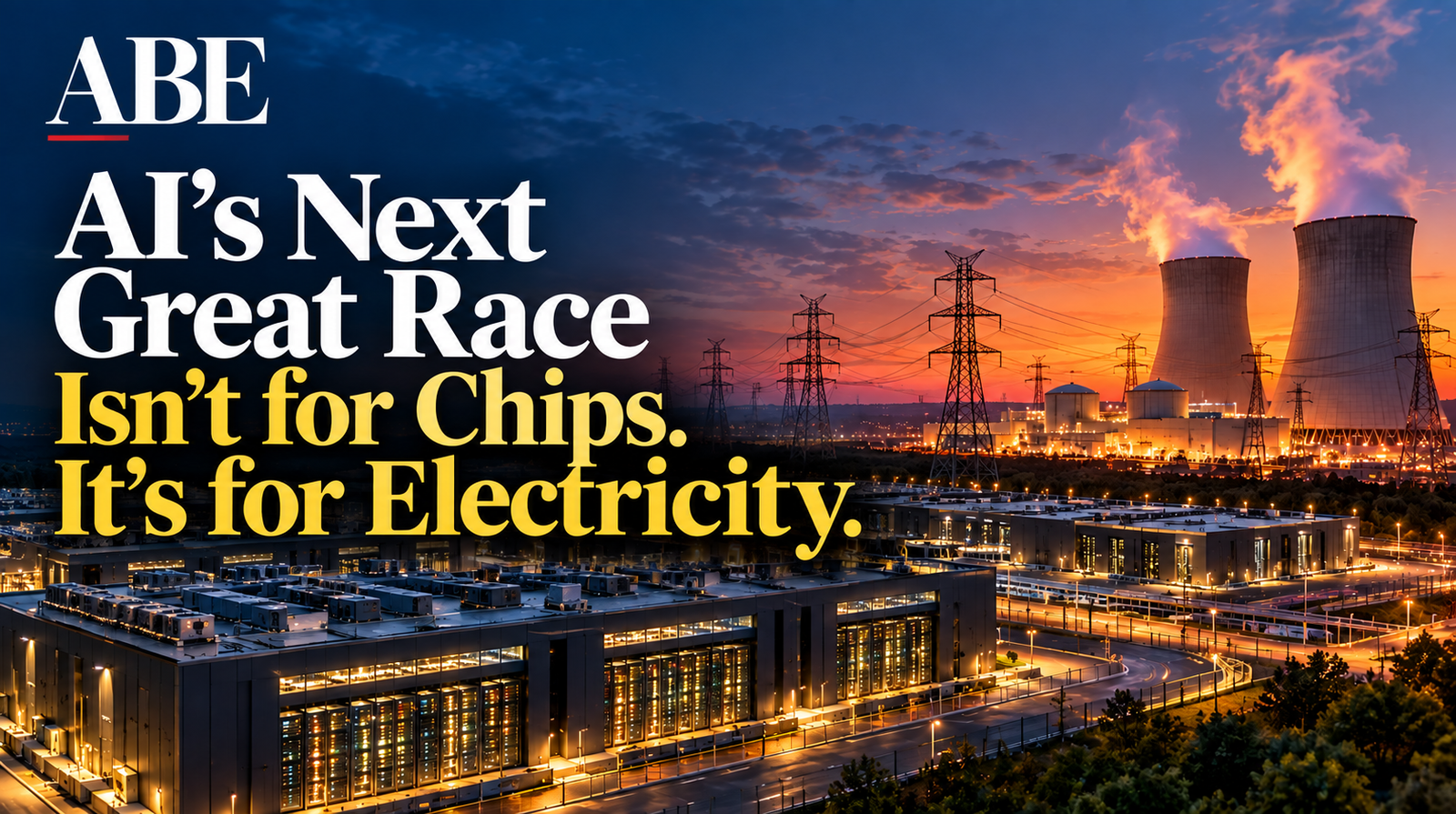
Artificial intelligence makes the tension between ambition and financial discipline unusually visible. Advanced systems require processors, servers, cooling, electricity and specialised facilities. Much of that infrastructure must be financed before its long-term commercial value is clear. AI may produce genuine productivity gains, but technological importance does not guarantee attractive returns for every investor. Executives still need to explain where revenue will come from, which costs will fall and how soon benefits can be measured. For businesses outside technology, adoption should begin with a specific operational problem—not the fear of being left behind.
Who has room to manoeuvre?
Exposure to these pressures depends on a company’s cost structure, pricing power, debt obligations and the predictability of demand. A business with dependable revenue and manageable debt may keep investing through uncertainty. One with thin margins and large refinancing needs may have to preserve cash. The economic environment is shared; the choices available to individual companies are not. That difference reaches workers and consumers when businesses decide whether to hire, expand, cut services or raise prices.
What to watch next
As corporate earnings and economic data arrive, the most revealing details may be found beyond the headline numbers. Listen for what executives say about capital expenditure, borrowing, energy exposure and customer demand. Watch whether investments are generating cash or relying on expectations of future growth. For AI, the important question is shifting from how much companies are willing to spend to what that spending can demonstrably deliver.
THE ABE TAKE
Growth is often celebrated as though speed were its defining virtue. It is not. Growth can create jobs, improve services and open markets—but it can also conceal weak economics when money is easy to obtain and expectations are high. The lesson is discipline, not retreat. Companies should still take calculated risks, build and innovate. But the stronger question is no longer simply How large can this become? It is What must be true for this investment to pay off—and can we withstand being wrong? The companies that answer that question clearly will have an advantage long after the headlines move on.
ABE Magazine | Understand More. Think Bigger.