








ABE MAGAZINE | GLOBAL BUSINESS
October 24, 2026
Economic competition between the United States and China is entering another complicated phase, with investment restrictions increasingly becoming an instrument of national security policy. Beijing’s latest objection to proposed American measures illustrates how decisions about technology, capital and strategic industries are reshaping international business relationships. For companies operating across borders, the dispute raises important questions about where investment can flow and how political priorities may influence future growth.
Beijing Pushes Back Against Washington’s Proposal
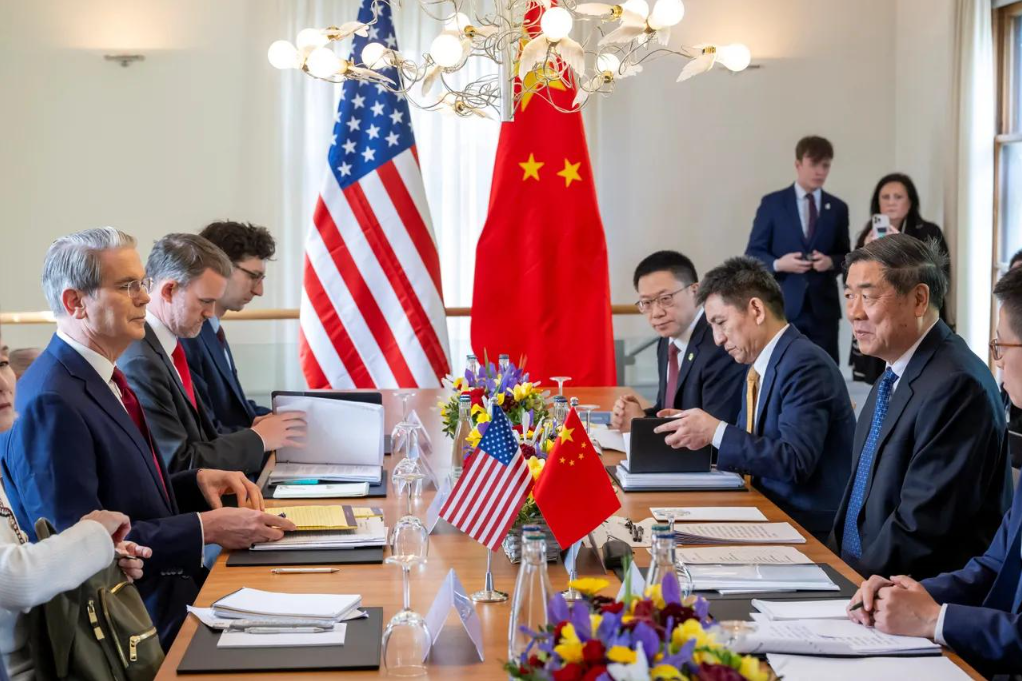
China’s Ministry of Commerce urged the United States on Saturday to abandon a proposed expansion of restrictions on American investments in certain Chinese industries. The response followed a US Treasury Department proposal announced on Thursday that would broaden Washington’s outbound investment security programme, including new restrictions involving biotechnology and expanded controls related to advanced computing and hypersonic technologies.
Beijing described the proposal as discriminatory and warned that further restrictions could damage economic relations between the two countries. Chinese authorities also indicated that they reserved the right to take countermeasures, although no specific response was announced. Washington, meanwhile, maintains that its investment screening measures are intended to prevent American capital and expertise from supporting technologies that could threaten national security. The disagreement reflects a fundamental difference in how the two governments view the relationship between commercial investment and strategic technological development.
Why Investment Restrictions Matter to Global Companies

Unlike tariffs, which directly affect the cost of goods crossing borders, outbound investment restrictions influence where companies and investors can commit capital. Such measures can affect venture capital firms, private equity investors and multinational corporations seeking exposure to industries considered strategically important. They can also introduce additional compliance requirements, potentially discouraging transactions even when those transactions are not explicitly prohibited.
The proposed American changes are particularly significant because they extend attention to biotechnology, an industry with important applications in healthcare, pharmaceuticals and scientific research. Existing US restrictions already cover certain investments involving semiconductors, quantum technologies and artificial intelligence. Broadening these controls would demonstrate how economic security policy is expanding beyond traditional defence-related industries into sectors with both civilian and strategic applications.
For international businesses, this creates uncertainty around partnerships, financing and research cooperation. A company evaluating a long-term investment must consider not only the commercial prospects of a particular market but also whether changing government rules could affect its ability to complete or maintain that investment. The result may be more cautious capital allocation, additional legal scrutiny and greater emphasis on alternative markets.
The Wider Implications for International Trade and Investment
The dispute comes at a time when companies are already reconsidering how heavily they depend on individual countries for manufacturing, technology and financing. Trade tensions, supply-chain disruptions and changing industrial policies have encouraged businesses to diversify their operations. New investment restrictions could accelerate this process by increasing the political and regulatory risks associated with cross-border transactions.
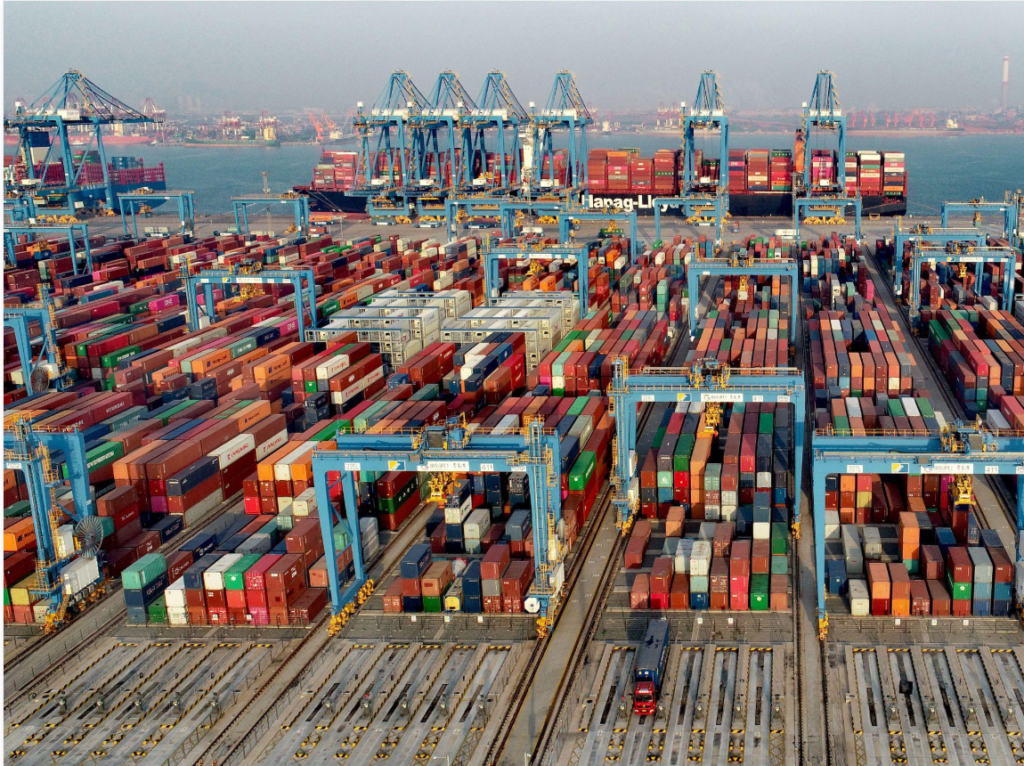
Emerging economies may encounter both opportunities and challenges as international investment patterns evolve. Countries capable of providing reliable infrastructure, skilled workers and predictable regulations could attract businesses seeking alternative locations for production or research. However, smaller economies could also face pressure to navigate competing commercial relationships with Washington and Beijing, particularly in sectors dependent on international financing or advanced technology.
These developments do not necessarily mean that economic cooperation between the United States and China will disappear. Their economies remain deeply interconnected through trade, manufacturing and consumer markets. Nevertheless, the growing use of investment restrictions suggests that certain strategic industries may become increasingly separated by national security considerations, even as broader commercial relationships continue.
THE ABE TAKE: Capital Is Becoming a Strategic Asset
The latest disagreement between Washington and Beijing demonstrates that international investment is no longer judged exclusively by financial returns. Governments are increasingly concerned about where capital travels, which technologies it supports and whether commercial partnerships could create strategic vulnerabilities.
For business leaders, this introduces an additional dimension to investment decisions. A commercially attractive opportunity may carry significant regulatory exposure, while diversification into new markets may offer advantages beyond immediate profitability. Understanding government policy, supply-chain dependencies and international relationships is therefore becoming an essential part of business strategy.
For developing economies, the challenge will be to turn changes in global investment patterns into sustainable opportunities rather than becoming dependent on temporary geopolitical shifts. Countries that strengthen their institutions, infrastructure and investment environments may be better positioned to benefit from businesses searching for stability and long-term growth.
The broader lesson is that globalisation is not necessarily ending, but the rules governing it are changing. Companies and investors that understand those changes will be better equipped to navigate an increasingly complex international economy.
ABE MAGAZINE
Understand More. Think Bigger.