







By ABE Magazine | October 31, 2026
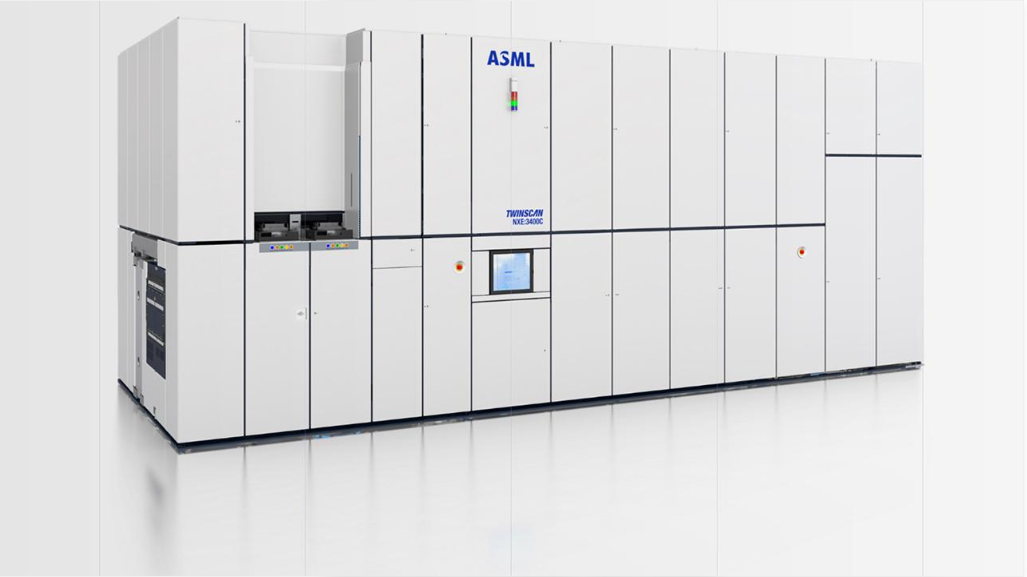
ASML semiconductor technology has become essential to the global chip industry, powering the production of advanced processors used in artificial intelligence, smartphones and modern computing. Based in Veldhoven, Netherlands, ASML supplies specialized manufacturing equipment to some of the world’s leading semiconductor companies. Although less familiar to consumers than Nvidia or Apple, the Dutch company occupies a critical position in the global technology economy.
The company’s importance comes from a highly specialized technology known as lithography. This process allows semiconductor manufacturers to create microscopic patterns on silicon wafers, an essential step in producing computer chips. As electronic devices become more powerful, these patterns must become increasingly precise.
ASML is the world’s only commercial supplier of extreme ultraviolet (EUV) lithography systems. This position gives the company a unique role in the semiconductor supply chain. Major chipmakers depend on its equipment to manufacture many of the world’s most advanced processors.
The rapid expansion of artificial intelligence has made that position even more valuable. Technology companies are investing heavily in data centres, advanced processors and memory chips. Behind those investments stands a complex manufacturing industry in which ASML plays a central role.
ASML Reports Record Revenue as AI Demand Accelerates
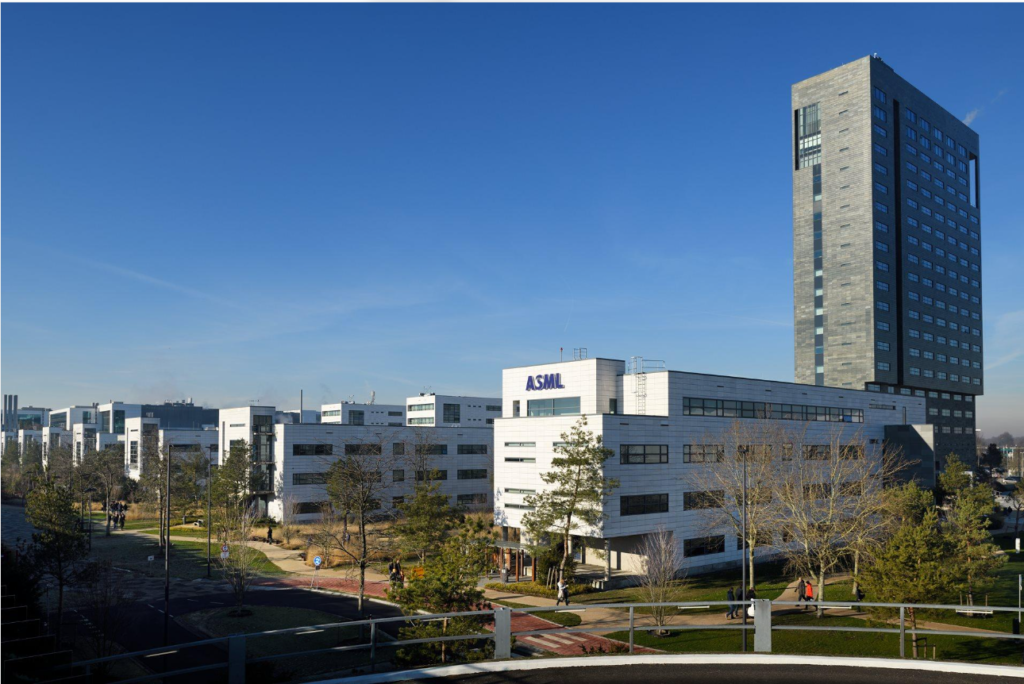
ASML’s latest financial results demonstrate how strongly demand for semiconductor manufacturing equipment has increased.
On October 14, 2026, the company reported third-quarter revenue of €11.7 billion, compared with €9.3 billion in the previous quarter. Net income reached approximately €5 billion, while its gross profit margin increased to 57.5%.
The results reflected strong equipment demand and higher revenue from services and upgrades. ASML also reported sales of 113 new lithography systems during the quarter, compared with 86 in the preceding three months.
Following the results, the company projected full-year 2026 revenue of €44 billion to €45 billion. Its forecast gross margin was approximately 56%.
These figures show how investment in semiconductor production has translated into significant business growth. However, ASML’s performance is not determined solely by the number of machines it sells. Its services, maintenance and equipment upgrades also contribute to revenue.
Customers Are Planning Equipment Orders Years Ahead
ASML’s Chief Executive Officer, Christophe Fouquet, said customers were increasing their equipment demand forecasts. Their expectations were driven largely by continued investment in artificial intelligence infrastructure.
Some customers have expressed interest in placing orders for equipment deliveries as far ahead as 2029 and 2030.
The company also warned that its planned manufacturing capacity for 2027 and 2028 would not fully meet expected customer demand. ASML is therefore examining ways to increase production beyond previously announced expansion plans.
This creates an unusual business challenge. Strong demand supports future revenue, but the company must expand manufacturing capacity without compromising product quality or delivery schedules.
For the semiconductor industry, shortages of advanced manufacturing equipment can affect the timing of new factories and chip production.
How ASML Semiconductor Technology Makes Advanced Chips Possible
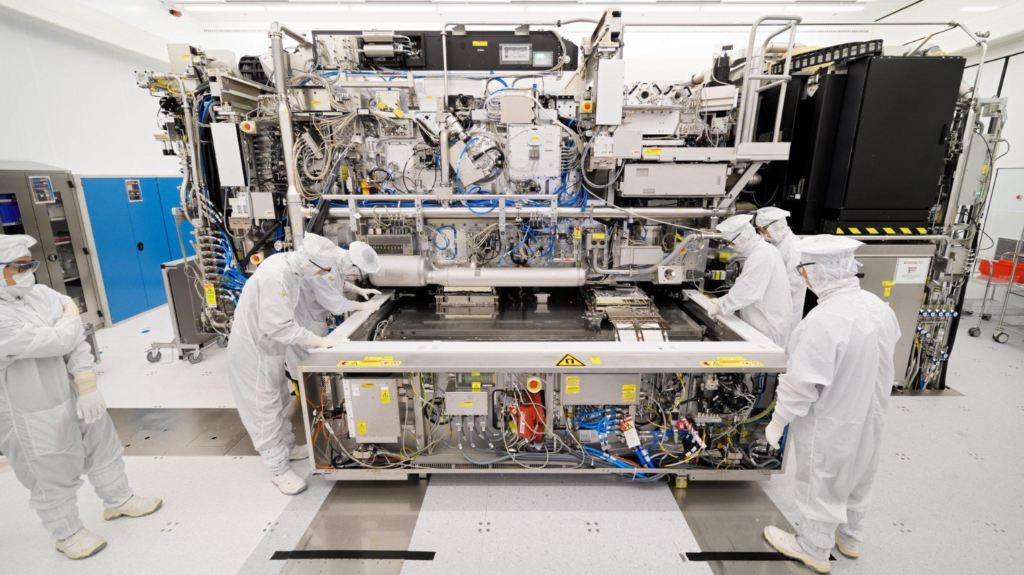
Semiconductor manufacturing involves hundreds of complex production steps. One of the most important is transferring extremely small circuit patterns onto silicon wafers.
ASML builds machines that perform this process using sophisticated optical systems, precision engineering and specialized light sources.
Its equipment includes deep ultraviolet (DUV) and extreme ultraviolet (EUV) lithography systems. Both technologies play important roles in semiconductor production, but EUV is particularly important for manufacturing leading-edge chips.
EUV systems use light with a wavelength of approximately 13.5 nanometres. This allows manufacturers to create extremely fine patterns needed for advanced semiconductor designs.
The process requires extraordinary precision. Light is generated inside the machine and directed through specialized mirrors before reaching the silicon wafer. Even minor inaccuracies can affect manufacturing results.
Why EUV Technology Gives ASML a Competitive Advantage
Developing EUV lithography required decades of research, investment and collaboration among specialized technology companies.
ASML works with suppliers that produce highly advanced optical components, lasers and precision systems. These relationships form an important part of its competitive position.
The difficulty of replicating this technology creates substantial barriers for potential competitors.
However, ASML does not manufacture the finished processors used in smartphones or artificial intelligence systems. Instead, it supplies the equipment that chipmakers use during production.
Companies such as Taiwan Semiconductor Manufacturing Company (TSMC), Samsung and Intel operate semiconductor manufacturing facilities that depend on sophisticated equipment from ASML and other suppliers.
This distinction explains ASML’s strategic importance. It occupies a critical position within the production process rather than competing directly with the companies designing or manufacturing finished chips.
Artificial Intelligence Is Transforming Semiconductor Investment
The global expansion of artificial intelligence has increased demand for powerful computing systems.
AI models require large amounts of processing capacity for training and operation. This has encouraged technology companies to invest in specialized processors, advanced memory and large data centres.
Manufacturing these components requires sophisticated semiconductor production facilities. As chipmakers expand their operations, demand for advanced manufacturing equipment increases.
ASML benefits from this investment cycle because its systems are essential to many leading-edge manufacturing processes.
The company’s October results suggest that semiconductor manufacturers expect AI-related demand to remain significant over the coming years.
Nevertheless, the outlook carries risks. If technology companies reduce their AI spending, chipmakers could delay factory investments and equipment purchases.
ASML’s long-term performance will therefore depend partly on whether demand for advanced computing continues growing at a pace that supports its customers’ expansion plans.
ASML and TSMC Prepare for the Next Generation of Chipmaking
ASML is also developing technology designed to support future generations of semiconductors.
In September 2026, ASML and TSMC announced an initiative to advance the use of larger photomasks with High Numerical Aperture EUV technology, commonly called High-NA EUV.
High-NA systems are designed to improve the precision of lithography and support more advanced chip designs.
The partnership aims to establish a pilot production line for 12-inch photomasks by 2031. The companies expect the technology to support advanced manufacturing systems later in the decade.
TSMC has also indicated plans to use ASML’s High-NA technology in high-volume production for advanced semiconductor nodes beginning in 2030.
These developments illustrate how semiconductor innovation depends on cooperation between equipment manufacturers and chip producers.
Export Restrictions Make ASML a Geopolitical Priority
ASML’s technology has become increasingly important to international politics and economic security.
Advanced semiconductors are used in commercial technology, artificial intelligence systems and military applications. Governments therefore view access to semiconductor manufacturing equipment as a strategic concern.
The Netherlands has introduced export controls covering certain advanced lithography systems. These measures require companies to obtain authorization before exporting specified equipment to destinations outside the European Union.
Dutch authorities expanded the controls in September 2024, adding more types of advanced semiconductor manufacturing equipment to the licensing system.
The government stated that these restrictions were intended to address security risks associated with sensitive technologies.
Importantly, the licensing requirements do not automatically prohibit every covered export. Applications are assessed individually.
The Competition for Semiconductor Leadership
The United States, China, Taiwan, South Korea, Japan and European countries all have significant interests in semiconductor technology.
For the United States, advanced chip production supports artificial intelligence, national security and technological leadership.
China has invested heavily in developing domestic semiconductor capabilities. However, restrictions on access to advanced manufacturing equipment complicate its efforts to produce the most sophisticated chips.
Taiwan and South Korea remain major centres of advanced semiconductor manufacturing. Their leading companies depend on equipment, materials and specialized technology supplied through international networks.
ASML sits at the intersection of these competing interests.
Its business depends on global customers and suppliers, yet government restrictions can influence where certain products may be sold.
For the Netherlands, ASML represents both an important economic asset and a source of international strategic influence.
Can ASML Semiconductor Technology Maintain Its Global Advantage?
ASML’s position provides substantial competitive advantages, but maintaining that position requires continued investment.
Advanced lithography machines are among the most complex industrial systems ever developed. Manufacturing them depends on highly specialized suppliers, skilled workers and extensive research.
Expanding production therefore involves more than building additional factory space. ASML must coordinate its supply chain, increase manufacturing capacity and maintain strict technical standards.
The company is also investing in upgrades that allow existing machines to produce more semiconductor wafers. These improvements can help customers increase output without immediately purchasing additional equipment.
However, several risks remain. Semiconductor demand is cyclical, export restrictions can limit market access, and rapid expansion may create operational challenges.
New technologies could also change manufacturing requirements over time, forcing ASML to continue developing its products.
Despite these uncertainties, the company’s current market position makes it difficult to replace in the production of leading-edge semiconductors.
THE ABE TAKE
ASML demonstrates how a company can become globally influential without selling products directly to ordinary consumers.
Its importance comes from controlling a critical technological capability within one of the world’s most valuable industries. While companies such as Nvidia attract attention for designing powerful AI processors, ASML supplies equipment needed to manufacture many of the advanced chips behind modern computing.
The company’s latest financial results show how strongly semiconductor investment has accelerated. Record quarterly revenue, rising customer demand and long-term equipment planning suggest that chipmakers are preparing for continued expansion.
However, ASML’s success also reveals the vulnerabilities of a highly interconnected global economy. Semiconductor manufacturing depends on specialized suppliers, international cooperation and access to technologies that governments increasingly consider strategically important.
The challenge for ASML will be expanding production while managing technological complexity, geopolitical restrictions and the possibility of changing investment cycles.
For investors, policymakers and business leaders, the lesson extends beyond semiconductors. Companies that control essential infrastructure or specialized technologies can become indispensable to entire industries.
ASML may not design the world’s most famous chips, but its machines help make their production possible. That position has made the Dutch company one of the most strategically important businesses in the modern global economy.
ABE MAGAZINE
Understand More. Think Bigger.