


November 16, 2026
By ABE Editorial Desk
Tesla’s German factory expansion marks a major investment in the future of autonomous transportation. As traditional European automakers restructure operations and confront intensifying competition, the American electric vehicle manufacturer is preparing to build a new generation of robotaxis in Germany. The investment offers potential opportunities for Europe’s industrial economy, but its success will depend on technological progress, regulatory approval and commercial demand.
Germany has long been synonymous with automotive engineering. Its manufacturers have built international reputations around precision, performance and industrial expertise. Yet the industry that helped establish Germany as a manufacturing powerhouse is entering a period of considerable uncertainty, challenged by electric vehicle competition, changing consumer demand and the financial pressures of technological transformation.
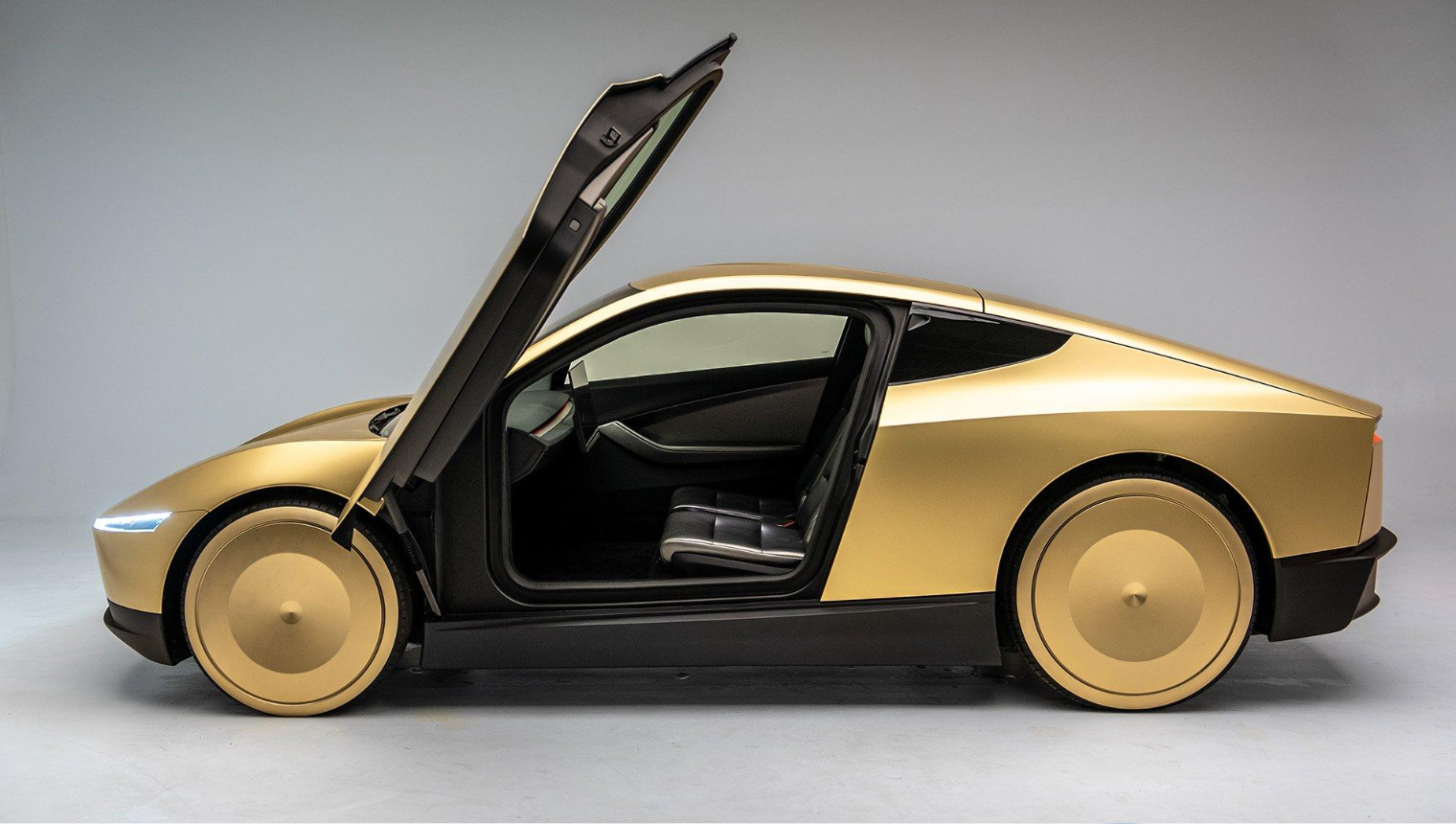
Against this backdrop, Tesla has announced plans to invest approximately €3 billion, equivalent to US$3.3 billion, in expanding its Gigafactory in Grünheide, near Berlin. The investment will support a new production facility intended to manufacture the company’s Cybercab autonomous vehicle, with construction expected to begin in the first half of 2027 and production targeted for 2029.
Tesla’s German factory expansion represents more than another investment in electric vehicle manufacturing. It signals a strategic shift toward autonomous mobility, where companies hope to generate revenue not only from selling vehicles but potentially from operating transportation services.
The question is whether that vision can become a commercially sustainable business.
A €3 Billion Commitment to Germany
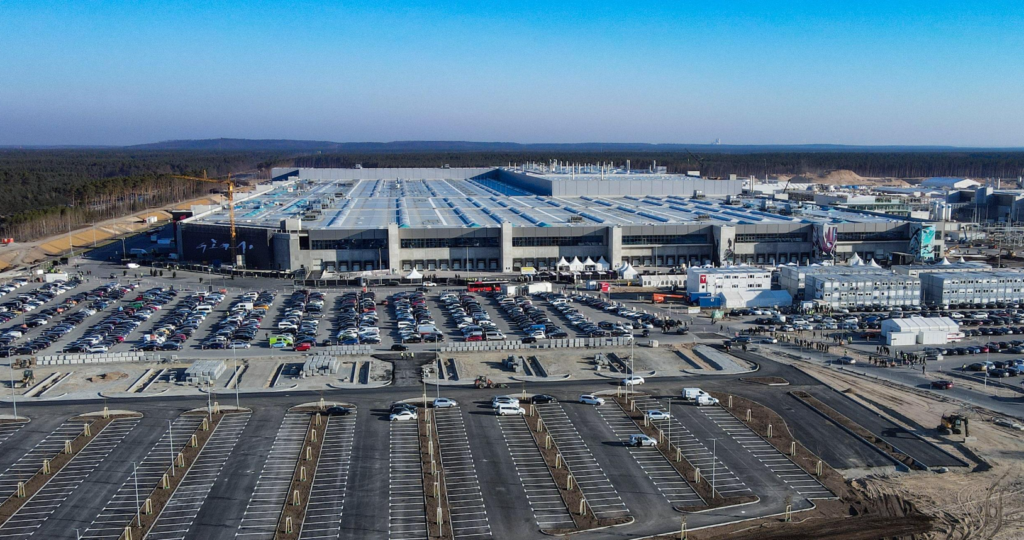
Tesla’s announcement on November 16 outlines plans for a substantial expansion of its only European vehicle manufacturing facility. The proposed investment includes a new production building, supporting infrastructure and additional facilities required for the enlarged operation.
The company intends to submit a building permit application before the end of 2026, with construction scheduled to begin during the first half of 2027. Production of Cybercab vehicles is planned to start in 2029, subject to the necessary approvals and successful execution of the project.
Tesla has indicated that the new facility could eventually support annual production of up to one million Cybercabs. That figure describes the site’s potential manufacturing capacity rather than an established sales forecast or guaranteed output.
The investment also carries implications for employment. Tesla plans to recruit several hundred additional workers during the initial construction and production-planning stages, although the longer-term workforce requirements remain uncertain.
Brandenburg’s state premier, Dietmar Woidke, welcomed the announcement as evidence that Germany continues to attract major industrial investment despite the challenges facing its manufacturing economy.
The decision provides a notable contrast with the restructuring programmes being pursued by several established German automotive groups.
Why Tesla Is Betting on Cybercabs
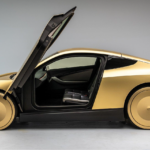
The Cybercab is central to Tesla’s ambition to expand beyond conventional electric vehicle sales and establish a position in autonomous transportation.
Unlike traditional passenger vehicles, the Cybercab is designed around the concept of driverless mobility. Its proposed commercial model could allow transportation services to operate without the labour costs associated with human drivers, although such an outcome depends on reliable autonomous technology and regulatory permission.
For Tesla, the attraction is potentially significant. Conventional vehicle manufacturing generates revenue primarily through the sale of automobiles, financing and associated services. Autonomous transportation could create additional recurring revenue opportunities through ride-hailing, fleet operations and software-based services.
However, the commercial economics remain uncertain. Robotaxi operators must account for vehicle depreciation, maintenance, insurance, charging infrastructure, cleaning, customer support and the management of large fleets.
Removing a human driver does not eliminate the costs of operating a transportation business.
Tesla also faces the challenge of demonstrating that its autonomous systems can perform reliably across different environments, weather conditions and regulatory jurisdictions.
A factory capable of producing large numbers of Cybercabs would therefore represent only one part of a much more complicated commercial strategy.
Germany’s Automotive Industry Faces a Turning Point
Tesla’s investment comes at a difficult moment for Germany’s established automotive manufacturers.
Volkswagen, Mercedes-Benz and BMW have been confronting intensifying international competition and the financial demands of electrification, digital technology and changing consumer preferences.
Some manufacturers have announced workforce reductions or reviewed production arrangements as they attempt to improve efficiency and adapt their businesses.
The industry faces a structural challenge. German automakers have traditionally benefited from sophisticated engineering, established brands and strong positions in premium vehicles. However, the transition toward electric and software-defined transportation has changed the sources of competitive advantage.
Battery technology, manufacturing costs, software development and production flexibility have become increasingly important.
Tesla’s German factory expansion demonstrates that the country’s industrial infrastructure remains attractive to international manufacturers, even as domestic companies reassess their operations.
Nevertheless, the announcement does not guarantee a broader recovery for Germany’s automotive industry.
A single major investment cannot automatically offset restructuring elsewhere, particularly when future production may rely heavily on automation.
The Employment Question Behind Automated Manufacturing
One of the most important issues surrounding Tesla’s expansion concerns employment.
Large industrial investments are often welcomed because they create construction contracts, manufacturing jobs and opportunities for local suppliers. They can also generate additional economic activity through transportation, services and infrastructure development.
Tesla has indicated that several hundred additional workers will initially be needed for construction and production planning.
Yet the company’s long-term manufacturing strategy places considerable emphasis on automation.
Highly automated factories can achieve substantial production volumes without employing workers in the same proportions as traditional manufacturing operations.
This creates a distinction between industrial output and employment growth.
A factory capable of producing one million vehicles annually may contribute significantly to regional manufacturing statistics, but its impact on jobs will depend on production methods, supply-chain arrangements and the amount of work performed locally.
For German policymakers, the challenge is ensuring that new investment creates durable economic benefits beyond the immediate construction phase.
That includes supporting skilled employment, technical training and opportunities for domestic suppliers to participate in emerging automotive technologies.
The Regulatory and Environmental Challenges
Tesla’s expansion is not without obstacles.
The Grünheide factory has previously faced environmental protests, particularly concerning land use, forest clearance and water resources. Local residents and environmental organisations have raised concerns about the effects of industrial development on surrounding communities.
The company has also experienced disputes with Germany’s powerful IG Metall union over labour relations and workplace representation.
These issues illustrate the broader difficulties associated with expanding industrial production in densely regulated European markets.
Tesla must obtain the necessary permits for its new facilities and demonstrate compliance with relevant environmental and planning requirements.
The proposed investment also includes supporting infrastructure, including additional wastewater treatment capacity.
Regulatory challenges extend beyond the factory itself. Commercial deployment of autonomous vehicles requires compliance with road safety rules and operational standards that differ between countries.
Even if Tesla completes the manufacturing expansion on schedule, the commercial success of Cybercabs will depend on where and under what conditions the vehicles are permitted to operate.
Can Tesla Build a Profitable Robotaxi Business?
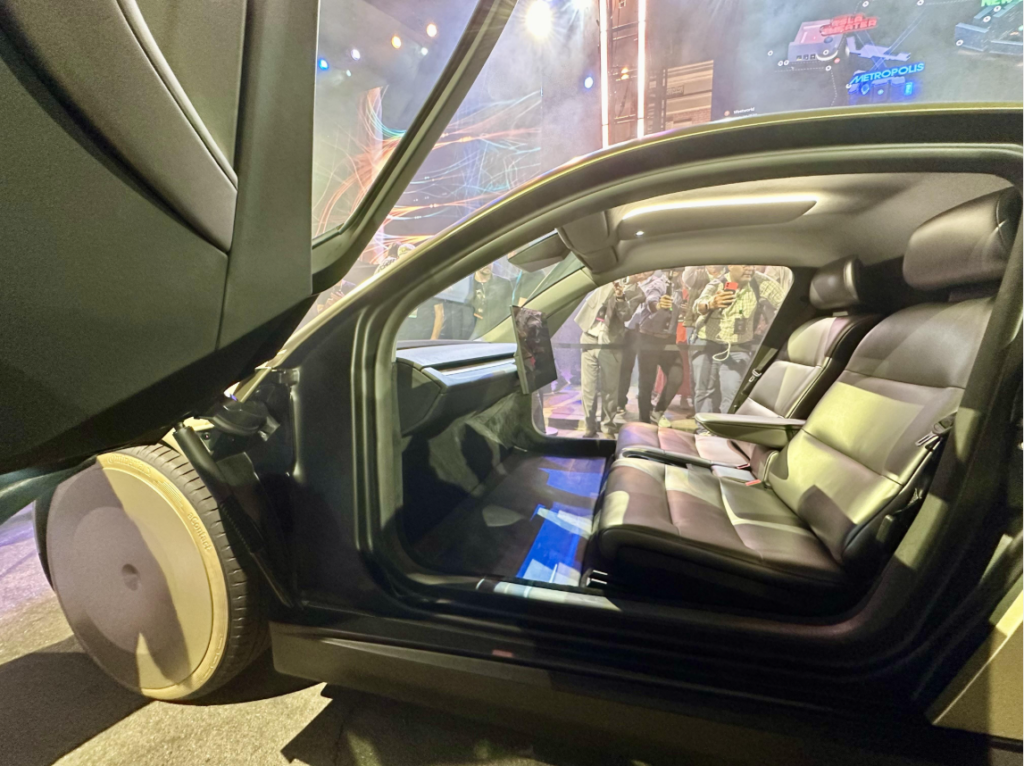
The financial logic behind autonomous transportation rests partly on the possibility of reducing operating costs while increasing vehicle utilisation.
A conventional privately owned car spends much of its time parked. A robotaxi operating within a commercial fleet could potentially complete more journeys and generate revenue across longer periods.
However, utilisation depends on demand, geography, fleet management and service reliability.
A transportation company must have sufficient paying customers to justify the costs of purchasing, operating and maintaining its vehicles.
Competition will also influence profitability. Established ride-hailing platforms, conventional taxi operators and other autonomous mobility developers are pursuing different approaches to transportation services.
Tesla’s manufacturing capabilities could provide advantages if it can produce autonomous vehicles efficiently at scale.
But large-scale manufacturing is not equivalent to large-scale commercial adoption.
The proposed annual capacity of one million Cybercabs would require a substantial market capable of absorbing that output. Whether demand develops at such a level remains uncertain.
Investors will therefore need to distinguish between Tesla’s industrial ambitions and evidence of sustainable robotaxi profitability.
What the Investment Means for Europe’s Industrial Future
Tesla’s decision to expand in Germany carries broader implications for European industrial competitiveness.
The investment suggests that advanced manufacturing opportunities remain available in the region, particularly where companies can combine established industrial infrastructure with emerging technologies.
For suppliers, the project could create opportunities in robotics, electronics, manufacturing equipment, industrial software and other specialised services.
For policymakers, it reinforces the importance of creating conditions that attract investment while maintaining environmental and labour standards.
The announcement also highlights a changing definition of automotive competitiveness.
Future success may depend increasingly on the integration of software, autonomous systems, battery technology and efficient manufacturing processes.
European manufacturers must determine how to respond to that transformation while protecting profitability and preserving their industrial capabilities.
Tesla’s expansion could become an important example of this transition, but its eventual significance will depend on whether the proposed Cybercab business develops beyond manufacturing plans.
THE ABE TAKE
Tesla’s €3 billion investment in Germany represents a significant vote of confidence in European manufacturing at a time when much of the continent’s automotive industry is facing difficult decisions.
However, the most important aspect of the announcement is not the amount being invested. It is the business model Tesla hopes to build around autonomous transportation.
The company is preparing manufacturing capacity for a market whose ultimate size, regulatory environment and profitability remain uncertain.
That creates an unusual strategic calculation. Tesla is committing substantial capital today in anticipation of demand that may develop over several years.
If autonomous transportation becomes commercially viable at scale, early manufacturing investment could provide a competitive advantage. If adoption is slower than expected, the company could face significant costs associated with underutilised capacity.
For Germany, the project offers opportunities for investment, industrial activity and specialised employment. But it also raises questions about the relationship between automation and job creation.
The broader lesson extends beyond Tesla.
As industries become more technologically sophisticated, economic success will increasingly depend on whether major investments translate into sustainable businesses rather than simply impressive production capabilities.
Tesla’s German expansion is therefore both an opportunity and a test.
The company must prove that its vision of autonomous transportation can generate real demand, reliable operations and lasting financial returns.
ABE MAGAZINE
Understand More. Think Bigger.