







By ABE Magazine | November 3, 2026
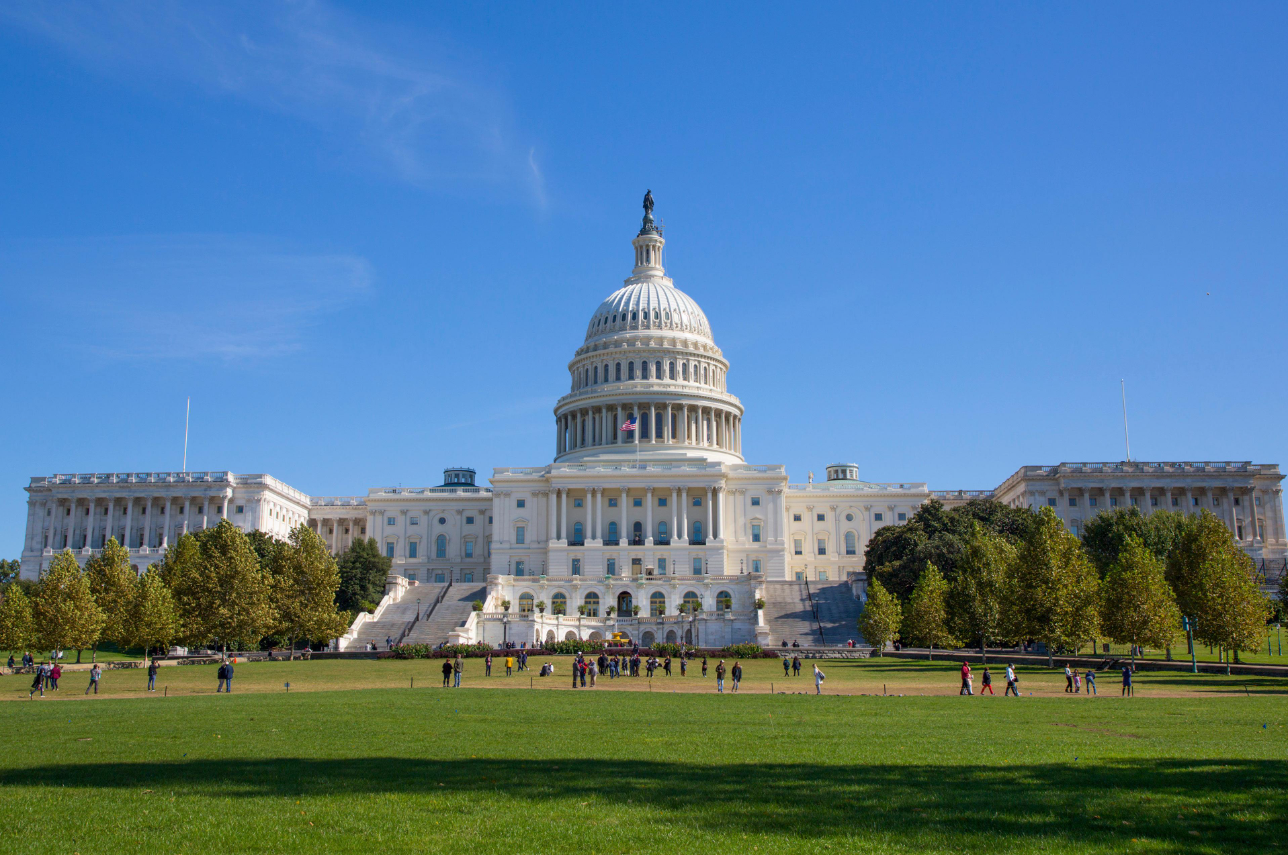
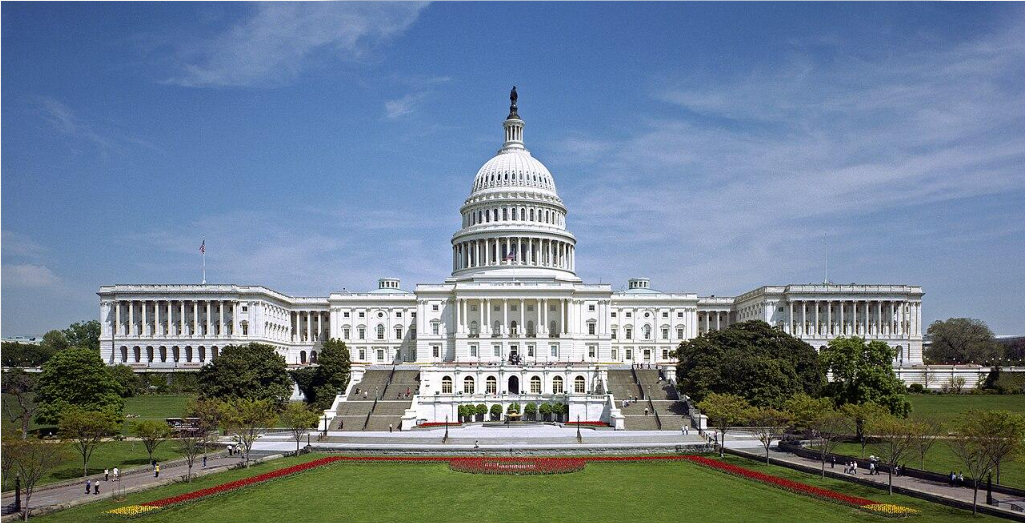
Americans are voting in a closely watched midterm election that could change the balance of power in Washington. Republicans are fighting to retain control of Congress, while Democrats hope to regain influence over federal policymaking. The outcome could shape President Donald Trump’s remaining two years in office and affect the country’s economic direction.
The election comes amid widespread concerns about living costs, energy prices and political leadership. A Reuters/Ipsos survey found that 48% of registered voters considered the cost of living their most important voting issue. Democratic norms ranked second at 26%, followed by immigration at 13%. These concerns have placed economic conditions at the centre of the campaign.
The stakes extend beyond the two major political parties. Congressional control can influence taxation, government spending, regulation and oversight of the White House. For businesses and households, the election could help determine how Washington responds to economic pressures.
Millions of Americans Vote in a High-Stakes Election
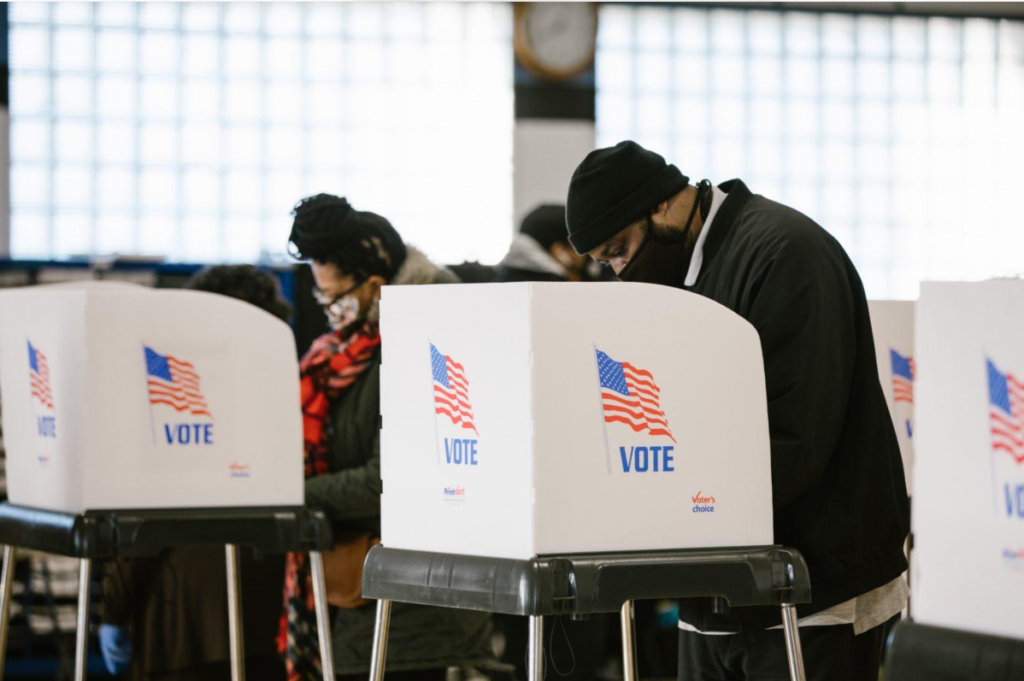
More than 57 million Americans had already voted before Election Day, according to the University of Florida Election Lab. That figure exceeded the early-voting total reported for the 2022 midterms. It also demonstrates substantial public participation before polling stations opened on November 3.
Voters will elect representatives to all 435 House seats and choose senators in 35 contests. Several states are also holding gubernatorial and legislative elections. These races will influence national and state policies over the coming years.
Republicans entered the election with narrow congressional majorities. They hold a 53–47 advantage in the Senate, while Democrats need a net gain of four seats to take control. In the House, Republicans also hold a narrow edge, making a relatively small number of competitive districts important to the outcome.
Recent polling and election analysis have suggested that Democrats could gain control of the House. The Senate remains more difficult to predict because several competitive contests take place in Republican-leaning states. However, surveys and forecasts do not determine election results.
The final balance of power may not become clear immediately. Some states require additional time to process mail ballots and complete vote counts. Election officials and news organizations will continue assessing results after polls close.
Republicans Face a Test of Trump’s Leadership
For Republicans, the midterms represent a major test of President Trump’s second-term leadership. The party currently controls the White House and both chambers of Congress. Retaining those majorities would help Republicans continue pursuing their legislative priorities.
Republican leaders have emphasized lower taxes, deregulation, border enforcement and domestic energy production. They argue that these policies can encourage investment and strengthen the economy. Supporters also view continued congressional control as important for maintaining policy consistency.
However, economic dissatisfaction has created difficulties for the party. Higher fuel prices and concerns about household affordability have become major campaign issues. The war involving Iran has added pressure to energy markets and intensified debate over the administration’s foreign policy.
Republicans must convince voters that their economic strategy can improve living standards. Strong business investment and economic growth may support their arguments. Yet households experiencing financial pressure may judge the administration differently.
A Republican victory would strengthen Trump’s ability to negotiate legislation with Congress. A significant loss could create pressure for changes in political strategy. It might also intensify internal debates about the party’s direction before the 2028 presidential election.
Democrats Seek a Return to Congressional Power
Democrats are presenting the election as an opportunity to challenge the administration’s economic and political decisions. Party candidates have emphasized affordability, healthcare, housing and government accountability. They have also criticized aspects of Trump’s trade and immigration policies.
Winning the House would give Democrats control over congressional committees and much of the chamber’s legislative agenda. They could investigate administration decisions and influence federal budget negotiations. However, House control alone would not allow them to implement every policy they support.
A Democratic Senate majority would provide additional influence over legislation and presidential appointments. Senators confirm senior executive officials and federal judges. Control of the chamber could therefore affect the administration’s ability to fill important positions.
Democrats also face political challenges of their own. The party includes lawmakers with different views on taxation, regulation and government spending. Maintaining unity would become essential if Democrats gained congressional power.
An election victory could strengthen the party’s position ahead of 2028. However, the practical results would depend on its ability to negotiate legislation and respond to voter concerns.
Cost of Living Becomes the Central Economic Issue
The Reuters/Ipsos survey shows how strongly affordability is influencing voters. Nearly half of registered voters identified living costs as their leading concern. This reflects pressure on household budgets despite continued economic activity.
Energy prices have become especially important. Higher fuel costs affect transportation, business operations and household spending. They can also increase the cost of moving goods through supply chains.
Housing remains another major concern. Mortgage payments, rents and property expenses influence financial security for millions of households. These costs can remain difficult even when employment conditions are relatively stable.
Republicans argue that tax and regulatory policies can support investment and economic growth. Democrats emphasize household affordability and stronger oversight of economic policy. Both parties face pressure to explain how their proposals would produce measurable improvements.
The election demonstrates why national economic statistics do not always reflect individual experiences. A growing economy can still leave households struggling with expenses. Voters may therefore focus more on purchasing power than headline growth figures.
The War With Iran Adds Political and Economic Pressure
The conflict involving Iran has become an important factor in the election campaign. Military operations and regional instability have contributed to higher fuel prices. These developments have raised concerns about economic costs and America’s international commitments.
A Reuters/Ipsos survey found that 55% of respondents believed US military action against Iran had not been worth its cost. Approximately 25% considered it worthwhile. The findings suggest that the conflict has become a significant source of public dissatisfaction.
The economic consequences extend beyond energy prices. Businesses depend on stable transportation networks and predictable international trade. Geopolitical uncertainty can influence investment decisions and financial markets.
Republicans have defended the administration’s national security approach, although individual lawmakers differ on specific policies. Democrats have questioned the conflict’s costs and called for greater accountability. The election could influence congressional oversight and future funding decisions.
However, Congress does not control every aspect of foreign policy. The president retains significant executive authority. A change in congressional leadership could increase scrutiny without automatically changing the administration’s international strategy.
What a Republican Victory Could Mean for the Economy
If Republicans retain both chambers, the administration would continue operating under unified government. Party leaders could pursue additional tax, spending and regulatory legislation. They would still need to manage disagreements within their congressional majorities.
Some businesses might welcome greater policy continuity. Companies that favour lower regulatory burdens could see continued Republican control as beneficial. However, tariffs, government borrowing and geopolitical uncertainty would remain important concerns.
Republican leaders could also pursue additional changes to federal spending priorities. These decisions might influence healthcare, social programmes and defence expenditure. Their effects would depend on the details of legislation Congress passes.
A Republican victory would not guarantee stronger financial markets. Investors would continue evaluating corporate earnings, inflation and interest rates. Economic performance depends on many factors beyond congressional control.
What a Democratic Victory Could Mean for Washington
If Democrats win the House, they could block legislation that conflicts with their priorities. They would also gain greater influence over congressional investigations and budget negotiations. This could create a more confrontational relationship with the White House.
If Democrats gain both chambers, their oversight powers would expand further. They could introduce legislation on healthcare, housing, taxation and other issues. However, President Trump would retain the power to veto bills.
A divided government could slow major legislative changes. Some investors might welcome limits on new policy initiatives, while others could worry about prolonged budget disputes. Neither outcome guarantees a particular economic result.
Democratic control could also increase scrutiny of corporate regulation and federal spending. Businesses in technology, finance, healthcare and energy would watch these developments closely. The practical effects would depend on the proposals lawmakers advance.
The central question would be whether the parties could negotiate workable agreements. Cooperation might produce targeted reforms. Persistent conflict could create uncertainty over government funding and other economic decisions.
Wall Street Watches the Election Closely
Financial markets are monitoring the election because congressional control could influence several major industries. Investors are considering potential changes to taxation, defence spending, healthcare regulation and federal borrowing. Artificial intelligence infrastructure has also emerged as an area of concern.
Technology shares have experienced renewed pressure following questions about the scale of AI investment. Companies are committing substantial capital to data centres, processors and networking infrastructure. Investors want evidence that future earnings can justify those expenses.
A change in congressional control could affect how lawmakers approach AI infrastructure and corporate oversight. However, the election would not automatically change technology spending. Business decisions will continue depending on demand, profitability and financing conditions.
Healthcare, banking and cryptocurrency companies are also watching for possible regulatory changes. Different congressional majorities could influence legislative priorities. Yet the White House, federal agencies and courts would remain important decision-makers.
For investors, the election creates another source of uncertainty. Markets may react to unexpected results or changes in policy expectations. However, longer-term performance will depend on economic fundamentals as well as political developments.
Why the Election Matters Beyond the United States
The US midterms could also influence international businesses and governments. American trade policy affects global supply chains, investment decisions and economic relationships. Changes in congressional leadership could alter debates over tariffs and international commitments.
Canada has a particular interest in these developments. Canadian businesses depend heavily on trade with the United States. Decisions affecting manufacturing, energy and cross-border commerce can influence investment and employment on both sides of the border.
European and Asian economies also follow American political developments closely. US fiscal policy, trade restrictions and defence decisions can have international consequences. However, Congress shares authority with the president in many of these areas.
The election will therefore matter beyond American domestic politics. It could change the environment in which international companies make long-term decisions. The scale of those changes will become clearer only after the results and subsequent policy decisions.
What Happens After Election Day?
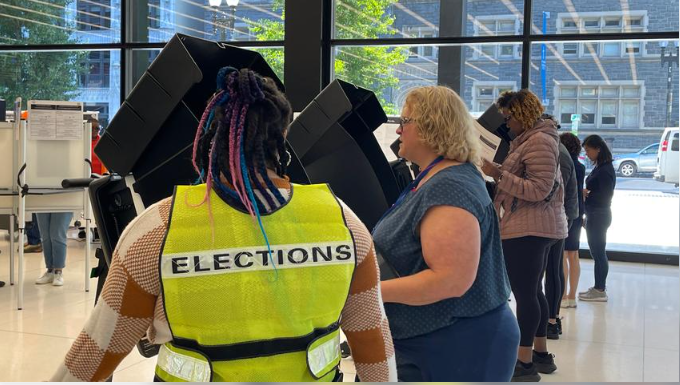
Polling stations will close at different times across the country. News organizations may project winners in some races before officials finish counting every ballot. However, closely contested elections can take longer to resolve.
The Associated Press and other election organizations use vote totals, statistical analysis and reporting to determine when a candidate has secured victory. They do not declare winners simply because one candidate holds an early lead. Outstanding ballots must no longer provide a plausible path for the trailing candidate to win.
Control of Congress could remain uncertain for several days. Mail ballots, close margins and state-specific election procedures can delay final decisions. Voters and investors should distinguish confirmed results from projections and speculation.
Once officials determine the winners, attention will shift to congressional leadership and policy priorities. The new Congress will begin its term in January 2027. Its relationship with the White House will shape the next phase of American policymaking.
THE ABE TAKE
The November 3 midterm elections are a test of political leadership and public confidence in the American economy. Republicans want voters to support continued control of Washington. Democrats are seeking greater authority to challenge the administration and advance their own priorities.
Affordability has become the defining issue. Economic growth and corporate investment matter, but households judge prosperity through everyday expenses. Higher fuel, housing and consumer costs can influence political choices even when broader economic indicators remain resilient.
For Republicans, the challenge is demonstrating that their policies are improving living standards. For Democrats, the challenge is presenting credible alternatives that can deliver measurable results. Neither party can rely entirely on criticism of its opponent.
The consequences will extend into business and financial markets. Taxation, regulation, spending and oversight could change depending on congressional control. However, election results alone cannot guarantee economic growth or financial stability.
Ultimately, Americans are voting not only on who should control Congress but also on how their government should respond to economic uncertainty. The real test will come after Election Day, when political promises must confront the practical demands of governing.
ABE MAGAZINE
Understand More. Think Bigger.