










ABE MAGAZINE | BUSINESS & FINANCE
October 26, 2026
Some of the most powerful investors in the global economy are not private billionaires, commercial banks or traditional investment companies. They are government-owned investment funds managing enormous pools of national wealth. From Norway’s investments in international stock markets to Saudi Arabia’s efforts to transform its economy and Singapore’s long-term global investment strategy, sovereign wealth funds are becoming increasingly influential in determining where capital flows, which businesses expand and which industries attract major investment. Their growing importance raises a fundamental question about the modern economy: what happens when governments become some of the world’s most powerful investors?
The Rise of a New Class of Global Financial Power
Sovereign wealth funds are investment institutions owned by governments and established to manage financial assets for national objectives. Their resources may originate from oil and gas revenues, foreign-exchange reserves, fiscal surpluses or transfers of other public assets. Rather than spending all available revenue immediately, governments can invest part of it in financial markets, businesses, infrastructure and property.
These funds serve different purposes. Some are designed to preserve wealth for future generations, while others help stabilize public finances during economic downturns or support long-term national development. Their investment strategies therefore vary considerably, even when they operate within the same global financial markets.
The scale of sovereign investment has become difficult to overlook. Global SWF reported that sovereign wealth fund assets under management surpassed US$15 trillion in 2025, while sovereign funds, public pension funds and central banks together managed approximately US$60 trillion. The distinction matters because public pension funds and central banks are not necessarily sovereign wealth funds, although all three groups can influence global capital markets.
The expansion of sovereign wealth funds reflects more than the accumulation of national savings. These institutions have become important sources of financing for businesses, investment partnerships and major infrastructure projects. Their long investment horizons can make them attractive partners for companies seeking substantial capital without relying exclusively on traditional banks or short-term investors.
Norway Demonstrates the Power of Long-Term Investing
Norway provides one of the clearest examples of how a sovereign investment fund can transform natural-resource income into a diversified financial portfolio. Its Government Pension Fund Global was established to manage wealth generated from petroleum activities and support the country’s finances over the long term.
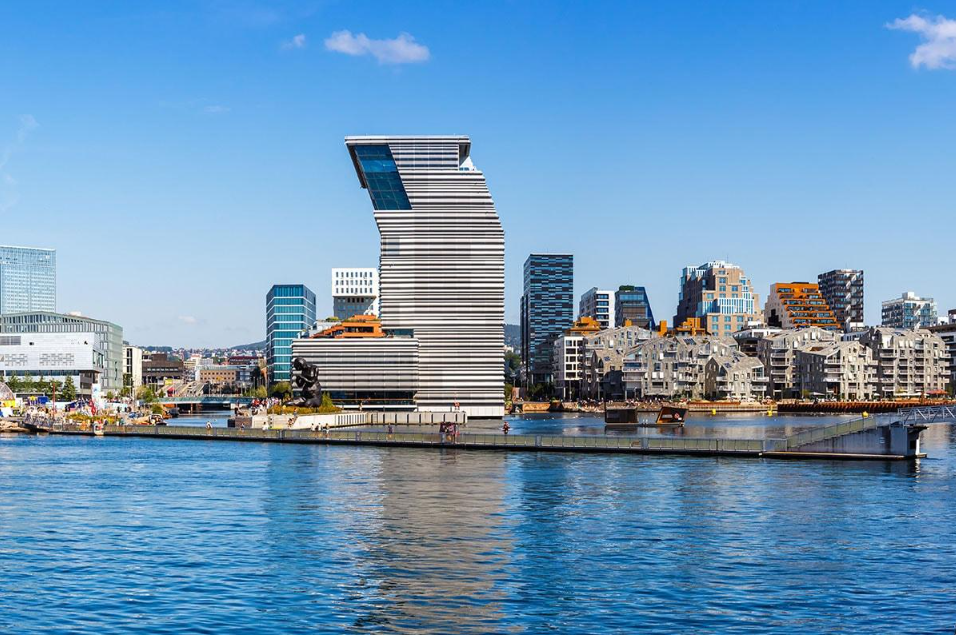
By the end of June 2026, the fund was valued at approximately 22.7 trillion Norwegian kroner. It held investments across thousands of companies and allocated most of its portfolio to publicly traded equities, alongside bonds, real estate and renewable-energy infrastructure.
Unlike funds that concentrate heavily on domestic industrial development, Norway’s fund primarily invests internationally. This approach helps reduce the country’s dependence on its own economy and spreads financial exposure across different markets and industries.
Its influence also extends beyond purchasing shares. As a shareholder, the fund can vote on corporate matters, including board elections and governance proposals. These activities give it a voice in how companies are managed, even when its ownership stake in an individual business is relatively small.
Norway’s experience illustrates an important distinction between economic ownership and direct operational control. A sovereign wealth fund does not need to manage a company to influence its decisions. Through investment policies, voting rights and expectations about corporate governance, a large institutional investor can shape discussions about accountability and long-term performance.
Gulf Sovereign Funds Are Becoming Major Dealmakers
While Norway emphasizes broad international diversification, several sovereign wealth funds in the Gulf region combine financial investment with national economic transformation. Saudi Arabia’s Public Investment Fund, Abu Dhabi’s Mubadala and the Qatar Investment Authority are among the institutions that have attracted growing attention from international businesses.
According to Global SWF, seven major Gulf sovereign wealth funds collectively deployed approximately US$119 billion in investments during 2025. The scale of that activity demonstrates how these institutions have become significant participants in mergers, acquisitions and private-market financing.
Saudi Arabia’s Public Investment Fund reported more than US$900 billion in assets under management in its 2025 annual results. The fund has invested across sectors including tourism, entertainment, industrial development and technology as part of the kingdom’s broader economic diversification efforts.
These investments reflect a strategy that goes beyond generating portfolio returns. By directing capital into new industries, governments hope to create employment opportunities, attract international expertise and reduce dependence on traditional sources of national revenue.
However, economic transformation through large investment programmes carries risks. Major projects require extensive capital, skilled workers, reliable infrastructure and sufficient commercial demand. A government-owned fund may have the financial resources to support ambitious development, but that does not guarantee every investment will generate attractive returns.
The challenge is to balance national development priorities with financial discipline. Investments designed to strengthen an economy must eventually demonstrate that they can create sustainable commercial value.
Sovereign Capital Is Reshaping Technology and Infrastructure
One of the most significant changes in sovereign wealth fund investment is the growing interest in technology and the physical infrastructure supporting digital services.
Data centres, semiconductor production, electricity networks and advanced computing facilities require enormous amounts of capital. The businesses developing these assets often need investors willing to commit substantial resources over long periods before the projects become fully operational.

Sovereign wealth funds can be particularly well positioned to participate in such investments because many operate with long-term financial objectives and significant capital reserves. Their involvement may take the form of direct equity investments, infrastructure partnerships, private funds or financing arrangements.
The International Forum of Sovereign Wealth Funds highlighted in its 2026 annual review that artificial intelligence is increasingly influencing sovereign investment strategies. It also emphasized that the technology’s development depends on physical infrastructure, including energy systems and computing facilities.
This shift illustrates how sovereign investment can influence the direction of entire industries. When major government-owned funds allocate capital to a particular sector, they can help accelerate construction, business expansion and the availability of financing.
Yet technological investment also introduces uncertainty. Infrastructure costs can be substantial, while future demand and profitability may be difficult to forecast. Sovereign investors must therefore assess whether projected economic benefits justify the financial commitments involved.
Why Businesses Are Seeking Sovereign Investment Partners
For companies, sovereign wealth funds offer an alternative source of financing that can be especially valuable when projects require significant capital or a lengthy development period.
A manufacturing company planning an international expansion may need funding for factories, equipment and supply chains. An infrastructure developer may require investors prepared to wait years before receiving meaningful returns. A technology company could seek strategic partners capable of supporting research, commercialization and global growth.
Sovereign wealth funds can participate in these opportunities through minority shareholdings, direct investments, joint ventures and partnerships with private investment managers. Their involvement can provide access to capital and, in some cases, relationships with new markets or government-backed development initiatives.
Research published by the CFA Institute in May 2026 described sovereign wealth funds as increasingly influential participants in private markets, where they help shape investment structures and the availability of long-term financing.
However, sovereign investment does not automatically make a business successful. Companies must still generate revenue, control costs and compete effectively. The availability of substantial funding can support growth, but it can also encourage overly ambitious expansion if management becomes less disciplined about profitability.
For businesses seeking sovereign capital, the quality of the investment partnership matters as much as the amount of money available. Clear governance arrangements, realistic performance expectations and alignment between commercial and strategic objectives are essential.
The United States Is Attracting a Larger Share of Sovereign Capital
The geography of sovereign investment is also changing. Despite political uncertainty and concerns about international trade, the United States remains an important destination for government-owned investment funds.
Global SWF data reported by Reuters showed that sovereign wealth funds and public pension funds invested approximately US$132 billion in the United States during 2025, representing roughly half of their combined annual investment activity. Much of the interest was associated with technology, digital infrastructure and related opportunities.
At the same time, investment directed toward major emerging markets declined. The report identified a reduction in capital flowing to markets including China, India, Indonesia and Saudi Arabia, illustrating how investors may favour established financial markets even when emerging economies offer long-term growth potential.
This pattern presents a challenge for countries seeking international investment. Sovereign funds may be willing to finance ambitious projects, but they must also consider regulatory stability, financial-market depth, currency risk and the reliability of commercial institutions.
For developing economies, attracting sovereign investment requires more than identifying promising industries. Investors need confidence that projects can be implemented efficiently and that financial agreements will remain dependable over time.
The result is an increasingly competitive global environment in which countries must demonstrate both economic opportunity and institutional credibility.
The Growing Debate Over Accountability and Political Influence
As sovereign wealth funds become more influential, questions about transparency and governance are gaining importance. Unlike conventional private investment companies, sovereign funds are ultimately connected to governments and public resources.
That relationship can create advantages, including patient capital and the ability to support national development. It can also create tensions when political objectives conflict with financial performance or when investment decisions become connected to diplomatic relationships.
A government may consider an overseas investment valuable because it strengthens commercial ties or provides access to strategically important technology. A financial investor, however, may evaluate the same opportunity primarily through expected returns and risk.
These objectives are not necessarily incompatible, but they require clear institutional safeguards. Strong governance structures can help distinguish investment management from political decision-making and establish accountability for the use of public wealth.
Transparency is particularly important when funds acquire influential stakes in major businesses or invest in industries connected to national security, communications and critical infrastructure. Host countries may examine such transactions to determine whether foreign government ownership creates additional risks.
The central issue is not whether sovereign wealth funds should participate in global business. Their role is already firmly established. The question is how they can operate in ways that protect financial performance, public interests and confidence in international investment.
THE ABE TAKE: The Future of Global Business Will Be Shaped by Who Controls Capital
The growing influence of sovereign wealth funds represents a significant development in the relationship between governments and international business.
These institutions are no longer simply mechanisms for preserving excess national revenue. Many have become sophisticated investors capable of financing major companies, supporting new industries and influencing the allocation of capital across global markets.
Their rise creates important opportunities. Long-term investment can help fund infrastructure, expand productive capacity and support technological development that might otherwise struggle to attract sufficient financing.
But enormous financial resources do not eliminate the need for careful decision-making. Sovereign funds must still manage market volatility, investment losses, political expectations and the risk of concentrating too much capital in fashionable sectors.
For companies, sovereign investment can provide a valuable pathway to expansion, but it should not replace financial discipline or sustainable business models. For governments, the challenge is to ensure that public wealth is managed in ways that produce lasting economic value rather than short-term political recognition.
Ultimately, the influence of sovereign wealth funds will be measured not only by the trillions of dollars they control, but by the quality of the businesses, infrastructure and economic opportunities their investments help create.
As these funds continue to expand their presence in global markets, understanding their strategies will become increasingly important for investors, entrepreneurs and policymakers alike.
ABE MAGAZINE
Understand More. Think Bigger.