




By ABE Magazine | October 31, 2026
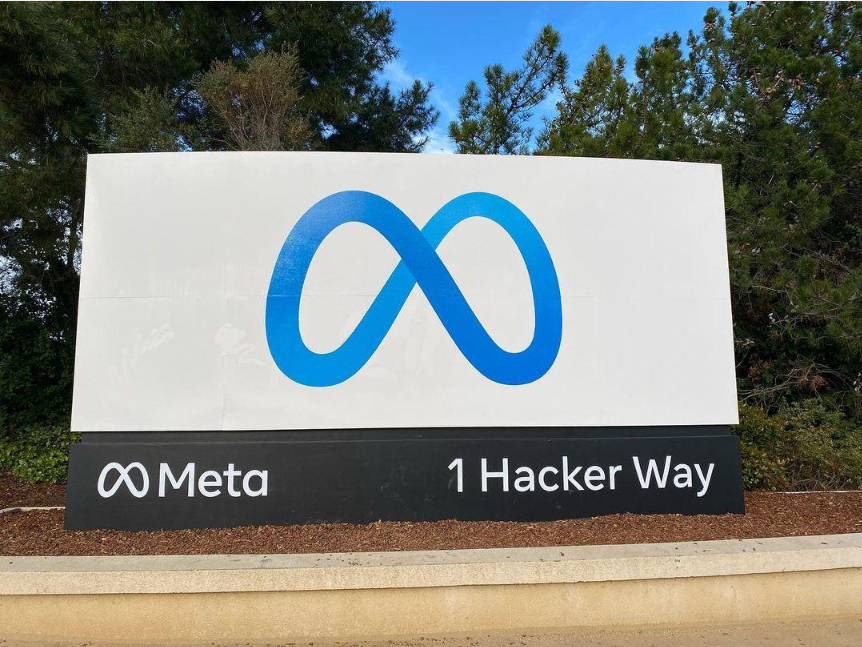
Meta Platforms is facing growing financial scrutiny after S&P Global Ratings revised the technology company’s credit outlook from stable to negative, citing concerns about its rapidly expanding artificial intelligence investments and the pressure they are placing on cash flow.
The decision, announced on Friday, October 30, reflects growing uncertainty over whether Meta can generate sufficient financial returns from its ambitious AI infrastructure programme. The company has committed substantial resources to advanced semiconductor chips, data centres and computing systems as it competes for leadership in the rapidly developing artificial intelligence industry.
S&P maintained Meta’s AA- credit rating, meaning the company has not been downgraded. However, the negative outlook signals an increased risk that its creditworthiness could deteriorate if investment costs continue rising faster than expected financial returns.
The development comes as major technology companies face increasing pressure from investors and credit rating agencies to demonstrate that unprecedented spending on artificial intelligence can produce sustainable revenue and profitability.
Meta’s AI Investment Plans Raise Questions About Financial Sustainability

Meta’s financial commitments have expanded considerably as the company seeks to strengthen its position in artificial intelligence.
In its latest quarterly financial disclosures, the company projected capital expenditure of between $135 billion and $145 billion for 2026. These investments include the infrastructure necessary to develop, train and operate increasingly sophisticated AI systems.
However, the scale of spending has raised questions about its effect on the company’s financial position. Meta reported negative free cash flow of approximately $2.12 billion in the third quarter, a significant departure from the positive cash generation traditionally associated with its advertising-driven business model.
According to Reuters, S&P Global expects Meta to record a free operating cash flow deficit of approximately $39 billion in 2026 and $71 billion in 2027. The ratings agency also warned that elevated investment could keep cash flow negative beyond 2028. SRN News
These projections are particularly significant because Meta has historically relied on strong advertising revenue from Facebook, Instagram and its wider digital ecosystem to finance business expansion.
Artificial intelligence introduces a different financial challenge. Developing large-scale computing infrastructure requires substantial upfront investment, while the revenue generated by new AI products and services may take years to materialize.
Unlike technology companies with established cloud computing businesses, Meta has fewer direct opportunities to sell AI computing capacity to external customers. S&P identified this difference as one reason for its concerns about the company’s ability to recover its investment costs.
The issue is not whether Meta can afford to invest in artificial intelligence today, but whether the scale and timing of future financial returns will justify its expanding commitments.
Credit Concerns Highlight the Growing Financial Risks of the AI Race
The negative outlook also reflects broader changes in how technology companies are financing their artificial intelligence ambitions.
Historically, major technology businesses have used substantial operating cash flow to support expansion. However, the cost of developing advanced AI infrastructure has encouraged companies to explore additional financing through debt, equity and long-term leasing arrangements.
Meta reported approximately $80.92 billion in long-term debt as of September 30. S&P also warned that the company’s leverage could rise above a key threshold associated with its AA- credit rating as early as 2027.
The agency highlighted uncertainty over Meta’s future capital expenditure and the possibility that spending could remain elevated longer than previously anticipated.
Meta has challenged that assessment.

A company spokesperson told Reuters that Meta disagreed with S&P’s evaluation of its ability to monetize AI investments, pointing to significant future business opportunities and the company’s strong credit profile. Reuters
Meta’s position reflects a central argument among technology executives: that artificial intelligence will eventually generate substantial commercial opportunities through advertising improvements, digital assistants, business automation and new consumer services.
Nevertheless, credit rating agencies assess not only potential growth but also the financial risks companies assume while pursuing it.
The concern extends beyond Meta. S&P has also examined the credit implications of rising AI investment across other major technology businesses, including Oracle and Broadcom.
These developments suggest that the artificial intelligence industry is entering a period in which financial discipline may become as important as technological capability.
What Meta’s Credit Outlook Means for the Wider Technology Industry
Meta’s credit warning carries implications beyond the company’s own financial position.
Artificial intelligence has become one of the largest areas of corporate investment, supporting demand for semiconductor manufacturing, data-centre construction, electricity infrastructure and specialized engineering services.
As technology companies increase their spending, suppliers and infrastructure providers benefit from substantial new business opportunities.
However, these investments also create financial dependencies. If major technology companies reduce spending because of weaker cash flow, financing constraints or disappointing commercial returns, the effects could extend throughout the AI supply chain.
Investors are increasingly examining whether companies can convert technological progress into measurable improvements in revenue, productivity and profitability.
The challenge is especially important for businesses investing heavily in infrastructure that may require several years to generate meaningful returns.
For Meta, its established advertising operations remain a significant competitive advantage. The company has access to an enormous global user base and extensive commercial relationships that could support the introduction of new AI-powered products.
Yet its future financial performance will depend partly on whether those opportunities develop quickly enough to offset rising infrastructure costs.
S&P’s decision does not establish that Meta’s artificial intelligence strategy will fail. Instead, it highlights the financial uncertainty surrounding one of the largest technology investment programmes in the world.
THE ABE TAKE
Meta’s negative credit outlook represents an important development in the global artificial intelligence investment cycle.
For years, major technology companies have been rewarded for their willingness to invest aggressively in emerging technologies. Artificial intelligence has accelerated that trend, creating an environment in which companies are committing extraordinary amounts of capital to infrastructure and research.
However, the financial expectations surrounding these investments are changing.
Investors and credit rating agencies increasingly want evidence that spending can generate sustainable returns rather than simply expand technological capacity.
Meta’s situation illustrates the distinction between possessing the financial resources to pursue innovation and demonstrating that those investments will ultimately strengthen long-term profitability.
The company’s established advertising business provides a substantial foundation, but its AI ambitions introduce financial risks that cannot be ignored.
For the wider technology industry, the message is becoming clearer: technological leadership must eventually be supported by financial performance.
The companies that dominate the next era of artificial intelligence may not necessarily be those that spend the most, but those that convert investment into lasting economic value.
ABE MAGAZINE
Understand More. Think Bigger.