








By ABE Magazine | October 30, 2026
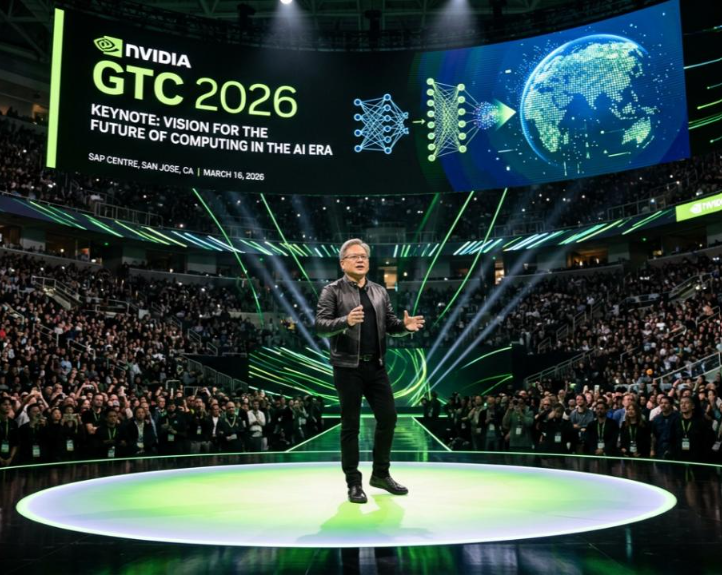
Artificial intelligence is rapidly becoming one of the most influential forces shaping the global economy, transforming how companies invest, governments plan infrastructure and businesses compete. At the centre of this transformation stands Jensen Huang, the co-founder and chief executive of Nvidia, whose company has evolved from a specialist in graphics processing into a major supplier of the computing infrastructure powering modern AI systems. As businesses spend billions developing artificial intelligence, Huang has emerged as one of the technology industry’s most influential voices, arguing that AI represents not merely another software innovation but a fundamental change in how economic value will be created.
Nvidia’s financial performance illustrates the scale of this transformation. The company reported revenue of $215.9 billion for its fiscal year ended January 2026, an increase of 65% from the previous year. Its data-centre business generated $193.7 billion, reflecting extraordinary demand for the processors and networking systems used to train and operate AI models. The figures demonstrate how quickly artificial intelligence has moved from experimental technology into a major commercial industry, creating new opportunities for semiconductor manufacturers, cloud providers, electricity suppliers and infrastructure investors.
Jensen Huang’s Vision: Artificial Intelligence as Economic Infrastructure
Huang’s central argument is that artificial intelligence should be understood as a new form of industrial infrastructure. Speaking at the World Economic Forum in Davos in January 2026, he described the emerging AI economy as a five-layer system involving energy, computing chips, data centres, AI models and the applications businesses ultimately use. In this framework, successful artificial intelligence requires far more than sophisticated software. It depends on extensive physical infrastructure, reliable electricity, advanced manufacturing and substantial investment.
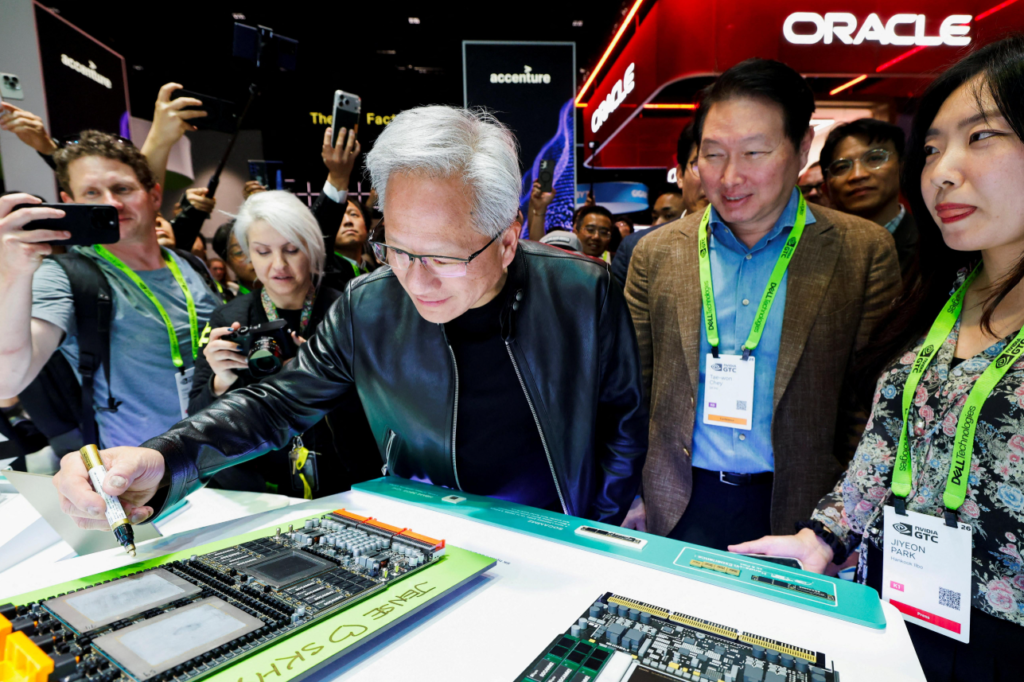
The economic implications are significant. Technology companies building AI services require enormous computing capacity, while governments and corporations increasingly regard access to advanced processing systems as strategically important. In August, Huang outlined Nvidia’s partnerships with major financial institutions, including BlackRock, Blackstone and Goldman Sachs, to support financing arrangements intended to mobilize more than $500 billion in third-party capital for AI infrastructure over time. The initiative reflects a broader effort to make AI computing facilities attractive to long-term institutional investors, although the proposed financing capacity should not be confused with capital already invested or guaranteed financial returns.
For Huang, this infrastructure expansion creates opportunities extending well beyond Silicon Valley. Data-centre construction requires electrical equipment, cooling systems, engineering expertise and skilled workers, while businesses deploying AI need software developers, security specialists and professionals capable of integrating new technology into existing operations. The transformation could therefore influence industries ranging from manufacturing and healthcare to financial services and logistics. However, the scale of investment also raises questions about electricity availability, environmental costs and whether demand for AI services will generate sufficient revenue to justify the capital being committed.
Nvidia’s Business Strategy and the Competition for AI Leadership
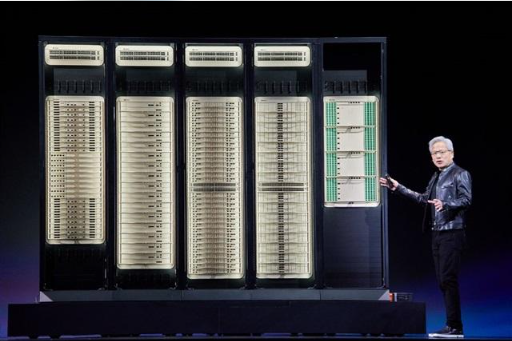
Nvidia’s position reflects a strategy developed over decades. Founded in 1993, the company initially became known for graphics processing units used in gaming and visual computing. Over time, its processors proved increasingly valuable for complex mathematical calculations, making them suitable for scientific research and machine learning. Nvidia subsequently expanded its business through software development tools, high-speed networking technologies and integrated computing systems, creating an ecosystem that is difficult for competitors to reproduce quickly.
This combination of hardware and software has become a major competitive advantage. Nvidia does not simply sell individual chips; it supplies technologies designed to work together across large computing installations. Its customers include major cloud providers, AI developers, enterprises and governments seeking advanced computing capabilities. Strong demand has translated into substantial financial results, but the company’s leadership is not without challenges. Competitors are developing alternative processors, major technology customers are investing in their own chips, and export restrictions can limit access to important international markets.
The broader economic question is whether the industry’s rapid spending can translate into sustainable profitability. Nvidia benefits directly when customers purchase computing infrastructure, but the companies deploying that infrastructure must eventually demonstrate that AI applications generate meaningful commercial returns. Productivity improvements, lower operating costs and new revenue streams could support continued investment. Conversely, disappointing returns or slower adoption could cause businesses to reassess spending plans, creating risks throughout the technology supply chain.
What Huang’s AI Strategy Means for Businesses and the Global Economy
The growing importance of AI infrastructure is changing how business leaders think about competitiveness. Companies once focused primarily on acquiring software may increasingly need to consider computing access, data quality, employee training and the costs of integrating AI into their operations. For large corporations, these investments may offer opportunities to automate repetitive processes, accelerate research and improve decision-making. Smaller businesses could also benefit from more accessible AI tools, although the financial and technical resources needed for advanced deployment may reinforce advantages held by larger competitors.
For developing economies, the expansion presents both opportunities and concerns. Artificial intelligence could help businesses improve agricultural productivity, financial services, healthcare delivery and logistics. Yet countries facing unreliable electricity supplies, expensive internet connectivity or limited technical training may struggle to capture the same benefits as wealthier markets. The geography of AI investment could consequently influence future patterns of economic development, making infrastructure and education increasingly important components of national competitiveness.
Huang’s optimism about artificial intelligence has helped shape the investment narrative surrounding the industry, but it is also important to recognize Nvidia’s commercial interest in continued expansion. As a leading supplier of AI infrastructure, the company stands to benefit when customers accelerate spending on computing systems. Investors, policymakers and business leaders must therefore distinguish between the technological potential of artificial intelligence and the financial returns that individual investments can realistically deliver.
THE ABE TAKE
Jensen Huang’s influence illustrates how technological leadership can reshape global business. Nvidia’s rise demonstrates the importance of long-term investment, strategic positioning and the ability to recognize emerging opportunities before they become mainstream. The company has built a powerful position in artificial intelligence by combining advanced hardware, software and infrastructure into an integrated business model.
Nevertheless, the success of the AI revolution should not be measured solely by Nvidia’s revenue or the amount of money committed to data centres. Its lasting economic value will depend on whether businesses can use artificial intelligence to improve productivity, develop commercially viable services and create opportunities across a broad range of industries. Huang has helped define the infrastructure behind this transformation, but the next chapter will be determined by how effectively the global economy puts that infrastructure to work.
ABE MAGAZINE
Understand More. Think Bigger.