








ABE Magazine | ABE Original | October 31, 2026
Every day, thousands of commercial aircraft carry passengers across continents. Airlines compete over ticket prices, destinations, customer service and operating efficiency. Their brands dominate airport terminals, advertising campaigns and public discussions about the aviation industry.
Yet behind every flight operates another business system that receives far less attention.
Aircraft engines represent some of the most technologically advanced and commercially important components in modern transportation. Their manufacturers invest billions in research, development and testing. Once an engine enters service, it can generate revenue through maintenance, spare parts, repairs and long-term support agreements for many years.
This is where the hidden economics of aviation become particularly interesting.
An airline may earn relatively modest profits despite operating an extensive international network. Meanwhile, an engine manufacturer can build a profitable business around equipment that airlines cannot operate without.
The comparison does not mean an individual engine is necessarily worth more than an airline. Rather, it highlights a difference between two business models: one sells transportation services, while the other supplies and maintains essential industrial technology.
Understanding this distinction reveals why companies such as GE Aerospace, Rolls-Royce and Pratt & Whitney occupy strategically important positions in global aviation.
Why Aircraft Engines Are Among Aviation’s Most Valuable Technologies
A modern commercial jet engine is far more than a machine that produces thrust.
It combines advanced metallurgy, precision manufacturing, sophisticated electronics and complex engineering systems. Its components must withstand extreme temperatures, enormous mechanical forces and repeated operating cycles.
Reliability is essential because an engine failure can create serious safety risks. Manufacturers must therefore satisfy demanding certification standards and demonstrate that their equipment can operate safely under a wide range of conditions.
Developing a new engine family requires substantial investment, specialized engineering talent and years of testing.
These requirements create major barriers to entry.
A new company cannot easily enter the commercial jet engine industry simply by constructing a factory. It needs technical expertise, access to specialized suppliers, regulatory approval and the financial resources to support products throughout their operating lives.
As a result, the market for large commercial aircraft engines is concentrated among a small number of established manufacturers and partnerships.
GE Aerospace, Safran through the CFM International joint venture, Rolls-Royce and Pratt & Whitney are central participants in this industry.
Their position reflects more than manufacturing capability. They also possess the infrastructure needed to support engines across international airline fleets.
That infrastructure includes maintenance facilities, technical documentation, replacement parts, engineering teams and service relationships.
The result is a business in which the original equipment can establish a commercial relationship lasting decades.
The Real Money Often Comes After the Engine Is Sold
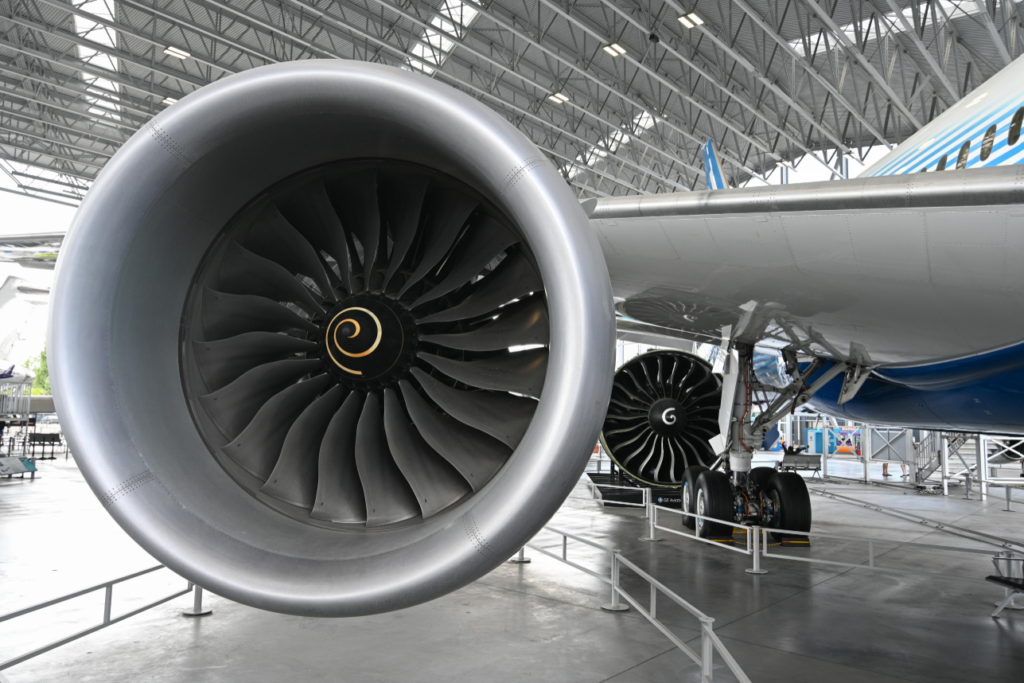
The traditional understanding of manufacturing is straightforward. A company produces equipment, sells it and records the resulting revenue.
Aircraft engine manufacturing is more complicated.
The initial sale creates an installed base of engines that will require ongoing support. Over time, those engines need inspections, replacement components, repairs and major maintenance work.
Engine manufacturers can generate substantial revenue by supplying these services.
In some cases, manufacturers accept relatively low margins on new equipment because they expect to earn attractive returns from aftermarket activity. However, contract structures and profitability differ across engine programs, so the economics cannot be reduced to a universal rule.
The scale of the aftermarket becomes clear in the financial results of major manufacturers.
According to GE Aerospace’s 2025 annual filing, its Commercial Engines & Services division generated approximately $33.3 billion in revenue. Of that amount, about $25.0 billion came from services, while $8.3 billion came from equipment.
Services therefore represented roughly three-quarters of the division’s reported revenue.
The division also generated approximately $8.9 billion in segment profit, with a profit margin of 26.6%.
These figures show how important maintenance, spare parts and other services have become to the company’s commercial aviation business.
Rolls-Royce reported a similar pattern.
Its Civil Aerospace division generated approximately £10.4 billion in underlying revenue during 2025. Services contributed around £7.2 billion, while original equipment accounted for approximately £3.2 billion.
The division’s underlying operating profit reached £2.1 billion, with a margin of 20.5%.
For investors, these numbers demonstrate why the engine business cannot be evaluated solely by counting new engine deliveries.
An engine that remains in service can continue supporting revenue long after the original sale.
The Business Model Behind Long-Term Engine Maintenance Contracts
One of the most important developments in aviation has been the expansion of long-term engine service agreements.
Under these arrangements, airlines and other engine operators may pay manufacturers based on engine usage, flight hours or other contractual measures.
In return, the manufacturer provides specified maintenance and support services.
Rolls-Royce’s TotalCare program is a prominent example of this approach.
Instead of leaving operators to manage every major maintenance expense independently, the program offers contractual support designed around the engine’s operating life.
For airlines, such arrangements can improve cost predictability and reduce uncertainty about future maintenance obligations.
For manufacturers, they can create long-term customer relationships and revenue streams linked to the utilization of their equipment.
However, these contracts also transfer important risks.
If an engine requires more maintenance than expected, the manufacturer may face additional costs. Supply shortages, technical problems and unexpected durability issues can also reduce profitability.
This makes engine reliability a financial concern as well as an engineering priority.
A manufacturer that improves the time an engine can remain operational between major maintenance events can benefit both itself and its airline customers.
The business therefore rewards continuous improvements in technology, maintenance planning and operational performance.
Why Airlines Face a Different Financial Reality
Airlines operate in an industry shaped by intense competition and substantial operating costs.
Their expenses include aircraft leasing or financing, fuel, employees, airport charges, insurance, maintenance and regulatory compliance.
Many of these costs must be paid regardless of whether individual flights generate attractive profits.
An airline also sells a service with limited storage potential.
Once an aircraft departs, an unsold seat generally cannot be sold for that flight again. Revenue management systems help airlines adjust prices, but they cannot eliminate the underlying economic challenge.
Passenger demand can also change rapidly because of economic conditions, geopolitical developments, travel restrictions and consumer confidence.
Fuel prices introduce another source of uncertainty.
Although some airlines use hedging strategies, sudden changes in energy markets can still affect profitability. Labour costs and aircraft availability create additional pressure.
Engine manufacturers face their own risks, including expensive development programs, production difficulties and technical failures.
Nevertheless, their business models differ in a fundamental way.
An airline must repeatedly attract customers to fill seats and operate flights. An engine manufacturer can generate service revenue from an established fleet as long as the engines remain active and covered by commercial support arrangements.
This does not guarantee that engine manufacturers will always be more profitable than airlines.
It does help explain why investors often evaluate aerospace manufacturers using different financial expectations from those applied to airline operators.
Aircraft Engine Leasing: Another Business Most Passengers Never See
Manufacturing and maintenance are not the only ways companies earn money from aircraft engines.
A separate market exists for engine ownership and leasing.
Airlines do not necessarily own every engine installed on their aircraft. Some engines are leased from specialized companies, particularly when operators require spare engines or additional flexibility.
This creates an investment market built around high-value industrial assets.
An engine lessor purchases equipment and earns rental income by making it available to airline operators or other customers.
The lessor must also consider maintenance reserves, remaining engine life, market demand and the technical condition of the asset.
Unlike a conventional property investment, an aircraft engine’s value depends heavily on its operational status and maintenance history.
An engine approaching an expensive shop visit may have different economics from a similar engine with substantial remaining operating life.
Its value can also change as airlines introduce newer aircraft models or retire older fleets.
Companies involved in this market include specialist aviation asset managers and engine leasing businesses.
The market illustrates how aviation creates financial opportunities beyond airlines and aircraft manufacturers.
Investors are not simply financing transportation. They are financing equipment that can generate contractual income over time.
The Supply Chain That Makes Engine Maintenance Expensive
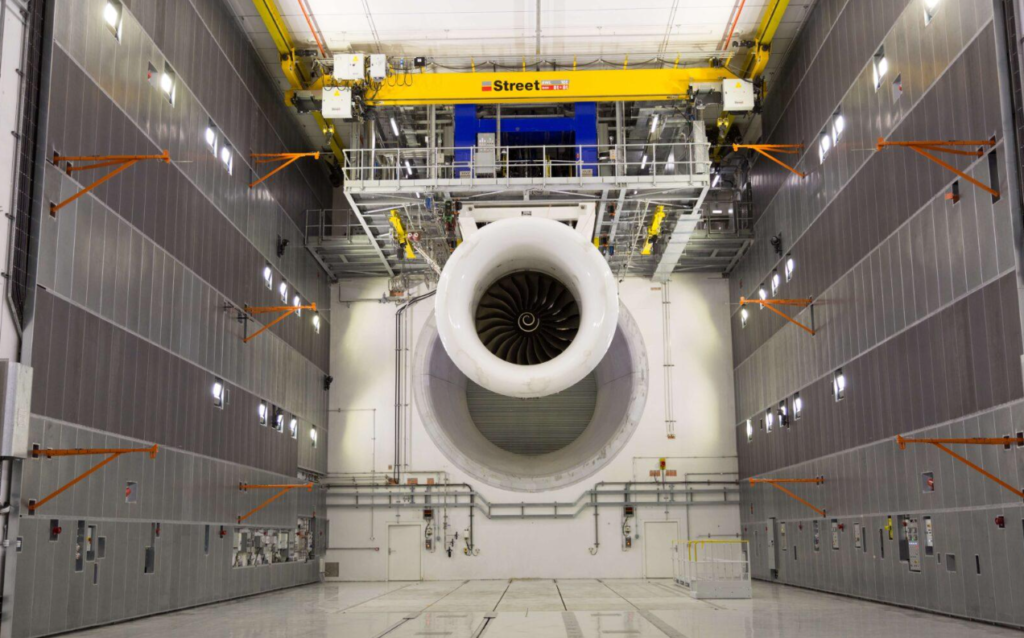
The economics of aircraft engines depend heavily on the supply chain supporting them.
A commercial engine contains thousands of components produced through specialized manufacturing processes.
Certain parts must meet exceptionally demanding technical requirements. They may use advanced alloys, protective coatings or precision manufacturing techniques.
Replacement components also need to comply with aviation safety regulations.
This creates a market in which technical approval, traceability and reliability are essential.
When supply chains become constrained, airlines may experience longer maintenance turnaround times. Engines can remain out of service while operators wait for necessary parts or repair capacity.
For airlines, delays can become expensive.
An aircraft without an available engine may be unable to operate scheduled services. Operators might need to lease spare equipment, change schedules or reduce capacity.
Manufacturers and maintenance providers therefore influence airline operations even when they are not directly involved in selling tickets.
This is one reason engine maintenance capacity has become a strategic concern across the aviation industry.
As global fleets expand and existing engines age, demand for maintenance can increase.
However, the resulting business opportunity depends on the ability of suppliers to expand capacity without sacrificing safety or quality.
How GE Aerospace and Rolls-Royce Reveal the Industry’s Economics
The financial performance of GE Aerospace and Rolls-Royce provides a useful comparison.
Both companies operate important commercial engine businesses, but their portfolios, customer relationships and accounting structures differ.
GE Aerospace’s Commercial Engines & Services division reported approximately $25.0 billion in services revenue in 2025.
Its services business was considerably larger than its reported equipment revenue.
Rolls-Royce’s Civil Aerospace division also derived most of its underlying revenue from services.
These results indicate that the economic value of an engine extends far beyond its manufacturing and delivery.
Yet the figures should not be interpreted as a direct comparison of which company operates the more profitable engine program.
The two companies use different reporting structures and serve different combinations of aircraft and engine markets.
GE Aerospace has significant exposure to narrowbody commercial aviation through its participation in CFM International with Safran. Rolls-Royce has a particularly important position in widebody aircraft engines.
Their financial performance reflects differences in installed fleets, service agreements, product maturity and maintenance activity.
What the results collectively demonstrate is the importance of long-term aftermarket revenue.
The companies are not simply competing to deliver new engines. They are competing to support aircraft throughout years of commercial operation.
The Risks Behind Aviation’s Profitable Aftermarket
The aircraft engine business offers attractive opportunities, but it is not immune to financial difficulties.
Engine development programs can require enormous upfront spending before manufacturers receive meaningful commercial returns.
A technical problem discovered after an engine enters service can create substantial repair obligations and disrupt customer operations.
Manufacturers may need to redesign components, expand maintenance capacity or compensate customers under contractual arrangements.
Long-term service contracts can also become less profitable if maintenance costs exceed earlier assumptions.
These risks are particularly important because an engine’s commercial life may extend over decades.
Decisions made during the design and development stage can therefore influence financial results many years later.
Regulatory requirements create additional responsibilities.
Manufacturers must cooperate with aviation authorities, monitor product performance and address safety concerns throughout an engine’s operating life.
For investors, the challenge is to distinguish recurring revenue from guaranteed profit.
A large installed engine base can support future business, but it can also create extensive long-term service obligations.
The strongest manufacturers must balance technological innovation with careful financial and operational management.
What the Hidden Economics of Aviation Mean for Investors
The aviation industry is often viewed through passenger demand, airline ticket prices and aircraft orders.
These indicators remain important, but they do not capture the entire industry’s economic structure.
Engine manufacturers, maintenance providers, component suppliers and leasing companies participate in different parts of the aviation value chain.
Their financial performance may depend on the number of engines in service, flight activity, maintenance demand and the profitability of long-term contracts.
For example, increasing flight hours can create additional service demand even without a comparable increase in new aircraft deliveries.
An aging fleet may also require more maintenance, although the profitability of that work depends on costs and contract terms.
This creates a different investment profile from that of an airline.
Airline investors must consider passenger yields, route economics, operating costs and fleet utilization. Aerospace suppliers may place greater emphasis on installed equipment, service agreements, technical reliability and aftermarket demand.
Neither business model is automatically superior.
However, understanding their differences helps explain why companies operating within the same industry can produce very different financial outcomes.
THE ABE TAKE
The hidden economics of aviation reveal an important principle of modern business: the most visible company in an industry is not necessarily the one controlling its most valuable commercial relationships.
Airlines connect cities, transport passengers and shape the public experience of flying. Their role is essential, but they operate in a highly competitive environment with substantial costs.
Aircraft engine manufacturers occupy a different position.
They develop complex technology, establish long-term relationships with operators and earn revenue from equipment that requires continuing technical support.
The business model can create recurring income and significant barriers to competition. Yet it also carries serious engineering, regulatory and financial risks.
The evidence from GE Aerospace and Rolls-Royce demonstrates how important aftermarket services have become.
For entrepreneurs and corporate leaders, the broader lesson extends beyond aviation.
A company does not always need to control the final customer experience to build a powerful business. Sometimes, supplying and maintaining the infrastructure that other companies depend on can create equally important commercial opportunities.
In aviation, airlines sell the journey. Engine manufacturers help make that journey possible—and may continue earning revenue long after the aircraft first takes flight.
ABE MAGAZINE
Understand More. Think Bigger.