









ABE MAGAZINE | NEWS O’CLOCK
Europe’s Banking Power Shift: UniCredit Wins Approval for €45 Billion Commerzbank Takeover
November 16, 2026
By ABE Editorial Desk
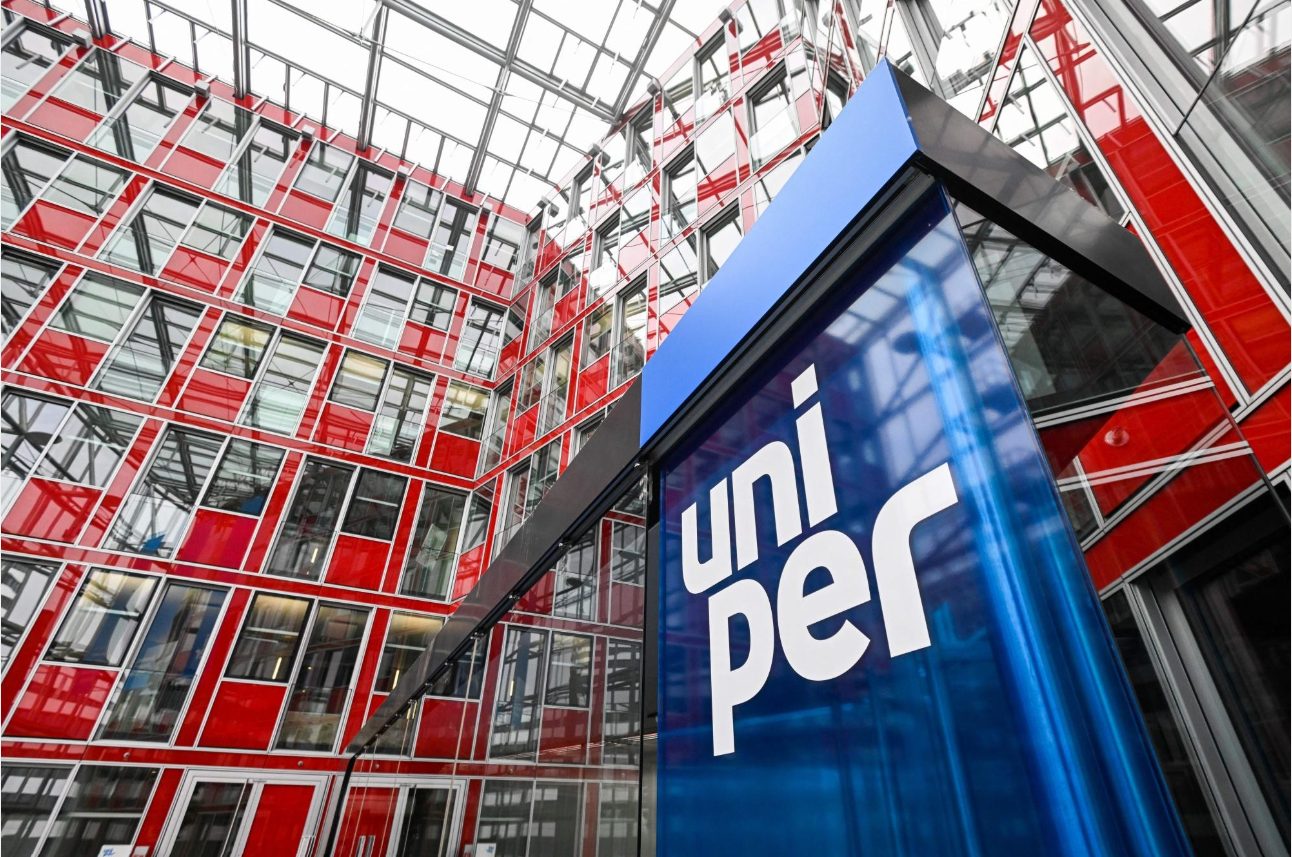
Europe’s ambition to create stronger financial institutions has reached a defining moment. UniCredit’s proposed acquisition of Germany’s Commerzbank has secured major regulatory approvals, bringing one of the continent’s most consequential banking transactions closer to completion. But behind the €45 billion deal lies a much larger debate about competition, economic sovereignty and the future of European finance.
For decades, Europe’s banking industry has operated within a paradox. The European Union has developed one of the world’s largest integrated economic markets, yet many of its leading banks remain primarily organised around national boundaries. While American financial institutions have expanded into global banking giants, Europe’s fragmented financial landscape has often constrained the scale and international reach of its lenders.
That structure could be approaching a significant turning point. On November 16, Italian banking group UniCredit received unconditional approval from the European Commission for its proposed acquisition of Germany’s Commerzbank. The decision followed regulatory clearance from the United States Federal Reserve and earlier approval from the European Central Bank.
The proposed €45 billion takeover is more than a major corporate acquisition. It represents a test of whether Europe’s political ambition for a more integrated financial system can overcome longstanding concerns about national ownership, employment and control over business lending.
A Landmark Decision for European Banking
The European Commission’s approval removes one of the most important regulatory obstacles facing UniCredit’s acquisition of Commerzbank. European competition authorities concluded that the transaction would not create significant competition concerns within the European Economic Area.
The decision is particularly important because UniCredit already operates extensively in Germany through HypoVereinsbank. Combining that business with Commerzbank would create a larger institution with substantial operations in Europe’s biggest economy.
The Commission examined the potential effects on banking services, including corporate lending and trade finance. Although the combined institution would hold a stronger position in certain areas, regulators determined that alternative providers would remain available to businesses and consumers.
European Competition Commissioner Teresa Ribera presented the approval as an example of how cross-border banking consolidation can strengthen financial institutions without necessarily undermining competition.
Nevertheless, regulatory approval does not mean the transaction has been completed. UniCredit has indicated that one final regulatory clearance remains outstanding, with the bank expecting a decision before the end of November.
The distinction matters. The acquisition has cleared major hurdles, but its eventual structure, integration and economic consequences will depend on the remaining steps.
Why UniCredit Wants Commerzbank
UniCredit’s pursuit of Commerzbank reflects a strategy centred on scale, efficiency and the consolidation of European banking operations.
Under chief executive Andrea Orcel, the Italian group has sought to strengthen its position in major European markets. Germany represents an especially important opportunity because of its large industrial economy, extensive corporate customer base and substantial demand for financial services.
Commerzbank brings an established presence in German business banking, including relationships with the country’s small and medium-sized enterprises. These companies form an essential part of Germany’s industrial and export economy.
For UniCredit, acquiring Commerzbank would provide opportunities to combine overlapping operations, improve efficiency and offer a broader range of services to corporate and retail customers.
A larger banking group could potentially reduce duplicated administrative functions, integrate technology platforms and distribute operating costs across a wider customer base.
However, these potential advantages are not guaranteed. Bank mergers can involve substantial integration expenses, organisational disruption and difficulties combining technology systems.
The central commercial question is whether UniCredit can translate greater size into sustainably higher profitability without weakening customer relationships or service quality.
Germany’s Economic Sovereignty Question

The proposed takeover has attracted political attention because Commerzbank is not simply another listed company. It is an important lender to German businesses and has long occupied a prominent position within the country’s financial system.
German policymakers have expressed concern about the possibility that strategic decisions affecting domestic lending could increasingly be made within a banking group headquartered outside Germany.
Those concerns are particularly relevant to the Mittelstand, Germany’s network of medium-sized and often family-owned businesses. Many depend on long-term relationships with banks that understand their industries, regional markets and financing requirements.
A change in ownership does not automatically mean those relationships will disappear. Nevertheless, consolidation can alter how lending decisions are made, how capital is allocated and which business activities receive priority.
The German government’s earlier opposition illustrates the tension between national economic interests and the European Union’s ambition to encourage cross-border integration.
The European Commission’s competition assessment addresses whether the acquisition would materially restrict competition. It does not eliminate every political or economic concern surrounding the transaction.
This distinction is central to understanding the broader debate: a merger can satisfy competition rules while still raising questions about employment, governance and national influence.
Europe’s Search for Banking Champions
Europe has repeatedly discussed the need for financial institutions capable of competing more effectively with major American banks.
Although European banks serve a large economic market, the industry remains divided by national regulations, consumer expectations, business practices and institutional structures.
These differences can limit the benefits of operating across borders. Banks may face additional compliance costs, operational complexity and difficulties integrating financial services across multiple jurisdictions.
Larger institutions could potentially invest more heavily in technology, improve operational efficiency and compete more effectively in international corporate banking and capital markets.
The UniCredit–Commerzbank transaction therefore carries significance beyond the two institutions directly involved. It could demonstrate whether major cross-border acquisitions are becoming more practical within the European financial system.
However, size alone does not guarantee competitiveness. Financial institutions must also manage capital effectively, maintain prudent lending standards and adapt to changing customer needs.
Europe’s challenge is not merely creating larger banks. It is establishing a financial system in which scale supports productivity, investment and economic resilience.
What the Takeover Could Mean for Businesses and Consumers
For corporate customers, a larger combined bank could offer certain advantages. Businesses operating internationally may benefit from broader geographic coverage, more integrated financial services and access to additional banking products.
A stronger institution could also possess greater capacity to finance large investments, international expansion and complex commercial transactions.
Yet consolidation introduces potential disadvantages. When banks combine, overlapping branches, departments and services may be reorganised. Customers could encounter changes to account management, pricing structures or established banking relationships.
Smaller businesses may be especially sensitive to these developments because their financing needs often depend on personal relationships and detailed knowledge of local markets.
For consumers, the effects will depend on how the combined institution approaches competition, digital services, fees and branch operations.
The European Commission concluded that sufficient competitors would remain in the market. Nevertheless, the practical effects of a merger can only be evaluated fully as integration proceeds.
The important issue is whether efficiency gains eventually produce better services and stronger lending capacity, rather than benefiting shareholders alone.
The Financial Risks Behind a Major Acquisition
Large banking acquisitions are inherently complex because they involve institutions responsible for managing deposits, extending credit and supporting essential financial transactions.
Integration requires careful coordination of risk-management systems, technology infrastructure, regulatory compliance and organisational structures.
A merger can create substantial costs before anticipated savings are realised. Differences in corporate culture and management practices can also complicate the process.
UniCredit’s financial strategy will therefore be closely examined by investors, regulators and customers.
The bank has outlined plans to integrate Commerzbank with its existing German operations, subject to shareholder support and the completion of necessary procedures.
Its management expects the combination to generate financial benefits, but those expectations depend on successful execution.
For shareholders, the attraction lies in the possibility of stronger profitability and improved efficiency. For regulators, the priority remains maintaining financial stability and protecting the broader banking system.
The challenge is ensuring that the pursuit of higher returns does not undermine the resilience of an institution operating across several major European markets.
What Happens Next?
The November 16 approvals bring UniCredit significantly closer to completing its proposed acquisition, but important steps remain.
The bank expects the final outstanding regulatory approval before the end of November. Completion would then allow it to advance plans for changes to Commerzbank’s governance and the integration of its German banking operations.
The coming months will reveal whether the transaction develops into a model for European banking consolidation or becomes a reminder of the difficulties associated with large cross-border mergers.
Other European financial institutions will be watching closely. A successful combination could strengthen the case for further acquisitions across national borders.
Conversely, costly integration, political disputes or unexpected operational problems could reinforce the caution that has historically characterised European banking consolidation.
The significance of the transaction therefore extends beyond its immediate financial valuation.
It is a test of Europe’s ability to translate the ambition for a more integrated financial market into practical corporate structures.
THE ABE TAKE
UniCredit’s pursuit of Commerzbank represents a fundamental choice about the future of European finance.
For years, policymakers have argued that Europe needs stronger financial institutions capable of competing internationally and supporting economic growth. Yet the creation of those institutions often requires national governments and established businesses to accept changes in ownership and control.
The Commerzbank transaction exposes that contradiction.
From a financial perspective, consolidation offers opportunities to improve efficiency, strengthen market positions and expand services. From a national perspective, it raises legitimate questions about employment, lending relationships and the strategic importance of domestic banks.
Neither perspective can be dismissed.
The European Commission’s approval demonstrates that regulators believe larger banking institutions can coexist with meaningful competition. But regulatory clearance is only the beginning of the real economic test.
The ultimate success of the acquisition will depend on whether UniCredit can preserve the strengths of Commerzbank while delivering the efficiencies and capabilities promised by a larger organisation.
If the combination succeeds, it could encourage a new era of European banking consolidation. If it fails to deliver meaningful benefits, it may strengthen arguments for retaining nationally focused institutions.
Europe does not simply need bigger banks. It needs banks that are more competitive, more resilient and better equipped to finance the businesses and households on which its economy depends.
The UniCredit–Commerzbank transaction will help determine whether greater European financial integration can deliver those outcomes.
ABE MAGAZINE
Understand More. Think Bigger.