








By ABE Magazine
Artificial intelligence is becoming one of the largest investment stories of the modern economy. Technology companies are committing hundreds of billions of dollars to data centres, advanced semiconductors, electricity infrastructure and cloud computing systems in anticipation of a future in which AI becomes essential to businesses and consumers.
The investment is creating opportunities for semiconductor manufacturers, energy companies, construction businesses and financial institutions. It is also reshaping corporate borrowing as technology firms increasingly turn to debt markets to finance expansion.
Yet the financial foundations of this transformation deserve closer examination.
Building AI infrastructure requires enormous amounts of capital today, while the revenue and profits expected to justify those investments may take years to materialize. That difference between immediate spending and uncertain future returns creates risks extending well beyond the technology industry.
The central question is no longer whether artificial intelligence will become important. It is whether the economic value it creates will be sufficient to support the extraordinary amount of money being invested.
The Race to Build Before Demand Is Fully Understood
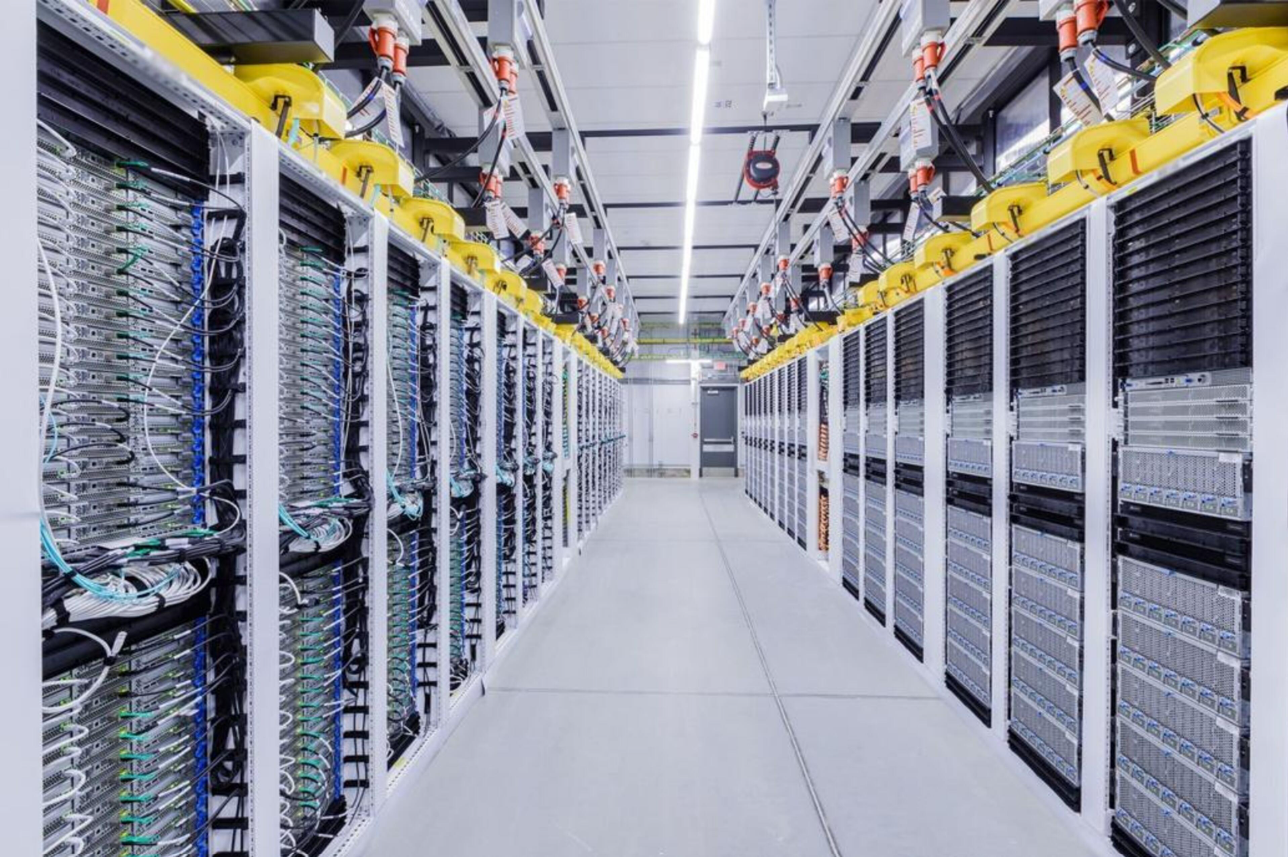
The world’s largest technology companies are competing to secure the infrastructure necessary to develop and operate increasingly sophisticated AI systems.
Amazon, Microsoft, Alphabet and Meta are expanding data-centre capacity, acquiring specialized computing equipment and investing in the electricity systems required to operate these facilities.
The International Energy Agency estimates that the world’s largest data-centre operators will spend more than $700 billion on capital expenditure in 2026, with much of that investment directed toward new facilities.
This expansion reflects genuine commercial demand. Businesses are adopting AI tools for software development, customer service, data analysis and administrative tasks, while cloud providers are seeking to supply the computing power required by these applications.
However, predicting long-term demand remains difficult.
Companies must make investment decisions years before they can fully determine how customers will use AI, how much they will pay for it or how efficiently future technology will operate.
If demand exceeds expectations, early infrastructure investment could become an enormous competitive advantage. If demand falls short, businesses may be left with expensive assets that generate insufficient returns.
When Technology Growth Becomes a Debt-Market Story

For years, the largest technology companies were associated with strong cash generation and substantial financial reserves.
Artificial intelligence is changing the scale of their investment requirements.
Morgan Stanley forecast in June that global AI-related debt issuance could approach $570 billion in 2026, more than double the previous year’s level.
By November 4, total U.S. investment-grade corporate bond issuance had reached $1.88 trillion, exceeding the previous annual record. Major technology companies accounted for a substantial share of the borrowing.
Borrowing is not inherently a sign of financial weakness. For profitable companies, issuing debt can be an efficient way to fund projects while preserving cash for other purposes.
The problem emerges when future returns are uncertain but financing obligations are fixed.
A company can postpone an expansion project, but it cannot simply ignore the interest and principal payments attached to outstanding debt.
If AI services become highly profitable, the investment may justify the borrowing. If revenue growth disappoints, the same financing arrangements could reduce profitability and limit future flexibility.
That makes the AI boom increasingly relevant to banks, bond investors, pension funds and other institutions that provide capital to technology companies.
The Risk of Building Too Much, Too Quickly
History offers several examples of industries that attracted large amounts of investment before demand developed sufficiently to support every participant.
Telecommunications companies spent heavily on network infrastructure during the late 1990s. Although internet connectivity ultimately transformed the global economy, not every company financing that expansion survived.
Artificial intelligence is not identical to the telecommunications boom. Today’s largest technology investors generally possess stronger existing businesses, significant cash flow and established customer relationships.
Nevertheless, the comparison illustrates an important principle: a technology can succeed while some of the investments made in anticipation of its success fail financially.
AI infrastructure also presents a distinctive challenge.
Semiconductors can become obsolete relatively quickly as new generations deliver greater computing performance. Data centres may remain useful for decades, but the servers and specialized equipment inside them often require replacement much sooner.
That creates continuing capital expenditure requirements even after the original infrastructure has been built.
Investors must therefore examine not only whether AI businesses generate revenue, but also how much of that revenue remains after operating costs, equipment replacement and financing expenses.
Electricity Is Becoming a Financial Constraint
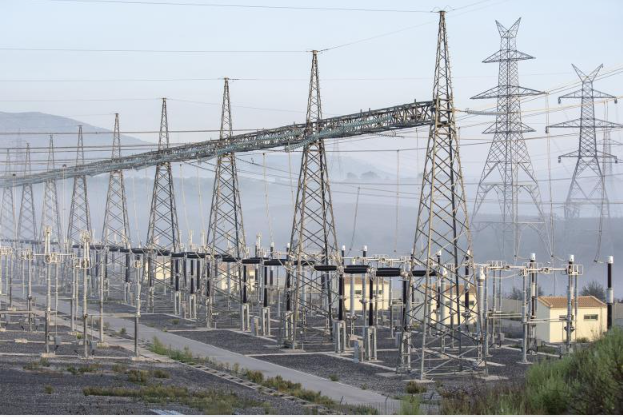
The cost of artificial intelligence extends beyond computing hardware.
Data centres require large and reliable supplies of electricity, along with cooling systems, network infrastructure and access to suitable land.
The International Energy Agency projects that global data-centre electricity consumption could rise from approximately 485 terawatt-hours in 2025 to 950 terawatt-hours by 2030.
Meeting that demand will require investment in power generation, transmission networks and other energy infrastructure.
For technology companies, limited electricity availability could delay projects and increase operating costs.
For utilities, rapidly growing data-centre demand may create opportunities for investment and long-term supply contracts.
However, there is also a wider economic question.
If electricity networks are expanded to accommodate projected data-centre demand that does not fully materialize, some costs could ultimately be borne by other electricity customers, depending on how regulators structure tariffs and contracts.
The financial consequences of AI infrastructure expansion may therefore extend to households and businesses that do not directly use advanced AI systems.
Who Carries the Financial Risk?
The AI investment boom involves several groups with different financial exposures.
Technology companies carry the direct risk of spending heavily on infrastructure that may not generate expected returns.
Banks and bond investors face credit risk if borrowers experience financial difficulties.
Equipment suppliers and construction companies could suffer if major customers reduce or postpone expansion plans.
Utilities may face challenges if projected electricity demand fails to materialize after significant infrastructure investments.
Governments and local communities must consider whether incentives, electricity capacity and public infrastructure commitments deliver sufficient economic benefits.
These risks are interconnected, but they are not equally distributed.
Large technology companies with profitable existing businesses may be able to absorb disappointing returns more easily than smaller infrastructure developers that depend heavily on borrowing or a limited number of customers.
That distinction will become increasingly important as investors evaluate which businesses are positioned to benefit sustainably from artificial intelligence.
What Would a Sustainable AI Economy Look Like?
A sustainable AI industry would require more than continued investment and impressive technological demonstrations.
Companies would need to demonstrate that customers are willing to pay enough for AI products and services to cover the full cost of delivering them.
This includes computing infrastructure, electricity, staffing, maintenance, financing and the eventual replacement of aging equipment.
For businesses adopting AI, the technology must generate measurable improvements in productivity, revenue or operating efficiency.
For infrastructure providers, long-term customer contracts, reliable utilization and disciplined financing would become important indicators of financial stability.
Investors should also distinguish between companies that develop AI technology, those that provide infrastructure and those that use AI to improve existing businesses.
Each operates under a different economic model and faces different financial risks.
The strongest long-term opportunities may not necessarily belong to the companies spending the most money today, but to those capable of converting technological capability into durable financial returns.
THE ABE TAKE
The most important question surrounding artificial intelligence is not whether the technology is revolutionary. It is whether the financial system supporting its expansion is allocating capital efficiently.
AI has the potential to transform industries, increase productivity and create entirely new markets. Those possibilities explain why companies and investors are willing to commit enormous resources.
But technological potential and investment profitability are not the same thing.
A company can build extraordinary technology and still struggle to generate an adequate return on the capital required to develop it.
The danger is not simply that artificial intelligence could fail. A more realistic concern is that AI could succeed while some businesses, lenders and investors discover that they paid too much for the infrastructure needed to support it.
This distinction matters because the costs of an investment boom can spread beyond the companies making the original decisions.
As AI becomes increasingly connected to corporate debt, energy infrastructure and institutional investment portfolios, financial discipline will become as important as technological innovation.
The companies that emerge strongest may be those that balance ambition with realistic expectations about demand, operating costs and long-term returns.
The future of artificial intelligence will be determined not only by what machines can do, but by whether the economics behind them can endure.
ABE MAGAZINE
Understand More. Think Bigger.