





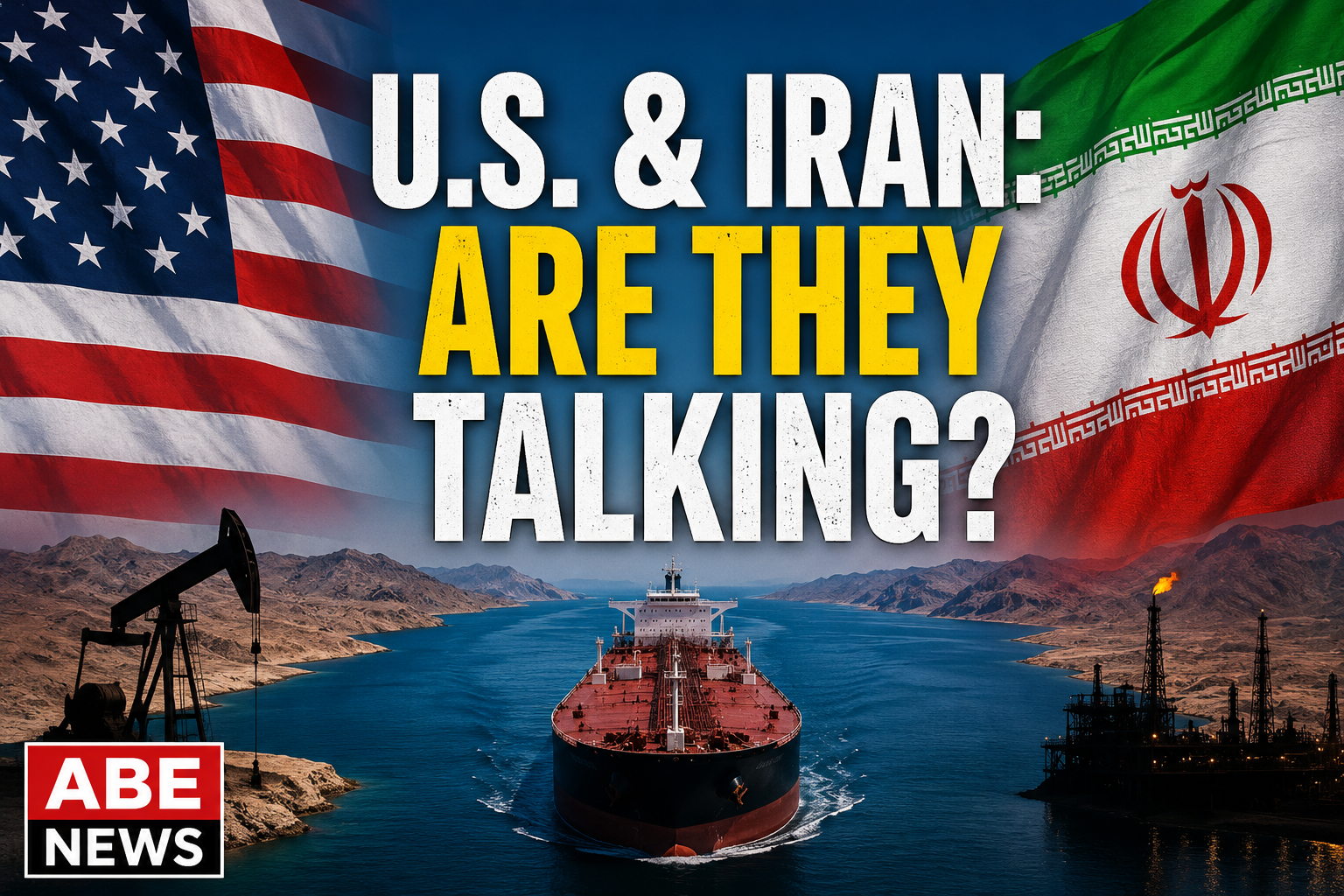
The United States and Iran are sending very different messages about whether negotiations are happening as tensions between the two countries remain high.
U.S. President Donald Trump said Monday that discussions with Iran were taking place.
Iran, however, publicly denied that it is currently negotiating with the United States.
So what’s actually happening?
And why does a disagreement over whether talks even exist matter to the rest of the world?
What Happened?
Trump has paused further U.S. military action while pushing for an agreement with Iran.
He says communication is taking place and has continued publicly pressuring Tehran to reach a deal.
Iranian officials tell a different story.
Iran’s Foreign Ministry said there are currently no negotiations with the United States. Iran has, however, been talking with Oman about temporary safe passage through the Strait of Hormuz.
That leaves the situation unusually uncertain.
One side says discussions are happening.
The other says they aren’t.
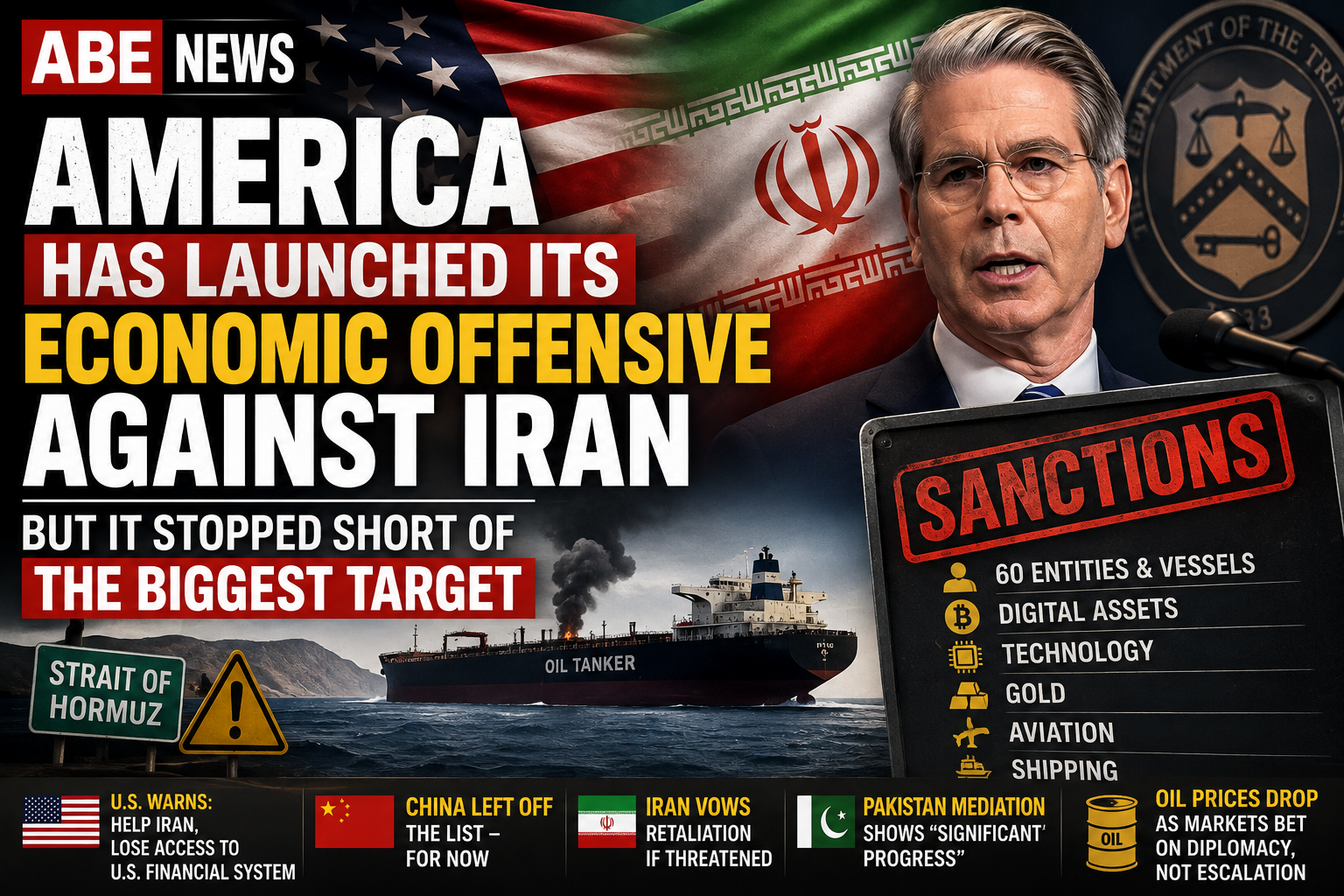
🌊 Why Does the Strait of Hormuz Matter?
You may never have heard of the Strait of Hormuz, but it is one of the world’s most important shipping routes.
It is a relatively narrow waterway connecting the Persian Gulf with the Gulf of Oman and the Arabian Sea.
Large amounts of the world’s oil and natural gas exports travel through the area.
That means disruption there can become much more than a Middle Eastern problem.
It can become an energy and economic problem for countries thousands of kilometres away.
The continuing uncertainty around the conflict and shipping routes has already contributed to large movements in global oil markets.
⛽ Why Could This Affect Ordinary People?
Imagine an important highway used to transport a product around the world suddenly becoming dangerous or unreliable.
Companies transporting that product may face higher costs, longer routes and greater risk.
Something similar can happen with oil shipping.
If traders believe supplies could be disrupted, oil prices can rise.
And oil prices matter because energy is connected to:
Gasoline — crude oil is a major input in fuel.
Air travel — airlines consume enormous quantities of fuel.
Shipping — goods have to move between factories, ports, warehouses and stores.
Business costs — companies can face higher transportation and energy expenses.
That’s why political events in one relatively small part of the world can eventually affect household budgets elsewhere.
📉 Markets Are Already Reacting
On Monday, oil prices fell sharply as investors became more hopeful that immediate escalation could be avoided.
Reuters reported Brent crude falling about 7% to $83.77 a barrel, while U.S. West Texas Intermediate fell to $80.34.
Stock markets moved in the opposite direction, with major U.S. indexes gaining as investors reacted to the reduced immediate risk.
But there is an important warning:
Hope for negotiations is not the same thing as an agreement.
The conflicting statements from Washington and Tehran show that the situation remains uncertain.
🌍 Why Should the Rest of the World Care?
The U.S.-Iran conflict doesn’t exist in isolation.
Countries depend on international shipping routes, energy supplies and global trade.
Businesses also make decisions based partly on stability.
If companies believe a major shipping route could become dangerous, they may change routes, delay investments or pay more for transportation and insurance.
Those costs can eventually move through the economy.
That is why governments and investors around the world are paying attention to what happens next.
🔮 What Happens Next?
There are two very different possibilities.
If genuine negotiations develop and the two sides move toward an agreement, pressure on global energy markets could continue to ease.
If negotiations fail—or if military action intensifies—the situation could quickly move in the opposite direction.
For now, the most important thing is distinguishing between political statements and confirmed diplomatic progress.
There is not yet enough evidence to say the crisis has been resolved.
🔥 ABE NEWS TAKEAWAY
The biggest story isn’t simply that the United States and Iran might be talking.
It’s that the two governments don’t even publicly agree on whether those talks are happening.
That uncertainty matters because the conflict involves one of the world’s most important energy-shipping regions.
What happens next could affect much more than politics.
It could affect oil, transportation, businesses and eventually consumers around the world.
ABE NEWS
Business. Money. Style. The News.
Explained in 3 Minutes.