








ABE MAGAZINE | WORLD • BUSINESS & GLOBAL TRADE
October 11, 2026
From disrupted trade routes and rising operating costs to geopolitical tensions and changing supply chains, the shipping industry faces a difficult question: can the system that carries the world’s commerce remain dependable in an increasingly divided global economy?
The Industry That Keeps the World Moving
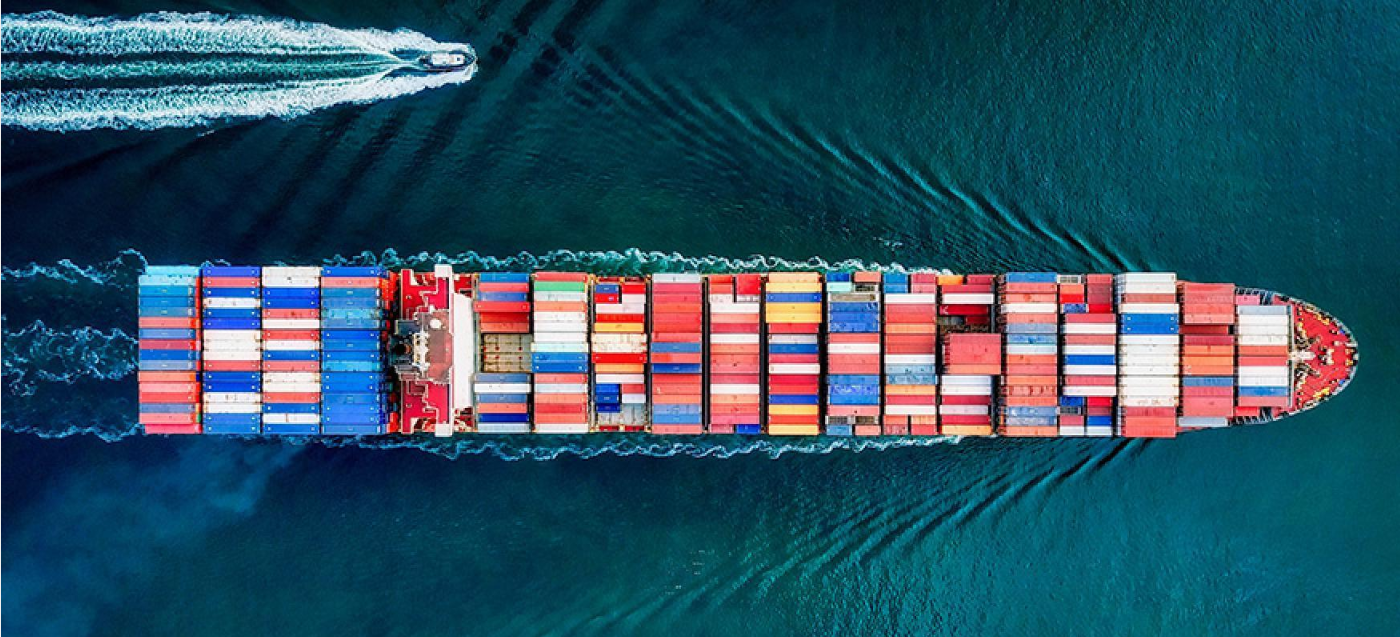
Every day, thousands of commercial vessels transport the goods that sustain modern life. Container ships carry electronics, clothing and manufactured products. Tankers move oil and gas. Bulk carriers transport grain, coal and iron ore.
Most consumers rarely think about the enormous network behind these movements. Yet international shipping remains one of the foundations of the global economy.
According to the United Nations Conference on Trade and Development (UNCTAD), maritime transport carries more than 80% of global merchandise trade by volume.
The industry’s importance becomes especially visible when something goes wrong. A disruption at a major port, a conflict near a critical shipping passage or a shortage of vessels can affect businesses thousands of kilometres away.
For decades, global shipping operated on a powerful assumption: international trade would continue expanding, major routes would remain accessible and companies could move goods efficiently across borders.
That assumption is becoming harder to maintain.
A New Geography of Global Trade
Shipping routes are more than lines on a map. They determine how quickly goods reach customers, how much companies spend on transportation and which ports benefit from international commerce.
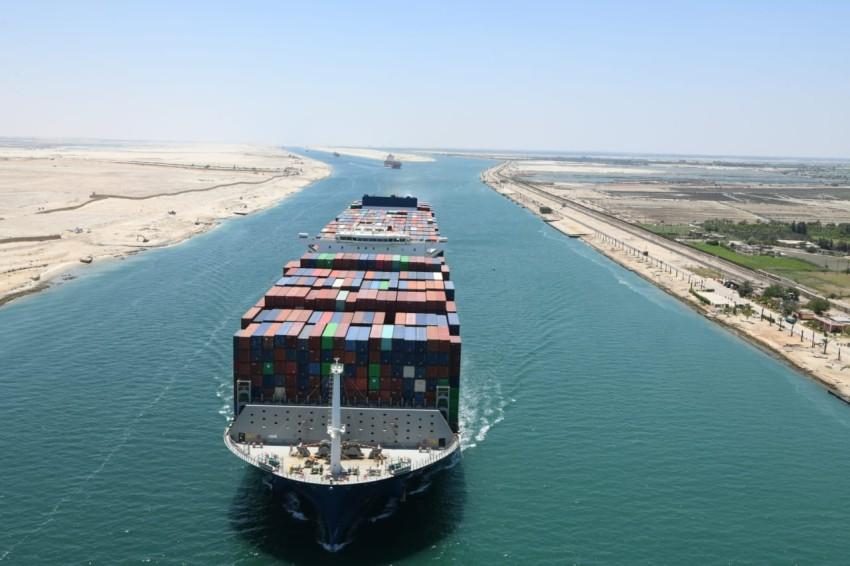
For years, the Suez Canal offered a relatively direct passage between Asia and Europe. The Panama Canal provided another essential shortcut, connecting the Atlantic and Pacific Oceans. These routes reduced journey times and helped companies build predictable supply chains.
But their strategic importance also makes them vulnerable.
Attacks on commercial shipping in the Red Sea have forced vessels to avoid the Suez Canal and travel around Africa’s Cape of Good Hope. That alternative route adds distance, fuel consumption and operating expenses.
In its Review of Maritime Transport 2025, UNCTAD reported that tonnage passing through the Suez Canal in May 2025 remained approximately 70% below 2023 levels. Longer voyages helped push global shipping distances, measured in ton-miles, up by 5.9% in 2024.
For shipping companies, this creates an operational challenge. A vessel spending additional days at sea cannot simultaneously serve another route. More ships may therefore be required to transport the same volume of cargo.
For importers and exporters, the consequences include higher costs, longer delivery times and less certainty about when goods will arrive.
The modern supply chain was designed to prioritize efficiency. Increasingly, businesses must also prioritize resilience.
The Strait of Hormuz: Where Energy and Shipping Collide
While container shipping disruptions attract attention, the movement of energy commodities presents an equally serious challenge.
The Strait of Hormuz, situated between Iran and Oman, connects the Persian Gulf with the Gulf of Oman and the wider Indian Ocean. It is one of the world’s most important passages for oil and liquefied natural gas.
Since the escalation of regional conflict in February 2026, commercial shipping through the strait has faced attacks, security threats and significant operational disruption.
The International Monetary Fund’s PortWatch disruption monitor has tracked maritime traffic disruptions and risks affecting important shipping routes.
The consequences extend beyond the shipping industry.
When energy tankers face higher insurance costs, security risks and limited access to important passages, transporting oil becomes more expensive. Those costs can influence energy prices, industrial production and ultimately household expenses.
Recent developments demonstrate how complicated the situation has become.
According to Reuters reporting published October 5, Middle Eastern crude exports recovered significantly during September, even as attacks on tankers increased.
A recovery in export volumes, however, does not necessarily mean a return to normal shipping conditions. Vessels may continue to face higher operating expenses, insurance premiums and security risks.
This distinction matters: global commerce can continue moving even when the system transporting it becomes more costly and dangerous.
Why Shipping Costs Matter to Ordinary Consumers
Freight rates may appear to concern only shipping companies and large manufacturers. In reality, they influence the cost of everyday products.
Consider a retailer importing household appliances from Asia. The final price of those appliances reflects manufacturing expenses, transportation, customs duties, storage, distribution and the retailer’s operating costs.
When ocean freight becomes more expensive, the importer must decide whether to absorb the additional expense or pass some of it to customers.
Not every increase in shipping costs produces an immediate increase in retail prices. Businesses may have long-term transportation contracts, existing inventory or sufficient profit margins to absorb temporary changes.
Nevertheless, persistent increases can gradually affect consumer prices, especially in countries heavily dependent on imported goods.
Developing economies face particular difficulties.
UNCTAD has warned that small island developing states and least developed countries are especially exposed to high transportation costs. Their markets may have fewer shipping connections, smaller cargo volumes and limited alternatives when established routes become disrupted.
For these countries, expensive maritime transportation is not simply a business inconvenience. It can become a barrier to economic development and access to essential products.
Shipping Companies Are Finding Opportunity in the Disruption
Not every company suffers equally when freight rates rise.
Large shipping operators can sometimes benefit from higher prices, particularly when strong demand meets constrained vessel availability.
In early October, Reuters reported that major European shipping and logistics companies were expected to benefit from elevated freight rates and resilient demand.
Companies including Maersk and Hapag-Lloyd had raised their full-year outlooks amid the difficult trading environment.
This reveals an important contradiction within the industry.
What creates uncertainty for manufacturers and retailers may create higher revenue opportunities for vessel operators.
But higher freight rates do not guarantee higher profits. Shipping companies also face increased fuel expenses, vessel charter costs, insurance premiums, labour costs and the financial consequences of disrupted schedules.
The industry’s performance depends on the balance between those pressures and the prices customers are willing to pay.
There is also a longer-term risk.
If shipping companies invest heavily in new vessels during a period of unusually high freight rates, the market could eventually face excess capacity when trade routes normalize or demand weakens.
Shipping has historically been a cyclical industry. Today’s exceptional earnings can become tomorrow’s financial challenge.
The Growing Importance of Ports and Logistics Infrastructure
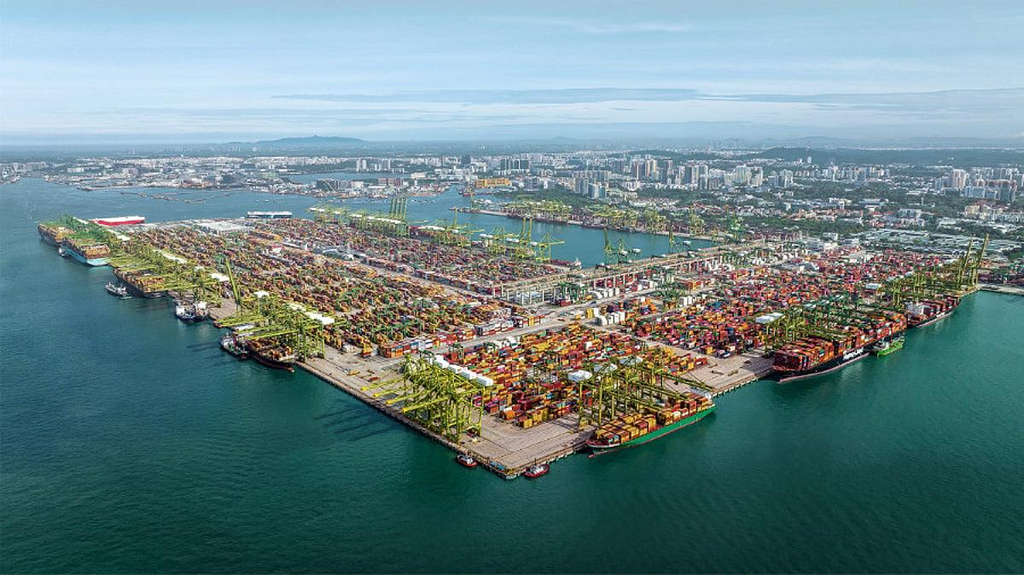
International trade depends on much more than ships.
Ports, container terminals, warehouses, trucking companies, rail networks and customs systems must work together to move cargo efficiently.
A ship arriving on schedule offers limited value if containers cannot be unloaded promptly or transported inland.
Port congestion can create additional expenses, including storage charges, delays and missed delivery commitments.
This is why modern logistics infrastructure has become an important source of national competitiveness.
Countries with efficient ports and reliable transportation connections can attract manufacturers, distribution centres and international investment.
Countries with weak infrastructure may struggle to compete even when labour or production costs are relatively low.
UNCTAD’s maritime transport research emphasizes the importance of improving port performance, reducing administrative barriers and strengthening trade facilitation.
Investment in infrastructure can reduce transportation costs, but effective management is equally important. A modern port must coordinate vessels, workers, cargo handling, customs clearance and inland transportation.
The future of global shipping will therefore be shaped not only at sea but also by the efficiency of the systems connecting ships to the wider economy.
The Environmental Challenge Facing Global Shipping
The shipping industry must also confront the environmental consequences of its operations.
Commercial vessels consume substantial amounts of fuel, and international shipping contributes to global greenhouse gas emissions.
Longer routes can make that challenge more difficult.
When vessels are diverted around Africa rather than travelling through the Suez Canal, they cover greater distances and consume additional fuel.
At the same time, shipping companies are under pressure to invest in cleaner technologies and alternative fuels.
According to UNCTAD’s 2025 review, vessels capable of using alternative fuels accounted for more than half of the tonnage in new ship orders, while more than 90% of the operating fleet still relied on conventional fuels.
The contrast illustrates the scale of the transition.
Building a cleaner shipping fleet requires investment in vessels, fuel production, port infrastructure and internationally compatible standards.
For smaller operators and developing economies, those investments may be especially difficult to finance.
The challenge is not merely to make maritime transportation cleaner. It is to ensure that environmental progress does not make global trade prohibitively expensive for the countries least able to absorb additional costs.
Is Globalization Changing Direction?
For decades, globalization encouraged companies to manufacture products wherever production was most efficient and distribute them through international supply chains.
That model remains economically important.
However, recent disruptions have exposed the risks of concentrating production, transportation or sourcing in a limited number of locations.
Businesses are increasingly considering supplier diversification, regional manufacturing and additional inventory as ways to reduce exposure to disruptions.
These changes do not necessarily represent the end of globalization.
Instead, they suggest a shift in priorities.
Efficiency remains important, but businesses are placing greater value on flexibility, predictability and the ability to recover when something goes wrong.
For shipping companies, this may mean changing established routes and developing new services.
For governments, it may mean investing in ports, transportation corridors and trade relationships.
For manufacturers, it may mean accepting somewhat higher operating costs in exchange for a more dependable supply chain.
The result could be a more geographically diverse trading system, although one that may also be more expensive to operate.
What the Latest Economic Outlook Suggests
The industry’s uncertainty is unfolding against a difficult global economic backdrop.
On October 9, Reuters reported that UNCTAD expected world economic growth to slow to 2.6% in 2026, compared with 2.9% in 2025, partly reflecting disruption associated with the Middle East crisis and elevated energy prices.
Global trade was still projected to expand, but higher prices were contributing to the value of trade rather than necessarily indicating stronger underlying economic activity.
That distinction is important for maritime businesses.
Higher prices and shipping revenues can coexist with slower economic growth.
If companies and consumers purchase fewer goods, shipping demand may eventually weaken even while operating costs remain elevated.
The industry must therefore navigate two different uncertainties: the physical risks affecting shipping routes and the economic risks affecting demand for transported goods.
Neither can be managed entirely by shipping companies themselves.
THE ABE TAKE
Global shipping is not approaching irrelevance. It is becoming more strategically important.
The world cannot easily replace maritime transportation. No alternative system can move the same enormous volumes of goods across continents at comparable scale.
But the conditions under which shipping operates are changing.
For years, the industry helped businesses reduce costs by making global production and distribution increasingly efficient. Today, the greater challenge is ensuring that those networks remain dependable during periods of geopolitical conflict, economic instability and environmental transition.
Shipping companies must balance profitability with long-term investment. Governments must protect important trade routes without treating international commerce as an instrument of permanent confrontation. Businesses must build supply chains capable of surviving disruptions rather than assuming that every shipment will arrive precisely as planned.
Above all, the world must recognize that cheap transportation and reliable transportation are not always the same thing.
The next era of global shipping will not be defined simply by how much cargo the industry can carry. It will be defined by how reliably it can keep the world connected when the routes of global commerce are under pressure.
The companies, ports and economies that adapt successfully may help shape a more resilient global trading system.
Those that continue to depend entirely on the assumptions of the past may discover that efficiency alone is no longer enough.
ABE MAGAZINE
Understand More. Think Bigger.