








ABE MAGAZINE | SATURDAY ABE FOUNDERS | OCTOBER 10, 2026
From a struggling mobile payments product to an ambitious financial infrastructure company, the story of NALA is about recognizing when the original idea is no longer enough.
There is a familiar entrepreneurial story: a founder identifies a problem, raises millions and watches the business grow. The reality is often less orderly. Behind companies that survive are abandoned products, difficult decisions and periods when the founder’s confidence is tested by reality.
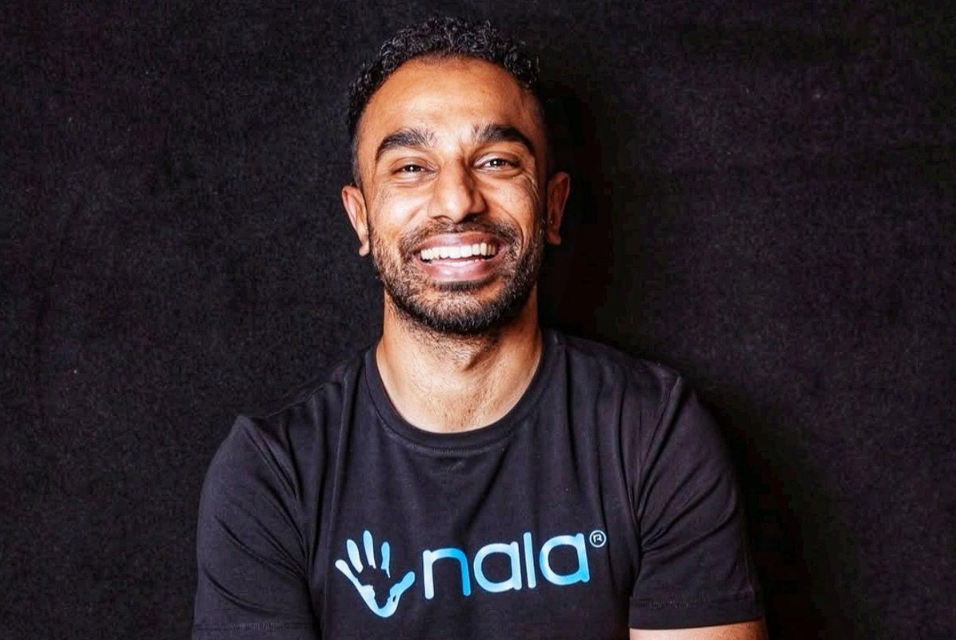
For Tanzanian entrepreneur Benjamin Fernandes, the founder of NALA, the distinction matters. His journey asks an important question: when should an entrepreneur remain committed to a vision, and when should the business built around it change?
A Founder Who Went Home to Build
Before NALA became an international financial technology company, Benjamin Fernandes was trying to understand why moving money could be so difficult. After studying at Stanford Graduate School of Business, he returned to Tanzania in 2017 to investigate the friction surrounding mobile-money transactions. His team interviewed potential customers rather than assuming that a technically elegant product would be enough. NALA’s original proposition was to simplify domestic mobile-money management. But recognizing a problem and building a sustainable company around it are different achievements.
The Product That Didn’t Work
NALA’s first domestic payments product faced commercial and regulatory obstacles. Existing financial systems depended on telecommunications companies, banks, regulators and other institutions whose interests did not always align with those of a new entrant. An improved interface could not by itself resolve the complexities beneath the service. The original business struggled to find product-market fit. For Fernandes, the experience was expensive, but it revealed a deeper question: where in the movement of money could NALA create lasting value?
Five Attempts to Enter Y Combinator
Fernandes has described applying five times before NALA joined Y Combinator’s Winter 2019 batch. He also recounted the departure of a co-founder shortly before Demo Day and periods of severe financial pressure. Accelerator acceptance brought connections and credibility, but it did not create a sustainable business model. NALA still needed customers who returned, a service that worked reliably and economics that could support the company. Recognition is not the same thing as product-market fit.
The Decision to Start Again
By 2020, NALA was confronting the limits of its original business. In 2021 it pivoted toward international remittances, helping people abroad send money to recipients in African countries. The mission—making money movement easier—remained familiar, but the customer and the commercial opportunity changed. For a sender supporting family overseas, a transfer can represent rent, school fees or urgent household expenses. Price matters, but so do speed and certainty that the money will arrive.
Discovering the Problem Behind the Problem
A money-transfer application may appear simple: choose a recipient, enter an amount and confirm. Behind the screen are banks, payment processors, foreign-exchange providers, local mobile-money networks and regulatory obligations. As NALA expanded, dependence on external payout partners created reliability problems. The company realized that an attractive consumer app could not fully deliver its promise without better infrastructure underneath it. That realization led to Rafiki, its business-to-business payments platform, designed to connect more directly with financial institutions and help other companies process cross-border payments.
From Consumer App to Financial Infrastructure
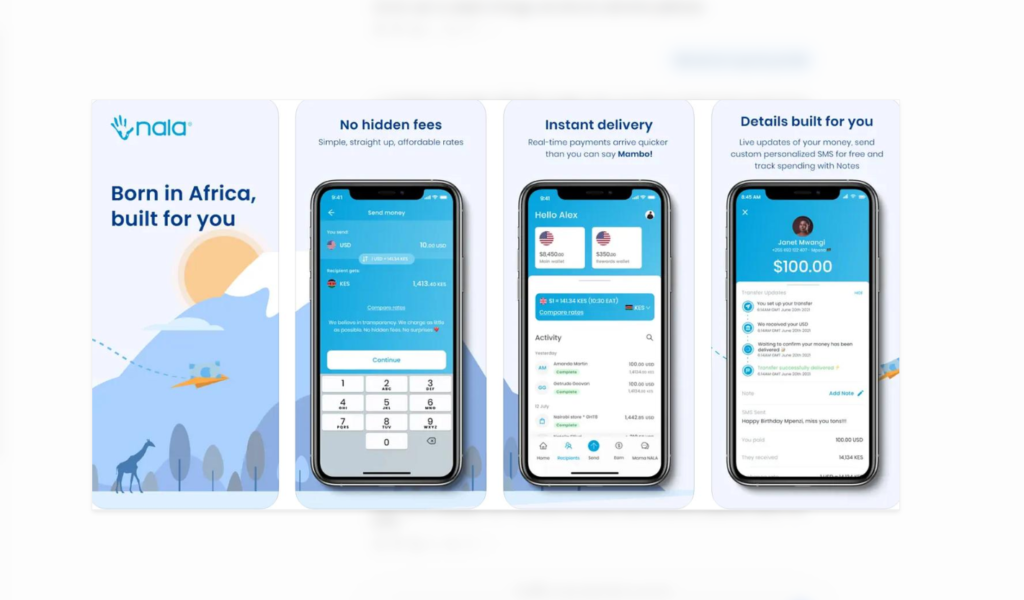
NALA’s consumer service and Rafiki address related but distinct markets. The first serves people sending money internationally. The second serves businesses that need reliable payment connections and technical integration. The two can reinforce each other: consumer transactions reveal operational weaknesses, while infrastructure investment can improve service and support additional business customers. Yet building financial infrastructure demands more than software. It requires liquidity management, compliance, operational resilience and the trust of institutions that depend on the system.
The $40 Million Turning Point
In July 2024, NALA announced a $40 million Series A led by Acrew Capital, with participation from DST Global Partners, Norrsken22 and HOF Capital. The company said its consumer business was approaching 500,000 customers and that it had reached profitability. These are company-reported historical figures, not independently audited measures of its present performance. The funding gave NALA more capacity to expand remittances and develop Rafiki. But raising capital is not proof that a company will endure. Investors fund expectations; customers ultimately test the product.
A New Stage: Financing the Movement of Money
In May 2026, NALA announced a credit facility through Liquidity and Mars Growth Capital. The initial facility was $25 million, with an option to scale to at least $50 million. Unlike equity investment, credit creates financing obligations and is designed here to help pre-fund payments as volumes grow. NALA said it still held more than half the proceeds from its 2024 equity round. The development underscored a new operational challenge: when money must be available across different markets before customer payments settle, growth can strain working capital even when demand is strong.
Why the Opportunity Is Bigger Than Remittances
Cross-border payments are not only about family remittances. Companies pay overseas suppliers, employers compensate international workers and financial institutions settle obligations across currencies. Fragmented infrastructure can make these activities slower, more expensive and less reliable. Rafiki seeks to simplify those connections, including through stablecoin-related settlement infrastructure. But NALA competes with banks, global payment providers and other fintech companies. Its long-term advantage must come from dependable execution, pricing, regulatory discipline and scale—not from technology buzzwords alone.
What Makes Fernandes’s Story Different?
Fernandes’s experience should not be reduced to a slogan about never giving up. Many founders persist without finding a sustainable market. What makes NALA instructive is that persistence was accompanied by strategic change. The company moved from domestic mobile-money management to remittances, then invested in the infrastructure that those remittances depended on. Each step reflected a more developed understanding of the problem. Fernandes also benefited from educational and investor networks unavailable to many entrepreneurs. A serious account of startup success must recognize decisions, access, timing, market conditions and luck together.
The Questions That Remain
Can NALA preserve reliability as it expands across jurisdictions? Can Rafiki attract and retain enough business customers to justify infrastructure costs? Can the company manage liquidity, compliance and the risks associated with stablecoin settlement? These are not secondary details. In financial services, trust can take years to build and a single serious failure to damage. The ultimate test is whether NALA’s systems work dependably at scale.
THE ABE TAKE
Benjamin Fernandes’s story is not primarily about a founder who raised $40 million. It is about someone who discovered, repeatedly, that the problem he wanted to solve was more complicated than his first solution allowed. A founder’s commitment should be to the problem worth solving, not necessarily to the first product invented. Yet the demands change as a company grows. A useful app needs customer understanding; financial infrastructure needs operational discipline, capital management and institutional trust. NALA has made meaningful progress, but whether it becomes an enduring force in payments remains an open question. Success is not established by a celebrated investor or a funding headline. It is established over time, when the value a company creates continues beyond the excitement of its early achievements.
Editorial note: Reporting draws on NALA and Rafiki’s published accounts, Y Combinator’s company profile, TechCrunch’s July 2024 reporting and Liquidity’s May 2026 financing announcement. Financial figures attributed to NALA are company-reported.