







ABE MAGAZINE | GLOBAL ECONOMY | OCTOBER 11, 2026
As global financial leaders prepare to discuss the future of the world economy, rising public debt is forcing governments to confront a difficult question: how much can countries continue borrowing before the cost begins to limit their choices?
The Bill for Tomorrow Is Growing Today
Every government faces a fundamental economic problem: the demands placed upon it are often greater than the money immediately available. Citizens expect hospitals, infrastructure, education and public security. Businesses depend on reliable roads, electricity and institutions. When revenue is insufficient, governments borrow to cover the difference.
Borrowing is neither unusual nor inherently irresponsible. Public debt has financed recoveries, infrastructure and responses to emergencies. The difficulty emerges when debt grows faster than a government’s ability to manage it. Interest payments compete with public services; refinancing becomes more expensive; and today’s choices constrain tomorrow’s options.
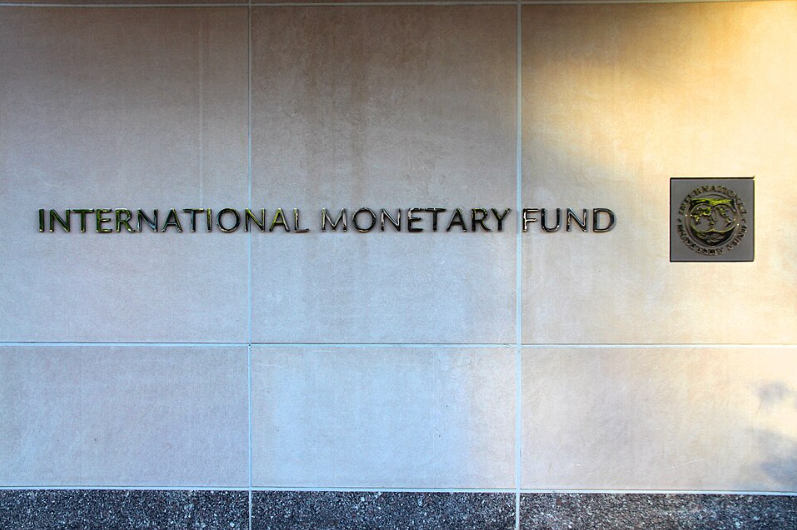
As the International Monetary Fund and World Bank prepare to meet in Bangkok, the issue is not simply how much governments owe. It is how much freedom they retain to respond to the next crisis.
Why Debt Is Back at the Centre of Global Economic Debate
The IMF and World Bank Annual Meetings take place in Bangkok from October 12 to 18, 2026. Finance ministers, central bankers and development institutions are gathering amid elevated energy prices, geopolitical conflict and mounting borrowing costs. The World Bank’s official meeting schedule confirms the dates.
The concern is not that every country is approaching bankruptcy. It is that governments may have less financial flexibility when the next economic shock arrives. IMF Managing Director Kristalina Georgieva has urged policymakers to address debt and prepare for economic disruption, including the effects of artificial intelligence.
How Public Debt Becomes a Problem

Public debt is commonly compared with gross domestic product, the total output of an economy. A large debt can be more manageable in a large, growing economy than a smaller debt in a weak one. Yet debt-to-GDP alone is insufficient: revenue, borrowing costs, currency and repayment schedules matter too.
Consider a simplified government collecting $100 billion in annual revenue. If interest costs rise from $10 billion to $20 billion, it must find another $10 billion through taxes, spending reductions, additional borrowing or some combination. Each option has consequences. Higher taxes can constrain households and businesses; spending cuts can weaken services; more borrowing can postpone adjustment while increasing future obligations.
The Unequal Burden on Developing Countries
Debt challenges do not fall equally. Wealthier countries often borrow in their own currencies and have deeper financial markets. Developing countries can face higher interest rates, volatile revenues and debts denominated in foreign currencies. When a local currency loses value, dollar-denominated repayments become more expensive in local terms.
Reuters reported ahead of the Bangkok meetings that debt service is consuming substantial government revenue in vulnerable economies. The World Bank is discussing crisis support with dozens of countries facing energy and price shocks. Investment in education, electricity and transportation is particularly important for long-term growth, but these are also areas that can be squeezed by debt payments.
This creates a difficult cycle: constrained investment weakens future growth, which can make the debt burden harder to sustain.
Why Higher Interest Rates Change Everything
Countries that borrowed cheaply may face higher costs when their bonds mature and must be refinanced. Existing fixed-rate debt does not generally reprice overnight, but refinancing gradually transmits higher market rates into public budgets.
Government bond yields also influence the wider financial system. When sovereign borrowing becomes more expensive, companies, households and financial institutions can face tighter credit conditions. Investors may demand higher returns, increasing market volatility and making long-term planning more difficult.
Is Cutting Government Spending the Answer?
One argument is that governments must control deficits to prevent debt from undermining financial confidence. Another is that indiscriminate cuts can harm growth and impose disproportionate burdens on lower-income households. Both concerns matter.
Reducing waste is different from cancelling productive investments. The quality of spending matters as much as its quantity. Tax design matters too: IMF research released ahead of the meetings suggests that better-designed tax systems can raise revenue and support growth without necessarily increasing headline tax rates.
Fiscal sustainability should be the objective—not spending reductions for their own sake.
What the Bangkok Meetings Could Reveal
The Annual Meetings offer an opportunity to assess how global institutions view economic growth, debt sustainability and financial stability. The IMF’s World Economic Outlook and Fiscal Monitor discussions will be important indicators of the policy debate.
Questions include whether energy prices will further weaken growth, how governments can rebuild fiscal capacity, and what debt restructuring or development support may be necessary. The meetings cannot solve these challenges in one week, but they can clarify the direction of international cooperation.
What This Means for Ordinary People

Government debt can seem remote from daily life, but its consequences can be concrete. Higher debt-service costs may force difficult choices over schools, hospitals, transportation and infrastructure. Tax changes affect disposable income. Reduced investment can limit future economic opportunity.
These effects are not automatic or identical across countries. They depend on the structure of debt, economic growth and policy decisions. Yet public finance ultimately involves allocating scarce resources: money spent on interest cannot simultaneously be spent elsewhere.
THE ABE TAKE
The global debt debate is often framed as a contest between governments that spend too much and advocates of stricter financial discipline. The reality is more complicated.
Borrowing can be a powerful instrument of development when it supports infrastructure, institutions and economic resilience. But borrowing also creates obligations that cannot be ignored indefinitely. The most important question is not merely the size of a country’s debt; it is whether that country can meet its obligations while retaining the capacity to invest, grow and protect its people.
Governments must resist two temptations: treating borrowing as money that never needs to be accounted for, and treating all public spending as an economic burden. Neither provides a complete answer.
A responsible government must manage today’s obligations without sacrificing tomorrow’s possibilities.
As financial leaders gather in Bangkok, the central question is not whether the world should stop borrowing. It is whether countries can build stronger economies and more resilient public finances before the next crisis makes those choices harder.
ABE MAGAZINE
Understand More. Think Bigger.