








By ABE Magazine | November 3, 2026
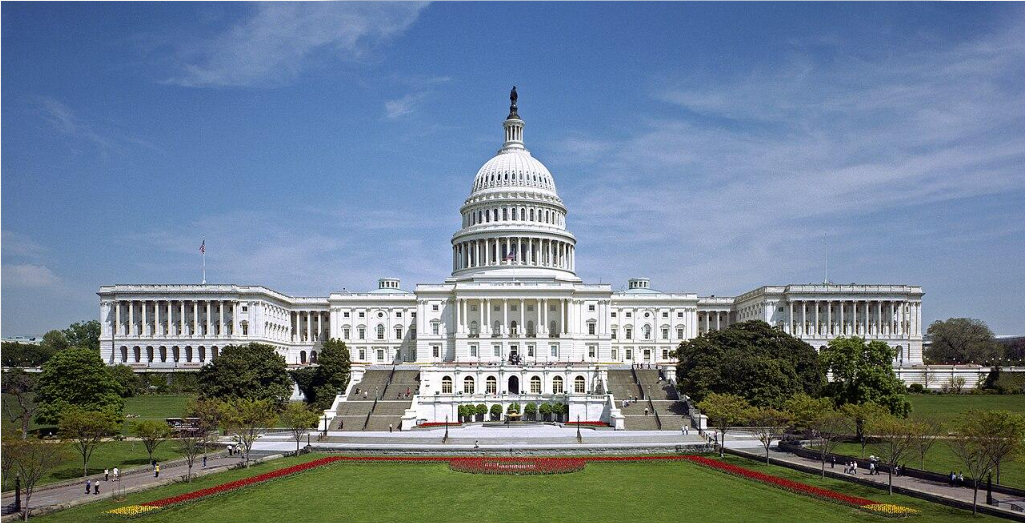
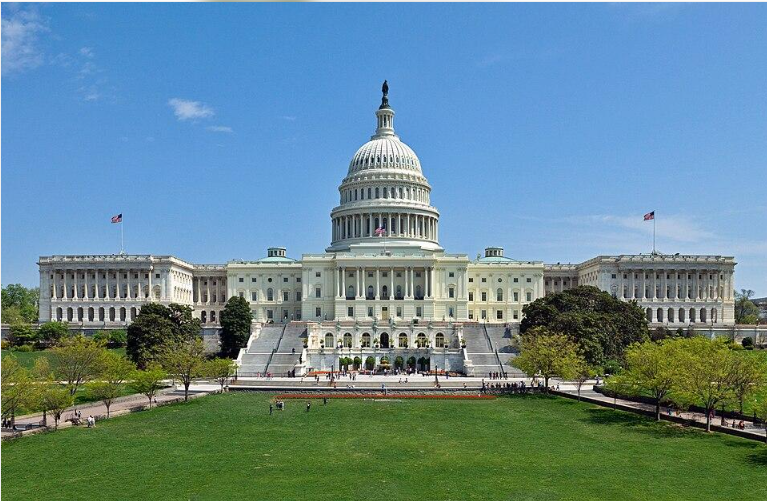
Democrats are on course to regain control of the US House of Representatives after a series of election-night victories weakened President Donald Trump’s Republican Party. The opposition has also captured Republican-held Senate seats in North Carolina and South Carolina, raising the possibility of a broader shift in Washington’s political balance.
US media projections indicate that Democrats are positioned to secure a House majority. However, control of the Senate remains uncertain as several competitive races continue to be counted. The results represent a significant political challenge for Trump, whose party entered the midterm elections controlling the White House and both chambers of Congress.
The election has been shaped by concerns about household affordability, energy prices and the direction of the country. Voters have also expressed dissatisfaction with the administration’s handling of major national issues. For American businesses and international investors, the emerging results could influence taxation, regulation, government spending and economic policy.
Democrats Move Toward Control of the House
The House of Representatives has become the clearest sign of a potential shift in congressional power. Media projections reported by Reuters indicate that Democrats are on track to regain the chamber after capturing several Republican-held districts.
Republicans entered the election with a narrow majority, leaving them vulnerable to relatively small changes in voter support. All 435 House seats were contested, although the decisive battles were concentrated in competitive districts.
Democratic candidates benefited from voter frustration over living costs and the administration’s performance. Their campaigns frequently focused on affordability, healthcare and government accountability. These issues helped the party challenge Republicans in districts where economic concerns were particularly important.
A Democratic House majority would substantially change Washington’s political environment. The party could control House committees, organize investigations and influence legislative priorities. It could also challenge parts of the administration’s spending and regulatory agenda.
However, winning the House would not automatically allow Democrats to implement their preferred policies. Legislation generally requires approval from both chambers of Congress and the president. The result could therefore create greater political oversight alongside more difficult negotiations.
North Carolina Delivers a Major Democratic Senate Victory

One of the night’s most important results came from North Carolina, where Democrat Roy Cooper defeated Republican Michael Whatley in a closely watched Senate contest.
Cooper, a former two-term governor, entered the race with substantial statewide recognition. His campaign emphasized the cost of food, energy and other household expenses. These concerns became increasingly important as voters evaluated the administration’s economic record.
Whatley, a former chairman of the Republican National Committee, received Trump’s endorsement. He campaigned on conservative priorities and support for the president’s political agenda. However, that backing was not enough to secure victory.
The seat had been held by Republican Senator Thom Tillis, who chose not to seek another term. Cooper’s victory therefore represents a direct Democratic gain rather than the defence of an existing Democratic seat.
The result matters because Republicans began election night with a 53–47 Senate advantage. Democrats needed a net gain of four seats to secure control. North Carolina was widely considered one of their most important opportunities.
Cooper’s victory also demonstrates how economic dissatisfaction can influence a competitive election. North Carolina supported Trump in the 2024 presidential race, yet voters selected a Democratic Senate candidate two years later.
The outcome suggests that presidential voting patterns do not necessarily determine congressional results. Candidate reputation, local conditions and national political sentiment can all influence voter decisions.
South Carolina Produces Another Major Upset
Democrats also achieved a significant victory in South Carolina, where Annie Andrews defeated Republican Darline Graham in a Senate race that attracted national attention.
The result was particularly notable because South Carolina has long been a Republican stronghold in federal elections. A Democratic victory in the state represents a substantial political breakthrough.
Together, the North Carolina and South Carolina results gave Democrats two Republican-held Senate seats. These victories improved the party’s prospects of challenging Republican control of the upper chamber.
However, the Senate majority has not yet been determined. Democrats must secure additional gains while defending seats they already hold. Several competitive races remain important to the final balance of power.
The results demonstrate that political conditions have become more competitive in some traditionally Republican areas. Nevertheless, individual victories do not guarantee a nationwide Democratic sweep.
Democrats Defend Important Senate Seats
Democrats also received encouraging results in states where they were defending existing Senate seats.
In Georgia, Democratic Senator Jon Ossoff won re-election, preserving a seat Republicans had hoped to capture. His victory prevented the opposition from losing ground in a politically competitive state.
In New Hampshire, Democrat Chris Pappas defeated Republican John Sununu in the contest to succeed retiring Senator Jeanne Shaheen. That result allowed Democrats to retain another important Senate seat.
These victories matter because winning Republican-held seats is only part of the challenge. Democrats must also prevent Republican gains in states they currently represent.
Meanwhile, Republicans successfully defended the Florida Senate seat contested by Ashley Moody. The result shows that the party continues to perform strongly in several important states despite Democratic advances elsewhere.
Attention is now turning to unresolved contests that could determine the Senate majority. Until those races are decided, it remains premature to declare that either party has secured control.
A Political Setback for President Trump
The emerging results present a serious challenge for President Trump midway through his second term.
Republicans entered the election hoping to preserve unified control of the federal government. Such an outcome would have allowed the administration to continue pursuing legislative priorities with support from congressional leaders.
Instead, Democratic gains suggest that voters are demanding greater accountability and a different approach to several national issues.
Exit polling reported by Reuters found that many voters viewed the election as an opportunity to express dissatisfaction with Trump. A substantial majority also wanted Congress to provide stronger checks on presidential power.
These findings indicate that the election was not simply a contest between individual candidates. For many Americans, it became a broader judgment on the administration’s performance.
The results could influence Trump’s relationship with Congress during the final two years of his presidency. A Democratic House would have greater authority to investigate executive decisions and challenge legislative proposals.
However, the president would retain significant constitutional powers. He could continue directing executive agencies, shaping foreign policy and vetoing legislation.
The practical consequences would depend on the final congressional balance and the willingness of both parties to negotiate.
Why the Economy Became a Decisive Election Issue
Economic dissatisfaction has played a central role in the midterm campaign.
Although the United States remains one of the world’s largest and most productive economies, many households continue facing pressure from essential expenses. Food, housing, transportation and energy costs have influenced voter perceptions of economic progress.
Higher fuel prices have become particularly sensitive because they affect both consumers and businesses. Transportation costs influence supply chains, while energy expenses can increase the cost of producing and distributing goods.
The conflict involving Iran has also contributed to concerns about energy security and America’s international commitments. These developments have added another dimension to the debate over the administration’s economic management.
Republicans have emphasized tax reductions, deregulation and policies intended to encourage investment. Democrats have argued that the administration has not done enough to address household affordability.
The election results suggest that economic growth alone may not be sufficient to maintain public confidence. Voters often judge economic performance through their own financial circumstances rather than national statistics.
For businesses, this distinction is important. Strong corporate earnings can coexist with consumer dissatisfaction. A growing economy does not necessarily mean that every household feels financially secure.
Wall Street Reacts to the Possibility of Divided Government
Financial markets have also responded to the developing election results.
Reuters reported that US stock futures weakened, Treasury securities attracted demand and the dollar declined as investors assessed the possibility of substantial Democratic gains.
The market reaction reflects uncertainty about future economic policy. Changes in congressional control could influence taxation, corporate regulation, government spending and the administration’s legislative priorities.
Technology companies are among the businesses watching developments closely. Investors are considering whether a Democratic-controlled Congress might pursue stronger oversight of artificial intelligence and other emerging technologies.
However, the relationship between election outcomes and stock market performance is complex. A Democratic victory does not automatically mean weaker markets, just as Republican control does not guarantee stronger returns.
Corporate profits, interest rates, inflation and global economic conditions remain major influences on investment decisions.
A divided government could also limit the passage of major legislation. Some investors might welcome policy stability, while others could worry about budget disputes and prolonged political negotiations.
The immediate market reaction therefore reflects changing expectations rather than a definitive judgment on the long-term economic consequences.
What a Democratic House Could Mean for Business
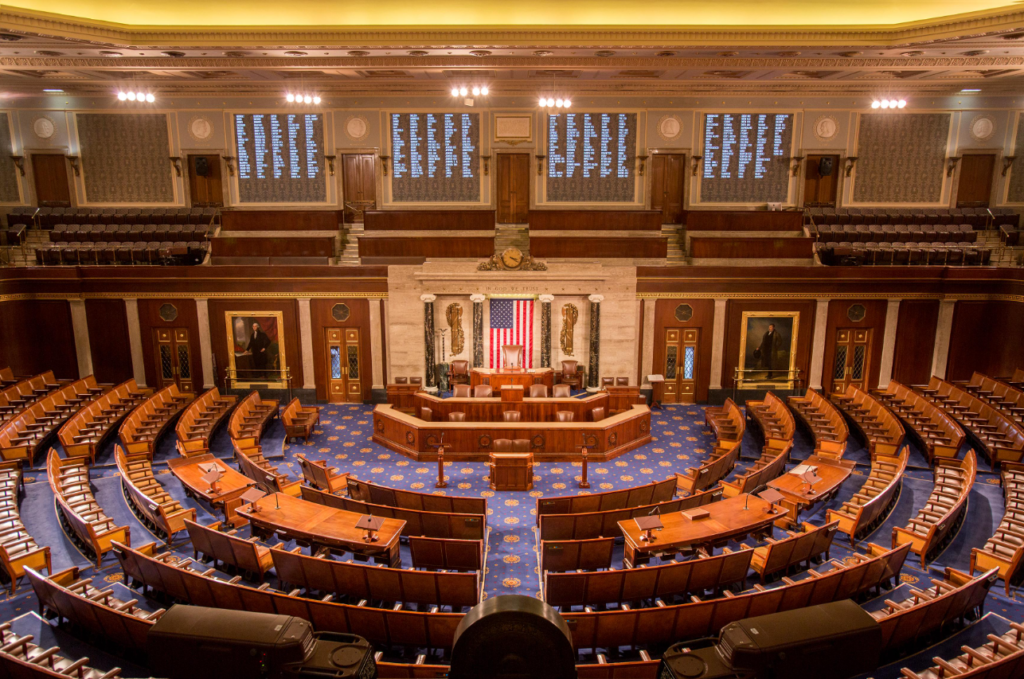
If Democrats secure control of the House, several industries could face a different legislative environment.
Financial institutions may encounter renewed debates over consumer protection, banking oversight and corporate accountability. Technology companies could face additional scrutiny concerning artificial intelligence, data protection and competition.
Healthcare businesses may also be affected by congressional debates over insurance coverage, federal spending and prescription drug costs.
Energy policy could become another area of disagreement. Republicans generally emphasize expanding domestic production and reducing regulatory barriers. Democrats often place greater emphasis on environmental protections and clean-energy investment.
However, a Democratic House would not have unlimited authority to change these policies. The Senate, the president and federal agencies would continue playing important roles.
Businesses would therefore need to distinguish political proposals from measures that have a realistic chance of becoming law.
The most immediate consequences could involve congressional investigations, budget negotiations and the pace of new legislation.
Why Canada and the Global Economy Are Watching
The election has consequences beyond the United States.
Canada’s economy is closely connected to American trade, investment and industrial activity. Changes in US policy can affect Canadian manufacturers, energy producers, financial institutions and exporters.
A shift in congressional leadership could influence debates over tariffs, cross-border commerce and economic cooperation. However, many trade decisions remain within the president’s executive authority.
European and Asian businesses are also watching the results. American policy influences international financial markets, defence commitments and global supply chains.
Companies planning major investments often prefer predictable regulatory and economic conditions. Political uncertainty can complicate decisions involving financing, production and international expansion.
Nevertheless, the election does not automatically change existing trade agreements or international relationships. Any major policy adjustments would require further political and legal decisions.
The international implications will become clearer as the new Congress establishes its priorities.
Senate Control Remains the Biggest Unanswered Question
Despite the Democratic victories, the election-night picture remains incomplete.
The party’s gains in North Carolina and South Carolina have improved its position. Its victories in Georgia and New Hampshire have also protected important existing seats.
However, several competitive Senate races remain unresolved. Their outcomes will determine whether Republicans retain control or Democrats achieve a broader congressional victory.
The distinction is crucial.
A Democratic House combined with a Republican Senate would create divided congressional control. Both parties would need to negotiate legislation, and major policy changes could become more difficult.
If Democrats win both chambers, they would gain greater authority over congressional committees, investigations and legislative priorities. Even then, President Trump would retain veto power.
Republicans could also recover politically if they preserve the Senate. Control of the upper chamber would allow them to influence legislation and presidential appointments.
Until the remaining races are called, claims of a complete Democratic takeover would be premature.
What Happens Next?
Election officials will continue counting outstanding ballots in competitive states and congressional districts.
Media organizations may project winners before every vote has been counted. Such projections are based on reported results and analysis of outstanding ballots. They are not the same as official certification.
Close races may take additional time to resolve. Mail ballots, state election procedures and narrow margins can delay final outcomes.
Once the congressional balance becomes clear, attention will shift toward leadership elections and the priorities of the incoming lawmakers.
The newly elected Congress will begin its term in January 2027. Its relationship with the White House will shape the final two years of Trump’s presidency.
For now, the clearest development is that Democrats have made significant gains, while Republicans face the possibility of losing part or all of their congressional majority.
THE ABE TAKE
The 2026 midterm elections demonstrate how quickly political conditions can change when voters become dissatisfied with economic performance and national leadership.
Democrats have achieved important victories by focusing on affordability, accountability and the administration’s record. Their success in North Carolina and South Carolina is especially significant because both states had been represented by Republicans in the Senate.
For Republicans, the results raise questions about the effectiveness of their economic message. Control of the White House and Congress did not eliminate voter concerns over household expenses and the direction of the country.
However, Democratic gains should not be mistaken for an automatic endorsement of every opposition policy. Winning elections and governing effectively are different challenges.
If Democrats gain the House, they will have greater power to challenge the administration. Yet they will also face pressure to demonstrate that their leadership can produce practical results.
For financial markets, the election introduces another period of uncertainty. Businesses will need to monitor legislative priorities, regulatory developments and the possibility of prolonged negotiations in Washington.
The central lesson is that economic performance and political confidence are closely connected. Voters may support a government’s broader objectives, but persistent pressure on household finances can change their political choices.
The final balance of Congress remains uncertain. What is already clear is that the election has altered the political landscape and created new challenges for President Trump and both major parties.
ABE MAGAZINE
Understand More. Think Bigger.