







By ABE Magazine | October 30, 2026
The United States economy is showing renewed strength, but accelerating inflation is creating a difficult challenge for the Federal Reserve as policymakers weigh the risks of persistent price pressures against the country’s economic momentum. Figures released Thursday by the U.S. Bureau of Economic Analysis showed that the Personal Consumption Expenditures (PCE) price index, the Federal Reserve’s preferred inflation measure, rose 3.6% in September compared with a year earlier, up from 3.4% in August. The increase comes as the American economy expanded at an annualized rate of 3.4% during the third quarter of 2026, accelerating from 2.2% in the previous quarter. Together, the figures reveal an economy that continues to grow strongly while struggling to bring inflation closer to the central bank’s 2% target.
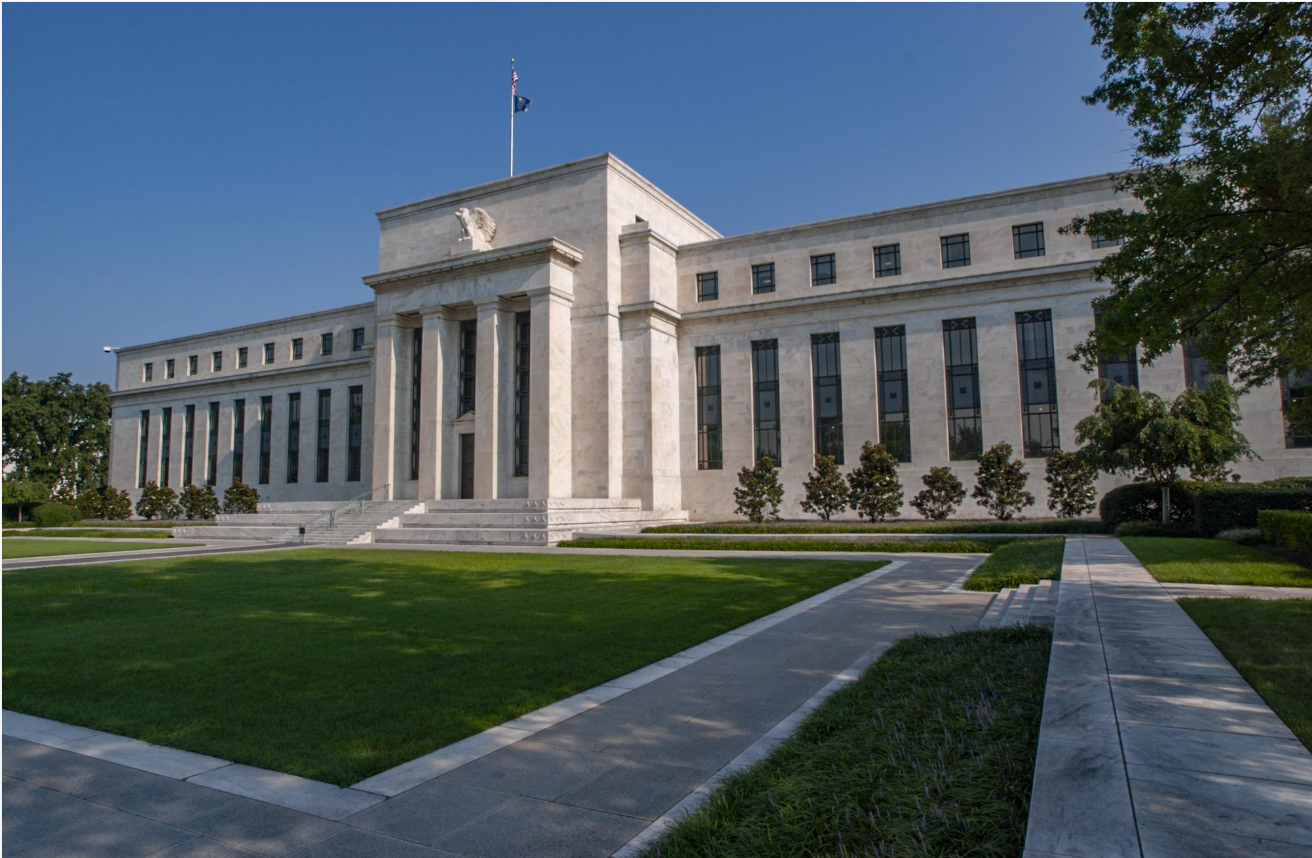
The latest economic data arrived just one day after the Federal Reserve decided to maintain its benchmark interest rate between 3.75% and 4.00%. Although policymakers acknowledged the economy’s resilience, the persistence of inflation has intensified debate over whether borrowing costs should remain unchanged or rise further. For businesses, consumers and financial markets, the uncertainty surrounding monetary policy could influence investment decisions, household spending and economic confidence in the months ahead.
Consumer Spending Remains Strong, but Purchasing Power Is Under Pressure

September’s inflation report revealed that consumer prices increased by 0.5% during the month, compared with a 0.3% rise in August. Core inflation, which excludes volatile food and energy prices, reached 3.1% annually, indicating that underlying price pressures remain elevated. Personal consumption expenditures increased by $113.1 billion during September, reflecting continued spending on goods and services. However, after adjusting for inflation, consumer spending increased by less than 0.1%, suggesting that higher expenditure was not translating into significantly greater purchasing power.
The distinction is particularly important for American households already facing elevated living costs. Disposable personal income increased by 0.2% in September but declined by 0.3% after accounting for inflation, while the personal saving rate stood at 3.8%. These figures suggest that consumers are continuing to support economic activity even as rising prices absorb a greater share of their income. For retailers, restaurants and consumer goods companies, sustained expenditure provides short-term support for revenue, but prolonged pressure on household budgets could eventually weaken demand for discretionary products and services.
Strong Growth Creates a Difficult Decision for the Federal Reserve
The American economy’s stronger performance has added another layer of complexity to the inflation outlook. Third-quarter GDP growth of 3.4% was supported by business investment, consumer spending and government expenditure, demonstrating that economic activity remains resilient despite elevated financing costs. Investment in equipment and technology has contributed to the expansion, raising expectations that improvements in productivity could help businesses increase output without generating equivalent increases in prices. However, these benefits may take time to materialize, while continued spending and investment can sustain demand in the near term.
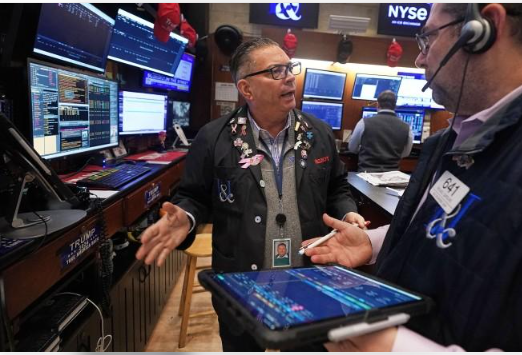
The Federal Reserve’s October 28 decision reflected the uncertainty surrounding these developments. Policymakers voted 10–2 to leave interest rates unchanged, with Lisa D. Cook and Beth M. Hammack favouring an immediate quarter-percentage-point increase. The disagreement highlights the competing risks facing the central bank: raising rates could help contain inflation but potentially weaken employment and investment, while keeping borrowing costs unchanged could allow price pressures to persist. With inflation remaining above target, investors will closely monitor upcoming economic releases for indications of whether additional monetary tightening may become necessary.
Global Businesses Face Wider Economic Consequences

The implications of persistent American inflation extend beyond the United States. Federal Reserve policy influences global borrowing costs, exchange rates and international capital flows, particularly because the U.S. dollar remains central to international finance. Higher American interest rates can make dollar-denominated debt more expensive for companies and governments abroad, while encouraging investors to favour U.S. financial assets. Emerging economies with substantial external financing requirements may face additional pressure if global borrowing conditions tighten.
Canada is particularly exposed to developments in American monetary policy because of its close trade and financial relationship with the United States. Changes in interest-rate expectations can influence the Canadian dollar, borrowing conditions and investment flows, while weaker American consumer purchasing power could affect demand for Canadian exports. For multinational businesses, the challenge is to balance opportunities created by strong U.S. economic growth against uncertainty surrounding financing costs, currency movements and future consumer demand.
THE ABE TAKE
America’s latest economic figures highlight an important distinction between economic growth and economic stability. An economy expanding at an annualized rate of 3.4% may appear strong, but inflation of 3.6% means that households and businesses are not necessarily experiencing the full benefits of that expansion. Rising consumer expenditure can reflect higher prices rather than greater purchasing power, while stronger corporate investment does not automatically guarantee sustainable productivity improvements.
The Federal Reserve’s challenge is therefore not simply to slow economic activity, but to determine whether growth can continue without allowing inflation to become entrenched. For businesses and investors, the coming months will test whether the American economy can preserve its momentum while restoring price stability. The outcome will have consequences far beyond Washington, influencing financial markets, international investment and economic confidence across the world.
ABE MAGAZINE
Understand More. Think Bigger.