




By ABE Magazine | November 4, 2026
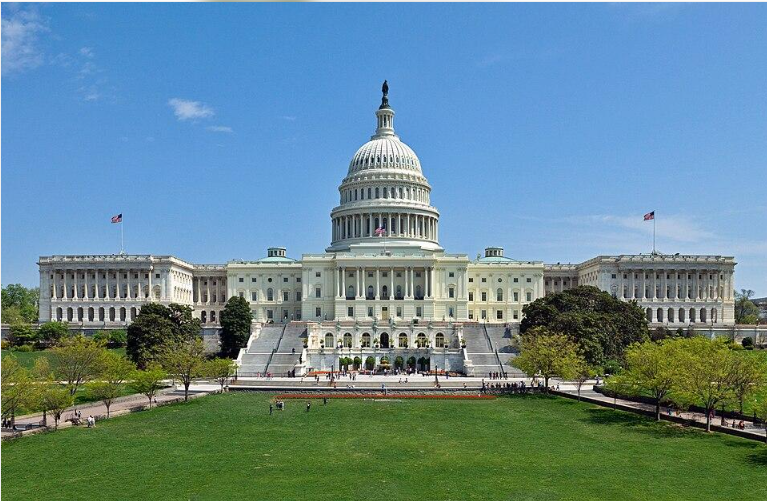
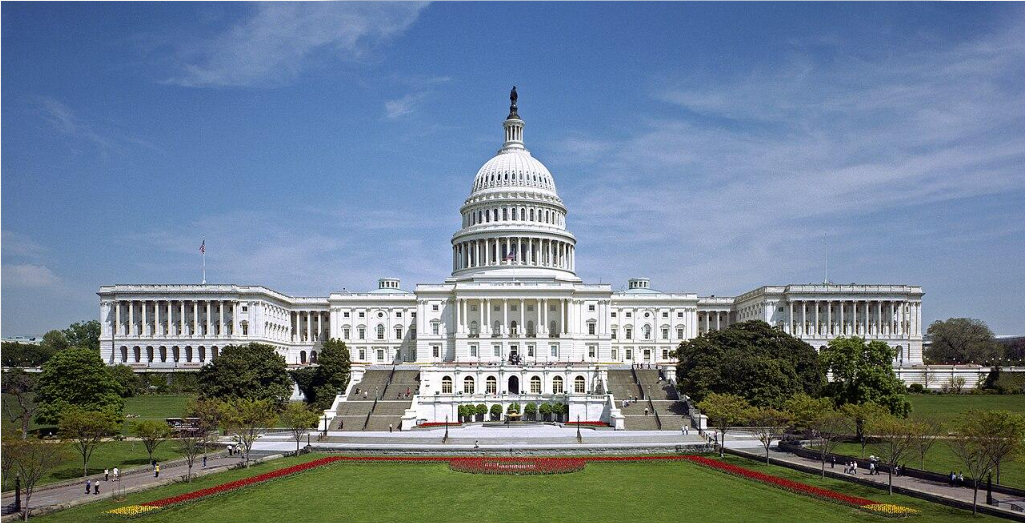
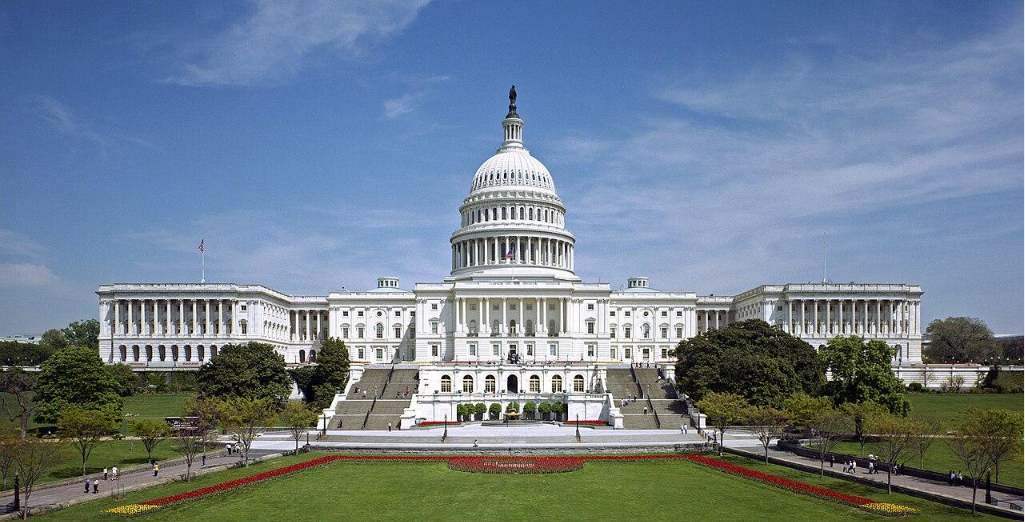
The 2026 US midterm election results have delivered a sweeping victory for the Democratic Party, which has won control of both the House of Representatives and the Senate, according to projections reported by the Associated Press and Reuters. The outcome marks a major political setback for President Donald Trump, as voters in several traditionally Republican states turned toward Democratic candidates amid concerns about the cost of living, the economy and the administration’s policies.
The scale of the Democratic victory exceeded many pre-election expectations. From Texas to Kansas and South Carolina, candidates overturned longstanding Republican advantages, while Democrats secured enough congressional seats to change the balance of power in Washington. The results will establish a divided government when the new Congress takes office in January 2027, potentially reshaping federal economic policy, presidential oversight and the country’s political direction ahead of the 2028 election.
Democrats Secure Control of Congress
The most consequential development of election night was the Democratic Party’s success in both chambers of Congress. Republicans entered the elections controlling the House and holding a 53–47 advantage in the Senate, including the two independents who caucused with Democrats.
Democrats needed a net gain of four Senate seats to secure a majority. Instead, they captured at least seven Republican-held seats, according to Associated Press reporting, while defending important Democratic seats in Georgia and Michigan. In the House, the party gained more than two dozen Republican-held districts, giving it the majority needed to control the chamber.
The results represent a significant reversal from the political environment following Trump’s 2024 presidential victory. Republicans had controlled the presidency and both chambers of Congress, giving the administration substantial opportunities to advance its legislative priorities.
That arrangement will change in January. Democrats will control congressional committees, determine legislative priorities in both chambers and gain authority to investigate executive branch decisions. However, Trump will remain president, retaining the power to veto legislation and exercise executive authority within constitutional limits.
Historic Democratic Victories in Republican Strongholds
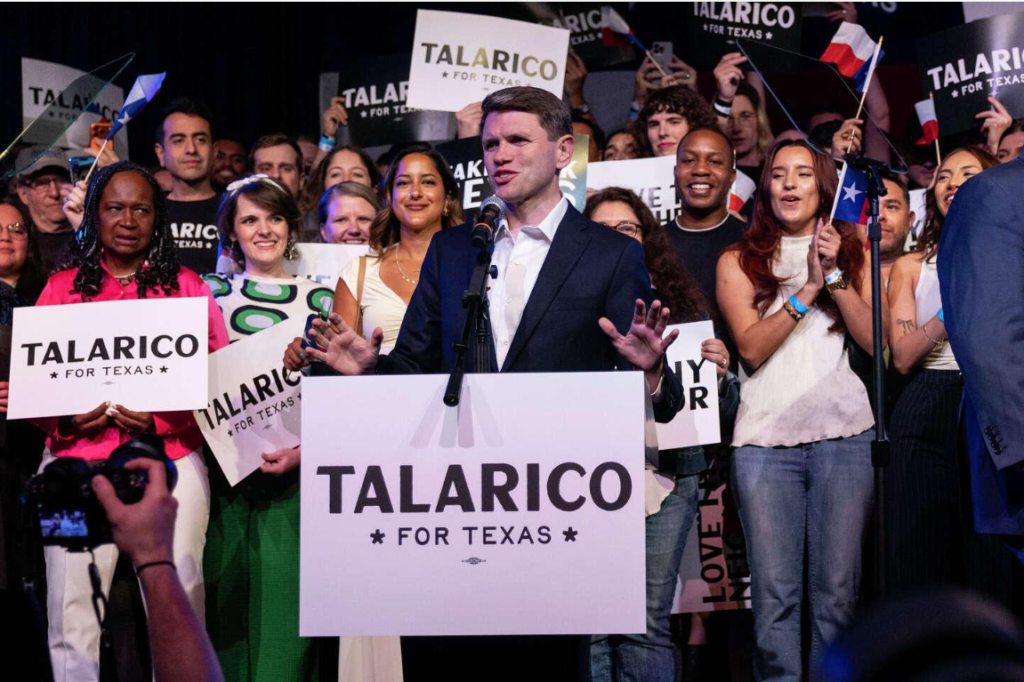
Several Senate contests produced results that would have appeared highly unlikely earlier in the election cycle.
<escape>Texas:</escape> Democrat James Talarico defeated Republican Attorney General Ken Paxton, becoming the state’s first Democratic senator-elect in 38 years. His victory came in a state that Trump carried comfortably in 2024 and ended decades of Republican dominance in Texas Senate elections.
<escape>Kansas:</escape> Democrat Adam Hamilton defeated Republican Senator Roger Marshall, delivering the state’s first Democratic US Senate victory since 1932. The result was especially significant because Kansas has long been regarded as one of the Republican Party’s most reliable states.
<escape>South Carolina:</escape> Democrat Annie Andrews won a Senate seat in a state where Democratic candidates have struggled for decades. Her victory became another example of the party’s unexpectedly strong performance across conservative regions.
<escape>Ohio:</escape> Former Democratic Senator Sherrod Brown returned to the Senate after winning a competitive race in a state Trump carried by a substantial margin in 2024.
Democrats also captured Republican-held Senate seats in North Carolina, Iowa and Maine. Together, these victories transformed the national electoral map and provided the party with a majority that appeared difficult to achieve before voting began.
The results do not necessarily mean these states will consistently support Democratic candidates in future elections. Nevertheless, they demonstrate that voter dissatisfaction and candidate selection can significantly alter political expectations.
Cost of Living Becomes a Defining Election Issue
Economic concerns were central to the Democratic victory.
Many American households entered the election frustrated by the cost of groceries, housing, transportation and energy. Although economic indicators can show growth in employment or investment, those figures do not always reflect the financial experiences of individual households.
According to exit polling cited by Reuters, nearly nine in ten voters described the cost of living as either a crucial or major factor in their decision. Approximately three-quarters expressed anger or dissatisfaction with the country’s direction.
These findings suggest that the election was influenced not only by political loyalty but also by how voters assessed their financial circumstances.
Trump returned to the White House in 2025 promising to improve economic conditions and reduce inflation. However, his administration faced criticism over tariffs, rising energy costs and the economic consequences of the war with Iran.
Democrats used these concerns to argue that the administration had failed to deliver the financial improvements many voters expected. Republican candidates defended the president’s economic policies and emphasized the potential long-term benefits of his approach.
The election suggests that voters placed considerable weight on immediate household expenses rather than broader claims about economic performance.
The Iran War and Foreign Policy Concerns
The administration’s war with Iran also emerged as an important political issue.
The conflict, which began in February 2026, contributed to uncertainty in global energy markets and increased pressure on fuel prices. Higher energy costs can affect household budgets directly through gasoline and indirectly through transportation, manufacturing and food distribution.
For American businesses, the consequences extend beyond the price of oil. International conflicts can disrupt shipping routes, complicate investment decisions and increase the cost of managing supply chains.
Democratic candidates criticized the administration’s handling of the conflict and questioned its economic consequences. Republicans defended the administration’s national security objectives, although the issue created political difficulties for candidates campaigning on economic stability.
The election does not directly determine US foreign policy. The president retains significant authority over diplomatic and military decisions.
However, a Democratic Congress can scrutinize military spending, conduct hearings and challenge the administration over the use of federal resources.
The result could therefore increase political pressure on the White House to explain the costs, objectives and long-term implications of its foreign policy decisions.
What Democratic Control Means for Donald Trump
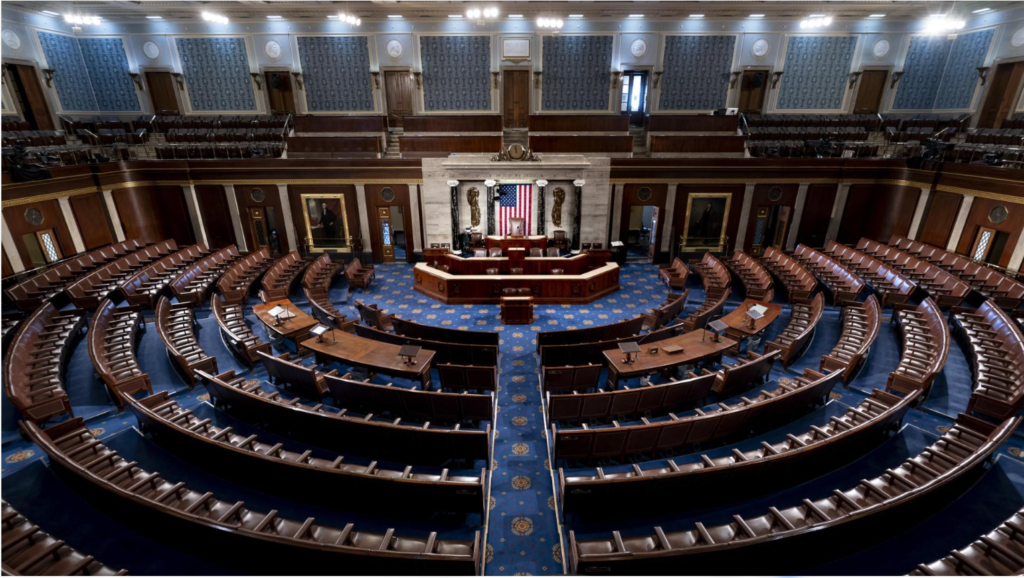
The election represents a major change in Trump’s political environment.
During the first two years of his second presidency, Republican control of Congress gave the administration an important legislative advantage. That advantage will disappear when the new Congress begins its term.
Democratic lawmakers will be able to establish investigative committees, demand testimony and examine decisions involving federal spending, executive agencies and government contracts.
The Senate will also gain significant influence over presidential appointments. Cabinet officials, senior administration figures and federal judges generally require Senate confirmation, giving Democrats the ability to reject or delay nominees.
However, congressional control does not give Democrats unlimited power.
Trump will retain his veto authority, and lawmakers will still need to negotiate legislation capable of passing Congress and becoming law. Some Senate measures will also require support beyond a simple majority.
The result is likely to produce more difficult negotiations over government funding, taxation, trade and domestic policy.
Trump has indicated that he would accept the election results and was prepared to work with Democrats. Whether that willingness produces substantial legislative cooperation remains uncertain.
What the Election Means for Businesses and Financial Markets
The change in congressional control introduces a new political environment for American companies and international investors.
Businesses pay close attention to elections because federal policy influences taxation, regulation, trade, infrastructure spending and access to capital. A divided government can complicate major legislative changes, particularly when the president and congressional majorities disagree on economic priorities.
For companies operating internationally, trade policy will remain an important concern. Trump’s tariff measures have affected discussions about import costs, manufacturing investment and global supply chains. Democrats may use congressional hearings and legislation to challenge aspects of that approach, although presidential trade powers will not disappear.
Financial institutions will also monitor the administration’s relationship with Congress. Banking regulation, consumer protection, financial supervision and federal spending priorities could become subjects of renewed debate.
Energy companies face another area of uncertainty. The administration’s policies toward domestic oil and gas production may encounter stronger congressional scrutiny, particularly as lawmakers assess the economic consequences of the Iran conflict and elevated energy costs.
Technology companies may face additional questions about artificial intelligence, market concentration, competition and consumer protection. However, the extent of any policy changes will depend on negotiations between Congress and the White House.
For investors, the most immediate issue is uncertainty rather than a guaranteed positive or negative market outcome.
A divided government can restrain major policy changes, but it can also produce prolonged disputes over federal budgets and legislation. Financial markets will therefore assess not only which party controls Congress but also whether lawmakers can reach workable agreements.
What the Results Mean for Canada and International Trade
The political shift in Washington will also attract attention in Canada, one of the United States’ largest trading partners.
Canadian businesses depend heavily on access to the American market, particularly in automotive manufacturing, energy, agriculture and industrial production. Changes in US tariffs or trade rules can affect investment decisions and cross-border supply chains.
A Democratic Congress may increase scrutiny of the administration’s trade policies, but it cannot automatically reverse presidential tariff decisions. The legal authority behind individual measures and the willingness of lawmakers to cooperate will determine what changes are possible.
Canadian policymakers will also monitor negotiations over energy security, infrastructure and continental manufacturing.
The broader implication is that political uncertainty in Washington can affect companies far beyond the United States. Businesses operating across North America may need to prepare for both policy negotiations and potential legislative disagreements.
Republicans Face Questions About Their Political Strategy
The Republican Party now faces a difficult assessment of its electoral performance.
Trump’s endorsement remained influential in several Republican primary contests, but some of the candidates he supported struggled in the general election. The Texas Senate race became a particularly prominent example.
Ken Paxton secured the Republican nomination after defeating incumbent Senator John Cornyn, but subsequently lost to Talarico. The result has intensified questions about whether candidate loyalty to Trump was given greater importance than general-election competitiveness.
Republican losses also extended beyond individual candidate controversies.
Democrats made gains in suburban areas, communities with different income levels and regions that had supported Trump strongly in 2024. That breadth suggests the party’s difficulties cannot be explained by a single campaign or state.
Republican leaders will need to examine their economic messaging, candidate recruitment and approach to independent voters.
At the same time, Democrats face their own challenge. Winning an election by opposing the president does not automatically establish public confidence in their ability to govern.
Voters who supported Democratic candidates because of economic frustration may expect meaningful improvements, even though the party will not control the presidency.
The Road to the 2028 Presidential Election
The 2026 midterms have changed the political landscape ahead of the next presidential election.
Trump is constitutionally barred from being elected to a third presidential term. The Republican Party will therefore need to select a new presidential nominee for 2028, while Democrats will seek to build on their congressional success.
The scale of the Republican defeat could intensify internal debates over the party’s future direction and the influence of Trump’s political movement.
For Democrats, the election creates opportunities but also raises expectations. Their congressional majorities will be judged on how effectively they use oversight powers, negotiate legislation and respond to economic concerns.
The next two years could therefore become an important test of both parties’ leadership.
Republicans must demonstrate that they can rebuild public confidence, while Democrats must show that electoral success can translate into responsible congressional leadership.
THE ABE TAKE
The 2026 US midterm election results represent one of the most significant political reversals of Donald Trump’s presidency. Democrats have not merely recovered control of Congress; they have achieved victories in states where Republican dominance appeared deeply established.
The most important lesson is economic. Voters repeatedly identified the cost of living as a major concern, demonstrating the difference between national economic narratives and the financial pressures experienced by households.
The election also raises questions about political leadership and accountability. Presidential endorsements, campaign spending and longstanding party advantages proved insufficient to protect several Republican candidates from defeat.
For businesses, the immediate consequence is a more complicated policy environment. A Democratic Congress will have greater authority to challenge the administration, but divided government may also slow legislative decisions.
For international partners such as Canada, the outcome creates new possibilities for congressional scrutiny of trade policy without guaranteeing immediate changes to tariffs or cross-border economic relations.
The Democratic victory is a reminder that political power ultimately depends on public confidence. When voters believe their economic concerns are being ignored, even the strongest political coalitions can become vulnerable.
The next challenge will be governing. Democrats have won control of Congress, but the public will now expect them to demonstrate what that victory can achieve.
ABE MAGAZINE
Understand More. Think Bigger.