







By ABE Magazine
Berkshire Hathaway has accelerated its share repurchases under chief executive Greg Abel, spending approximately $9.6 billion buying back its own stock during the third quarter of 2026, even as weaker insurance performance weighed on the conglomerate’s earnings.
The Omaha-based investment and industrial giant reported operating earnings of $12.71 billion for the three months ending September 30, down nearly 6% from $13.49 billion a year earlier. Net earnings declined approximately 28% to $22.11 billion, according to results released on Saturday.
The announcement offers an early indication of how Berkshire’s investment strategy is evolving following Warren Buffett’s transition away from day-to-day leadership.
A New Direction for Berkshire’s Cash
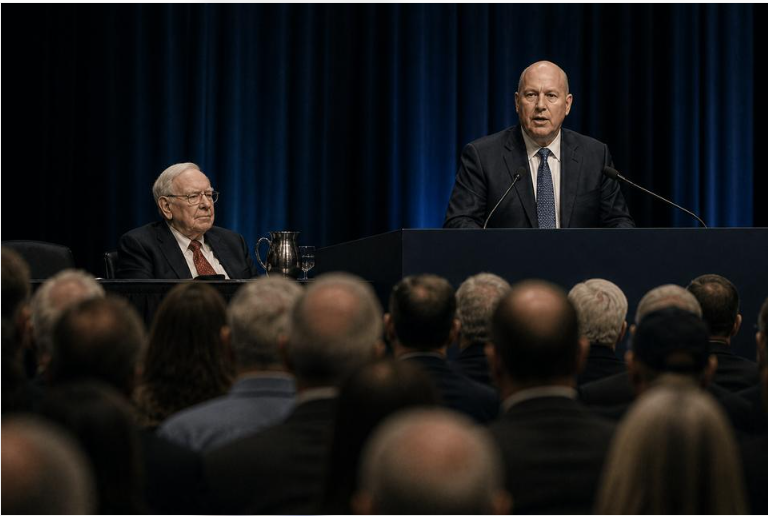
One of the most significant developments was the company’s decision to increase its share repurchases.
Berkshire bought back $9.6 billion of stock in the third quarter, compared with approximately $4.8 billion during the first six months of 2026. Reuters also reported that the company repurchased roughly $2 billion more in October.
Share buybacks allow companies to reduce the number of shares outstanding, potentially increasing the ownership percentage and earnings attributable to remaining shareholders.
For Berkshire, the decision is particularly important because the company has accumulated substantial financial resources over several years.
Under Buffett, Berkshire frequently preferred holding cash rather than pursuing acquisitions or repurchasing shares at prices it considered unattractive.
Abel’s willingness to increase repurchases suggests a more active approach to deploying capital, although it does not necessarily represent a complete departure from Berkshire’s longstanding investment principles.
Insurance Weakness Weighs on Earnings
Berkshire’s insurance businesses were a major contributor to the decline in operating profit.
Insurance underwriting earnings fell from approximately $2.37 billion in the third quarter of 2025 to $1.35 billion in the corresponding period of 2026, a decline of about 43%.

Geico, Berkshire’s major automobile insurance business, experienced pressure from higher claims expenses and efforts to attract additional customers.
The insurer’s underwriting profit fell to approximately $982 million from $1.77 billion a year earlier.
Insurance remains central to Berkshire’s business model because premiums collected before claims are paid generate funds that can be invested across the conglomerate.
Consequently, weakening underwriting performance is important not only for immediate profitability but also for the long-term financial strength of Berkshire’s investment operations.
Railroads and Energy Provide Support
While insurance earnings declined, several other Berkshire businesses delivered stronger results.
BNSF Railway reported third-quarter earnings of approximately $1.73 billion, an increase of 19% from the previous year.
Berkshire Hathaway Energy also recorded an improvement, with earnings rising approximately 8% to $1.61 billion.
Manufacturing, service and retail operations collectively generated approximately $4.04 billion in operating earnings, compared with $3.62 billion a year earlier.
These results demonstrate the importance of Berkshire’s diversified structure.
Its operations span insurance, rail transportation, utilities, manufacturing, retail and financial investments, allowing stronger divisions to offset weaker performance elsewhere.
What Investors Are Watching Under Greg Abel
Abel became Berkshire Hathaway’s chief executive in January 2026, succeeding Buffett after decades of leadership that transformed the company into one of the world’s largest conglomerates.
The leadership transition has placed greater attention on Berkshire’s capital allocation decisions.
Investors are examining whether the company will continue accumulating large cash reserves, pursue major acquisitions or increase the amount of capital returned through share repurchases.
Another important consideration is the performance of Berkshire’s operating businesses.
Although investment gains and losses can cause substantial fluctuations in reported net earnings, operating profit offers a clearer picture of the performance of its underlying companies.
The latest results suggest that Berkshire’s industrial and infrastructure businesses remain relatively resilient, even as insurance profitability faces pressure.
THE ABE TAKE
Berkshire Hathaway’s latest results illustrate an important distinction between financial strength and operating performance.
A company can possess substantial financial resources while individual divisions experience declining profitability.
The increase in share buybacks is significant because it indicates how Berkshire’s leadership is choosing to allocate capital during a period of uneven business performance.
However, repurchasing shares does not automatically create value. The financial benefit depends partly on the price paid and whether alternative investments could have generated stronger long-term returns.
For Greg Abel, the challenge is not simply preserving Warren Buffett’s legacy. It is demonstrating that Berkshire can continue making disciplined investment decisions while improving the performance of its operating businesses.
The coming quarters will provide a clearer indication of whether Berkshire’s increased capital deployment can deliver lasting benefits to shareholders.
ABE MAGAZINE
Understand More. Think Bigger.