





November 17, 2026
By ABE Editorial Desk
An allegation involving a railway built to carry Mongolian coal toward China has triggered a crisis at the highest level of government. President Ukhnaa Khurelsukh says he will step down and face investigation, while denying that he accepted illicit payments. The controversy reaches beyond one political career, raising difficult questions about public contracts, resource wealth and the institutions responsible for holding powerful officials accountable.
A railway intended to strengthen Mongolia’s economy has become the centre of a political scandal threatening its presidency.
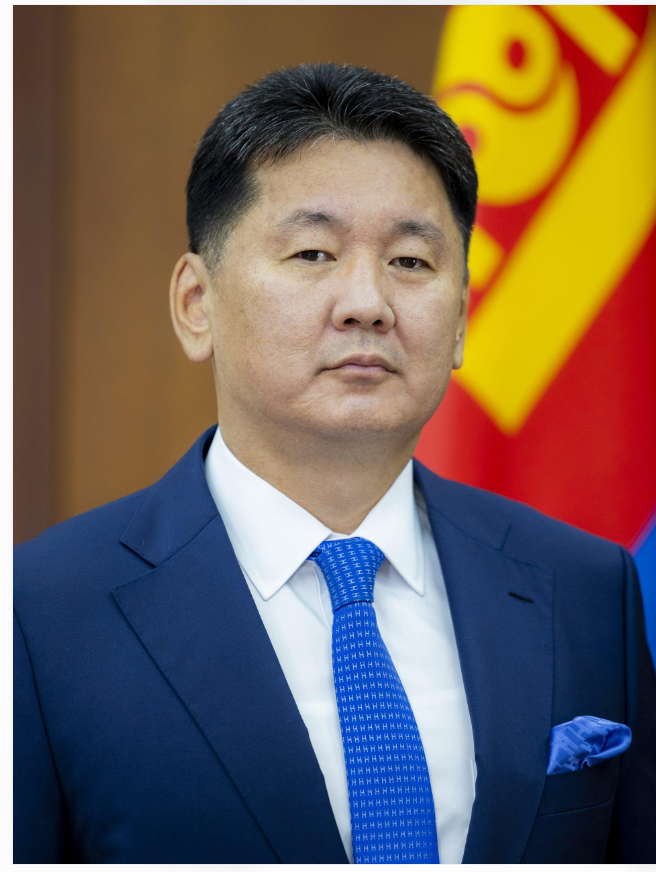
On November 17, President Ukhnaa Khurelsukh announced that he would relinquish his duties following allegations that he received $25 million in improper payments connected to a government railway project awarded in 2019.
The president rejected the accusations and said he would cooperate with investigators. His resignation requires approval from Mongolia’s parliament, meaning the announcement does not itself remove him from office.
The controversy concerns the Tavantolgoi–Gashuunsukhait railway, a strategic transport project connecting Mongolia’s coal-producing region with the Chinese border.
What began as allegations over a public infrastructure contract has developed into a wider confrontation involving the ruling party, opposition lawmakers and senior government officials.
For Mongolia, a resource-rich democracy positioned between Russia and China, the stakes extend beyond the immediate political crisis.
The central question is whether the country’s institutions can establish the facts independently and restore confidence in the management of public resources.
A Presidential Resignation Announcement Shakes Ulaanbaatar
Khurelsukh’s announcement followed accusations from Nyambaatar Khishgee, a former mayor of Ulaanbaatar and a member of a rival faction within the ruling Mongolian People’s Party.
Nyambaatar alleged that the president benefited financially from a railway contract awarded during his tenure as prime minister.
The accusation involves an alleged $25 million payment and questions about how the government selected the project’s contractor.
The opposition Democratic Party subsequently called for the president to step aside so authorities could investigate.
Khurelsukh responded in a public address, rejecting the allegations and presenting his decision as an effort to defend his reputation.
He maintained that he had not stolen from the Mongolian people or the state.
His statement also indicated that he intended to challenge those he accused of defaming him.
The allegations have not been established as proven misconduct.
Investigators must determine whether improper payments occurred, whether procurement rules were violated and whether any officials bear legal responsibility.
Those distinctions are essential. A political accusation, even one serious enough to prompt a resignation announcement, is not equivalent to a judicial finding.
The Railway Contract at the Centre of the Allegations
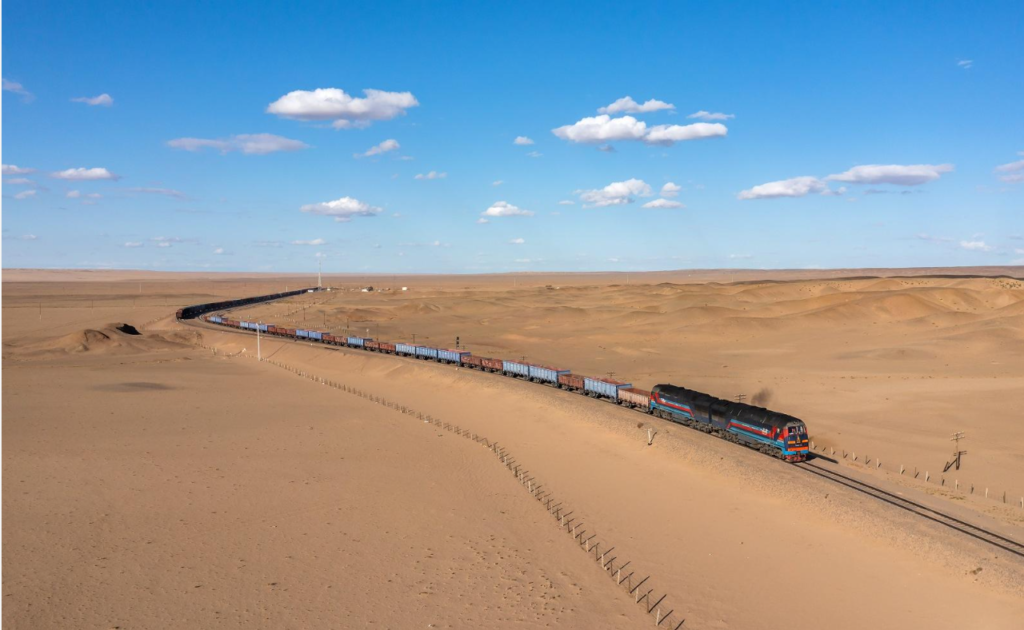
The disputed project is the Tavantolgoi–Gashuunsukhait railway.
The route is economically significant because it connects Mongolia’s coal-producing region with the Chinese border.
Mongolia relies heavily on mineral exports, and China represents a crucial destination for its coal.
Rail infrastructure can improve transportation efficiency, reduce dependence on road freight and support larger export volumes.
That makes decisions about railway construction commercially important.
The allegations concern a contract awarded in 2019 to Bodi International LLC, one of Mongolia’s major business groups.
Nyambaatar alleges that the contract was awarded without competitive bidding and that senior officials received improper financial benefits.
Bodi International has rejected the allegations.
The company said it had not paid cash bribes to senior government officials or civil servants and described the accusations as defamatory.
Its denial is a significant part of the story because the claims involve both public officials and a private contractor.
An investigation will need to examine the procurement process, contractual arrangements, financial transactions and any available evidence of improper influence.
The existence of a large public contract does not, by itself, demonstrate corruption.
Why Mongolia’s Resource Wealth Makes the Case Significant
Mongolia possesses substantial mineral resources, including coal, copper and gold.
These industries provide export revenue and attract investment, but they also create difficult governance challenges.
Large resource projects often involve valuable licences, infrastructure contracts and long-term commercial agreements.
Government decisions can determine which companies gain access to these opportunities.
When public oversight is weak, such arrangements may become vulnerable to favouritism, conflicts of interest or misuse of public funds.
The railway controversy illustrates why transparency matters.
A major transport project should deliver economic benefits through improved logistics and stronger export capacity.
However, public confidence can deteriorate when citizens believe politically connected individuals may have benefited unfairly from the contracting process.
That concern is particularly important in countries where resource wealth plays a substantial role in national development.
Citizens need confidence that revenue generated from natural resources supports infrastructure, public services and long-term prosperity.
The allegations against Mongolia’s president remain unproven. Nevertheless, the dispute has reopened broader questions about how the country manages valuable state-backed projects.
Political Divisions Deepen Within the Ruling Party
The crisis has exposed tensions inside Mongolia’s political establishment.
Nyambaatar, the politician who raised the allegations, belongs to the same ruling party as Khurelsukh but represents a different faction.
That distinction matters.
The dispute is not simply a confrontation between the government and its parliamentary opposition.
It also reflects disagreements within the Mongolian People’s Party, which has dominated national politics in recent years.
The Democratic Party has used the controversy to demand greater accountability.
Its lawmakers have called for investigations into alleged corruption involving senior officials and state-linked economic activities.
Two additional officials named in the accusations have also announced plans to resign.
They are Deputy Minister of Justice and Home Affairs Munkh-Erdene Dembereltseren and Cabinet Secretariat head Enkhbayar Battumur.
Their announcements increase the political significance of the allegations, although they do not establish wrongdoing.
Mongolia has already experienced substantial government instability.
Three prime ministers have taken office within nine months, reflecting persistent political tensions.
The latest crisis could intensify those divisions unless the country’s institutions provide a credible process for resolving the allegations.
Parliament Must Decide What Happens Next
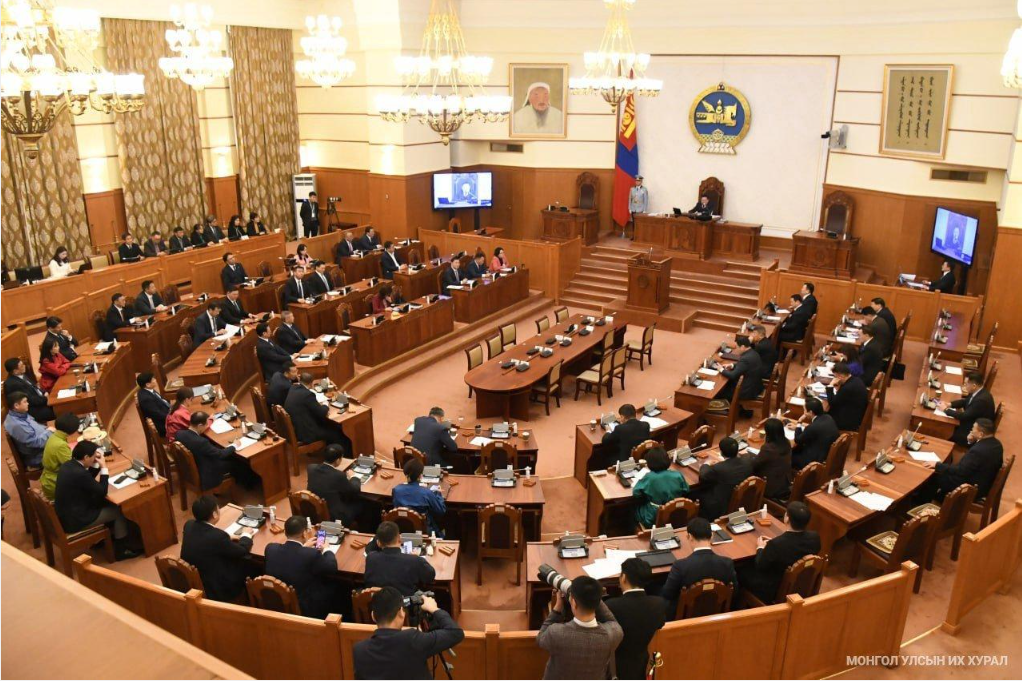
Despite the president’s announcement, Mongolia’s political transition is not yet complete.
The country’s 126-member parliament, known as the State Great Khural, must approve his resignation.
Lawmakers are expected to consider the matter later this week.
If parliament accepts the resignation, its speaker would assume the presidency on an interim basis.
This constitutional process matters because it separates a public declaration from the legal transfer of authority.
It also provides an important test of institutional stability.
Political uncertainty can create pressure on governments to act quickly, particularly when allegations attract widespread public attention.
However, a credible response requires established procedures.
Parliament must address the resignation while ensuring that any investigation follows applicable law.
Authorities will also need to distinguish legitimate scrutiny from political retaliation.
A resignation may change the political landscape, but it does not resolve the underlying factual questions.
Why Investors and Mongolia’s Trading Partners Should Pay Attention
Mongolia’s economic position gives the controversy international relevance.
The country lies between Russia and China and depends significantly on mineral exports.
Railways, border infrastructure and mining investments are therefore central to its economic development.
Political instability can complicate long-term investment decisions.
Companies considering major projects need confidence that contracts will be administered consistently and disputes resolved through predictable legal processes.
Concerns about procurement transparency may also influence the perceived risks of working with state institutions.
However, the president’s announcement does not automatically mean that Mongolia’s export operations or existing infrastructure projects will be disrupted.
No such outcome has been established by the resignation announcement itself.
The immediate economic question is whether the government can maintain continuity while addressing the allegations.
A transparent investigation could strengthen institutional credibility.
Conversely, prolonged factional conflict or an investigation perceived as politically manipulated could weaken public and investor confidence.
THE ABE TAKE
Mongolia’s presidential crisis reveals a challenge faced by many resource-rich economies: valuable natural resources do not automatically produce strong institutions.
Coal exports and infrastructure investment can generate substantial economic opportunities.
Yet the public benefits depend on how governments award contracts, supervise projects and manage the revenues associated with them.
The allegations surrounding the Tavantolgoi–Gashuunsukhait railway strike at the intersection of political authority and economic opportunity.
The president has denied wrongdoing, and the accusations require independent examination.
That principle must remain central to any credible reporting on the case.
At the same time, Khurelsukh’s willingness to step aside does not settle the matter.
Mongolia’s institutions must establish whether the allegations have merit, determine whether procurement rules were followed and ensure that accountability does not depend on political affiliation.
For investors, the outcome will provide a measure of the country’s institutional reliability.
For Mongolian citizens, the stakes are more fundamental.
They concern whether national resources and public infrastructure are managed for the benefit of the population rather than privileged interests.
The most important result will not simply be whether one president leaves office.
It will be whether Mongolia demonstrates that its institutions can investigate powerful individuals fairly, protect due process and maintain public trust.
A resignation can change a government. Only credible accountability can strengthen the system behind it.
ABE MAGAZINE
Understand More. Think Bigger.