






November 17, 2026
By ABE Editorial Desk
Canada is attempting something economically necessary but politically delicate: reducing its dependence on the United States while rebuilding commercial ties with China. A new agreement between Prime Minister Mark Carney and President Xi Jinping offers Canadian exporters additional access to the Chinese market. Yet behind the tariff concessions lies a larger question about how middle powers navigate an increasingly divided global economy.
For decades, Canada’s economic geography has shaped its political choices. The United States sits immediately across its southern border, purchases a dominant share of Canadian exports and remains deeply integrated into Canadian manufacturing, energy and investment.
That relationship has generated enormous economic advantages. It has also created a vulnerability: when Washington changes its trade policies, Canadian businesses can feel the consequences almost immediately.
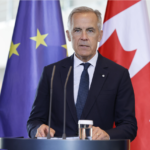
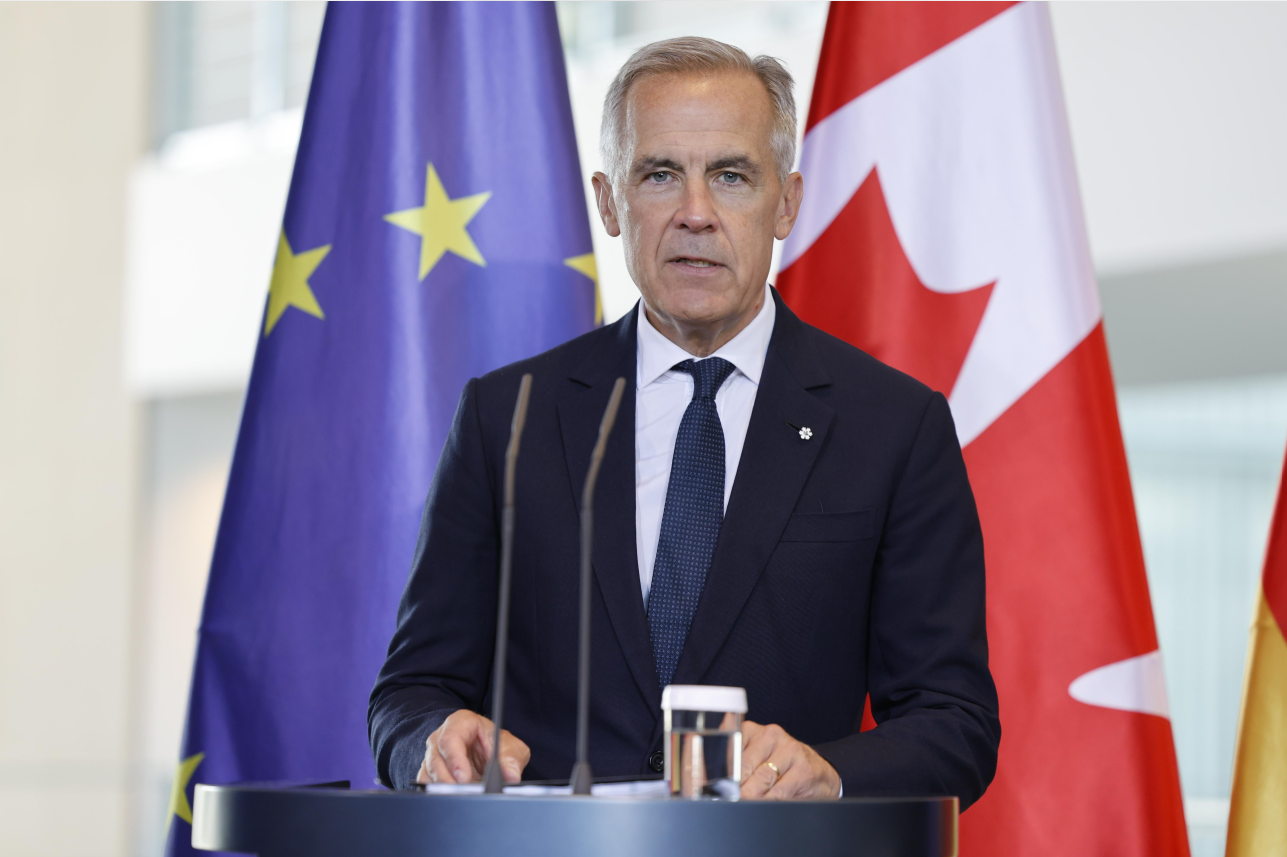
On November 17, 2026, Prime Minister Mark Carney took another step toward reducing that exposure.
Meeting Chinese President Xi Jinping in Shenzhen ahead of the Asia-Pacific Economic Cooperation summit, Carney secured expanded tariff relief for approximately C$400 million worth of Canadian agricultural and seafood exports.
Canada, in return, agreed to extend and broaden existing tariff exemptions covering selected Chinese steel and aluminium products.
The agreement does not fundamentally alter Canada’s dependence on the American market. However, it demonstrates a significant change in Ottawa’s economic diplomacy.
Canada is increasingly treating trade diversification as a strategic necessity rather than a distant policy ambition.
A New Agreement With Immediate Commercial Implications
The latest Canada-China trade agreement extends a preliminary arrangement until December 2028.
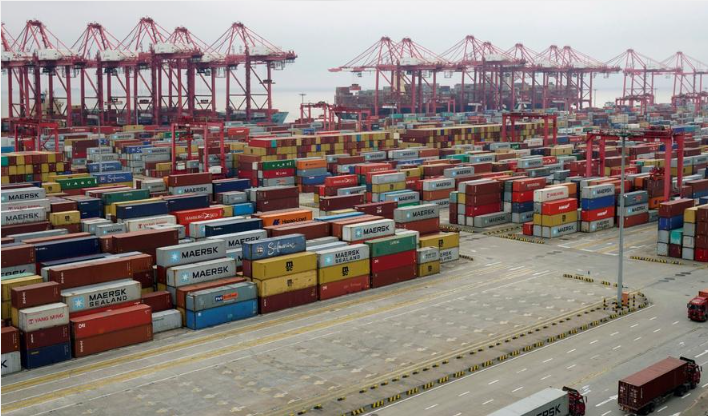
According to the Canadian government, China will provide additional tariff relief for Canadian products including frozen pork, shrimp, prawns, geoduck, sea cucumbers and Greenland halibut.
The affected exports are valued at approximately C$400 million.
The agreement follows earlier measures that reduced trade barriers for Canadian canola and other agricultural products.
In exchange, Canada will extend existing tariff-remission measures for certain Chinese steel and aluminium imports through the end of 2028.
Ottawa will also expand the coverage to 32 tariff items where Canadian supply is insufficient or unavailable.
These are targeted concessions, not a comprehensive free-trade agreement.
Nevertheless, they could improve market access for Canadian producers whose competitiveness has suffered under trade restrictions.
For agricultural and seafood exporters, even relatively narrow tariff reductions can influence pricing, customer relationships and long-term investment decisions.
Why Canada Is Looking Beyond Washington
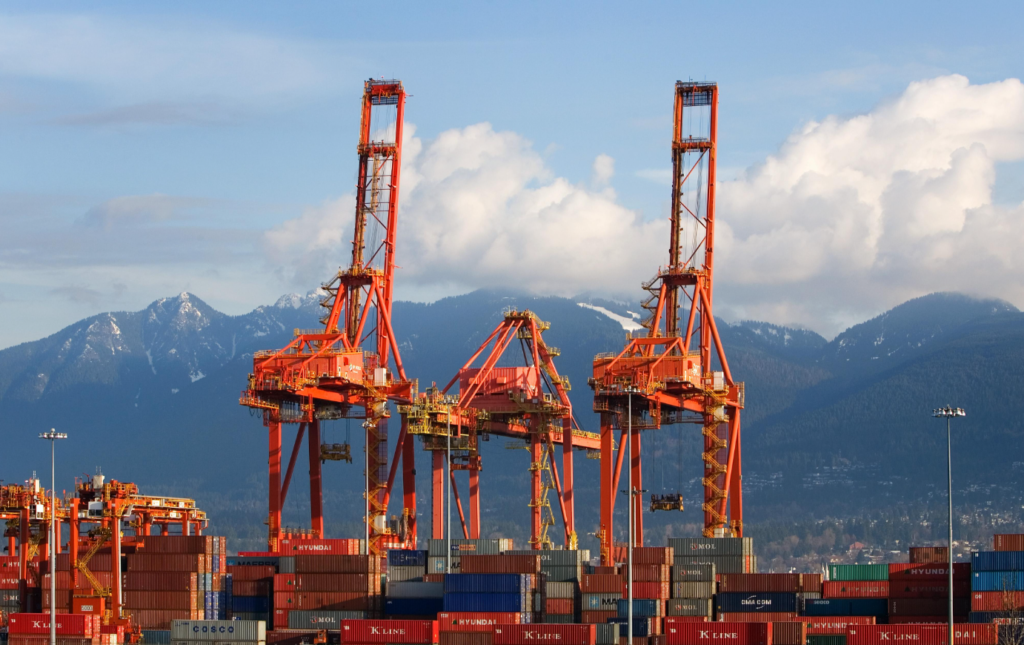
The deeper significance of the agreement lies in Canada’s relationship with the United States.
Canadian exporters have long benefited from access to the world’s largest economy. Shared infrastructure, geographic proximity and integrated supply chains have made cross-border trade exceptionally important.
However, that concentration also limits Canada’s flexibility.
American tariffs and shifting trade priorities have exposed the risks of relying heavily on a single export destination.
Carney’s government has therefore made diversification a central objective of its economic strategy.
China represents an obvious, although complicated, opportunity.
Its enormous consumer market creates demand for food, energy, natural resources and services. Canadian companies could benefit from stronger commercial relationships across these sectors.
Carney has set a goal of increasing Canadian exports to China by 50% by the end of the decade.
During his Shenzhen visit, he said Canada was ahead of schedule in pursuing that objective.
Yet increasing trade with China does not automatically reduce dependence on the United States.
The scale of Canadian-American economic integration is difficult to replicate. A successful diversification strategy will require sustained growth across several markets, not simply stronger sales to Beijing.
Canadian Farmers and Seafood Producers Stand to Benefit
Agriculture provides one of the clearest examples of the agreement’s potential impact.
China is an important international market for Canadian agricultural products. Trade restrictions can reduce export competitiveness, disrupt established relationships and leave producers searching for alternative buyers.
The latest measures cover approximately C$116 million in frozen pork exports and C$87.5 million in selected shrimp and prawn products.
Other affected exports include geoduck, sea cucumbers and Greenland halibut.
These products support businesses and employment across Canada’s agricultural and coastal communities.
Improved market access could help exporters recover customers and strengthen their negotiating position.
However, tariff relief does not guarantee additional sales.
Exporters must still compete on price, quality, transportation costs and reliability. Demand conditions in China will also influence the commercial outcome.
The agreement creates an opportunity, but businesses must convert that opportunity into sustained trade.
China Gains Economic Access and Diplomatic Influence
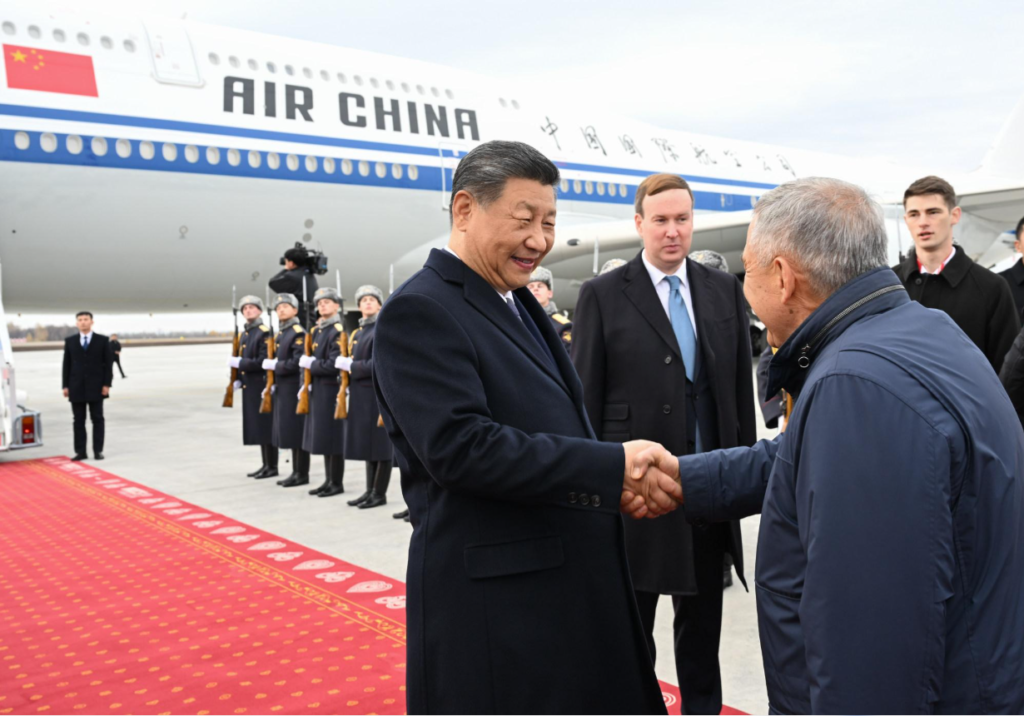
The arrangement also serves Beijing’s interests.
China has sought to strengthen economic relationships with countries that remain important American partners.
Improving ties with Canada offers an opportunity to expand commercial cooperation and demonstrate that China can maintain productive relationships across geopolitical divisions.
The steel and aluminium provisions provide Chinese suppliers with additional access to selected Canadian markets.
Both governments have also expressed interest in closer cooperation involving energy, financial services and investment.
Their discussions included progress on a bilateral currency-swap arrangement and stronger engagement between financial regulators.
These developments suggest that the relationship extends beyond agricultural trade.
For Beijing, stronger economic links with Ottawa could support a broader diplomatic objective: encouraging countries to pursue commercial relationships that are not determined exclusively by Washington’s priorities.
For Canada, the challenge is to obtain economic benefits without compromising its own strategic independence.
The Security and Human Rights Questions Remain
Closer commercial ties do not erase the political tensions between Canada and China.
Canadian security concerns include allegations of foreign interference, the protection of sensitive technology and the risks associated with strategic infrastructure.
Human rights organisations have also criticised Beijing over political repression and the treatment of dissidents.
These issues remain significant even as both governments pursue stronger trade relations.
Canadian policymakers must distinguish between commercial cooperation and political alignment.
Buying and selling agricultural products does not require agreement on every security or diplomatic question.
However, deeper relationships in financial services, advanced technology and critical industries can create more complicated dependencies.
Ottawa will therefore need to determine where cooperation supports Canadian interests and where additional safeguards remain necessary.
The credibility of its strategy will depend partly on whether it can maintain those boundaries.
Trade Diversification Becomes a Global Strategic Question
Canada’s decision reflects a broader transformation in international commerce.
Governments increasingly treat supply chains, market access and investment relationships as matters of national security.
Trade policy is no longer concerned only with reducing costs and increasing exports.
It also involves managing geopolitical exposure.
Countries must decide how to maintain relationships with competing economic powers without becoming excessively dependent on either.
Canada’s approach offers an example of this balancing act.
It seeks to preserve its deeply integrated relationship with the United States while expanding opportunities elsewhere.
The challenge is that diversification carries costs.
Businesses may need new distribution networks, regulatory expertise and long-term commercial partnerships.
Governments must also manage domestic political opposition and concerns from established allies.
Successful diversification therefore requires more than diplomatic announcements. It demands infrastructure, investment and consistent policy.
What Happens After the Shenzhen Agreement?
The next test will be implementation.
Canada and China have committed to extending their trade arrangement through December 2028, with the suspension of specified Chinese tariffs scheduled to operate from January 2027.
Ottawa has also announced plans for a major trade mission to China in 2027 and further cooperation involving e-commerce.
These initiatives could create opportunities for Canadian businesses seeking customers beyond North America.
However, several questions remain unanswered.
Will tariff reductions generate meaningful increases in Canadian exports? Can businesses build lasting relationships in the Chinese market? And will Ottawa maintain sufficient safeguards around sensitive industries?
The answers will determine whether the agreement becomes a substantial economic achievement or remains a relatively limited diplomatic success.
THE ABE TAKE
The most important aspect of the Canada-China agreement is not its C$400 million value.
It is the strategic calculation behind it.
Canada has recognised that geographic proximity to the United States, while economically valuable, cannot substitute for a diversified international trade strategy.
A country that relies heavily on one market becomes vulnerable when that market changes its policies.
Yet replacing one dependency with another would not solve the underlying problem.
China offers significant commercial opportunities, but those opportunities come with geopolitical and security considerations that Canada cannot ignore.
The objective should therefore be diversification rather than realignment.
Canada’s long-term economic strength will depend on its ability to maintain productive relations with the United States while developing credible alternatives across Asia, Europe and other markets.
That requires sustained investment in trade infrastructure, competitive industries and diplomatic relationships.
The Shenzhen agreement is a step in that direction, but not proof that the strategy has succeeded.
For ABE Magazine, the larger story is about economic sovereignty in an increasingly fragmented world.
Canada is discovering that trade relationships are not merely channels for exchanging goods. They also determine how much freedom a country possesses when major powers disagree.
The real measure of Canada’s success will not be how closely it moves toward China, but how much economic independence it gains from having more choices.
ABE MAGAZINE
Understand More. Think Bigger.