



November 17, 2026
By ABE Editorial Desk
Europe’s space industry is entering a new period of consolidation. Finnish satellite operator ICEYE has launched a multibillion-euro takeover bid for Italy’s Avio. The company aims to combine satellite intelligence, rocket manufacturing and launch capabilities within one industrial group. The proposal could strengthen Europe’s technological independence while raising questions about national security, industrial ownership and the growing commercial value of space infrastructure.
Europe’s next major industrial contest may unfold hundreds of kilometres above Earth. Satellites now support communications, intelligence gathering, defence operations and essential economic activities.
On November 17, Finnish satellite operator ICEYE announced an offer to acquire Italian aerospace manufacturer Avio for approximately €2.05 billion. The proposal brings together two companies operating in different parts of the space industry. ICEYE specialises in satellite technology and intelligence, while Avio develops rocket propulsion and launch systems.
The ICEYE Avio takeover bid represents more than a potential corporate acquisition. It reflects Europe’s growing determination to control technologies essential to national security, industrial competitiveness and economic resilience.
If the transaction succeeds, the companies could create a more integrated European aerospace business. Such an organisation could develop satellites, support launch operations and deliver intelligence services.
However, shareholders and regulators must still approve the proposed transaction.
ICEYE Avio Takeover Bid: A €2 Billion Offer
ICEYE has proposed an all-cash acquisition of Avio through Iris 2, its indirectly wholly owned Italian subsidiary.
The company has offered €41 per Avio share. That represents a 21.3% premium over the closing share price on November 16. It also exceeds Avio’s three-month volume-weighted average share price by 34.8%.
The proposed transaction values Avio at approximately €2.05 billion. ICEYE intends to remove the Italian manufacturer from the Milan stock exchange if the acquisition succeeds.
The Finnish company plans to finance the purchase through available cash and debt. Meanwhile, Avio’s board has acknowledged the proposal and will evaluate its terms.
Several conditions remain outstanding. These include regulatory reviews and sufficient shareholder acceptance.
The acquisition premium illustrates how much ICEYE values Avio’s established manufacturing capabilities. Building comparable rocket and propulsion operations independently could require substantial investment and years of development.
For Europe, the proposed combination signals a possible shift toward greater industrial consolidation.
Why ICEYE Wants to Own a Rocket Manufacturer
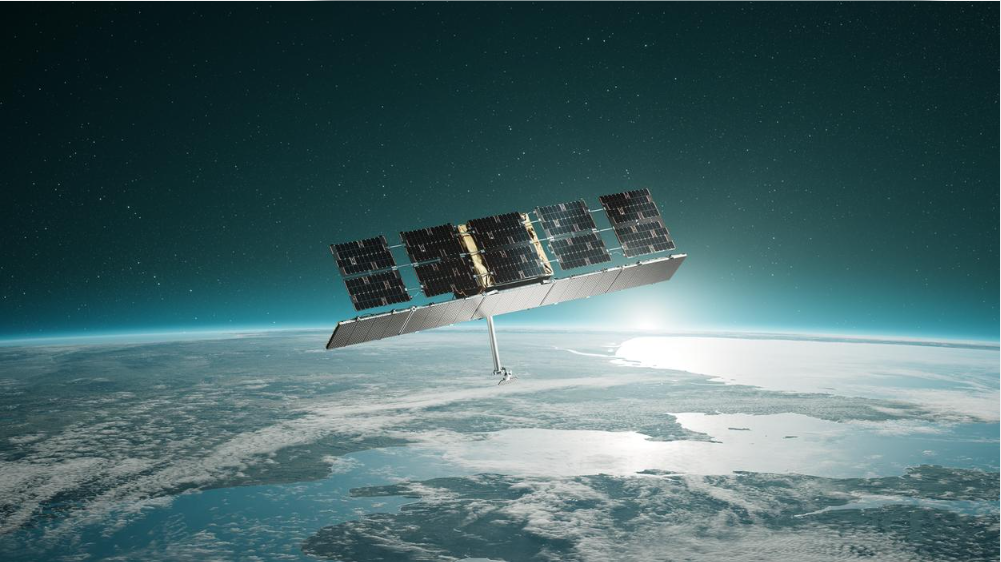
ICEYE has developed its business around synthetic aperture radar, commonly known as SAR.
This satellite technology captures detailed images of Earth’s surface during darkness and through cloud cover. Its capabilities support defence intelligence, maritime monitoring, disaster response and other applications.
The company operates a growing satellite constellation and provides intelligence services to government and commercial customers.
Avio occupies another important position in the industry.
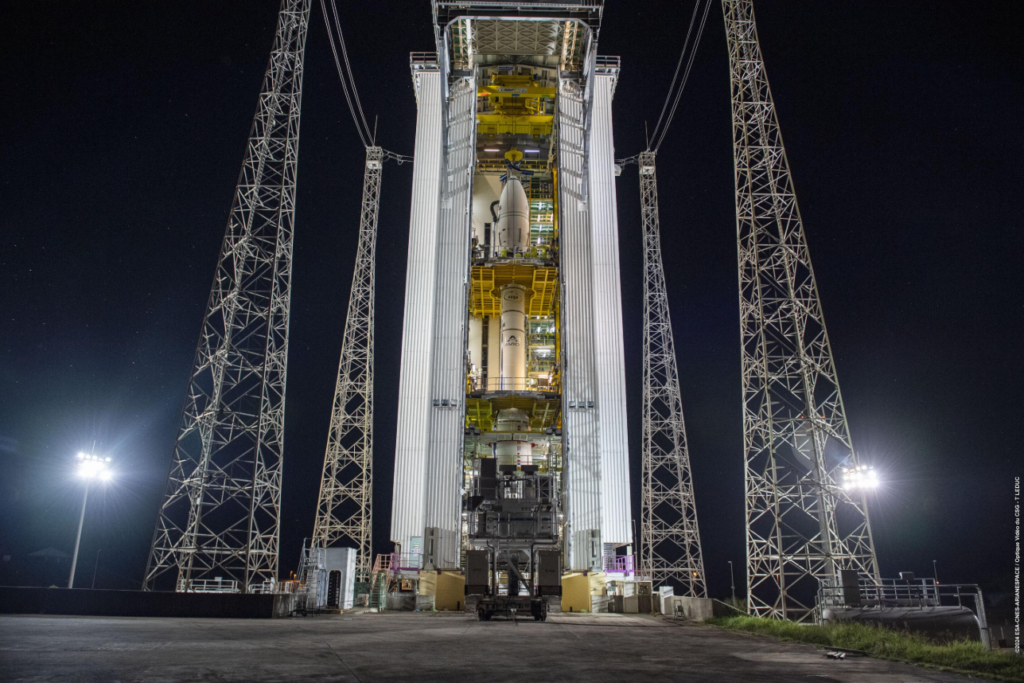
The Italian manufacturer contributes to Europe’s Vega launch programme and develops propulsion systems for space and defence applications.
Combining these capabilities could connect satellite manufacturing, intelligence services and launch-related technologies within one corporate group.
The strategic attraction is clear. Companies that depend on satellites also require reliable access to space.
Greater coordination across these activities could reduce certain operational dependencies. It might also improve production planning and help ICEYE serve customers with demanding security requirements.
However, acquiring a rocket manufacturer would not guarantee unrestricted launch access. Launch schedules, customer obligations, infrastructure availability and government regulations would still influence operations.
ICEYE must therefore demonstrate that integration can deliver meaningful commercial advantages.
Europe’s Search for Strategic Independence
European governments increasingly recognise the risks of depending on external suppliers for critical technologies.
Space infrastructure supports defence planning, communications, navigation, environmental monitoring and intelligence operations.
Governments must consider more than technological availability when purchasing these services. They also need to understand who owns the systems, controls their operations and determines access.
Europe already possesses considerable aerospace expertise. Its companies manufacture satellites, develop launch vehicles and operate advanced research facilities.
Nevertheless, industrial fragmentation can make large-scale expansion difficult. Companies often operate across different countries, regulations and specialised supply chains.
The ICEYE Avio takeover bid offers one possible response to these challenges.
By combining complementary businesses, ICEYE hopes to establish a stronger industrial position. A larger organisation could coordinate investment and compete for substantial government and commercial contracts.
Yet corporate consolidation alone cannot deliver technological independence.
Europe also needs resilient supply chains, skilled workers, reliable financing and sufficient manufacturing capacity.
The acquisition could contribute to those objectives. Its ultimate value, however, will depend on the combined company’s operational performance.
An Additional €1 Billion Investment in Italy
ICEYE has also proposed investing another €1 billion in Italy over five years following a successful acquisition.
The investment would support expanded launch capabilities and improvements to Avio’s industrial operations.
ICEYE wants to increase Vega rocket launch frequency and serve a broader range of institutional and commercial customers.
For Italy, the proposal offers opportunities for industrial development, specialised employment and continued participation in Europe’s aerospace sector.
The Finnish company has also expressed its intention to preserve Avio’s brand and Italian industrial identity. It plans to retain the existing workforce and maintain important customer relationships.
These commitments carry particular importance because Avio operates in strategically sensitive industries.
However, the additional investment remains a future commitment rather than completed expenditure.
Its economic impact will depend on how ICEYE allocates the funds and implements its expansion plans.
New facilities, additional contracts and higher production volumes could generate wider benefits for Italian suppliers.
Still, those outcomes will require sustained execution and commercial demand.
The Political Challenge of Buying a Strategic Company
Government oversight represents one of the largest uncertainties surrounding the transaction.
Italy maintains special powers to review acquisitions involving strategically important companies. These measures help protect national security and essential industrial capabilities.
Aerospace and defence businesses attract particular scrutiny because their technologies often support military and government operations.
ICEYE must therefore navigate Italy’s investment-screening procedures and other applicable regulatory requirements.
The political dimension extends beyond financial ownership.
Although ICEYE is European, the proposed acquisition would transfer control of an important Italian aerospace manufacturer to a foreign company.
Italian authorities may examine the implications for industrial sovereignty, technology access and domestic manufacturing capabilities.
Avio also maintains significant international relationships.
The company has been expanding its American presence, including plans for manufacturing operations in Virginia. It also works with major defence contractors.
ICEYE has indicated that it intends to honour existing customer commitments and continue planned US investments.
These assurances may address some concerns. Nevertheless, regulatory approval remains uncertain.
Why Defence Spending Is Changing the Space Industry
The commercial space industry once focused primarily on scientific exploration, telecommunications and satellite broadcasting.
Today, governments increasingly rely on space-based technology for defence and security.
Modern military operations use satellite imagery and communications to monitor developments across large geographical areas.
Private companies now provide services that complement government-owned systems. This creates commercial opportunities in industries previously dominated by national space agencies.
ICEYE illustrates this transformation.
Its radar satellites can observe locations despite darkness or cloud cover. Such capabilities offer practical advantages for intelligence gathering and security operations.
The company’s relationship with Ukraine demonstrates the growing relevance of commercial satellite imagery to modern defence requirements.
Acquiring Avio would extend ICEYE’s industrial activities into launch and propulsion technology.
For investors, growing government demand could create attractive long-term opportunities.
However, defence contracts also introduce risks.
Companies must navigate complex procurement procedures, strict security requirements and changing political priorities.
Government budgets can influence future revenue, while customer concentration may expose suppliers to financial uncertainty.
Successful aerospace businesses must balance these opportunities against their operational and political risks.
What the Deal Could Mean for Investors and Competitors
The proposed acquisition highlights the increasing financial importance of specialised aerospace companies.
Businesses controlling essential technologies or manufacturing capabilities can attract significant investor interest.
For ICEYE, purchasing Avio could accelerate expansion into activities that would otherwise require years of development.
Avio shareholders, meanwhile, have received an offer above the company’s previous market valuation.
Competitors may respond by pursuing partnerships, increasing investment or exploring acquisitions of their own.
However, corporate consolidation also creates financial and operational challenges.
The two companies operate in different areas of aerospace technology. Their integration would require careful coordination across management, production, engineering and customer relationships.
ICEYE’s proposed use of debt adds another consideration.
Borrowing creates financial obligations that future business performance must support.
If the expected benefits fail to materialise, the combined company could face higher costs without achieving its strategic objectives.
The transaction offers a compelling industrial opportunity. Nevertheless, commercial success will require more than completing the acquisition.
THE ABE TAKE
The ICEYE Avio takeover bid reflects an important change in Europe’s approach to strategic industries.
For decades, Europe has developed considerable technological expertise across aerospace, manufacturing and defence. However, fragmented industrial structures have sometimes limited its ability to expand rapidly.
ICEYE’s proposal suggests that private capital and corporate consolidation could help address these weaknesses.
The transaction’s most important feature is not simply its €2 billion valuation. Rather, it is the possibility of combining satellite intelligence with rocket manufacturing and launch capabilities.
Such integration could strengthen Europe’s position as governments place greater importance on space infrastructure.
Yet strategic ambition does not guarantee commercial success.
ICEYE still needs shareholder support and regulatory approval. The company must also deliver its proposed investment programme and demonstrate the benefits of combining two specialised businesses.
Europe’s broader challenge involves more than creating larger aerospace companies.
It must develop businesses capable of producing reliable technology, expanding industrial capacity and competing internationally.
National security considerations will remain central to that process.
If ICEYE succeeds, the acquisition could become an important example of European industrial integration.
If the proposal fails, the underlying challenge will remain unchanged: Europe must find ways to strengthen its space industry while protecting technological independence and national interests.
ABE MAGAZINE
Understand More. Think Bigger.