








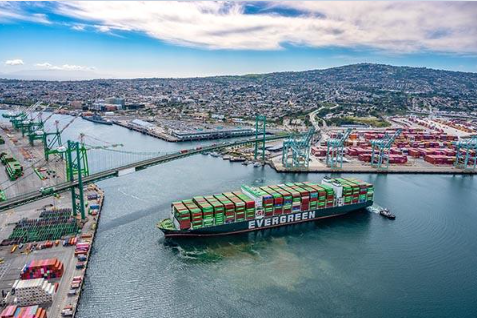
The United States has proposed new tariffs against 14 major trading partners, reopening tensions across the global manufacturing economy. Washington argues that foreign industrial policies are weakening American factories, but the measures could raise costs, disrupt investment and complicate existing trade agreements. For international businesses, another period of uncertainty may be approaching.
By ABE Editorial Desk | ABE Magazine
Wednesday, November 25, 2026
Washington Opens Another Front in Global Trade
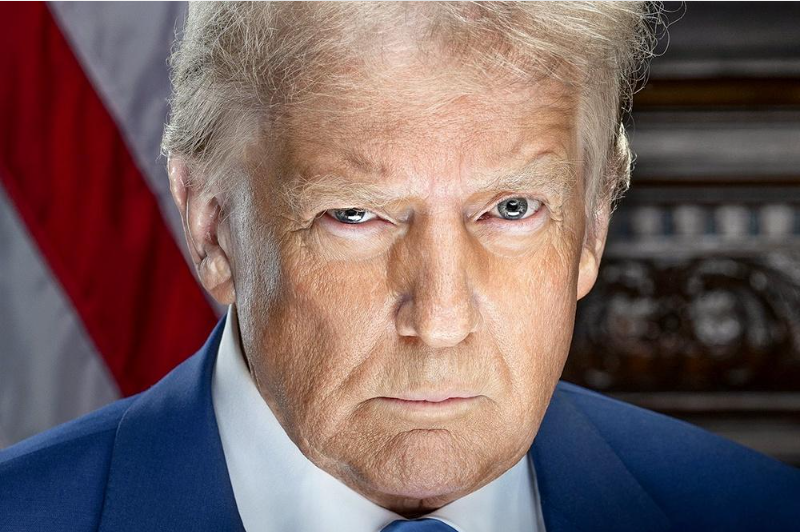
President Donald Trump’s administration has proposed a new round of tariffs against 14 major trading partners, renewing concerns about the stability of international trade. The measures follow investigations into what Washington describes as structural excess manufacturing capacity supported by government policies and other market distortions. China, the European Union, India, Japan and several Southeast Asian economies are among those targeted. Although the duties have not taken effect, the announcement introduces another source of uncertainty for manufacturers and investors.
The Office of the United States Trade Representative announced its findings on November 25 under Section 301 of the Trade Act of 1974. Officials argue that certain foreign industrial policies encourage production beyond sustainable market demand, allowing manufacturers to export goods at prices that disadvantage American competitors. The administration believes tariffs could pressure trading partners to change those practices while protecting domestic industry. However, the proposed measures also raise questions about production costs, international cooperation and the future of existing trade agreements.
Why Washington Is Targeting Industrial Overcapacity
Industrial overcapacity occurs when factories can produce substantially more goods than markets can absorb at sustainable prices. Governments may contribute to this problem through subsidies, preferential financing or policies that encourage production regardless of commercial demand. Washington argues that such practices can push lower-priced exports into international markets, placing competing manufacturers under pressure. The concern extends across industries where production capacity, investment and employment are closely connected.
The administration’s investigation began in March 2026 and examined 16 economies. After reviewing testimony and public submissions, U.S. officials issued determinations concerning 14 of them, while withholding decisions on Mexico and Norway. The investigation received nearly 140 witness testimonies and approximately 1,070 public comments. These findings provide the legal basis for the proposed trade measures, although affected governments dispute aspects of Washington’s assessment.
The economic argument is more complicated than simply identifying cheap imported products. Lower-priced imports can benefit American businesses that use foreign components, while also helping consumers purchase affordable goods. At the same time, domestic manufacturers may struggle when competitors receive substantial government support. Effective trade policy must therefore consider both industrial competitiveness and the broader costs imposed on businesses and households.
Fourteen Trading Partners Face Different Tariff Proposals
The proposed tariffs vary considerably across trading partners, reflecting existing agreements and ongoing negotiations. Under the USTR proposal, duties affecting China could reach 20% within the current bilateral arrangement, while a higher rate could become relevant if the trade truce expires. Vietnam faces a proposed rate of up to 35%, potentially reduced to 20% through an agreement. India could face rates of up to 25%, with a lower 17% rate contemplated under a negotiated arrangement.
Other economies face proposals shaped by their existing trade relationships with Washington. The European Union, Japan, South Korea, Taiwan and Switzerland are associated with proposed 15% ceilings or rates under specified conditions. Several Southeast Asian economies face proposals of up to 18%, while Singapore’s proposal could reach 20% without a new agreement. These figures are not uniform additional charges on every imported product, because existing duties, exemptions and negotiated arrangements affect their application.
The differences highlight the increasingly transactional nature of international trade negotiations. Countries with established agreements may seek assurances that previous commitments will remain valid, while others could face pressure to offer additional concessions. For manufacturers operating across several jurisdictions, these distinctions complicate purchasing decisions and long-term planning. A factory’s competitiveness may depend not only on production efficiency but also on the outcome of diplomatic negotiations.
Manufacturers Face Higher Costs and Investment Uncertainty
Tariffs can protect selected domestic producers from foreign competition, but they also create costs for businesses that depend on imported materials. American manufacturers frequently purchase components, machinery and intermediate goods from overseas suppliers. If those imports become more expensive, companies may face pressure to raise prices, accept lower margins or reorganize production. The consequences can spread through industries that were not the original targets of trade restrictions.
Uncertainty presents a separate challenge for corporate investment. Building a factory requires long-term commitments involving equipment, workers, infrastructure and financing. Businesses may hesitate to make those investments when tariff rates and trade relationships remain subject to negotiation. Even companies considering expansion in the United States must assess whether imported machinery and components will remain affordable.
The administration hopes stronger trade barriers will encourage domestic production and reduce dependence on foreign suppliers. However, manufacturing investment also depends on workforce availability, productivity, energy costs and access to technology. Tariffs alone cannot guarantee that companies will relocate production or create sustainable employment. Their effectiveness will ultimately depend on whether businesses view the United States as a competitive place to manufacture over the long term.
Trading Partners Challenge Washington’s Approach
The proposals have already generated objections from affected economies. India rejected the suggestion that it suffers from structural excess capacity, while maintaining its interest in concluding a trade agreement with Washington. Switzerland also questioned the allegations and emphasized its expectation that an existing agreement limiting tariffs to 15% would be respected. These reactions illustrate the diplomatic complications surrounding the administration’s latest initiative.
For trading partners, the dispute involves more than immediate export costs. Governments must consider how new American restrictions affect domestic industries, employment and investment. Some may seek negotiated exemptions, while others could challenge the underlying findings or consider retaliatory measures. The outcome could influence trade relationships well beyond the products directly affected.
The European Union faces a particularly sensitive situation because its relationship with Washington combines extensive trade with longstanding political cooperation. European manufacturers depend on access to American customers, while American companies rely on European suppliers and investment. Additional restrictions could complicate that relationship even if existing agreements ultimately limit the tariff burden. Maintaining predictable rules will therefore be an important priority for both sides.
The Global Economy Faces Another Test
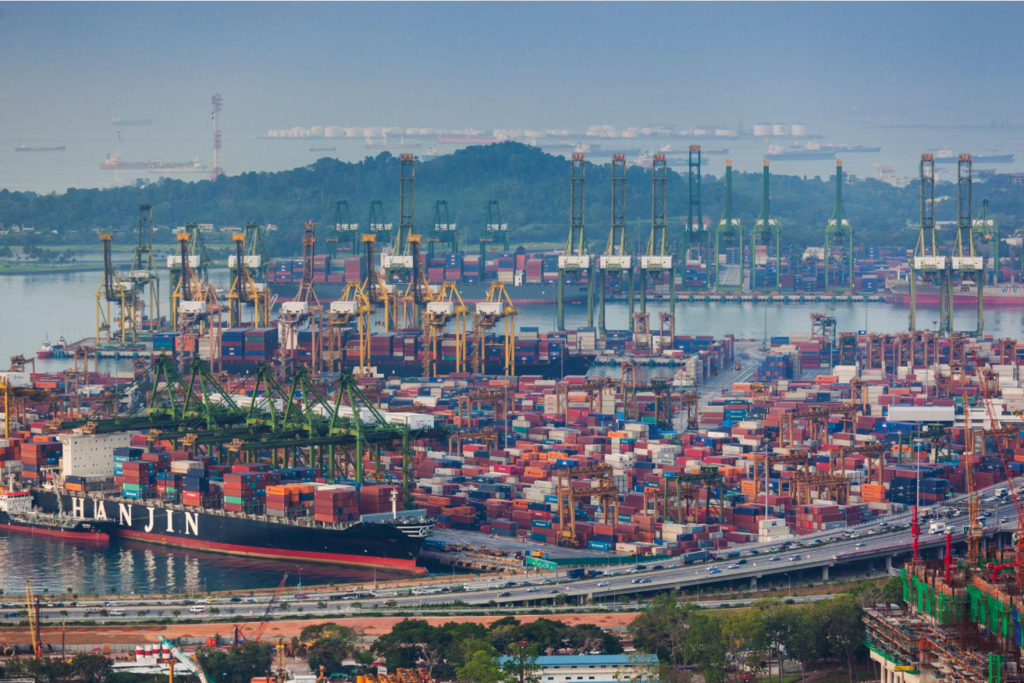
The announcement comes at a time when international businesses are already reassessing supply chains and geopolitical risks. Companies have increasingly explored alternative production locations to reduce dependence on individual countries. However, the proposed tariffs cover a broad range of major manufacturing economies, limiting the number of straightforward alternatives. Moving production from one targeted country to another may offer little protection if both face American trade restrictions.
Financial markets also reacted to renewed trade uncertainty. Reuters reported declines across major equity markets as investors assessed the potential economic consequences of the announcement. Market movements reflect several influences, but tariff concerns add to questions about corporate earnings and international demand. Businesses will now watch the consultation process closely for indications of which proposals may become final policy.
The next important stage is the public review process. Interested parties have until January 5, 2027, to submit written comments, while hearings are scheduled to begin on January 25. Those proceedings will provide manufacturers, importers and trading partners with opportunities to challenge the proposals or seek adjustments. Until final decisions are announced, the precise financial consequences remain uncertain.
THE ABE TAKE | Industrial Protection Comes With Economic Trade-Offs
Washington’s latest tariff offensive reflects a legitimate debate about the future of industrial competitiveness. Governments have reasons to examine subsidies and policies that distort international markets, particularly when they threaten domestic production. However, protecting manufacturers through tariffs can also increase costs for businesses that depend on global supply chains. The challenge is determining whether the industrial benefits outweigh those wider economic consequences.
The administration is betting that stronger trade pressure will encourage investment in American manufacturing and force trading partners to reconsider their industrial policies. Yet international companies make decisions based on more than access to one market. They evaluate political stability, labour availability, infrastructure, operating costs and the predictability of government policy. Repeated changes to trade rules can weaken confidence even when the stated objective is to strengthen domestic industry.
For the global economy, the greatest immediate risk may be prolonged uncertainty rather than the final tariff rates themselves. Businesses need reliable conditions to invest, expand and develop international partnerships. Governments also need room to negotiate without allowing commercial disagreements to escalate unnecessarily. A durable solution would address genuinely unfair industrial practices while preserving the economic benefits of international trade.
The success of Trump’s new tariff strategy will not be measured simply by how high American import duties become. It will depend on whether the measures create stronger, more competitive industries without imposing greater costs on the businesses and consumers they are intended to protect.
Understand More. Think Bigger.