







Canada is investing billions to attract world-class researchers while restricting the arrival of international students. The two policies reflect competing national priorities, but universities warn that the contradiction could weaken Canada’s position in the global competition for talent.
By ABE Editorial Desk | ABE Magazine
Wednesday, November 25, 2026
Canada’s International Education Strategy Faces a Difficult Test
Canada is attempting to achieve two ambitious objectives at the same time. Prime Minister Mark Carney’s government wants to attract leading international researchers while reducing the number of foreign students entering the country. The strategy reflects growing concerns about housing affordability, public services and the sustainability of immigration. However, universities warn that restrictions intended to restore confidence in the system may also discourage the talent Canada hopes to recruit.
A Reuters report published on November 25 highlights the growing tension between these priorities. Canada’s latest immigration plan targets 150,000 new international student arrivals annually over the next three years, compared with 292,830 arrivals in 2024. Meanwhile, the federal government has committed approximately C$1.7 billion to attracting research talent. The challenge is convincing prospective students and researchers that Canada remains welcoming despite the sharp reduction in admissions.
Why Canada Tightened Its International Student System

Canada’s international education sector expanded rapidly over the past decade, creating economic opportunities for universities, colleges and surrounding communities. International students contributed tuition revenue and supported local businesses through housing, transportation and consumer spending. However, the expansion also raised concerns about housing availability, institutional oversight and fraudulent study permit applications. Ottawa responded by introducing tighter controls intended to make the system more manageable.
The government argues that lower arrivals will help reduce pressure on public infrastructure and restore balance to temporary immigration. Immigration, Refugees and Citizenship Canada reported that new international student arrivals between January and July 2026 were 80% lower than during the corresponding period in 2024. Officials have described the new approach as more selective, emphasizing the quality and economic contribution of incoming students. The policy represents a significant change from the rapid expansion that previously characterized Canada’s international education market.
Nevertheless, the distinction between reducing numbers and discouraging talent is difficult to communicate internationally. Prospective applicants often evaluate countries based on visa certainty, educational quality and employment opportunities after graduation. Frequent policy adjustments can make long-term planning more complicated, even for students who remain eligible to apply. Canada’s challenge is therefore not simply determining how many students to admit, but ensuring that its rules remain understandable and predictable.
Universities Warn of Damage to Canada’s Reputation
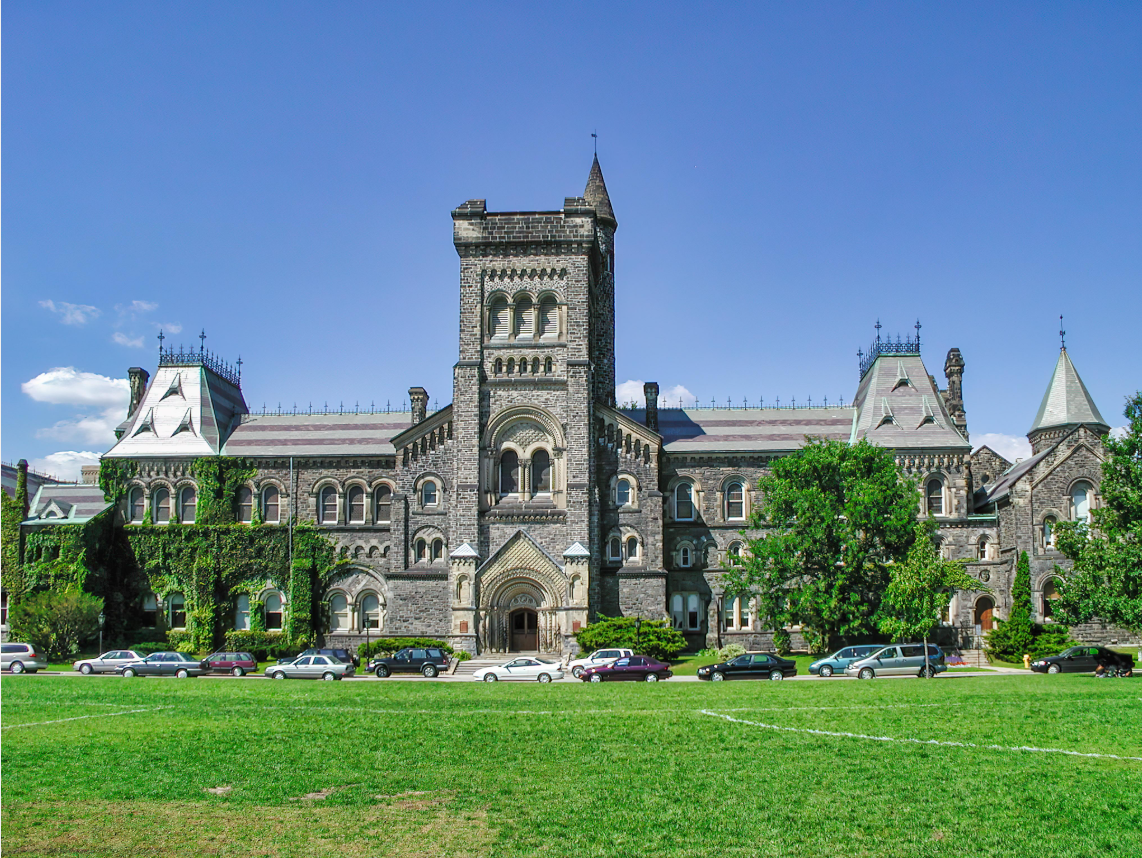
University leaders are increasingly concerned about the message Canada’s restrictions send abroad. Joseph Wong, vice-president international at the University of Toronto, told Reuters that study permit caps had damaged Canada’s reputation as an international education destination. His recruitment visits to India illustrate the difficulty universities face in explaining that Canada continues to welcome qualified applicants. The concern is particularly important because India has been a major source of international students for Canadian institutions.
The University of British Columbia has also identified uncertainty as a growing challenge. Its representatives point to federal policy changes, geopolitical tensions and increased competition among countries seeking international students. These pressures influence decisions long before prospective applicants submit their documents. Students considering several destinations may favour institutions offering clearer immigration rules and more predictable pathways.
Canada is not competing for international talent in isolation. Universities in the United States, Europe and other education markets are seeking many of the same researchers and graduate students. Funding opportunities, research facilities and professional networks all influence where talented applicants choose to study. If Canada’s immigration policies appear unpredictable, financial incentives alone may not be enough to overcome those concerns.
The Financial Consequences for Colleges

The effects of reduced international enrolment are already visible across Canada’s postsecondary education sector. Many publicly funded colleges became increasingly dependent on international tuition revenue as they expanded programs and facilities. When student arrivals declined, some institutions faced immediate financial pressure. The resulting adjustments demonstrate how immigration policy can influence employment, educational access and regional economies.
Humber Polytechnic provides a particularly striking example. According to Reuters, its international enrolment for the 2025–26 academic year fell to approximately one-third of its 2023–24 level. The institution faces a C$40 million revenue shortfall, which has contributed to program cancellations and voluntary staff exit packages. These developments show how rapidly changing enrolment patterns can disrupt institutions that had planned around stronger international demand.
The consequences may extend beyond individual campuses. Colleges support local businesses, employ instructors and administrative staff, and provide training for industries seeking qualified workers. Program reductions can affect domestic students as well as international applicants, particularly when courses become financially difficult to maintain. The longer-term challenge is developing institutional funding models that do not depend excessively on continued growth in international tuition revenue.
Carney’s Research Ambitions Create a Different Priority
While Canada restricts overall student arrivals, the government is pursuing a more targeted strategy to attract advanced research talent. Its approximately C$1.7 billion initiative aims to strengthen Canada’s research capacity and international competitiveness. The federal government has already committed more than C$625 million through newly created research funding programs, with additional recipients expected in early 2027. These investments reflect the belief that scientific expertise can support innovation, productivity and long-term economic growth.
The strategy also responds to developments in the United States. Funding cuts and uncertainty affecting some American universities have created an opportunity for other countries to recruit researchers. Canada hopes that competitive funding and a stable research environment will persuade some academics to establish their careers at Canadian institutions. However, attracting established researchers also requires strong graduate programs and a reliable pipeline of future scientists.
Ottawa has introduced exemptions and faster processing measures for certain graduate students. Master’s and doctoral students attending public institutions benefit from exemptions to important study permit cap requirements, while eligible doctoral applicants can receive expedited processing. These measures recognize that advanced research students contribute differently to the economy than the broader international student population. Yet their effectiveness depends on whether prospective applicants understand the distinctions within Canada’s increasingly complex immigration framework.
Can Canada Balance Immigration Controls and Economic Growth?
The government’s objectives are not necessarily incompatible. A country can reduce overall student arrivals while prioritizing applicants who contribute to research, innovation and sectors facing skills shortages. More selective immigration policies may also help address concerns about institutional quality and the capacity of local communities. However, achieving these benefits requires careful coordination between immigration authorities, educational institutions and economic policymakers.
Canada must also consider how research talent develops over time. Many successful researchers begin their academic careers as undergraduate students before advancing into graduate programs and specialized fields. A system that concentrates heavily on established researchers could overlook the importance of developing younger talent. Universities therefore need pathways that support both immediate recruitment priorities and long-term academic development.
The financial sustainability of educational institutions presents another challenge. Research universities may benefit from targeted federal investments, while colleges remain exposed to declining international tuition revenue. These institutions serve different purposes, but both contribute to Canada’s labour market and economic development. A successful national strategy must recognize their distinct roles rather than treating international education as a single category.
THE ABE TAKE | Canada Must Protect Its Reputation While Reforming Immigration
Canada has legitimate reasons to reconsider the scale and structure of its international student system. Housing shortages, pressure on public services and concerns about program integrity require serious policy responses. However, reducing arrivals is only one measure of success. The government must also evaluate whether its reforms strengthen educational quality, institutional stability and Canada’s international competitiveness.
The tension between immigration restrictions and research recruitment reveals a broader economic question. Canada wants to become more productive, innovative and attractive to global investment, yet those ambitions depend partly on access to international expertise. Universities and colleges contribute to that objective by educating workers, supporting research and connecting Canadian businesses with global knowledge. Policies that weaken these institutions could create costs that extend beyond the education sector.
The most effective approach would combine clear admission rules with predictable pathways for qualified applicants. Universities need confidence when recruiting internationally, while colleges require time and support to adjust their financial models. Students must also understand how different programs fit within Canada’s immigration priorities. Without that clarity, uncertainty could continue to undermine the government’s investment in attracting talent.
Canada’s challenge is not simply deciding how many international students should enter the country. It is determining which forms of international education best support its future, while preserving the trust that makes talented people choose Canada in the first place.
Understand More. Think Bigger.