






Tuesday, November 24, 2026
Jensen Huang’s return to Nvidia has shaken Wall Street. Investors welcomed the comeback with a historic rally. Nvidia’s market value surged, and technology stocks followed. Yet the excitement raises a larger question. Has the artificial intelligence industry become too dependent on one company and its founder?
By ABE Editorial Desk
A Comeback That Moved Nearly $1 Trillion
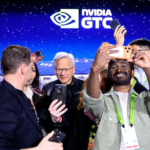
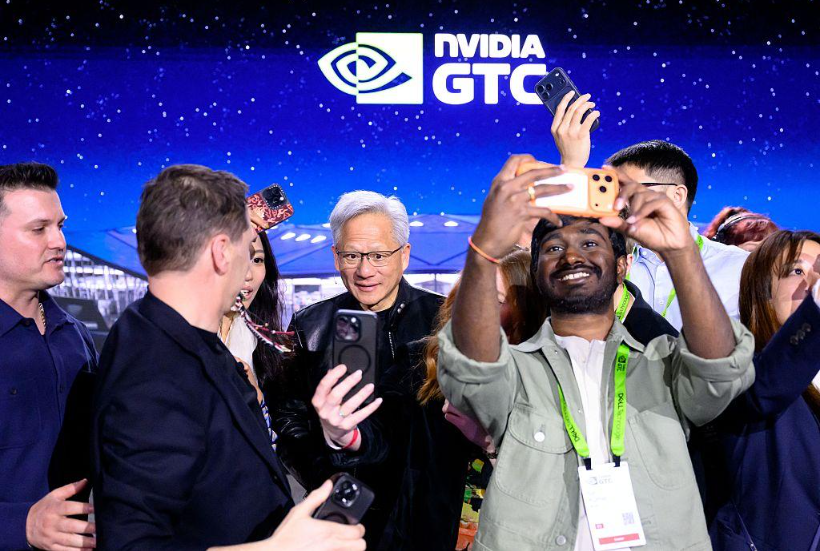
Jensen Huang returned as Nvidia’s chief executive on November 23, 2026. His reinstatement ended a period of uncertainty surrounding the company’s leadership. Investors responded almost immediately.
Nvidia shares surged 31.5% during the trading session. The rally added approximately $952 billion to the company’s market value. It was Nvidia’s largest single-day percentage gain since 2003.
The impact spread across Wall Street. The S&P 500 gained 4.7%, while the Nasdaq-100 rose 6.5%. Other companies linked to artificial intelligence also benefited.
The rally reflected renewed confidence in Nvidia’s leadership. However, it also exposed the company’s enormous influence over financial markets.
Why Jensen Huang Matters to Nvidia
Huang is more than Nvidia’s chief executive. He co-founded the company in 1993. He also led its transformation into a major supplier of artificial intelligence technology.
Nvidia initially became successful through graphics processors. Over time, those processors became essential for advanced computing. Today, its technology powers many of the world’s leading AI systems.
Huang played a central role in that transformation. He helped shape Nvidia’s strategy and build relationships with major technology companies. His leadership became closely associated with the company’s success.
His departure on November 12 created uncertainty. Investors questioned whether Nvidia could maintain its momentum without him. Interim chief executive Colette Kress provided continuity during the transition.
Huang’s return helped restore confidence. However, the reaction also highlighted Nvidia’s dependence on its founder.
The Controversy Behind His Return
Huang’s comeback followed a difficult period for Nvidia. Reports about his personal conduct had raised questions about corporate governance. The controversy also attracted attention from American policymakers.
Some reports raised concerns about possible national-security implications. Those concerns were allegations, not established findings of wrongdoing by Huang.
Nvidia’s board initially decided against his return. Directors cited concerns about corporate standards and oversight.
The decision was later reversed. President Donald Trump and other administration officials reportedly supported Huang’s reinstatement. The board subsequently concluded that his return did not present a national-security risk.
The reversal attracted criticism from lawmakers. Questions emerged about the board’s independence and its decision-making process.
These concerns matter because Nvidia operates in a sensitive industry. Its advanced processors are important to both commercial technology and national security.
Why Wall Street Reacted So Strongly
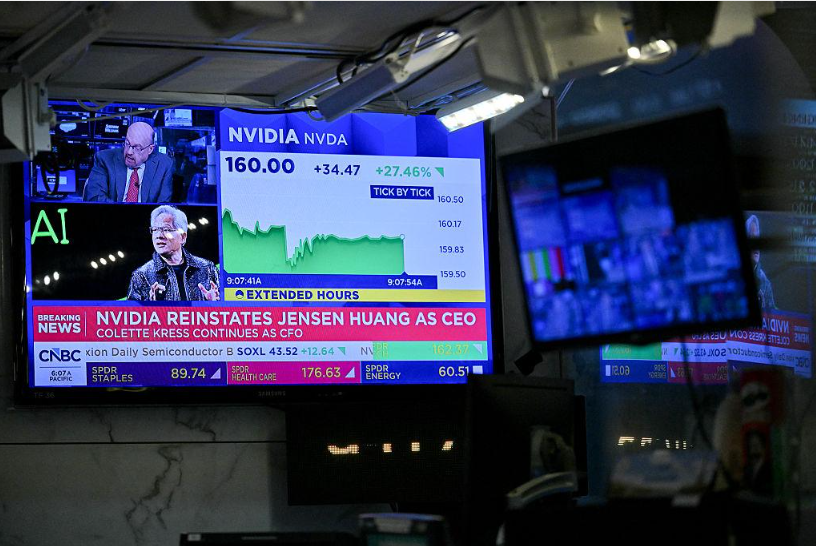
The rally was not simply a celebration of Huang’s return. It reflected Nvidia’s central position in the artificial intelligence industry.
Major technology companies are investing heavily in AI infrastructure. Much of that spending supports Nvidia’s processors and computing systems.
These investments connect Nvidia to a wide network of businesses. Cloud providers, semiconductor manufacturers and data-centre operators all benefit from AI expansion.
Investors therefore view Nvidia as an important indicator of the industry’s direction.
Huang’s return reduced concerns about leadership disruption. That encouraged buying across technology stocks.
However, his reinstatement did not immediately increase Nvidia’s revenue. It did not create new products or generate additional profits overnight.
Instead, investors changed their assessment of the company’s future risks. The enormous rally showed how strongly market valuations depend on expectations.
Has Wall Street Become Too Dependent on Nvidia?
Nvidia has become one of the most influential companies in American financial markets. Its shares carry significant weight in major stock indexes.
When Nvidia performs well, it can support broader market gains. When its shares decline, the effects can spread across technology stocks.
This creates a concentration risk for investors.
Many investment funds hold Nvidia alongside other major technology companies. Those businesses may also depend on the same AI spending cycle.
As a result, investors can face similar risks across several holdings.
The events surrounding Huang’s departure and return illustrate this problem. A leadership crisis at one company influenced the wider stock market.
The episode raises questions about the resilience of an increasingly AI-driven market.
Why the Rally May Not Last
Huang’s return did not eliminate Nvidia’s challenges. Investors still face uncertainty about technology demand, regulation and corporate governance.
On November 24, Nvidia shares declined approximately 5.2% in premarket trading. The decline suggested that investors were reassessing the previous day’s enthusiasm.
The company also faces restrictions on exporting advanced processors to China. These measures could affect future sales in an important international market.
Meanwhile, Nvidia’s customers continue spending heavily on AI infrastructure. They must eventually generate enough revenue to justify those investments.
If demand weakens, companies may reconsider their spending plans. That could affect Nvidia and other businesses connected to the AI industry.
Huang’s leadership may provide stability. However, it cannot remove every risk facing the company.
Nvidia’s Corporate Governance Faces a Test
The leadership reversal has created another important debate. How much should a major corporation depend on one individual?
Boards of directors are responsible for overseeing management. They must also protect shareholders’ long-term interests.
That responsibility becomes more difficult when a founder is closely associated with a company’s identity.
Nvidia’s board faced this challenge during Huang’s departure. Its initial decision created uncertainty among investors.
His reinstatement helped restore confidence. However, it also raised questions about the board’s independence.
Government involvement added another complication. Public officials have legitimate interests in technology and national security. Corporate leadership decisions must still follow credible governance procedures.
Nvidia must now demonstrate that its institutions remain strong. That includes clear oversight, compliance and succession planning.
THE ABE TAKE | Nvidia’s Comeback Reveals Wall Street’s AI Dependence
Jensen Huang’s return is important for Nvidia. It restores the executive who helped build the company’s technological leadership.
For Wall Street, the implications are broader.
The dramatic rally revealed how much investor confidence depends on Nvidia. The company’s influence extends across artificial intelligence, cloud computing and semiconductor manufacturing.
However, that influence creates risks.
Strong technology demand supports Nvidia’s growth. Yet investors must also consider corporate governance, export restrictions and changing market expectations.
Huang’s return may strengthen confidence in the company’s strategy. It does not guarantee continued stock-market gains.
Nvidia must still deliver strong financial results. Its customers must also prove that their AI investments can generate sustainable returns.
The biggest lesson is not that Jensen Huang can rescue a market rally. It is that Wall Street has become deeply dependent on Nvidia’s stability and future success.
ABE MAGAZINE
Understand More. Think Bigger.