








Black Friday is one of the busiest shopping periods of the year. Retailers are preparing for millions of transactions, but cybercriminals are also looking for opportunities. As ransomware attacks become more sophisticated, businesses face growing financial and operational risks. The consequences could extend far beyond lost sales.
By ABE Editorial Desk | ABE Magazine
Wednesday, November 25, 2026
A Shopping Boom With a Hidden Risk
Black Friday is approaching, and retailers are preparing for another surge in consumer spending. Businesses are increasing inventory, expanding delivery operations and strengthening their online platforms to manage demand. However, the shopping season also creates opportunities for cybercriminals who target companies during periods of intense activity. A Reuters investigation published on November 25 highlights the growing threat of ransomware and other digital attacks against retailers.
The financial risks are becoming difficult to ignore. According to cyber insurer CFC, ransomware attacks against retail, leisure and hospitality businesses occur 50% more frequently in November than their monthly average. These incidents can interrupt payment systems, delay deliveries and prevent customers from completing purchases. For businesses operating on narrow margins, even a temporary disruption can create substantial losses and damage customer confidence.
Why Black Friday Attracts Cybercriminals
Cybercriminals often target businesses during periods of intense activity. Black Friday creates these conditions as retailers process large numbers of transactions and manage growing customer demand. Websites experience heavier traffic, while employees handle increased orders and customer inquiries. This pressure can make suspicious activity harder to detect and security problems more difficult to resolve.
Attackers may exploit weaknesses in company systems or use fraudulent messages to obtain sensitive information. Ransomware presents a particularly serious threat because it can prevent businesses from accessing essential systems. Criminals may then demand payment in exchange for restoring access. The damage can continue long after operations resume, especially when customer information or business records have been compromised.
Artificial Intelligence Is Changing Cybercrime
Artificial intelligence is changing how cybercriminals identify and exploit security weaknesses. Attackers can use automated tools to create convincing fraudulent messages and imitate legitimate businesses. These technologies may also reduce the time needed to discover vulnerable systems. As a result, retailers must respond to threats more quickly while maintaining their normal operations.
Francisco Donoso, chief product and technology officer at Beazley Security, told Reuters that the number of vulnerabilities being exposed was almost six times higher than a year earlier. This finding illustrates the growing pressure on cybersecurity teams, although it does not mean successful attacks have increased sixfold. Companies must identify weaknesses and address them before criminals can exploit them. However, limited budgets and staffing shortages can make that process difficult.
Artificial intelligence can also improve cybersecurity. Retailers can use automated monitoring tools to identify unusual activity and investigate potential threats. These systems can support security teams that must process large amounts of information. The challenge is ensuring that defensive technology develops quickly enough to respond to increasingly sophisticated attacks.
Many Retailers Remain Financially Unprotected
Despite the growing risks, many retailers lack financial protection against cyber incidents. CFC data reported by Reuters shows that only 43% of small and medium-sized retailers carry cyber insurance. That compares with 81% of financial services businesses and 71% of technology companies. The difference highlights a significant gap in how industries prepare for digital disruption.
For smaller retailers, cybersecurity spending competes with other business priorities. Owners must manage wages, inventory, rent and marketing while maintaining enough cash to operate. Insurance premiums and security upgrades can appear difficult to justify when an attack has not occurred. However, businesses without adequate protection may struggle to absorb the financial consequences of a serious incident.
Cyber insurance can help cover certain recovery expenses and business interruption losses. Nevertheless, protection depends on the terms and exclusions of each policy. Insurance cannot prevent an attack or guarantee that operations will resume immediately. Retailers therefore need financial protection alongside effective security controls and recovery planning.
The Financial Damage Can Extend Beyond Lost Sales
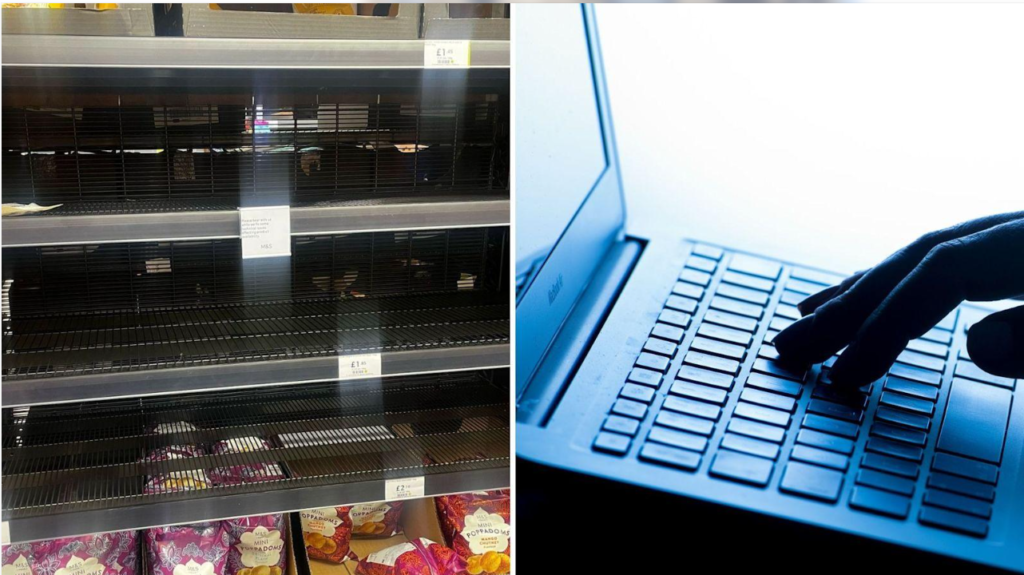
A serious cyberattack can create expenses long after a retailer restores its systems. Businesses may need to investigate the breach, repair technology and strengthen security measures. They may also face legal expenses, regulatory scrutiny and declining customer confidence. These consequences can affect profitability and limit future investment.
Target’s 2013 data breach provides an example of the potential financial damage. The American retailer reported cumulative net expenses of $202 million following the incident. The attack compromised information associated with at least 40 million payment cards. Although the breach occurred more than a decade ago, it demonstrates how cybersecurity failures can create substantial long-term costs.
Recent research suggests that ransomware recovery remains expensive. Sophos surveyed 217 retail organizations that had experienced ransomware attacks during the preceding year. Its 2026 report found that average recovery costs reached $1.76 million, excluding ransom payments. That represented an increase from $1.65 million in the previous year’s report.
The financial implications extend beyond individual companies. Retailers facing major recovery expenses may delay expansion, reduce investment or reconsider staffing plans. Smaller businesses could experience serious cash-flow pressure following an unexpected disruption. Cybersecurity has therefore become an important part of financial planning and business continuity.
Retail Supply Chains Face Growing Risks
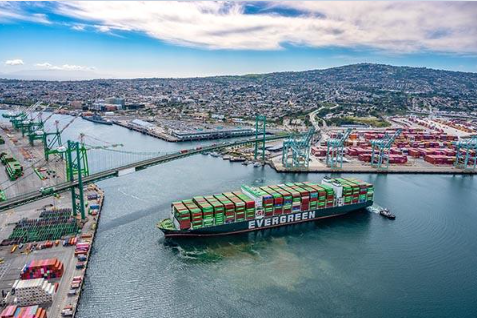
Modern retailers depend on extensive networks of suppliers and technology providers. Payment processors, warehouses, logistics companies and cloud services support everyday operations. These relationships improve efficiency and allow businesses to serve customers across different markets. However, they also create vulnerabilities that retailers cannot always control directly.
A cyberattack against a payment provider could interrupt transactions across several businesses. Similarly, an incident affecting a logistics company could delay shipments during a critical sales period. Retailers may suffer financial losses even when their own computer systems remain secure. This makes supplier security an important part of operational risk management.
The challenge becomes more serious during Black Friday. Customers expect websites to function, products to remain available and deliveries to arrive on schedule. A disruption involving one major supplier can affect the entire shopping experience. Retailers must therefore examine external dependencies and prepare alternative procedures when important services become unavailable.
Consumers Are Also Becoming Targets

Cybercriminals do not limit their activities to businesses. Consumers face fraudulent websites, misleading discounts and messages that imitate legitimate retailers. These scams become particularly concerning during major shopping events because customers are actively searching for deals. Criminals may exploit that urgency to obtain payment information or account credentials.
Artificial intelligence can make fraudulent communications more convincing. Fake product advertisements and impersonation messages may resemble legitimate marketing campaigns. Consumers who respond to these messages risk financial losses and compromised personal information. Retailers may also experience reputational damage when criminals misuse their names and branding.
Protecting customers requires cooperation across the retail industry. Businesses can strengthen account security, monitor fraudulent activity and communicate clearly about official purchasing channels. Payment providers and cybersecurity companies also play important roles in identifying suspicious transactions. Consumer trust increasingly depends on the security of the wider digital shopping environment.
What Retailers Must Do Before Black Friday
Retailers cannot eliminate every cybersecurity threat, but they can reduce their exposure. Businesses should strengthen account security, update vulnerable systems and monitor unusual activity. They should also test backups and establish procedures for restoring essential operations. These measures become especially important when sales depend heavily on digital infrastructure.
Sophos found that 71% of surveyed retail organizations restored data from backups following ransomware attacks. However, 38% identified a known security gap as a contributing weakness behind their incident. This suggests that some businesses experience attacks through problems they already recognize but have not resolved. Addressing these weaknesses can improve resilience without requiring an entirely new technology strategy.
Preparation must also extend beyond internal systems. Retailers should review supplier arrangements and identify alternative processes for handling payments, orders and deliveries. Clear responsibilities can help employees respond more effectively when incidents occur. The objective is not simply to prevent cyberattacks, but to limit their financial impact and restore operations quickly.
THE ABE TAKE | Cybersecurity Is Becoming a Test of Retail Competitiveness
Black Friday has traditionally been viewed as a competition over prices, discounts and consumer spending. However, digital security has become another important measure of retail competitiveness. Businesses depend on technology to process payments, manage inventory and deliver products. A serious disruption can affect all these activities at the moment when demand is strongest.
The latest figures reveal a concerning imbalance between digital dependence and financial preparedness. Cyber threats are becoming more sophisticated, yet many smaller retailers remain without cyber insurance. Large companies may have greater resources to recover from an incident, while smaller businesses often face tighter financial constraints. This difference could deepen the competitive divide between major retail chains and independent operators.
Cybersecurity should therefore be treated as a long-term business investment rather than an occasional technology expense. Strong internal controls, reliable suppliers and tested recovery procedures can reduce the consequences of an attack. Insurance may provide additional financial protection, but it cannot replace effective preparation. Retailers that strengthen their resilience may also gain an advantage through greater operational reliability and customer trust.
Black Friday will test more than retailers’ ability to attract customers. It will also reveal how prepared they are to protect the digital systems supporting their businesses. In an increasingly connected retail economy, cybersecurity is no longer separate from commercial success. It has become one of the conditions required to sustain it.
Understand More. Think Bigger.