








ABE Magazine | SPORTS | October 10, 2026
From broadcasting billions and sovereign investment to record transfer fees, football is becoming a global financial powerhouse. But who benefits from its success?
Editorial classification: ABE Magazine Analysis. Based on published industry research and reporting; no original interviews are claimed.
Football has always been about more than what happens on the pitch. For generations, clubs have represented cities, communities and identities. Supporters have inherited loyalties, celebrated victories and endured defeats, regardless of who owned their team.
But the business surrounding football has changed dramatically. The leading clubs are international entertainment brands, valuable media properties and investment assets. Broadcasting companies compete for rights, ownership groups acquire teams across borders, and governments use sport as part of broader economic strategies.
The central issue is no longer simply how much money football can generate. It is whether the game’s financial success can strengthen football without undermining what made it valuable in the first place.
A €40 Billion Industry — and Still Growing
According to Deloitte’s 2026 Annual Review of Football Finance, the European football market generated €40.2 billion in the 2024/25 season, up 6%. Its five largest domestic leagues — England, Spain, Germany, Italy and France — generated €21.6 billion.
These numbers reflect an industry that now earns from far more than ticket sales. Sponsorships, merchandise, licensing, hospitality and international broadcasting allow clubs to monetize audiences who may never have visited their home cities.
But revenue is not the same as profit. Deloitte also reported that Premier League clubs’ combined pre-tax losses increased sharply in 2024/25. Clubs may earn more while spending even faster on wages, transfers and operations.
Football’s commercial growth is real. So is the question of whether the industry’s financial foundations are becoming stronger.
The Broadcasting Revolution
Television transformed football from a primarily local stadium experience into a worldwide entertainment product. The Premier League’s UK domestic rights agreements for 2025/26 through 2028/29 were announced at approximately £6.7 billion.
Live football remains especially valuable to broadcasters because viewers have a strong incentive to watch in real time. That demand supports subscription services, advertising and premium sports packages.
The effects are uneven. A club receiving distributions from one of the richest leagues operates in a different financial environment from an equally ambitious club in a smaller market. Broadcasting revenue influences recruitment, wages and the ability to retain players.
The question is whether increasingly valuable media rights can support the wider football pyramid rather than only its wealthiest competitions.
The Transfer Market as a Global Financial System
FIFA’s Global Transfer Report 2025 recorded $13.11 billion in international transfer fees across professional men’s and women’s football, including approximately $13.08 billion in the men’s professional game. English clubs spent around $3.82 billion on incoming international transfers.
A headline transfer fee is only one component of a deal. Salaries, agent fees, contract length and sporting risk can materially change the overall cost.
Transfers also move money through the football economy. Clubs that identify and develop young players may depend on selling them to finance their operations. But the same system can make it difficult for smaller teams to keep successful squads together.
Money creates opportunity, yet it also reinforces the purchasing advantages of already wealthy clubs.
Football Clubs Are Becoming Investment Assets
Football now attracts investment funds, international consortiums, wealthy families and state-linked capital. Investors see global brands, scarce sporting assets, commercial potential and opportunities to develop stadiums and surrounding businesses.
A financial investor may prioritize rising enterprise value and future returns. Supporters may care more about ticket affordability, local traditions and results on the pitch. These priorities can coexist, but not always.
Investment can finance academies, training grounds and modern facilities. Problems emerge when the institution is treated primarily as an asset rather than a club with responsibilities to its community.
Sovereign Wealth and Football’s Geopolitical Importance
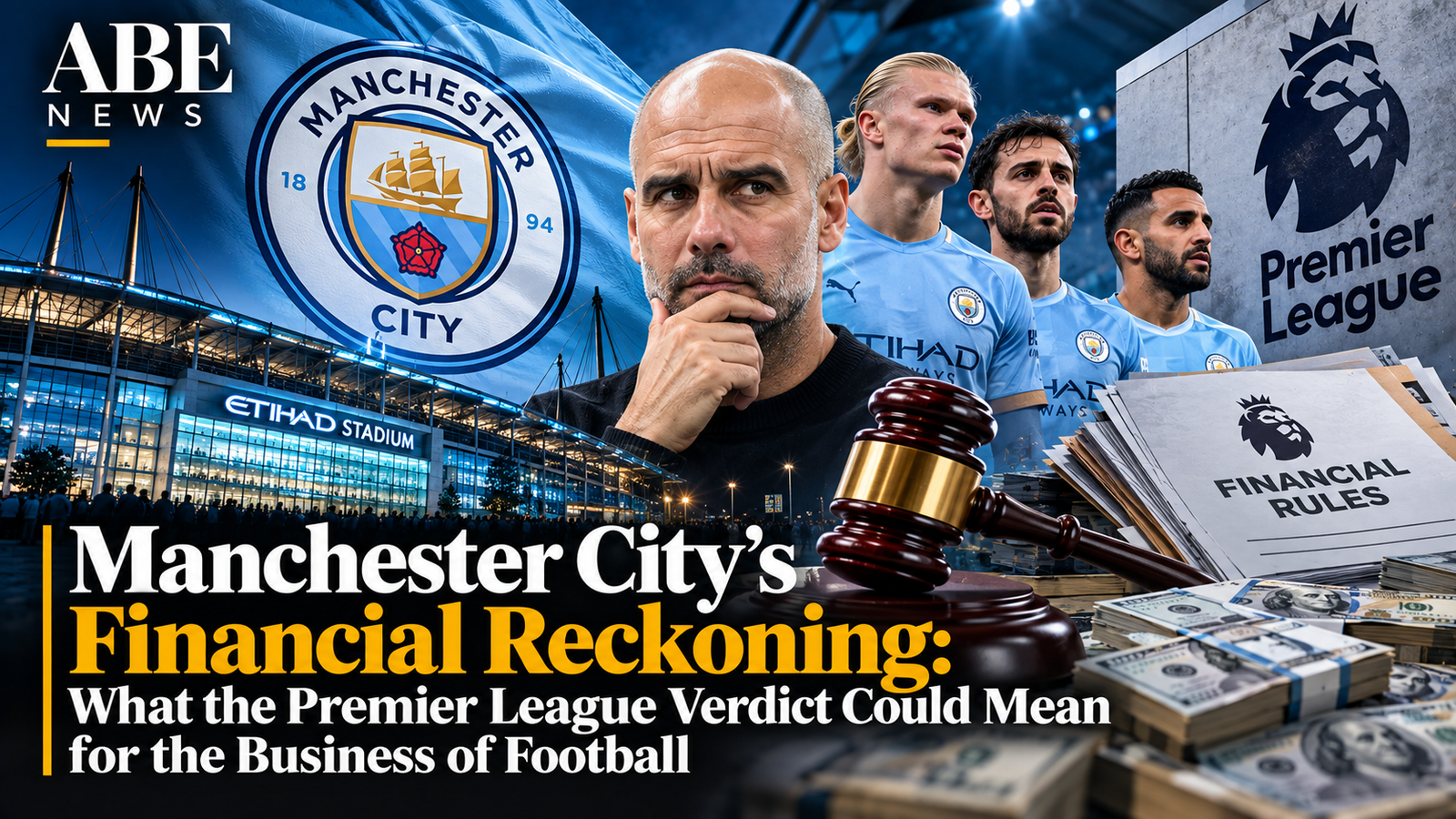
State-linked investment adds another dimension. Saudi Arabia’s Public Investment Fund participation in Newcastle United’s ownership and Abu Dhabi-linked investment in Manchester City demonstrate how football can intersect with international economic strategy.
Advocates point to infrastructure, employment, competitiveness and investment. Critics raise concerns about sporting integrity, ownership transparency and the possibility that football may be used to improve a state’s international reputation.
Motivations differ across investors. What is clear is that major clubs can function simultaneously as sporting organizations, commercial brands and instruments of international influence.
Financial Rules: Can Football Control Spending?
UEFA’s financial sustainability rules set a permanent 70% squad-cost ceiling from 2025/26 for clubs within the relevant framework, covering defined spending on players, coaches, transfers and agents relative to adjusted revenue.
Such limits aim to discourage unsustainable spending. Yet a revenue-linked rule may also favour established clubs with already large commercial incomes, making it harder for ambitious challengers to narrow the gap.
The regulatory challenge is to promote financial discipline without turning today’s competitive hierarchy into a permanent one.
The Richest Clubs Are Businesses Beyond the Stadium

Elite clubs increasingly earn revenue through retail, licensing, international sponsorships and stadium hospitality. Their grounds may host concerts, conferences and other events outside matchdays.
This diversification can improve financial resilience. It can also change priorities: tours may target commercial markets, stadium projects may be evaluated by year-round revenue and player signings may carry marketing value alongside sporting value.
A strong commercial operation can support a strong football club. It becomes a problem only when the commercial objective overwhelms the sporting purpose.
Women’s Football and the Next Growth Opportunity
Women’s football is attracting greater sponsorship, investment and professional infrastructure. FIFA reported that international transfer spending in the women’s professional game reached $28.6 million in 2025, more than 80% higher than in 2024.
That growth creates opportunities for stronger leagues, better training environments and improved player pathways. But sustainable development requires more than comparing women’s revenues with those of the men’s game.
Long-term success will depend on building competitions and commercial models that serve their own supporters, players and communities.
The Financial Divide Between Rich and Poor Clubs
Money does not guarantee success, but it changes the odds. Wealthier clubs can invest in extensive scouting, analytics, medical teams and deeper squads. They can often recover from an unsuccessful signing more easily than a smaller rival.
Lower-league clubs play essential roles in local communities and youth development, yet many have thin financial margins. The question of how the richest leagues should share revenue with the wider pyramid remains unresolved.
Redistribution cannot replace responsible management. But an industry that concentrates opportunity too narrowly risks weakening the ecosystem on which its future depends.
More Competitions, More Revenue — and More Pressure
Expanded competitions can create more broadcasting inventory, sponsorship income and prize money. They also increase demands on players and supporters.
More matches can mean heavier workloads, additional travel and rising costs for audiences following their teams across multiple competitions.
Football’s governing bodies must ask whether each expansion strengthens the sporting spectacle or merely increases short-term revenue.
The Supporter: Football’s Most Important Stakeholder
Supporters create the atmosphere, loyalty and inherited identity that make football culturally distinctive. Their attachment helps make clubs valuable to investors and broadcasters in the first place.
Yet ticket prices, kickoff times, ownership changes and competition reforms can be driven by commercial decisions over which fans have limited influence.
International audiences matter, too. But global expansion should not require abandoning local identity. The traditions of a club are not obstacles to its business model; they are part of its value.
A New Era of Financial Oversight
As football’s finances become more complex, regulators face growing pressure to scrutinize club solvency, ownership structures and spending practices.
Rules must be transparent and consistently enforced. Weak enforcement leaves clubs exposed, while poorly designed restrictions can deter useful investment or make it harder for smaller clubs to grow.
The goal should be responsible ambition: financial systems that allow clubs to compete without jeopardizing their existence.
What Does Football’s Future Look Like?
Football’s commercial expansion is unlikely to reverse. Global audiences, media rights, stadium development and investment will continue shaping the game.
But the industry’s most important challenge is not simply finding additional revenue. It is deciding how that money should be used — for player development, stronger clubs, competitive balance and a better supporter experience, or primarily for financial returns.
The long-term measure of success should be whether football as a whole becomes healthier, not merely whether its biggest institutions become richer.
THE ABE TAKE
Football is entering an era in which financial power increasingly shapes sporting opportunity.
The richest clubs have developed global commercial operations, broadcasting agreements generate billions, and investors now view established football institutions as valuable assets.
These developments are not inherently harmful. Capital can improve infrastructure, create jobs, develop players and help clubs compete at a higher level.
But the pursuit of financial growth presents a danger when the business becomes more important than the sport.
A football club is not simply a company with customers. It is an institution built around identity, history, community and emotional commitment. Its value cannot be fully explained by revenue, profit or valuation.
The industry’s most important challenge is therefore not whether football can continue attracting money. It almost certainly can.
The question is whether football’s leaders can build a financial system in which investment strengthens competition, supporters retain a meaningful voice and smaller clubs are not left behind.
The future of football should not belong exclusively to those who can afford to buy it. It should also belong to the people who made the game worth investing in.
ABE Magazine — Understand More. Think Bigger.